
Hear from Our Customers
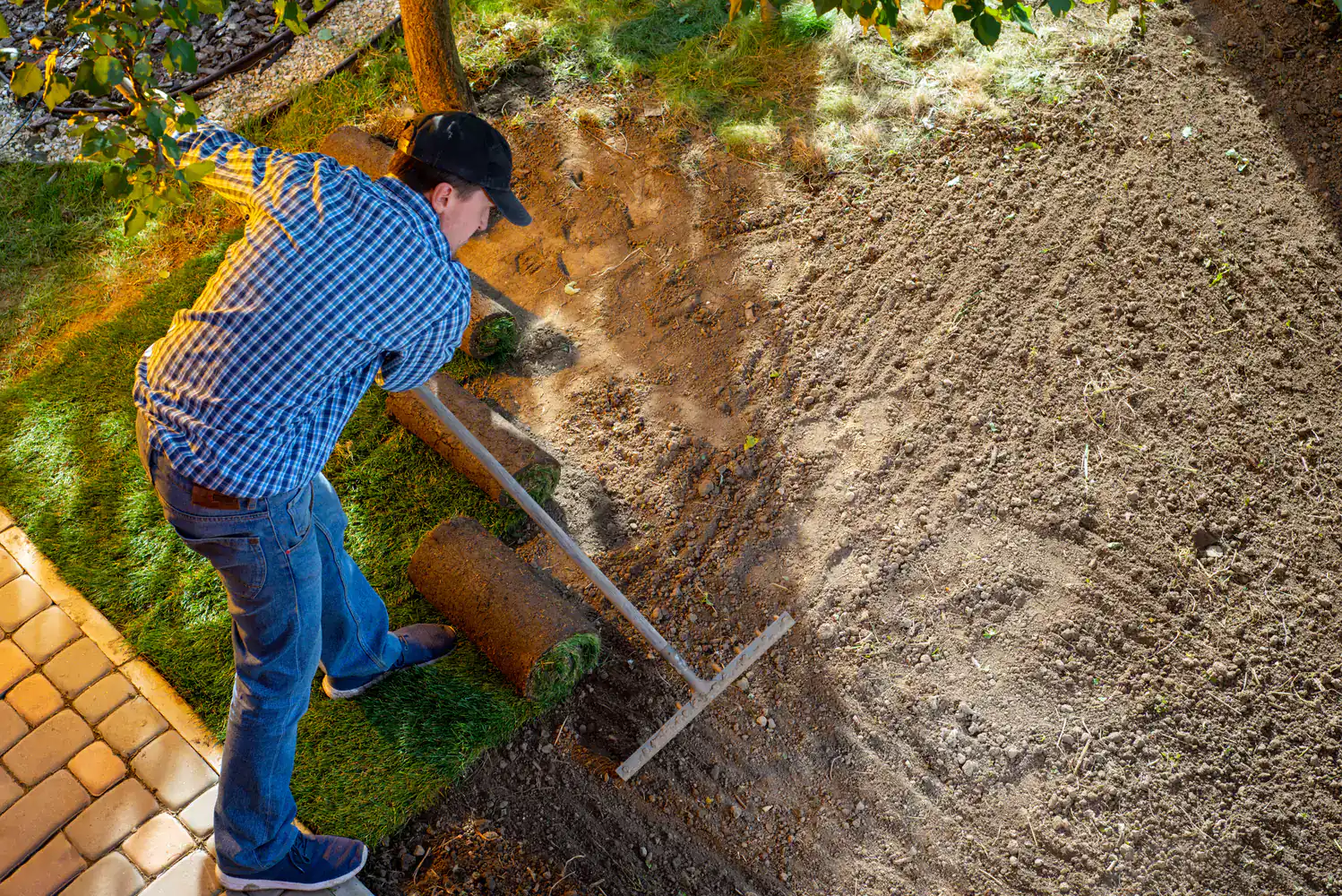
There’s a specific kind of frustration that comes with watching your lawn die again after you’ve already spent money trying to fix it. You watered it. You seeded it. Maybe you even had someone come out and overseed in the fall. And by the following July, it looked just as patchy and thin as before. That’s not a maintenance problem that’s a soil and foundation problem, and no amount of seed spread over bad ground is going to change that.
When lawn renovation is done right, the difference is visible and it holds. You get a dense, uniformly green lawn that doesn’t thin out by midsummer, doesn’t surrender to crabgrass every August, and doesn’t leave you embarrassed when you pull into your driveway. In East Islip, where homes are selling close to $800,000 and your neighbors in Deer Run or along Bayview Avenue are clearly investing in their properties, a struggling lawn stands out and not in the way you want.
East Islip’s South Shore conditions are specific. The sandy, loamy soils near the Great South Bay drain nutrients out of the root zone fast. Salt air off the water stresses grass density in ways that fertilizer alone can’t fix. And Japanese beetle grubs quietly destroy root systems underground before you ever see the damage on the surface. A real lawn renovation addresses all of that not just what’s visible, but what’s underneath.
We’ve been working in the Long Island lawn and landscape market since 1994. That’s over thirty years of learning what actually works on Suffolk County turf not in a classroom, but on real properties across the South Shore, including East Islip, where coastal conditions make lawn care genuinely more demanding than it is inland.
We’re not a franchise. There’s no national call center fielding your questions. When you reach out to us, you’re dealing with people who know what South Shore soil looks like in East Islip, what salt air does to grass density over time, and what it takes to build a lawn that survives an East Islip summer. That local knowledge is the difference between a renovation that holds and one that looks great in October and fails by June.
We’re based in Port Jefferson Station and serve Suffolk County broadly but the South Shore communities like East Islip, with their specific coastal challenges, are where this experience runs deepest.
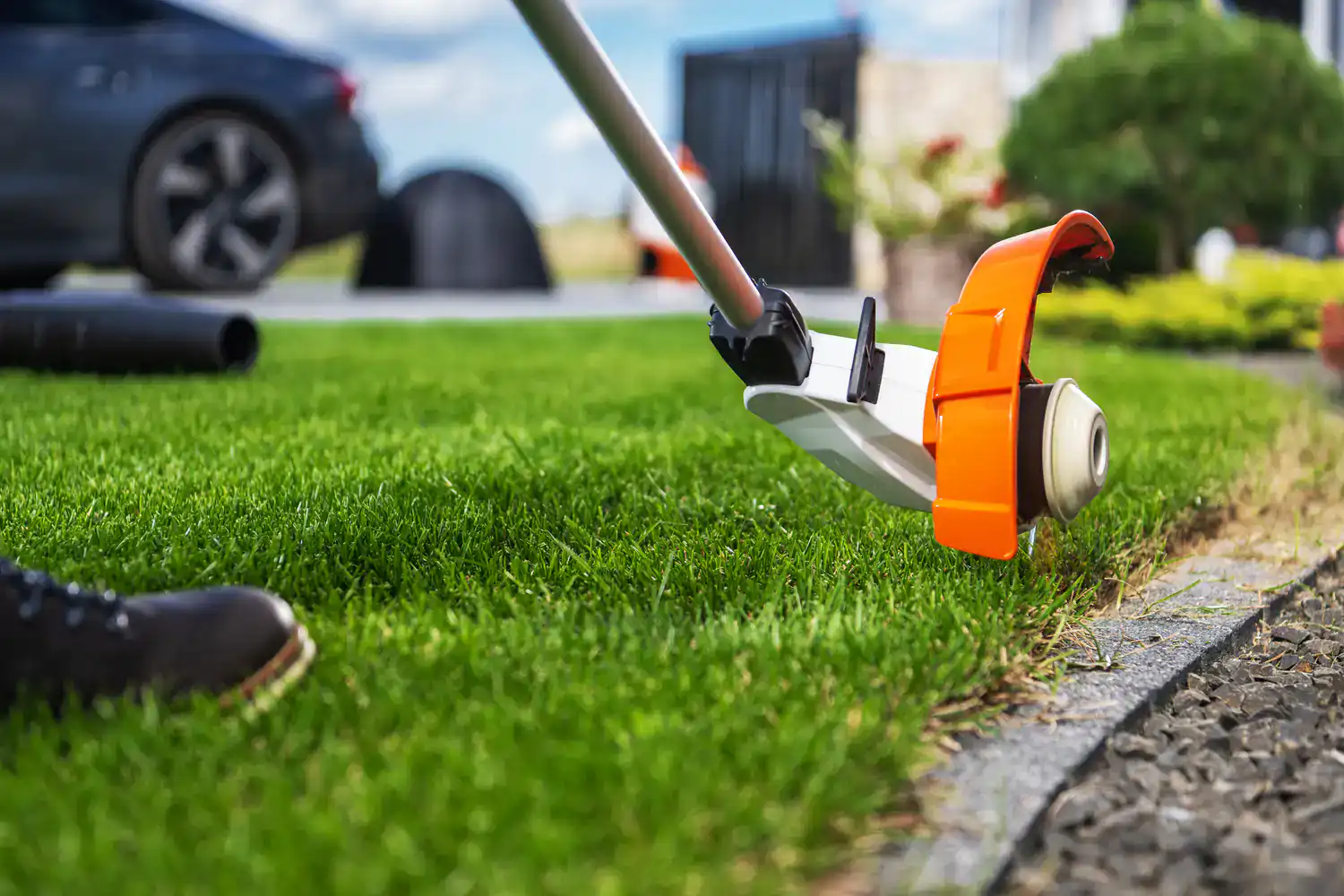
It starts with an honest assessment of what you’re actually dealing with. Before anything gets applied or seeded, we evaluate the soil because in East Islip, the soil is almost always part of the story. Sandy coastal soils near the bay drain fast and don’t hold seed well during germination. Heavier, more compacted soils further inland suffocate root systems from below. Knowing which situation you’re in changes the entire approach.
From there, we address the existing problem turf directly. Weeds, dead root zones from grub damage, invasive species like nutsedge these don’t get seeded over. They get eliminated first, because covering a problem doesn’t fix it. Once the ground is properly prepared, aeration opens up the soil structure, and professional-grade power seeding places seed at the right depth for real germination not surface scatter that washes away in the first rain.
The timing matters too, and this is where a lot of homeowners get burned by generic advice. On Long Island’s South Shore near East Islip, the fall window roughly late August through October is when cool-season grasses germinate best. Soil temperatures are right, crabgrass competition is dying off, and natural rainfall supports establishment without the irrigation demands of summer. If you’re reading this in that window, now is genuinely the right time to move. We keep the process straightforward from first call to final follow-up no upsells, no confusion, no surprises.

Ready to get started?
Our renovation services go well beyond what most local providers offer. In addition to core aeration, power seeding, and annual lawn programs, we specifically handle nutsedge control and bentgrass control two of the most persistent and stubborn turf invasions on Long Island’s South Shore. These aren’t problems that a standard maintenance company solves. They thrive in the humid, coastal conditions that East Islip properties experience, and if you’ve been fighting either one without a targeted approach, you already know how quickly they take over.
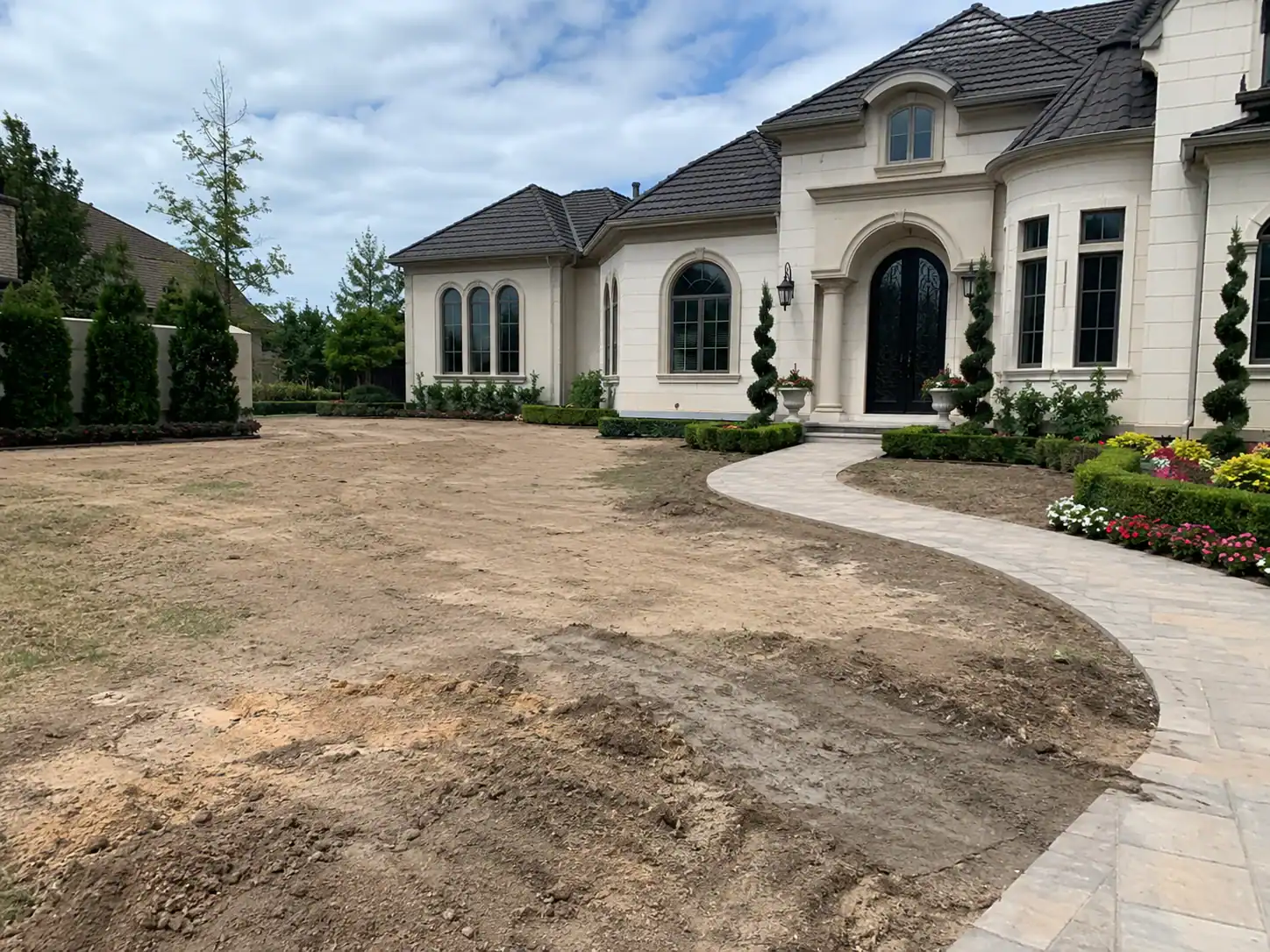
For properties where the damage runs deep grub destruction, years of neglect, or turf that’s simply too far gone to renovate we also offer full new lawn installation. That means grading, soil preparation, and building a new lawn from the ground up. It’s the option most companies can’t offer, and it means no East Islip property is too far gone to fix.
Suffolk County’s Healthy Lawns, Clean Water initiative and Local Law 41-2007 establish compliance requirements for pesticide-free buffer zones and licensed applicator standards in this area. We operate as a licensed, certified applicator in compliance with New York State NYSDEC requirements which matters when you’re this close to the Great South Bay and the waterways that feed into it. You’re not just getting a better lawn. You’re getting work done correctly, by someone accountable for how it’s done.
The most common reason lawns in East Islip fail repeatedly is that the underlying cause never gets addressed only the surface symptoms do. Sandy, loamy soils near the Great South Bay drain nutrients out of the root zone faster than grass can absorb them. They also dry out quickly during summer heat and don’t hold seed well during germination. If you’ve been fertilizing and overseeding without improving the soil structure first, you’re essentially restarting the same cycle every year.
On top of that, salt air off the Great South Bay creates chronic stress on grass density that accumulates over time. And Japanese beetle grubs which are extremely common on Long Island’s South Shore feed on root systems underground from late summer into fall, killing turf from below before you ever see the damage on the surface. By the time the dead patches show up, the root zone is already gone. Fixing that requires renovation, not more seed.
Overseeding means spreading seed over an existing lawn. Renovation means rebuilding the lawn from the foundation up. Those are fundamentally different processes, and the results reflect that difference. Overseeding doesn’t address compacted or nutrient-depleted soil, doesn’t eliminate existing weeds or dead root zones, and doesn’t improve the conditions that caused the lawn to fail in the first place. In East Islip’s South Shore conditions where sandy soils, salt air, and grub pressure are all working against you overseeding over an unprepared surface rarely holds past the first summer.
A proper lawn renovation in East Islip starts with a soil assessment, moves through weed and dead turf elimination, then aeration to open up the soil structure, and finishes with professional power seeding using grass varieties selected for coastal conditions. The seed is placed at the right depth for real germination, not scattered on the surface. That’s why renovation results hold and overseeding results often don’t it’s not the same thing with a fancier name.
For cool-season grasses tall fescue and Kentucky bluegrass blends, which are the varieties that perform best on Long Island’s South Shore fall is the correct window, and it’s not a close call. From roughly late August through October, soil temperatures in East Islip drop into the 50 to 65 degree range where cool-season grass germinates most effectively. Crabgrass, which is especially aggressive in sandy South Shore soils, is dying off and no longer competing for space. Natural rainfall patterns support germination without the irrigation demands of summer establishment.
Spring renovation is a secondary option for isolated winter damage or small bare patches, but full renovations in spring face real challenges here. Crabgrass pressure in East Islip’s sandy soils ramps up fast as temperatures warm, and the window between germination and summer heat stress is compressed. A lawn seeded in April on the South Shore has a narrow runway before the heat arrives. If your lawn needs a full rebuild, fall is the window that gives it the best chance to establish before facing its first real season.
Lawn renovation cost in East Islip varies based on the size of the property, the severity of the damage, and what the soil and turf assessment reveals. For a typical single-family property in the area, a complete renovation generally falls in the range of $1,500 to $4,500 for standard lot sizes, with larger or more severely damaged properties including those dealing with significant grub damage, nutsedge invasion, or full new lawn installation running higher.
The more useful framing is the comparison: what have you already spent on overseeding, fertilizer, and DIY fixes that didn’t hold? Most East Islip homeowners who call about renovation have already invested several hundred dollars or more in temporary solutions. A one-time renovation that actually fixes the root cause is almost always less expensive over a two to three year horizon than repeatedly patching a lawn that keeps failing. In a community where the average home value is approaching $800,000, a lawn that reflects the investment you’ve made in your property is worth getting right once.
Yes but the approach matters. Grub damage from Japanese beetle larvae is one of the most common and destructive lawn problems on Long Island’s South Shore, and it requires a specific renovation response. Grubs live in the soil and feed on grass roots from late summer through fall, cutting off the root system and causing turf to die in irregular patches that often look like drought stress. The key distinction is that watering won’t fix it the roots are gone, not just dry.
A proper renovation for grub-damaged turf in East Islip starts with removing the dead turf and treating the soil before any seeding takes place. Seeding over a dead root zone without addressing the soil underneath is what leads to lawns that look okay for a few weeks and then fail again. Once the soil is prepared correctly and any remaining grub activity is addressed, power seeding with the right grass varieties for South Shore conditions gives the new lawn a genuine foundation. We’ve handled grub renovation on South Shore properties specifically it’s not a generic process, and the timing and soil prep are what determine whether the results hold.
It does, and it’s one of the most underestimated factors in South Shore lawn failure. Salt air off the Great South Bay creates a chronic stress environment for turf it desiccates leaf tissue, weakens grass density over time, and makes lawns more vulnerable to disease, drought damage, and weed invasion. Properties closest to the water along Bayview Avenue, near Heckscher State Park, and in waterfront communities like The Moorings experience the highest exposure, but salt air stress is a factor across East Islip, not just on the waterfront.
The practical implication is that grass variety selection matters more here than it does inland. Not every cool-season grass performs equally under salt stress, and a renovation that uses the wrong seed mix for South Shore coastal conditions will show it within a season or two. Our renovation approach accounts for this the grass varieties we use are selected with East Islip’s coastal environment in mind, not just pulled from a generic Long Island seed blend. That’s one of the reasons results hold here when previous fixes haven’t.
Useful Links
Other Services we provide in East Islip