
Hear from Our Customers
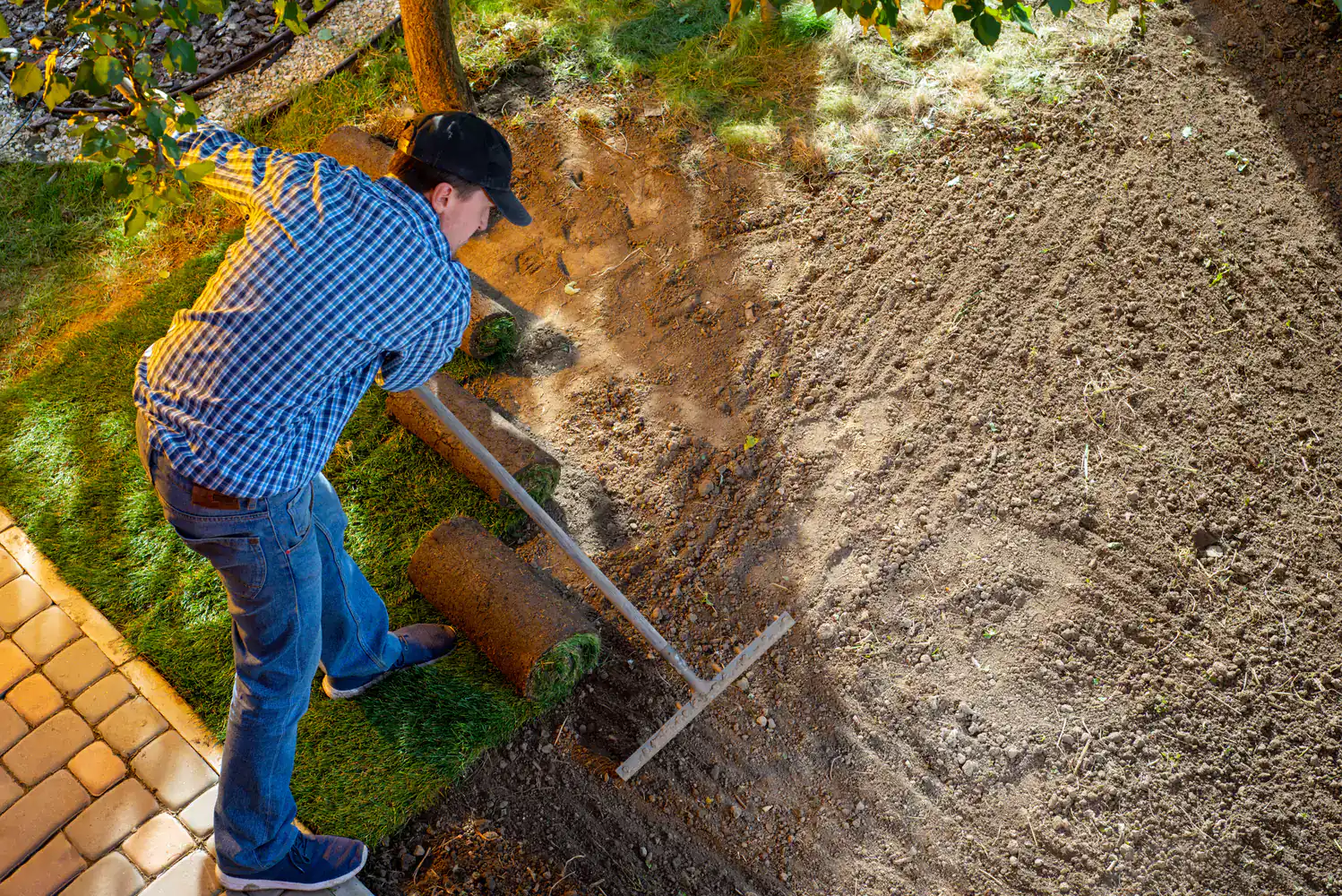
Sayville sits on glacial outwash soil sandy loam that drains fast, leaches nutrients quickly, and leaves grass roots exposed every July and August when the South Shore dries out. A lawn that was overseeded last fall and looked decent in April doesn’t stand a chance against that without the right foundation underneath it. That’s not a maintenance problem. That’s a renovation problem.
When the work is done right, you get a lawn that doesn’t thin out by the Fourth of July. Thick, even coverage that holds through the dry stretch. No more bare patches reappearing in the same spots every season. For properties near the bay or along the ferry route into town, that kind of consistency matters your lawn is one of the first things people see, and in a neighborhood where homes are valued the way they are in Sayville, it should look like it belongs there.
The other thing that changes is the cycle. Most homeowners who come to us have already spent two or three seasons patching the same problem. Renovation breaks that cycle because it addresses what’s actually wrong compaction, weed competition, poor seed-to-soil contact, the wrong grass varieties for South Shore conditions instead of layering more product on top of a failing lawn.
We’ve been working lawns throughout Sayville and the surrounding South Shore since 1994. That’s not a number we throw around for marketing purposes it means we’ve spent three decades learning exactly how Sayville properties behave. We know what sandy-loam soil does to a fertilizer program in August. We know which grass varieties hold up when the heat peaks and the bay breeze stops. We know the difference between grub damage and drought stress, and we know that confusing the two is one of the most common reasons renovations fail.
We’re not a franchise. We’re not a call center dispatching crews. When you reach out, you’re dealing with a team that has been doing this work in Sayville, Bayport, and West Sayville for over thirty years not a regional hub applying the same program here that we use in Medford or Holtsville. The Town of Islip has its own regulatory environment, and Suffolk County’s pesticide application laws require proper NYSDEC licensing that we maintain and take seriously. You get a company that knows this area, operates legally within it, and is accountable for the results.
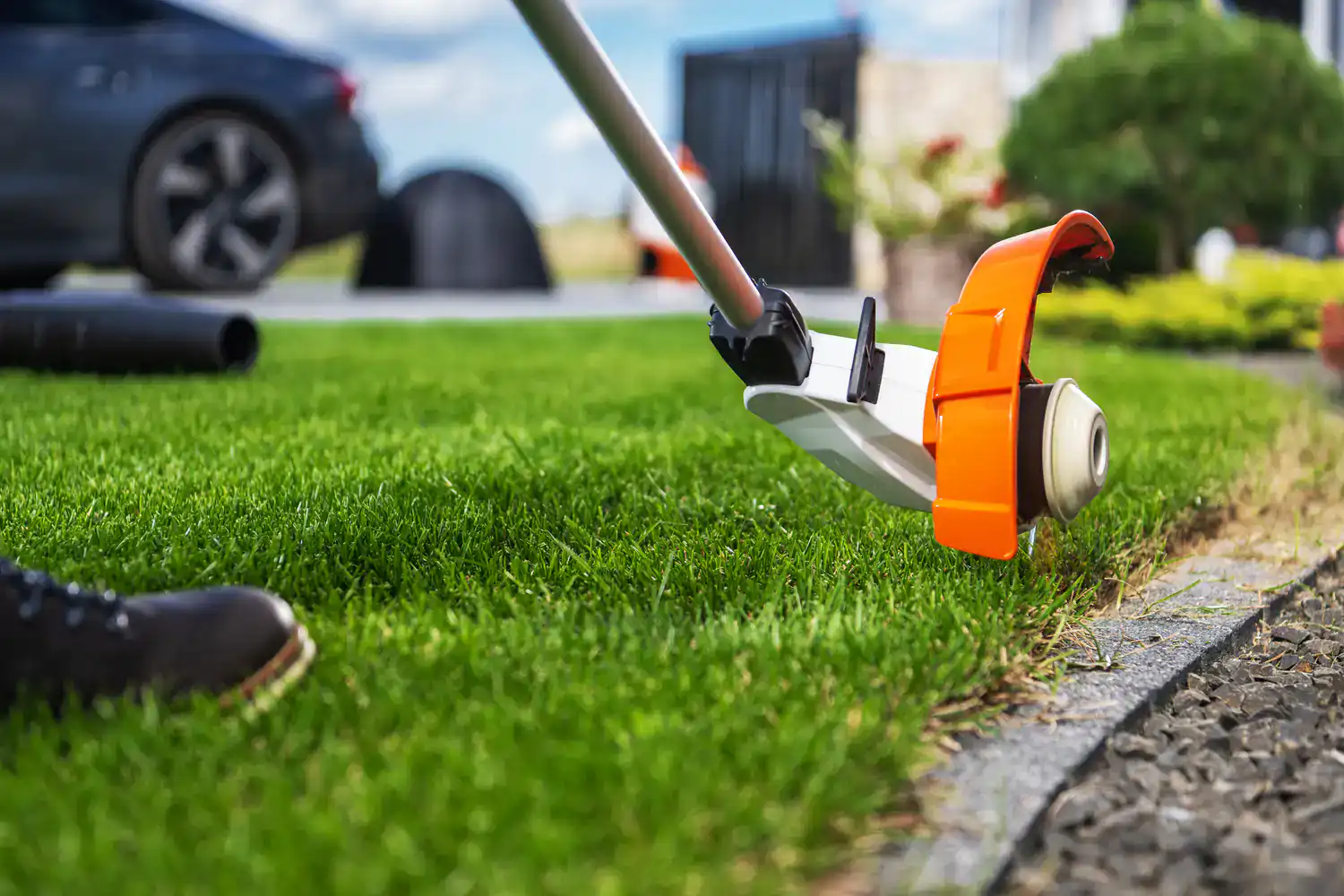
It starts with an honest assessment of what’s actually going on with your lawn. Not a quick walk-around, but a real look at soil condition, compaction levels, existing turf quality, weed pressure, and drainage patterns. In Sayville, that assessment almost always factors in how your sandy soil has been holding or not holding moisture and nutrients. If there’s evidence of Japanese beetle grub damage, that gets identified here too, because renovating over an active grub problem just restarts the clock on failure.
From there, the process depends on what your lawn actually needs. Some lawns need core aeration and renovation seeding a deep mechanical process that opens the soil, removes thatch, and gets seed into direct contact with the ground rather than sitting on top of it. Others need a more complete rebuild: weed elimination, soil preparation, and full renovation seeding with grass varieties selected specifically for South Shore conditions, like drought-tolerant turf-type tall fescue that can handle what Sayville summers throw at it.
Timing matters more than most homeowners realize. The best window for lawn renovation on Long Island’s South Shore is late August through October, when soil temperatures drop into the 50–65°F range that cool-season grasses need to germinate and establish before winter. That window is real and it closes. Lawns renovated in that window arrive at the following spring in strong shape. We also offer spring renovation for isolated damage or situations where fall wasn’t possible but for a full rebuild, fall is the right call.

Ready to get started?
Our lawn renovation service covers the full scope of what a failing lawn actually needs. Core aeration to relieve compaction and open the soil. Professional-grade renovation seeding using equipment and seed varieties that a standard overseeding service can’t replicate. Soil preparation that accounts for the fast-draining, nutrient-leaching sandy loam that dominates South Shore properties in Sayville and the surrounding area. And where needed, targeted treatments for the problems that derail most renovation attempts nutgrass, bentgrass, and grub damage chief among them.
Nutgrass and bentgrass control deserve a specific mention because most lawn companies in this market don’t offer it. These are persistent, invasive turf problems that crowd out desirable grasses and won’t respond to general herbicide applications. If your lawn has yellow nutsedge pushing through or bentgrass spreading in patches, a renovation without addressing those first is just a temporary fix. We treat the invasion, then we renovate so the new turf has a real chance to establish without immediate competition.
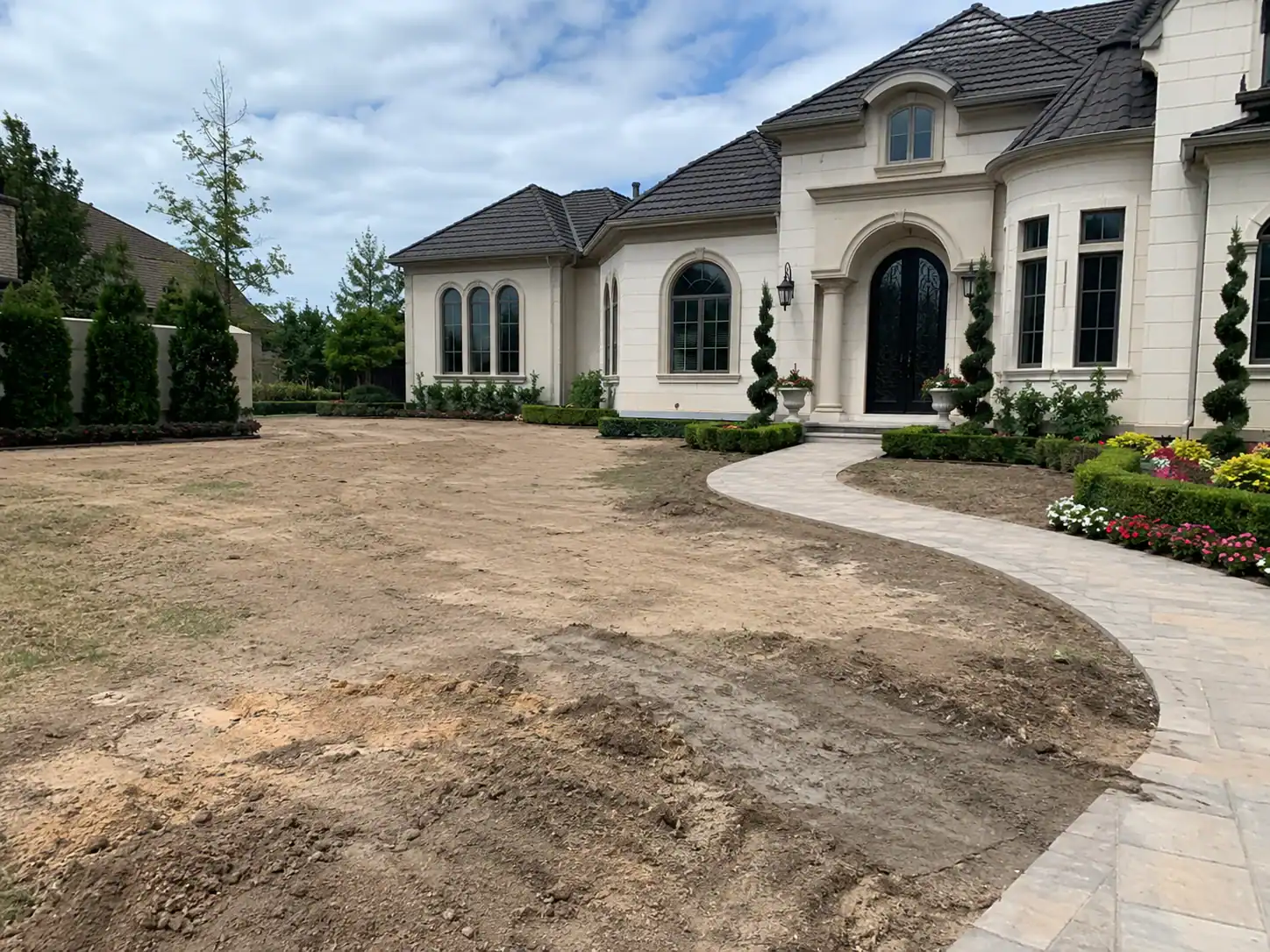
For properties that are too far gone for renovation, we also offer new lawn installation from scratch full grading, soil preparation, and seeding. That capability means you’re never in a situation where the damage exceeds what we can handle. Whether your lawn needs a targeted rebuild or a complete start-over, the process, the equipment, and the expertise are the same. All work is performed in compliance with Suffolk County Local Law 41-2007 and current NYSDEC commercial pesticide applicator requirements.
For Sayville and the rest of Long Island’s South Shore, late August through October is the window you want. Cool-season grasses tall fescue, Kentucky bluegrass, perennial ryegrass germinate best when soil temperatures are between 50 and 65 degrees Fahrenheit. That range happens naturally on the South Shore each fall, and it gives new seed the time it needs to establish roots before the ground freezes.
The practical reason fall beats spring here is weed competition. Crabgrass and other summer annual weeds aren’t germinating in September the way they are in April and May. New turf established in the fall doesn’t have to fight for space the moment it comes up. It also doesn’t have to immediately face the kind of heat stress that Sayville’s sandy-loam soils create every July and August. Fall renovation means your lawn spends the winter building roots and arrives at spring already ahead of the curve. If you’re thinking about a renovation, the time to schedule is before that window closes not after.
Overseeding means spreading seed over an existing lawn. It works when the lawn has decent base coverage and just needs to be thickened up. Renovation is a different process entirely it involves mechanical soil preparation, elimination of competing weeds and existing dead turf, and seeding in a way that creates real seed-to-soil contact using professional-grade equipment. The seed goes into the ground, not on top of it.
The difference matters enormously for lawns that have already failed. If your lawn has bare patches that won’t fill in, invasive weeds that keep returning, or turf that thins every summer despite overseeding, the problem isn’t the seed it’s that the seed never had the conditions it needed to establish. Overseeding on top of compacted, weed-infested, sandy soil is one of the most common reasons homeowners end up in the same cycle year after year. Renovation breaks the cycle because it actually changes the conditions, not just adds more seed to a problem that hasn’t been fixed.
Yes, and it’s more common in Sayville than most homeowners realize. Japanese beetle grubs are a well-documented problem throughout Suffolk County, and the sandy-loam soils on the South Shore are particularly hospitable to them. Grubs feed on grass roots from late summer into fall, and the damage they cause irregular brown patches that peel up from the soil like loose carpet is frequently mistaken for drought stress or fungal disease.
The problem with misidentifying grub damage is that you end up treating the wrong thing. Watering more, fertilizing, overseeding none of it works if the roots have been eaten. The lawn comes back temporarily and fails again in the same spots the following season. If you’ve been dealing with recurring dead patches in the same locations despite treatment, a proper assessment should check for grub activity before any renovation work begins. Renovating over an active or unaddressed grub problem just resets the failure clock. Identifying it first means the renovation actually holds.
Renovation cost depends on the size of the area being treated, the current condition of the lawn, and what the work actually requires whether it’s aeration and renovation seeding, a more intensive rebuild with weed elimination and soil preparation, or a full new lawn installation. For most residential properties in Sayville, a complete renovation runs somewhere in the range of $1,500 to $4,500 depending on square footage and scope. Larger properties or lawns requiring more intensive prep work will be on the higher end.
What’s worth keeping in mind in a market like Sayville where median home values are pushing $737,000 is that a lawn renovation is a property investment, not just a yard expense. A visibly failing lawn on a home at that price point is a real detractor, whether you’re thinking about resale, curb appeal, or just the way your property presents to the neighborhood. The cost of doing it right once is almost always less than the cumulative cost of patching the same problem every season for three or four years. We’re straightforward about pricing during the assessment no surprises.
It can, but only if those invasions are addressed before the renovation seeding happens not after. Nutgrass (yellow nutsedge) and bentgrass are among the most persistent turf problems on Long Island. They spread aggressively, crowd out desirable grasses, and don’t respond to general broadleaf herbicide applications the way common weeds do. Seeding over an active nutgrass or bentgrass infestation without treating it first is one of the most reliable ways to produce a renovation that fails within a season.
Most lawn care companies in the Sayville area don’t offer specific nutgrass or bentgrass control. It requires targeted, professional-grade treatment and knowledge of how these plants reproduce and spread. We specifically treat both as part of a renovation program which is a meaningful distinction if your lawn has either problem. The sequence matters: treat the invasion, prepare the soil, then renovate. That order is what gives the new turf the space and conditions it needs to establish without immediately competing with the same plants that killed the old lawn.
Yes, and coastal proximity does change the approach in meaningful ways. Properties in the bayside sections of Sayville particularly those closer to Great South Bay, the ferry terminal area, or the lower-lying streets near Brown’s River deal with salt air exposure that stresses turf differently than inland properties. Salt-stressed grass shows up as browning, thinning, and poor recovery after dry periods, and it can look a lot like drought damage or disease if you’re not accounting for the coastal factor.
For these properties, grass variety selection is especially important. Not every cool-season blend performs equally well under salt stress, and a renovation that uses the wrong seed mix for a bayside Sayville property is going to underperform regardless of how well the soil prep was done. We factor in proximity to the bay, prevailing wind exposure, and drainage patterns when making recommendations for coastal and near-coastal properties. If your lawn is within a few blocks of the water and has been struggling despite prior treatment, salt stress is worth evaluating as part of the renovation assessment it’s a real factor that generic lawn programs don’t account for.
Useful Links
Other Services we provide in Sayville