
Hear from Our Customers
Most lawn care programs are built for average conditions average soil, average climate, average results. Sayville is not average. You’re sitting on sandy, fast-draining South Shore soil that leaches nutrients faster than most fertilizers are designed to handle. Add the salt air coming off the Great South Bay, the coastal humidity that drives fungal disease all summer, and the decades of compaction sitting underneath a housing stock that’s been here since the 1960s and you start to understand why a generic program keeps falling short.
When a program is actually designed around those conditions, the difference shows up fast. The thinning patches you’ve been watching fill in. The weeds that kept coming back stop getting the foothold they need. Your lawn holds its color through July and August instead of fading out right when everyone’s outside and the neighborhood looks its best.
In Sayville where neighbors know each other, property values are serious, and curb appeal carries real weight a lawn that looks the way it should isn’t just a personal preference. It’s a reflection of how much you care about where you live. The right program makes that easy.
We’ve been treating lawns in Suffolk County since 1987 that’s nearly four decades of work on the South Shore, including Sayville and the surrounding communities. While franchise operators have been expanding into the area and regional companies have been rebranding, we’ve been doing the same thing in the same place: showing up, doing the work, and building programs around what Long Island’s soil and climate actually demand.
Every job is handled by a licensed pesticide professional not a labor crew working under someone else’s credential. The person treating your Sayville lawn knows what they’re applying, why they’re applying it, and what to look for while they’re there. That’s not standard in this industry. In a waterfront community like Sayville, where properties drain toward the Great South Bay and environmental accountability matters to the people who live here, it should be.
Five fully wrapped trucks work throughout Suffolk County. If you’ve seen them on Montauk Highway or in the residential streets south of Sunrise Highway, you already know what the operation looks like.
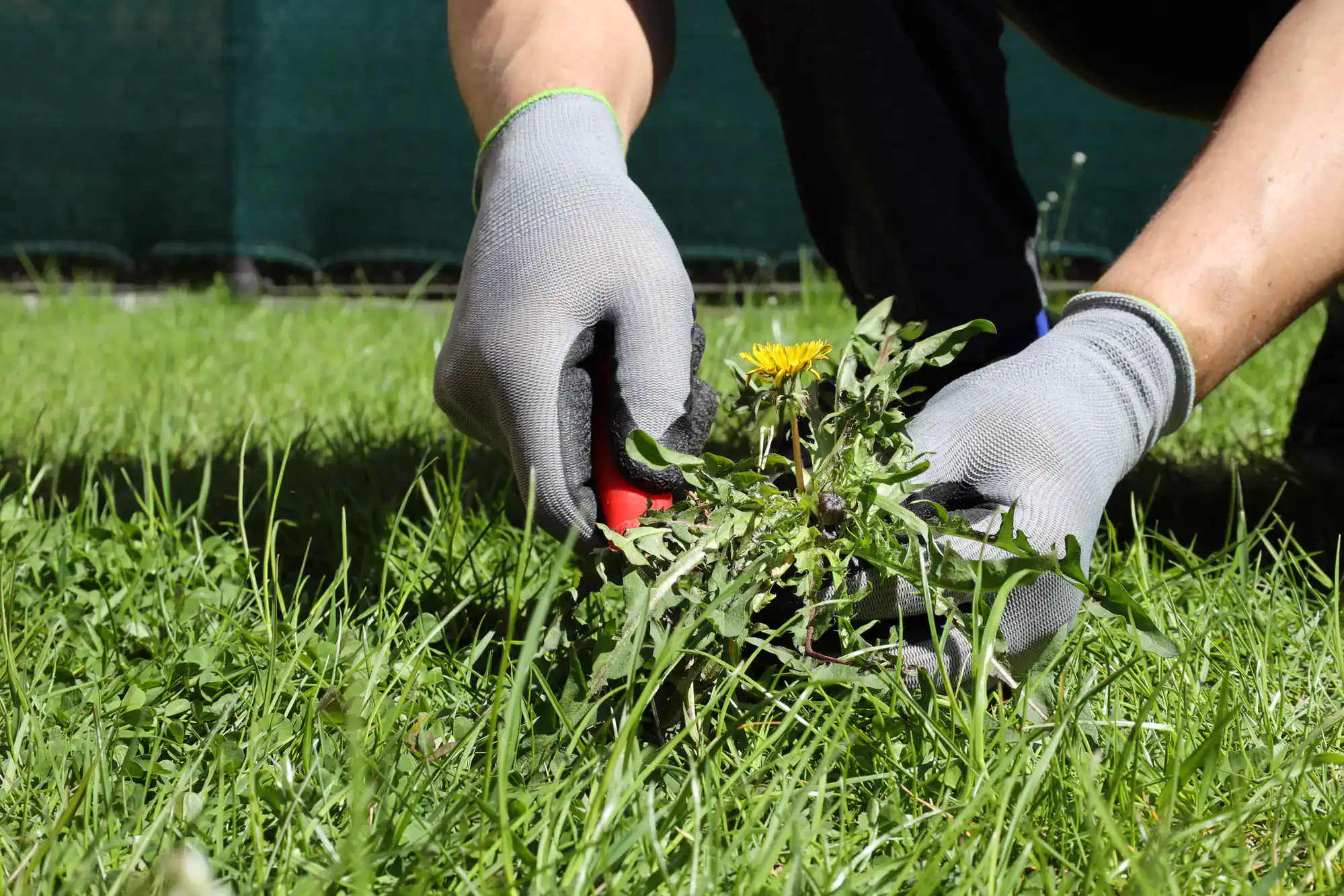
It starts with understanding what you’re actually working with. Sayville’s soils vary sandy loam near the bay, more compacted ground under older homes with decades of foot traffic and mowing and the program needs to reflect that before anything gets applied. The first step is assessing your lawn’s specific conditions: sun exposure, soil health, weed pressure, compaction level, and any existing damage from grubs, fungal disease, or salt stress.
From there, we build the program around a custom-blended fertilizer formulated specifically for our work not a generic product off a distributor’s shelf. That matters here because sandy South Shore soils drain fast, and a standard fertilizer rate calibrated for average American soil will consistently underperform in Sayville. The blend is designed to deliver nutrients at the right rate for the way your soil actually holds them.
Timing is managed around Suffolk County’s fertilizer regulations including the November 1 blackout date so you never have to track compliance yourself. Aeration is done with hydraulic equipment that penetrates deep into compacted soil, not the lightweight drum aerators that barely scratch the surface. And if your lawn needs restoration rather than just maintenance, we handle that with professional hydraulic seeders that give seed the soil contact it needs to actually germinate. The whole process is managed, scheduled, and invoiced online no paper, no phone tag.
Ready to get started?
What we offer in Sayville isn’t a package pulled from a national template. The fertilizer is custom-blended specifically for our programs and for Long Island’s soil conditions. The equipment hydraulic aerators and seeders is professional-grade in a way that rental-grade and franchise-standard machines aren’t. And the people doing the work hold NYS DEC Commercial Pesticide Applicator licenses, which means they passed a state exam, completed supervised training, and are legally accountable for every application.
For Sayville specifically, that means programs that account for the sandy, fast-draining soils characteristic of the South Shore’s glacially deposited outwash plain. It means grub prevention timed to intercept Japanese beetle larvae before they destroy root systems in late summer a recurring issue throughout Suffolk County that costs significantly more to fix than to prevent. It means fungal disease identification during midsummer visits, when Sayville’s coastal humidity creates ideal conditions for dollar spot and brown patch to move through a lawn fast.
If your lawn is past the point of maintenance thin, weedy, damaged, or completely worn out we offer full restoration and new lawn installs from seed. For homeowners in Sayville’s established neighborhoods, where mature trees, older soil profiles, and years of accumulated wear can take a lawn from struggling to unsalvageable without the right intervention, that capability matters. Online credit card payment is available, so managing your service is as straightforward as the work itself.
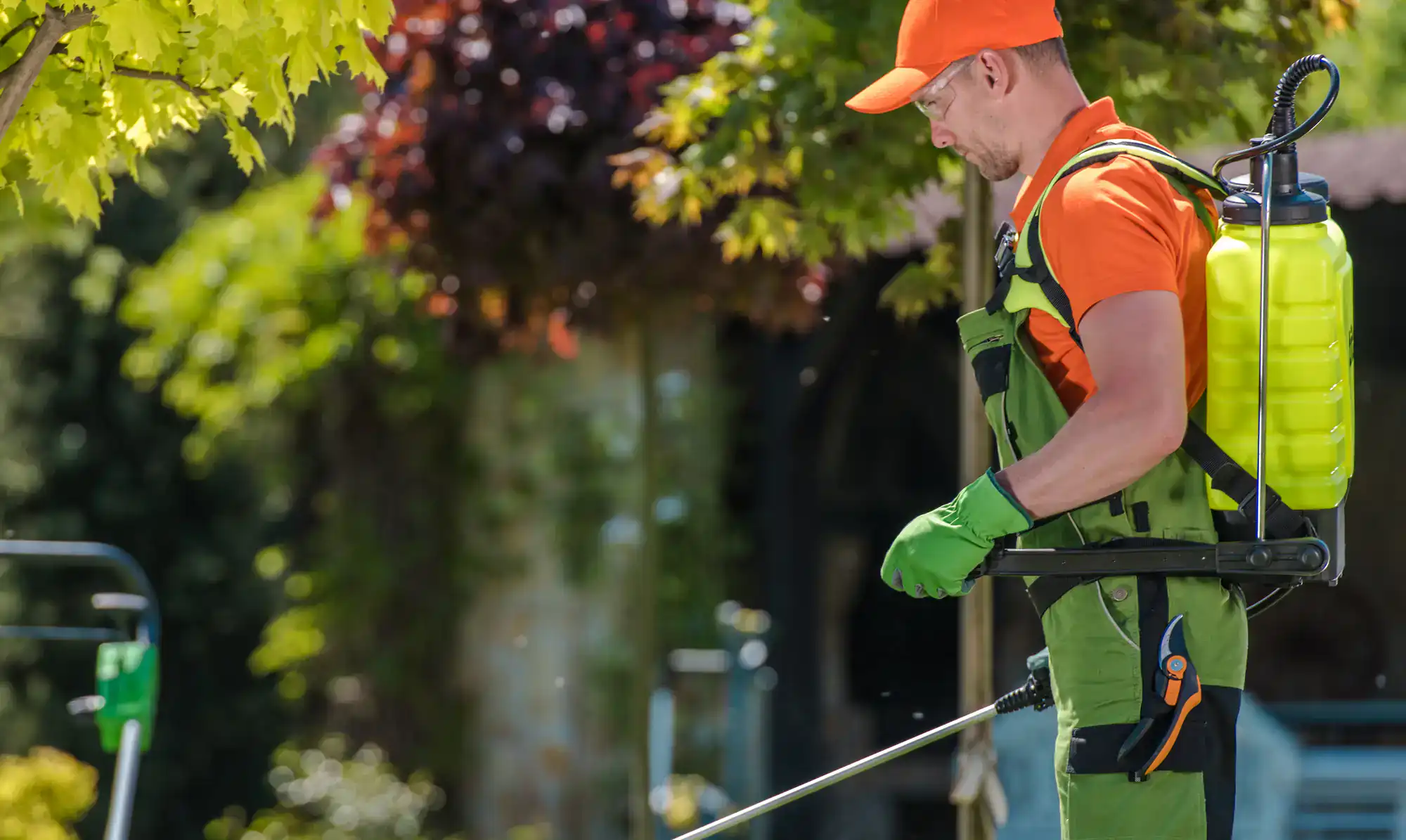
There are a few common reasons, and in Sayville specifically, the soil is usually part of the story. The sandy, fast-draining soils on the South Shore leach nutrients out of the root zone faster than heavier soils found in other parts of the country. If you’re on a standard fertilizer program or applying something from a big-box store the nutrients may be moving through the soil before your grass roots can absorb them effectively. The result looks like drought stress or disease, but the underlying issue is a nutrient delivery problem.
Compaction is the other common factor, especially in Sayville’s older housing stock where homes have been on their lots since the 1950s and 60s. Decades of foot traffic, mowing, and rainfall compact the soil to the point where roots can’t develop properly, water doesn’t infiltrate, and the lawn thins out from the bottom up. Deep-penetrating hydraulic aeration followed by overseeding in the fall is typically the most effective correction and the fall window in Sayville, before soil temperatures drop below 50°F in late October, is the best time of year to do it.
Grub damage usually shows up as irregular brown patches in late summer typically August through October where the grass pulls away from the soil like a loose piece of carpet. That’s because Japanese beetle and European chafer larvae have been feeding on the root system underground since mid-July, and by the time the damage is visible on the surface, significant root mass has already been destroyed. In Suffolk County, grub pressure is a recurring seasonal reality, and Sayville lawns are not exempt.
The most cost-effective approach is preventive treatment applied in June through early July, which intercepts the larvae before they can cause root damage. Curative treatments applied after the damage is visible are less effective and more expensive and they don’t undo the root destruction that’s already happened. If you’ve seen irregular brown patches appear in your Sayville lawn in late summer and then struggled to get the lawn to recover the following spring, grubs are likely the explanation. We can confirm it and put a preventive program in place before next season’s cycle begins.
Suffolk County prohibits the application of nitrogen and phosphorus fertilizers to turf from November 1 through April 1 each year. Violations carry fines of up to $1,000 per application. The regulation exists because Long Island’s sandy soils allow nutrients to leach quickly into groundwater and surface water and in communities like Sayville, where lawns drain toward the Great South Bay, nitrogen runoff from improperly timed fertilizer applications is a documented contributor to water quality degradation in the bay.
In practical terms, this means the timing of your late-season fertilizer application the winterizer is critical. It needs to be completed before November 1, and it’s actually the single most important fertilizer application of the year for cool-season turf. A properly timed winterizer builds root carbohydrate reserves that drive spring green-up and early-season density. Miss that window, or push it past the blackout date, and you lose the most valuable treatment of the season. When you’re working with us, this is managed automatically you don’t have to track the calendar or worry about compliance.
Yes, and it’s a meaningful one especially on Long Island. The fertilizers available at retail stores are formulated for broad application across average soil conditions across the country. They’re not designed around the specific nutrient retention characteristics of Long Island’s sandy, low-organic-matter soils, and they’re not calibrated for the leaching rates you see on the South Shore. Applying a standard retail fertilizer at a standard rate to a Sayville lawn often produces underwhelming results not because the product is bad in general, but because it wasn’t built for these conditions.
We use a custom-blended fertilizer formulated specifically for our programs and for Long Island’s soil. There’s no retail equivalent. Beyond the product itself, the application rate, timing, and combination with other treatments aeration, overseeding, weed control, grub prevention requires the kind of program-level thinking that a single bag of fertilizer can’t replicate. The NYS DEC licensing requirement also means that certain pesticide applications simply cannot legally be done by an unlicensed homeowner at the rates and products that produce professional results.
It depends on where your lawn is starting from. A lawn that’s in reasonable shape but lacking density and color can show noticeable improvement within four to six weeks of the first properly timed treatment especially in spring, when cool-season turf is actively growing and most responsive to fertilization and weed control. A lawn with more significant issues compaction, grub damage, heavy weed pressure, or thinning from years of inadequate care typically takes a full season to show meaningful improvement, and a second season to look the way it should.
The fall is where the most dramatic changes happen for struggling Sayville lawns. Core aeration and overseeding in late August through October before soil temperatures drop below 50°F produces more improvement per dollar invested than any other treatment combination. Homeowners who commit to a proper fall program often see their lawn look noticeably different the following May, even if the summer looked like a lost cause. Managing expectations around timing is part of what a good program includes you should know what to expect and when, not just receive a service and hope for results.
The price difference usually comes down to three things: licensing, product quality, and equipment. Lower-cost operators in the Sayville market often employ unlicensed laborers who physically apply pesticides under a license held by someone who may never visit your property. That’s a legal gray area that puts you, your family, and in a waterfront community like Sayville the surrounding environment at real risk. The person treating your lawn should know what they’re applying and be accountable for it.
Product quality is the second factor. Generic fertilizers purchased off a distributor’s pallet cost less than a custom-blended product formulated for specific soil conditions. On Long Island’s sandy South Shore soils, that difference in product quality translates directly into a difference in results you get what the product was built to deliver, and a generic product wasn’t built for Sayville. Equipment is the third piece: lightweight drum aerators that barely penetrate the surface cost less to operate than hydraulic equipment that does the job properly. The cheaper price reflects a cheaper process, and on a property worth what Sayville homes are worth, that tradeoff rarely makes sense in the long run.
Useful Links
Other Services we provide in Sayville