
Hear from Our Customers
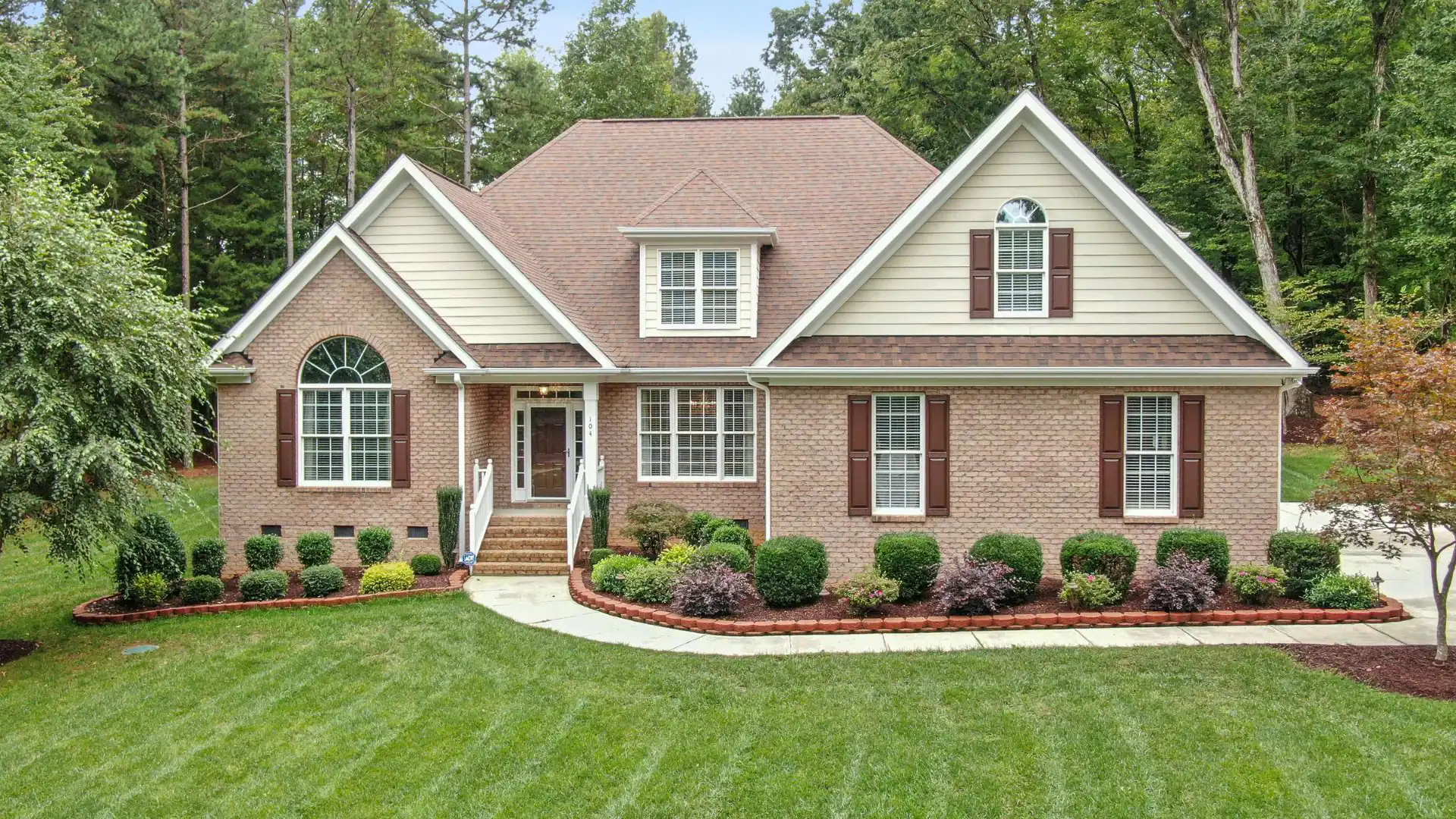
In a market where Commack homes are selling at around $800,000 and moving in under 35 days, your lawn is not a detail it’s part of the investment. A bare or patchy yard after a renovation or new build doesn’t just look unfinished. It pulls down the value of everything you just put money into. A professionally installed lawn closes that gap and makes the whole property feel complete.
Commack’s housing stock is largely from the 1950s through the 1970s, and a lot of those homes are in full renovation cycles right now. That means construction equipment has been through the yard, subsoil has been compacted, and what’s left behind isn’t ready for seed no matter how good the seed is. Getting a lawn to actually establish and hold means starting with what’s underneath, not just what goes on top.
The other thing Commack homeowners deal with is timing. The optimal window for new lawn seeding on Long Island runs from late August through October. Cool soil temps, dropping air temps, less weed competition everything works in your favor during that stretch. Miss it, and you’re either fighting summer heat on a spring install or waiting another full year. Getting the timing right is the difference between a lawn that takes and one that doesn’t.
We’ve been installing lawns on Long Island since the mid-1980s. Not maintaining them installing them. From bare ground, from construction damage, from complete tear-outs. That’s the work we’ve built our entire operation around, and it’s the only thing we do.
Commack sits at the crossroads of the LIE, the Northern State Parkway, and Sunken Meadow State Parkway one of the most centrally positioned communities in western Suffolk County. We’ve worked on properties throughout Commack and this area for decades, on the Haven Loam soil that defines most of Suffolk County, and through every variation of the Long Island climate that makes or breaks a new lawn. We know what this ground needs before anything goes down.
You won’t get a general landscaper who treats installation as a side service. We’re a lawn installation and renovation specialist that’s the whole business. When you call us, you’re talking to someone who has done this hundreds of times and can tell you exactly what your Commack property needs before the first question is even asked.
Most lawn installations that fail don’t fail because of bad seed. They fail because of what didn’t happen before the seed. That’s where we start with a real look at your soil, your grade, your drainage, and what construction or renovation activity has done to the ground underneath.
In Commack, where a lot of properties have gone through significant work additions, pool installs, full exterior renovations the subsoil compaction from heavy equipment is one of the most common reasons a new lawn doesn’t establish. We assess that first. If the ground needs to be broken up, amended, or re-graded, that happens before anything else. We bring in the right topsoil depth for your specific situation and make sure the base is actually ready to support root growth.
Once the ground prep is done, we help you choose the right installation method for your property whether that’s seed, seeding, or sod based on your timeline, your budget, and the specific conditions of your yard. Shaded areas along Commack’s tree-lined streets need shade-tolerant fescue blends. Open, sunny areas need a different approach. We select the right variety for what you actually have, not a one-size answer. And when the work is done, you’ll know exactly what the first 60 days should look like watering schedule, mowing height, traffic restrictions so the investment holds.
Ready to get started?
No two properties in Commack are the same. A home near the Burr Road corridor with mature oak canopy overhead has completely different needs than an open lot off Vanderbilt Parkway that just finished new construction. The method, the seed variety, the soil prep all of it gets determined by what’s actually on your property, not a standard package pulled off a shelf.
Because Commack straddles both the Town of Huntington and the Town of Smithtown, some properties require attention to town-specific grading or drainage considerations before work begins. We’ve worked in both jurisdictions for decades and know how to navigate that without it becoming your problem. New York State also restricts high-phosphorus fertilizer applications to new lawn installations or soil-test-confirmed deficiencies something we follow as standard practice, not an afterthought.
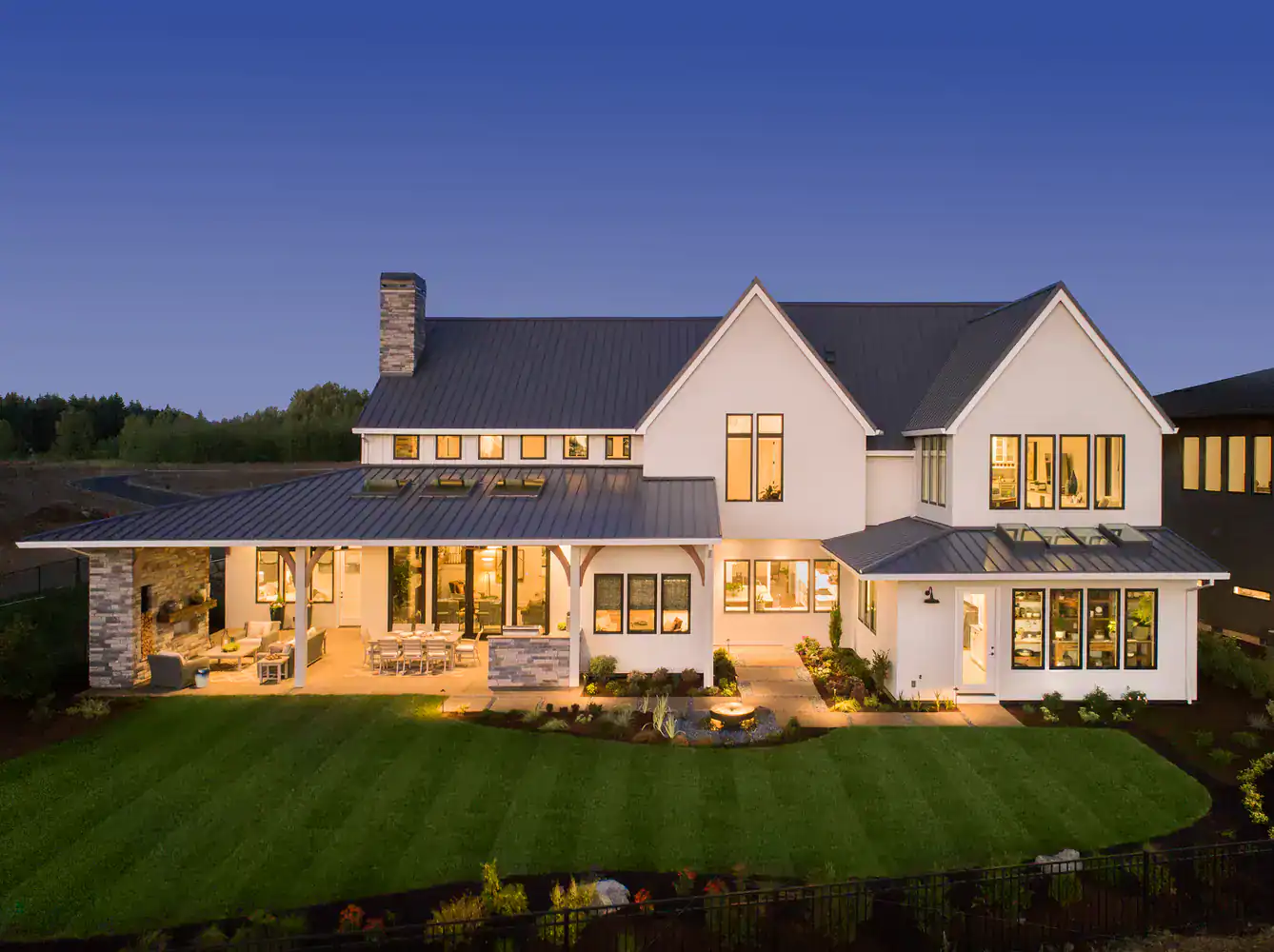
On the installation side, seeding typically runs between $0.50 and $1.00 per square foot, while sod installs run closer to $1.00 to $3.00 per square foot installed. For a Commack property with 6,000 to 8,000 square feet of lawn, that cost difference is real and worth understanding before you decide. We’ll walk you through both options honestly what each one delivers, what the timeline looks like, and which one actually makes sense for your situation. The goal is a finished lawn that looks like it belongs on an $800,000 property, because it does.
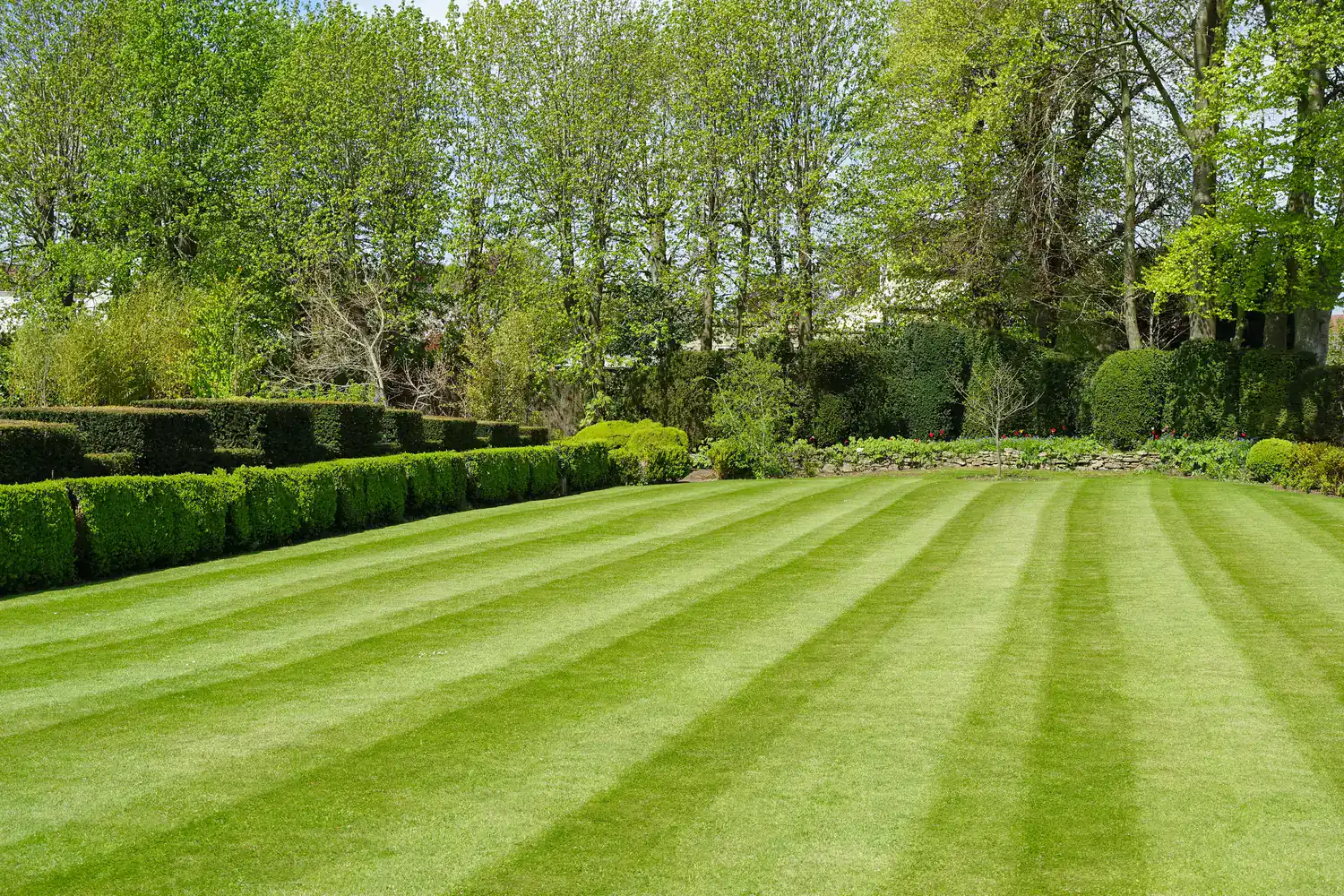
The best window for new lawn seeding in Commack runs from late August through October. During that stretch, soil temperatures are still warm enough to support germination, air temperatures are starting to drop, and weed competition drops off significantly compared to spring. Fall rains also help with natural irrigation during establishment, which reduces the pressure on you to keep up with watering during a critical early period.
Spring installations are possible, but they come with real trade-offs. You’re fighting heavier weed pressure, and a lawn that hasn’t fully established by June is going to face Long Island’s summer heat and humidity before it’s ready. If your Commack project wraps up in spring or early summer, we’ll give you an honest read on whether it makes sense to move forward or wait for the fall window because getting the timing right is one of the most important factors in whether a new lawn succeeds or struggles.
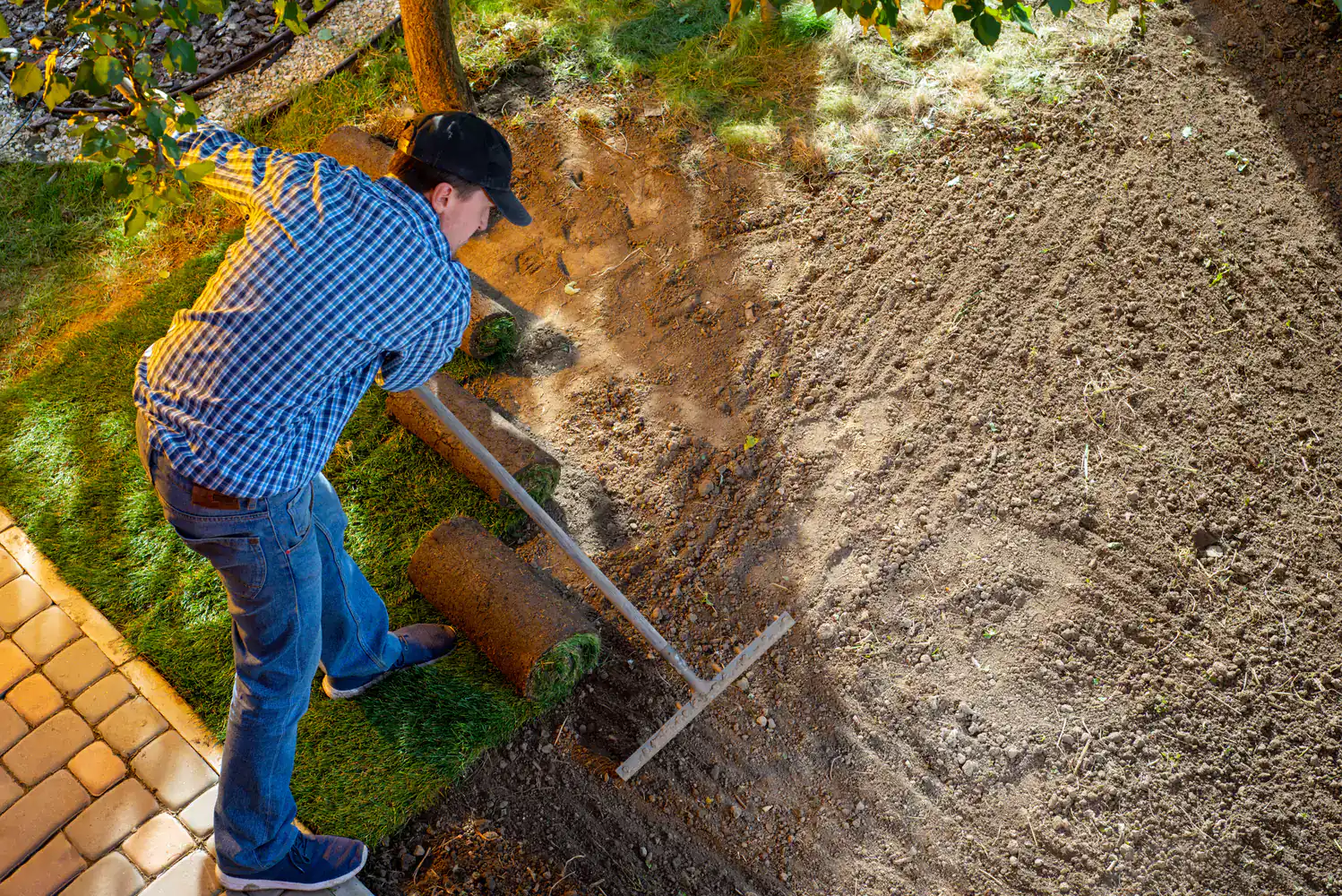
seeding and sod both produce a finished lawn, but they work differently and cost differently. seeding involves spraying a slurry of seed, mulch, fertilizer, and tackifier across prepared ground. It establishes over four to eight weeks and typically runs between $0.50 and $1.00 per square foot. Sod gives you an instant visual result rolls of mature grass laid directly on prepared soil but it costs more, usually between $1.00 and $3.00 per square foot installed, and still requires proper soil preparation underneath to root correctly.
For a typical Commack property with 6,000 to 8,000 square feet of lawn, that price difference can run several thousand dollars. Sod makes the most sense when you have a hard deadline a listing going on the market, a specific event, or a move-in date and need a finished-looking lawn quickly. seeding makes more sense when you have the time to let it establish and want to get the most out of your budget. We’ll tell you which one fits your situation without steering you toward the more expensive option just because it’s available.
Construction activity excavators, concrete trucks, dumpsters, staging areas compacts subsoil to a degree that most homeowners don’t realize until a lawn fails to establish. Compacted subsoil blocks root penetration, disrupts drainage, and creates a layer that water can’t move through properly. Even if you put quality seed on quality topsoil over compacted ground, the lawn will struggle or fail because the roots have nowhere to go.
In Commack, where a large portion of the housing stock is being renovated, expanded, or rebuilt, this is one of the most common situations we walk into. The fix isn’t complicated, but it has to happen before anything else. We break up the compaction, assess how deep the damage goes, and bring the soil profile back to a condition that can actually support a lawn. Skipping that step is the single most common reason a new lawn installation looks fine for a few weeks and then falls apart. We don’t skip it.
It depends on the scope of the work and which side of Commack your property falls on. Because Commack straddles the Town of Huntington and the Town of Smithtown, the applicable regulations vary by location. For standard new lawn installations soil prep, topsoil, seeding permits are generally not required. But if the project involves significant grading changes, drainage modifications, or topsoil import above certain thresholds, one or both towns may require approval before work begins.
The best approach is to confirm with your specific town before any grading work starts, particularly if your project involves a new build or a major renovation where the grade of the property has changed. We’ve been working across both Huntington and Smithtown for close to four decades and are familiar with what typically triggers a permit requirement in each jurisdiction. If there’s any question about your specific property, we’ll flag it early so it doesn’t become a delay.
Commack sits firmly in the cool-season grass zone, which means the right choices are tall fescue, Kentucky bluegrass, and perennial ryegrass either individually or as a blended mix. These grasses thrive in Long Island’s spring and fall, handle the cold winters well, and go semi-dormant during the hottest stretch of summer without dying out. The specific blend that works best for your property depends on sun exposure, soil conditions, and how much foot traffic the lawn will see.
One thing that comes up often in Commack is the tree canopy. The community has significant mature oak coverage along many of its residential streets, and shaded lawn areas need a shade-tolerant fescue blend rather than a standard sunny-area mix. Using the wrong variety in a shaded spot is one of the most common reasons a new lawn thins out and fails within a season or two. We assess your specific conditions before making a variety recommendation not after.
The cost of a new lawn installation in Commack depends on a few key factors: the square footage of the area, the installation method you choose, how much soil preparation is needed, and whether grading or topsoil work is part of the scope. As a general range, seeding runs between $0.50 and $1.00 per square foot, while sod installation typically runs between $1.00 and $3.00 per square foot installed. For a full lawn on a standard Commack lot, a complete new installation including soil prep can range from roughly $3,000 to $12,000 or more depending on the specifics.
What drives cost up most often isn’t the seed or the sod it’s the ground prep. Properties coming out of construction or major renovation in Commack frequently need compaction remediation, re-grading, and topsoil work before anything goes down. That prep work is what determines whether the lawn actually holds, and cutting corners on it is what leads to a second installation a year later. We give you a detailed, itemized quote so you know exactly what you’re paying for and why no vague estimates, no surprises after the work starts.
Useful Links
Other Services we provide in Commack