
Hear from Our Customers
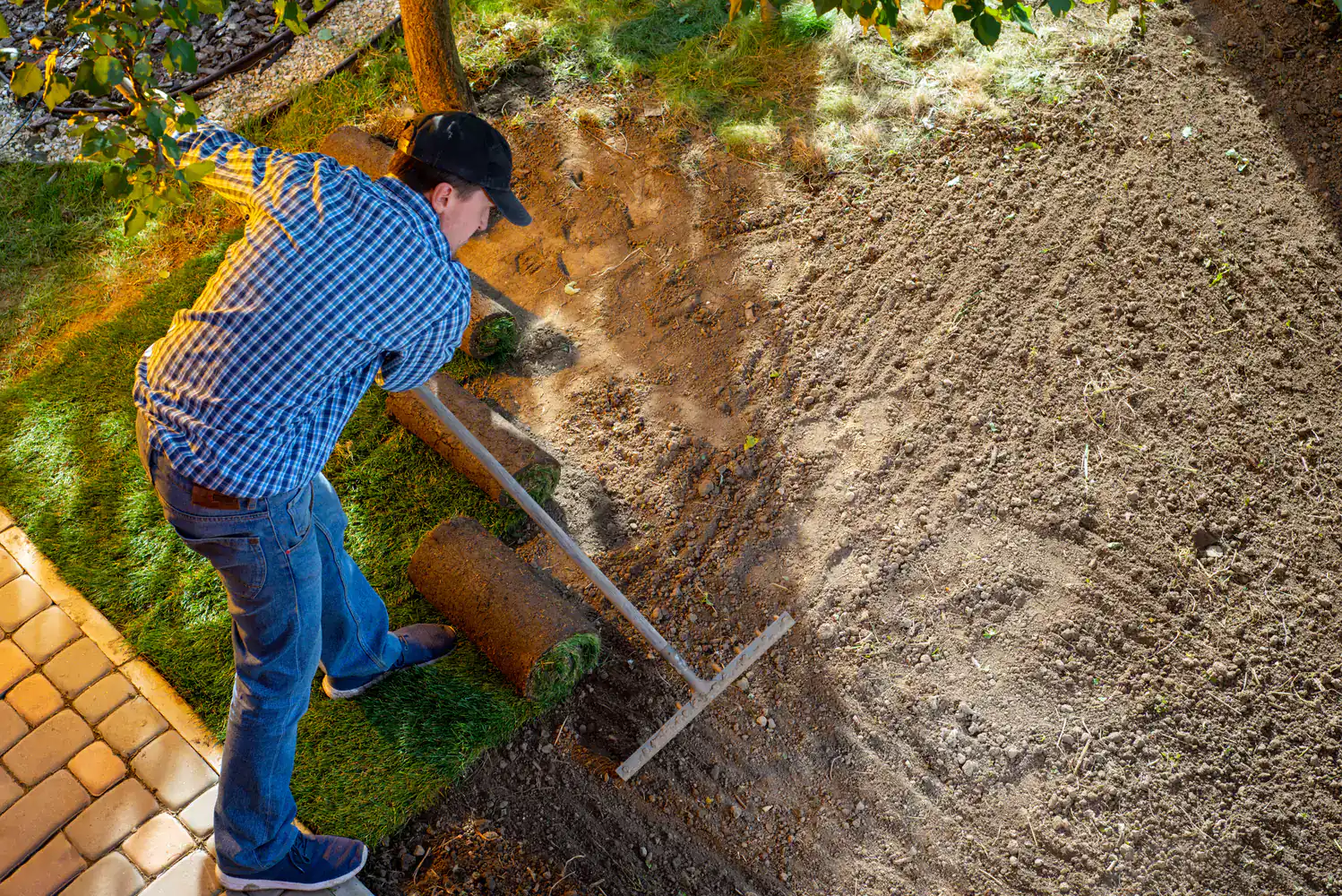
A new lawn isn’t just grass. It’s the difference between a property that looks complete and one that looks like the job isn’t done yet. When you’ve just finished a pool, a patio, or a full exterior renovation in Sayville, the bare ground left behind is the last thing standing between you and a finished property. That’s exactly where we come in.
Sayville sits on the Great South Bay, and the soil here reflects it. The sandy, fast-draining glacial soils common to the South Shore don’t hold moisture the way inland Suffolk County soils do which means a new lawn that isn’t installed with the right prep work often dries out before it ever gets established. Getting the soil right before a single seed goes down is what separates a lawn that takes from one that fails.
Beyond the soil, there’s the reality of what your property represents. Median home values in Sayville are pushing $725,000 and climbing. A well-installed, established lawn protects that number. A patchy, struggling lawn undercuts everything else you’ve done. One professional installation, done correctly the first time, is almost always less expensive than redoing a failed one.
We’re based in Port Jefferson Station and have been installing lawns across Suffolk County since the mid-1980s. That’s not a marketing number it’s the actual amount of time we’ve spent working in the same sandy soils, the same coastal climate, and the same Long Island conditions that define properties here on the South Shore, including Sayville.
This isn’t a landscaping company that also does seeding. Lawn installation and lawn renovation is the core of what we do it’s the whole business. When you call about a new lawn for your Sayville property, you’re talking to someone who has built hundreds of lawns from bare ground across Suffolk County, including South Shore properties where salt air, bay exposure, and fast-draining soils all factor into how the job gets done.
We’re neither a franchise nor a general landscaper. Thirty-eight years as a specialist is a different thing entirely.
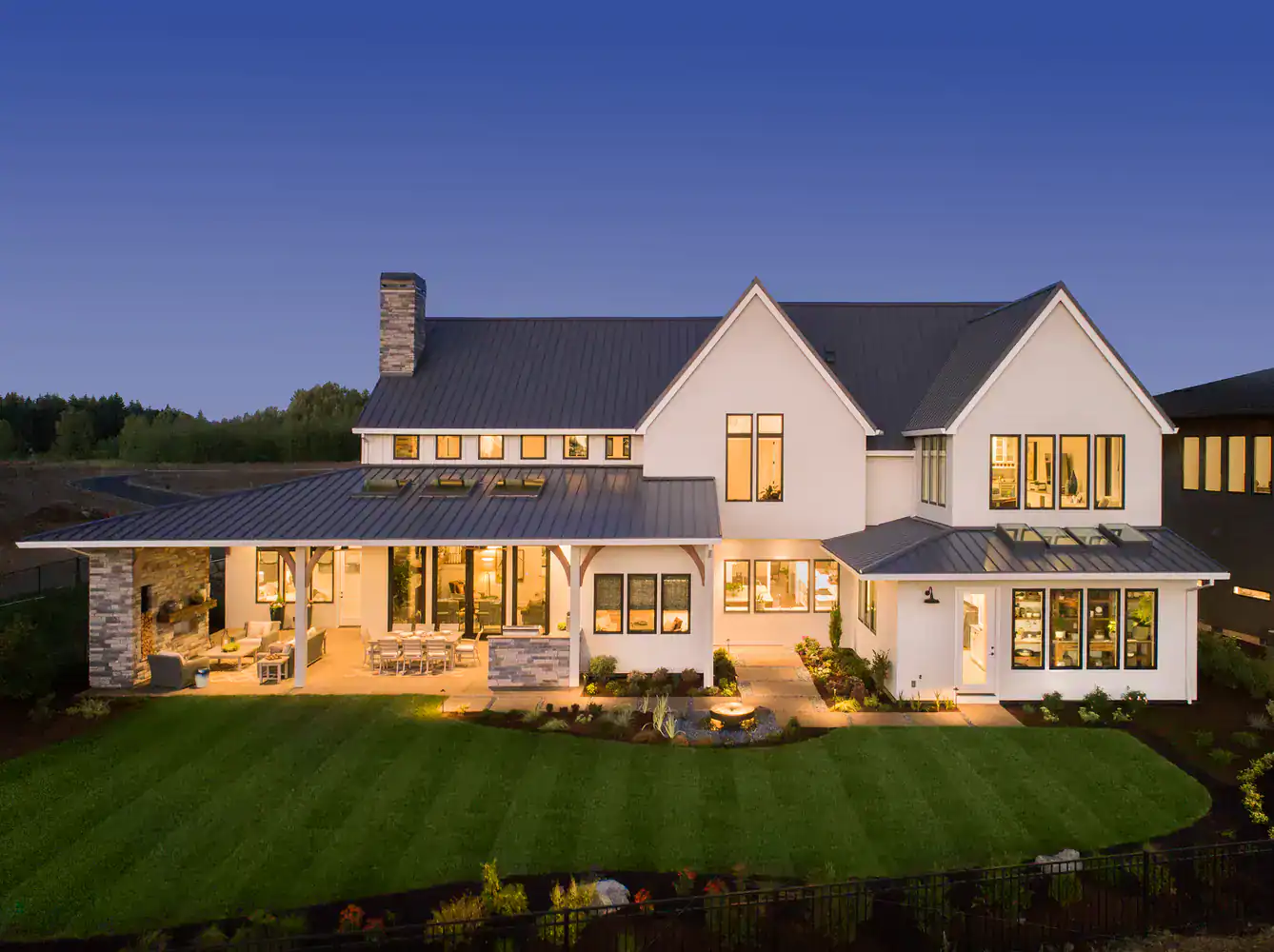
Every new lawn installation starts with an honest look at what you’re working with. For most Sayville properties, that means sandy subsoil and if you’ve had construction activity, it may also mean compacted ground, buried debris, and drainage that’s been disrupted by equipment. Before anything gets seeded or sodded, the site gets assessed and the soil gets tested. You can’t make good decisions about amendments, topsoil depth, or seed selection without knowing what’s actually in the ground.
Once the site is prepped graded, amended, and ready the installation method gets matched to your property. Larger Sayville lots are often better served by seeding, which establishes a stronger root system at a lower cost than sod. Smaller areas, front lawns with tight timelines, or high-visibility spots may call for sod. The right answer depends on your property, your timeline, and your goals not on what’s easiest for the installer.
Timing matters here too. On the South Shore, late August through October is the optimal window for new lawn installation. Soil temperatures are still warm enough for germination, the heat of summer is breaking, and fall rains support establishment before the ground goes dormant. If you’re planning a spring project, that conversation is worth having early so expectations are set correctly.
Ready to get started?
New lawn installation in Sayville isn’t a single task it’s a sequence of decisions and steps that all have to go right. Our process covers the full scope: site evaluation, soil testing, grading and drainage review, topsoil preparation, seed or sod selection matched to your specific conditions, installation, and post-installation guidance on watering schedules, mowing height, and traffic restrictions during establishment.
The soil piece matters more here than in most places. Sayville’s South Shore soils predominantly sandy loam and fast-draining glacial outwash require proper amendment to hold moisture long enough for new grass to root. Properties near the bay or in waterfront neighborhoods like Bayberry Dunes also deal with salt air exposure, which affects which grass varieties will actually perform long-term. These aren’t generic decisions. They’re site-specific calls that require real experience with South Shore conditions.
New York State does permit the use of phosphorus-containing starter fertilizer for new lawn installations one of the few exceptions to the state’s nutrient runoff restrictions and our applicators are NYSDEC-certified for commercial pesticide application in Suffolk County. That matters if your property sits near groundwater zones, which much of Sayville does. You’re getting a licensed, compliant installation not just someone with a spreader and a truck.
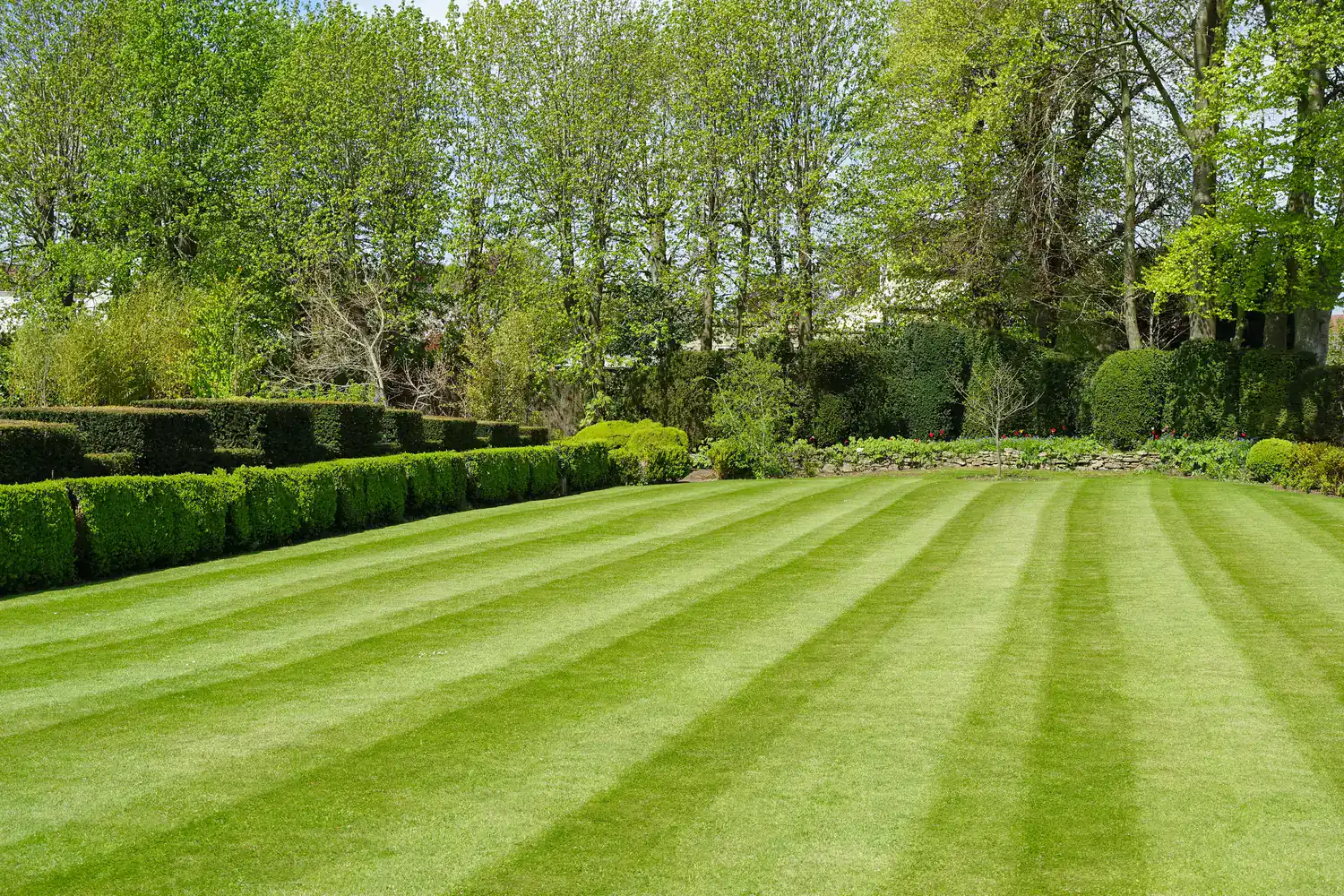
Late August through October is the best window for new lawn installation on Long Island’s South Shore. Soil temperatures are still warm enough to support germination, but the intense summer heat is backing off which matters a lot in Sayville, where sandy soils dry out quickly and summer heat stress can kill a newly seeded lawn before it ever gets established.
Spring installation is possible, but it comes with a real tradeoff. A lawn seeded in April or May has to survive its first summer with Sayville’s South Shore humidity and fast-draining soils before it’s fully established. Fall-seeded lawns go into winter with a head start and come out of dormancy in spring as a functioning lawn. If you’re planning a project, late summer is when you want to be ready to move.
Cost depends on the scope of the project square footage, how much soil prep is needed, whether you’re seeding or sodding, and what condition the ground is in when we start. For a typical Sayville residential property, seed-based installation with full soil preparation runs roughly $3,000 to $8,000. seeding on a larger lot can fall in the $2,500 to $6,000 range. Sod installation, which includes proper soil prep, typically runs $8,000 to $15,000 or more depending on the area covered.
Post-construction installations the kind that follow a pool build or a major renovation often involve grading, debris removal, and topsoil work that adds to the base cost. Those projects can run $5,000 to $15,000 depending on what the site requires. The honest answer is that a proper assessment is the only way to give you a real number, but those ranges reflect what Sayville homeowners typically invest in a from-scratch installation done correctly.
Yes and this is actually one of the most common projects we handle in Sayville. Pool installations leave behind exactly the kind of ground that requires a specialist: compacted sandy subsoil, construction debris mixed into the soil profile, disrupted drainage, and areas where heavy equipment has essentially collapsed the soil structure. Throwing seed on that without addressing what’s underneath is how you end up with a lawn that never fully establishes.
The process starts with a real site assessment what’s in the ground, how the drainage is behaving, what the grade looks like now versus what it should be. From there, the soil gets prepped properly before anything goes down. It takes more time and more work than a standard installation, but it’s the only way to get a lawn that actually performs on a Sayville property after construction. Homeowners who’ve invested in a pool and a patio shouldn’t have to look at bare ground every time they walk outside.
For most Sayville properties, a blend of cool-season grasses is the right call typically a mix of turf-type tall fescue, Kentucky bluegrass, and perennial ryegrass, with the exact ratio depending on your site’s sun exposure, foot traffic, and how close you are to the bay. Tall fescue varieties with good heat and drought tolerance perform particularly well on the South Shore, where sandy soils dry out fast and summer stress is real.
For properties closer to the water in the Bayberry Dunes area or anywhere with consistent bay wind exposure salt tolerance becomes a factor in variety selection. Not every grass handles salt air the same way, and choosing the wrong blend for a waterfront or near-waterfront Sayville property is a mistake that shows up within the first season. This is one of the reasons seed selection shouldn’t be left to a general landscaper who doesn’t specialize in installation.
All three methods can produce a great lawn the difference is cost, timeline, and what makes sense for your specific property. Traditional seeding is the most affordable option and works well when timing is right and the site is properly prepped. The tradeoff is that it takes longer to establish and requires more careful management during the first 60 days.
seeding where a seed and mulch slurry is sprayed across the prepared soil is a strong middle-ground option for larger Sayville lots. It establishes faster than traditional seeding, costs significantly less than sod, and produces a lawn with a strong root system because the grass grows in place. Sod gives you the fastest result and is the right call when you need something established quickly or when a high-visibility area can’t afford the establishment period. For most Sayville properties, seeding hits the best balance of cost and performance but that recommendation always depends on the site.
For seed-based and hydroseeded lawns, you’ll typically see germination within 10 to 21 days depending on soil temperature and moisture. A newly seeded lawn in Sayville needs consistent watering during that first month sometimes twice daily for short periods because the sandy South Shore soils don’t hold moisture long between waterings. Miss that window and germination stalls.
Full establishment meaning the lawn is rooted deeply enough to handle normal foot traffic and mowing usually takes 60 to 90 days for seed-based installations. Sod knits into the soil faster, typically 2 to 4 weeks before light use, though full root establishment takes longer than it looks. We provide specific post-installation guidance on watering schedules, when to mow for the first time, and how long to keep traffic off the lawn because Sayville’s fast-draining soils make the establishment period more demanding than it would be on heavier inland soils, and getting those first 60 days right is what determines whether the lawn succeeds long-term.
Useful Links
Other Services we provide in Sayville