
Hear from Our Customers
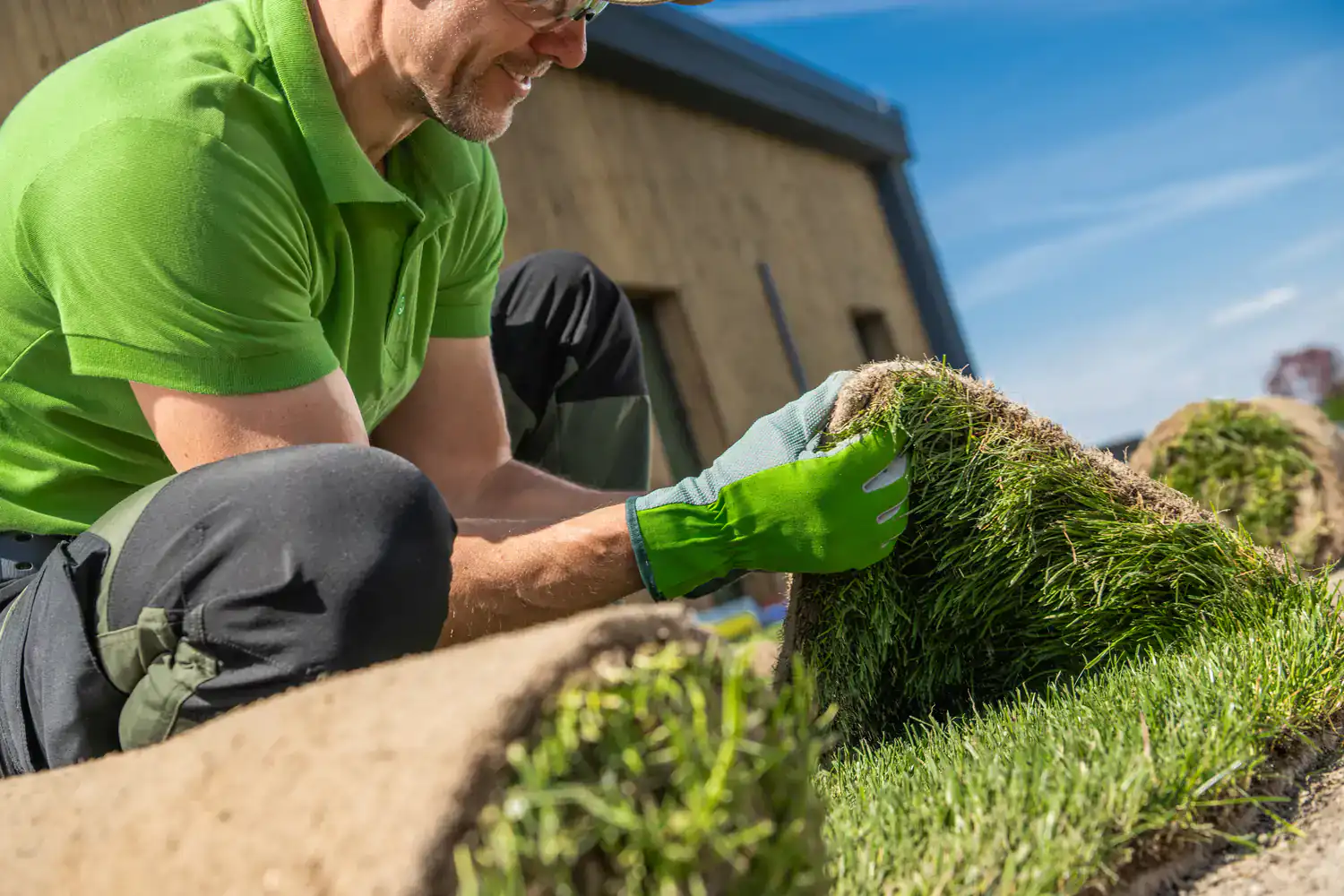
When lawn seeding is done right the right seed, the right prep, the right timing you stop playing catch-up every fall. You get a lawn that’s thick enough to crowd out weeds, deep-rooted enough to handle Bayport’s fast-draining sandy soils, and dense enough to resist the fungal pressure that rolls in every July and August off the Great South Bay.
Bayport’s glacial outwash soils drain faster than most of Long Island. That’s great for your basement, but it’s brutal on grass seed that hasn’t been given a real chance to establish. Without proper soil preparation and seed-to-soil contact, moisture disappears before germination ever gets going which is exactly why that bag of seed from the hardware store never worked the way you hoped.
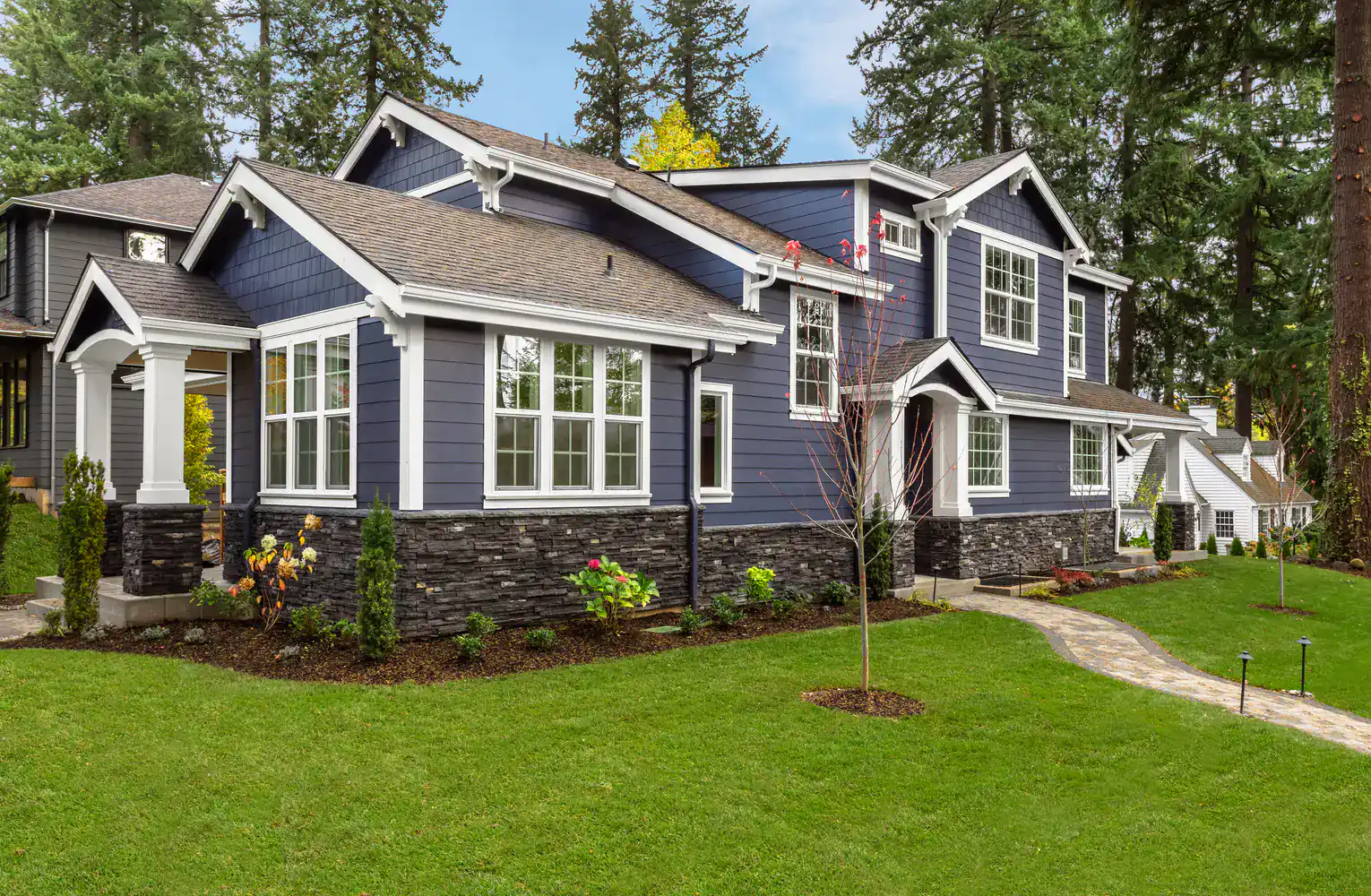
Homes in Bayport many of them sitting at $700,000 and up deserve a lawn that matches the property. A thin, tired lawn doesn’t just look bad. It’s the first thing buyers, neighbors, and appraisers notice. Getting it right means selecting grass varieties calibrated for South Shore conditions, timing the seeding to Bayport’s specific soil temperature window, and making sure the ground is actually ready to receive seed before a single blade goes down.
We’ve been working Bayport lawns long enough to know that what works in Commack or Smithtown doesn’t automatically translate to our area. The sandy loam soils down here near the bay behave differently they warm faster in spring, drain faster after rain, and they’ll expose every shortcut in a seeding program within one growing season.
We serve homeowners throughout the South Shore, from Sayville and Blue Point to Oakdale and beyond. That means we’re not guessing at what Bayport lawns need we’ve seen the salt spray damage on properties near Browns River, the compaction issues on older lots off Montauk Highway, and the summer burnout that hits lawns without the right root depth. That experience shapes every seeding program we put together.
When you call Lawn Master, you’re getting a team that treats your lawn like a long-term investment, not a one-time job.
It starts with an honest look at what you’re working with. Before any seed goes down, we assess your soil pH levels, compaction, existing thatch, and drainage patterns. Bayport’s sandy soils tend to acidify over time, and a pH that’s off will lock out nutrients even from premium seed. If lime correction is needed, it happens before seeding, not as an afterthought.
For existing lawns that have thinned out over time, we perform core aeration. This is the step most DIY attempts skip, and it’s the one that makes the biggest difference. Aeration pulls plugs from the soil, opening channels that allow seed to make direct contact with the ground beneath which is where germination actually happens. On Bayport’s older, established properties where lawns have been walked on and mowed for decades, that compaction layer is real, and breaking through it changes everything.
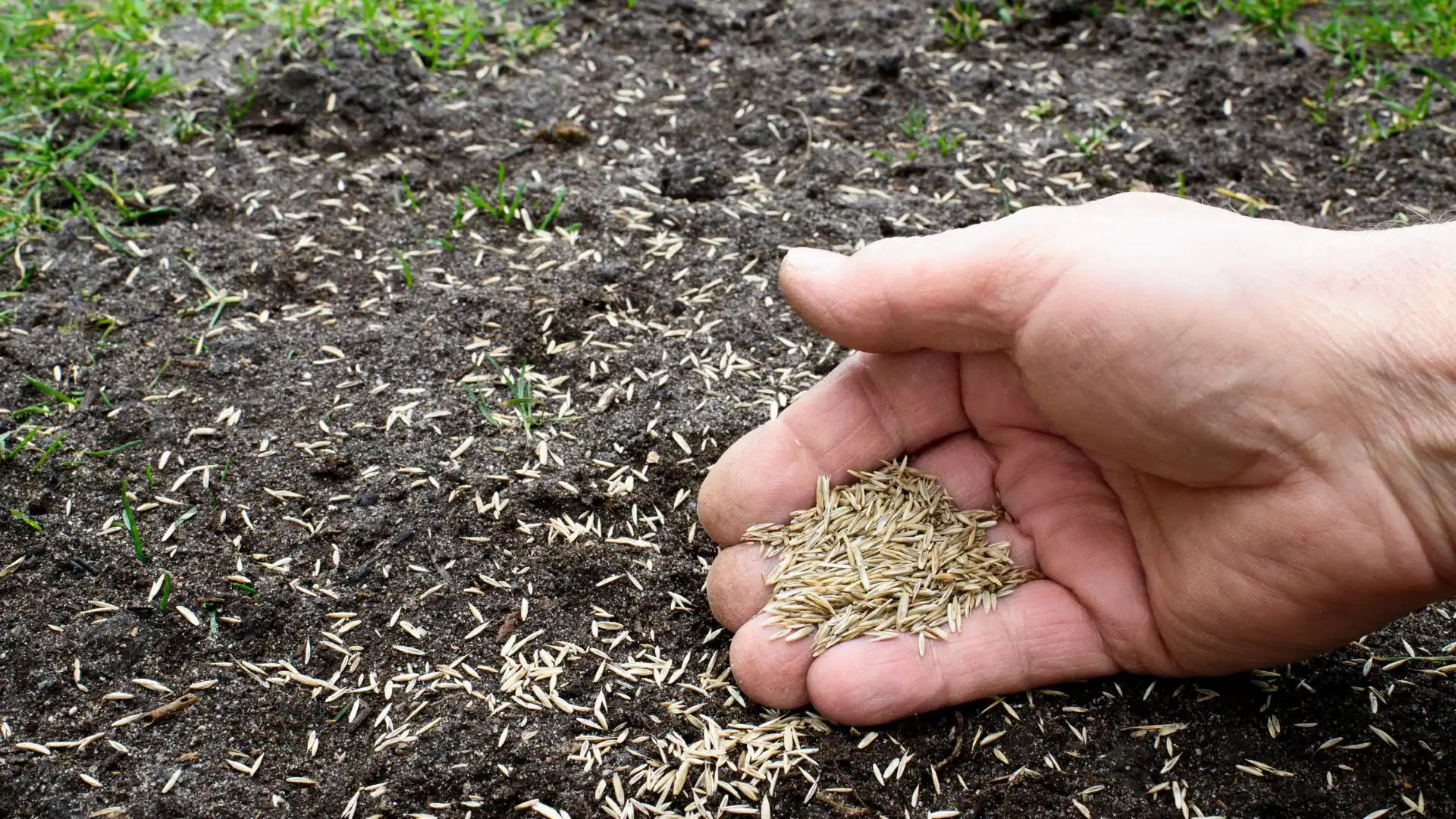
Then comes the seeding itself. For bare or heavily disturbed ground after a pool installation, a renovation, or a septic replacement we use seeding to apply seed, starter fertilizer, and a moisture-retaining mulch matrix in one pass. For overseeding existing turf, we follow aeration with broadcast seeding. Fall is the preferred window in Bayport, typically late August through mid-October, when our sandy soils are still warm enough to germinate seed but the air has cooled enough to protect new growth. We time every job to that window not to a generic Long Island calendar.
Ready to get started?
Not all grass seed performs the same in Bayport. Properties closer to the Great South Bay deal with salt spray that quietly degrades grass varieties without strong coastal tolerance. Inland lots along Nicolls Road or near the Bayport Aerodrome face different conditions more shade from mature trees, more foot traffic wear, different drainage patterns. We select seed blends based on your specific property, not a one-size-fits-all formula.
For most Bayport lawns, that means a premium blend of turf-type tall fescue for deep root development and drought tolerance, perennial ryegrass for fast germination and early establishment, and Kentucky bluegrass where density and long-term color are the priority. These aren’t commodity varieties they’re turf-grade cultivars selected for Long Island’s South Shore climate, with disease resistance built in to handle the humidity and fungal pressure that hits every summer.
It’s also worth knowing that properties near the bay and Browns River fall under Suffolk County fertilizer application guidelines, which restrict certain applications near surface water. Our programs are built in full compliance with those regulations. For homeowners near the water in Bayport who care about the bay as much as they care about their lawn, that’s not a footnote it’s part of how we do the job.
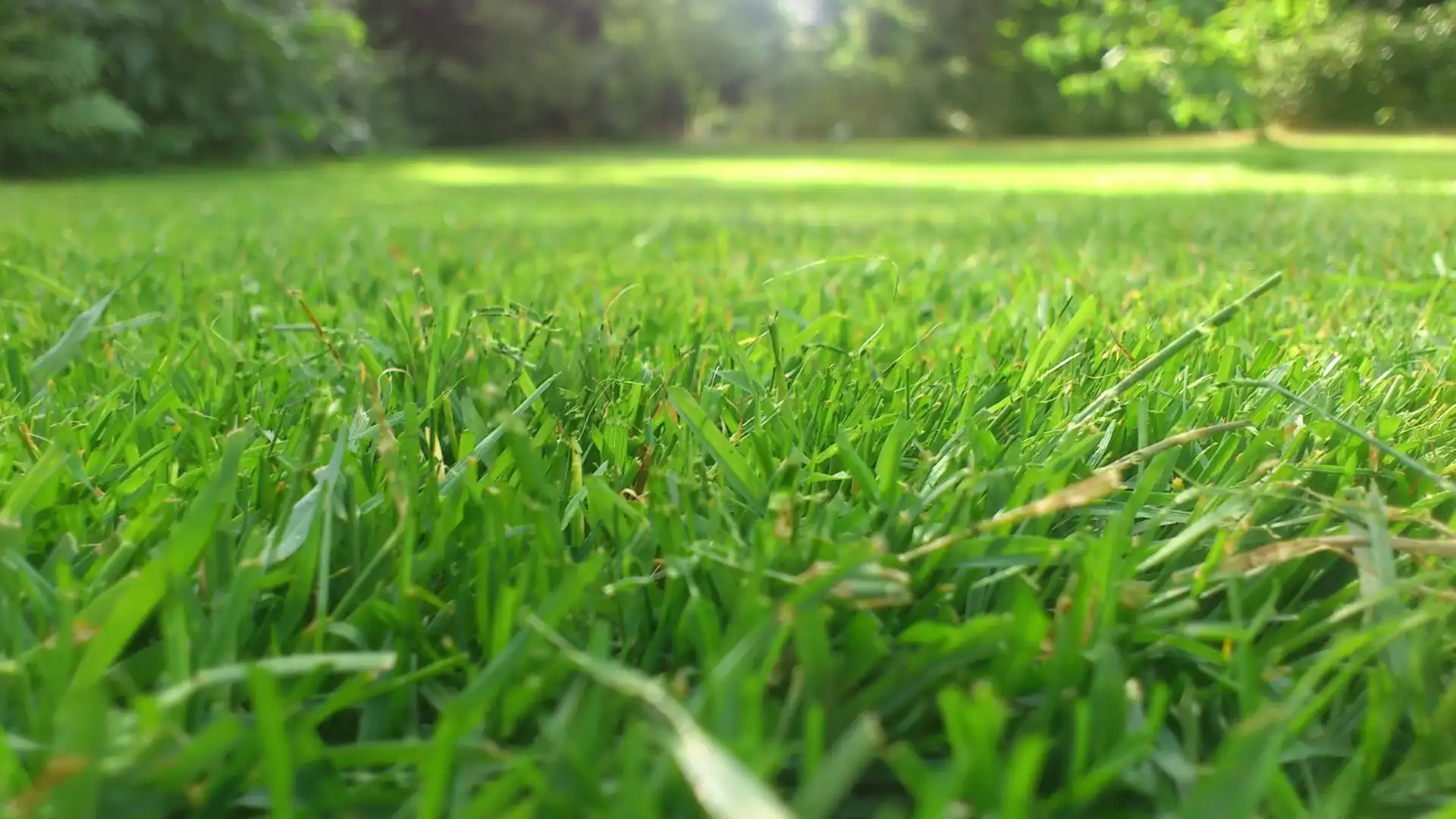
Fall is the strongest window for lawn seeding in Bayport generally late August through mid-October. During this stretch, the soil is still warm enough to support germination (you need soil temps above 50°F), but the air has cooled down enough that new seedlings aren’t getting cooked by summer heat. That combination is what cool-season grasses need to establish properly before the first frost.
What makes Bayport slightly different from the rest of Long Island is the soil. Sandy glacial outwash soils warm up faster in spring and cool down faster in fall than the heavier soils you’d find on the North Shore. That means the timing window here can shift by a week or two compared to generic Long Island seeding calendars. Spring seeding is possible, but it’s a harder path you’re racing against crabgrass germination and summer heat stress. For most Bayport homeowners, fall seeding is the smarter investment.
A few things tend to compound on each other in Bayport specifically. The sandy loam soils here drain fast and don’t hold moisture well, which stresses grass roots during dry summer stretches. Add in the humidity that rolls in off the Great South Bay, and you’ve got the exact conditions that cause dollar spot, brown patch, and pythium blight to take hold in lawns that aren’t dense enough to fight back.
Thin turf is vulnerable turf. When your Bayport lawn doesn’t have the root depth or canopy density to handle heat and humidity, disease and drought stress fill in the gaps literally. The fix isn’t more fertilizer or more watering. It’s getting the lawn thick enough through professional overseeding with disease-resistant grass varieties that the turf can defend itself. A properly seeded Bayport lawn with the right cultivars and enough density handles South Shore summers very differently than one that’s been limping along on marginal seed and skipped prep work.
Overseeding means introducing new seed into an existing lawn the grass is still there, but it’s thin, worn, or patchy, and you’re adding density without starting over. New lawn seeding (or lawn renovation seeding) is for situations where you’re working with bare or heavily disturbed ground after a pool dig, a grading project, a septic replacement, or a full lawn failure where there’s little to nothing left worth keeping.
The process differs significantly. Overseeding typically pairs with core aeration to create seed-to-soil contact in an existing turf canopy. New lawn seeding on bare ground often uses seeding a process that applies seed, starter fertilizer, and a moisture-holding mulch matrix in one application, which is especially effective on Bayport’s fast-draining sandy soils where bare seed would dry out quickly without that protective layer. Both approaches require soil preparation and proper timing, but the right method depends entirely on what you’re starting with.
There are no permits required for lawn seeding itself, but if your property is near the Great South Bay, Browns River, or another surface waterway in Bayport, Suffolk County’s fertilizer regulations do apply to any fertilization that’s part of your seeding program. These rules restrict nitrogen and phosphorus applications within certain setback distances from surface water and include seasonal blackout periods for application near waterways.
For most Bayport homeowners, this is a background compliance issue you won’t need to do anything special, but your lawn care provider needs to know these rules and design your program around them. Our seeding and fertilization programs are built with these regulations in mind. If you’re on a waterfront lot in South Bayport or near the Blue Point Association waterfront area, it’s worth asking any provider you’re considering whether they’re familiar with Suffolk County’s near-water application requirements before you sign anything.
With fall seeding under good conditions warm soil, consistent moisture, proper seed-to-soil contact you can expect to see germination begin within 7 to 21 days depending on the grass variety. Perennial ryegrass is the fastest, often showing visible growth within 7 to 10 days. Turf-type tall fescue typically follows within 10 to 14 days. Kentucky bluegrass takes the longest, sometimes 21 days or more, but it fills in with exceptional density once established.
What most Bayport homeowners don’t expect is that the lawn won’t look “finished” until the following spring. Fall seeding establishes the root system before winter the real above-ground payoff comes when that root-established turf pushes through in spring with density and color that a thin lawn never had. Managing that expectation upfront matters. The first fall after seeding, you’re building the foundation. The spring after that is when you see what you actually grew.
The honest answer depends on what you’ve already tried. If you’ve never seeded before and your lawn is only mildly thin, a careful DIY approach with quality seed and proper timing can work. But most Bayport homeowners who call us have already tried the DIY route sometimes more than once and are dealing with the same result: uneven germination, patchy coverage that fills back in with weeds, or seed that simply never took.
The gap between DIY seeding and professional seeding in Bayport isn’t just about equipment. It’s about soil assessment, pH correction, seed variety selection for South Shore conditions, aeration timing, and the kind of aftercare guidance that makes the difference between seed that establishes and seed that fails. On a property worth $700,000 or more, the cost of professional lawn seeding in Bayport is a small fraction of your overall investment and it’s the kind of work that, done right, you won’t need to redo every other year.
Useful Links
Other Services we provide in Bayport