
Hear from Our Customers
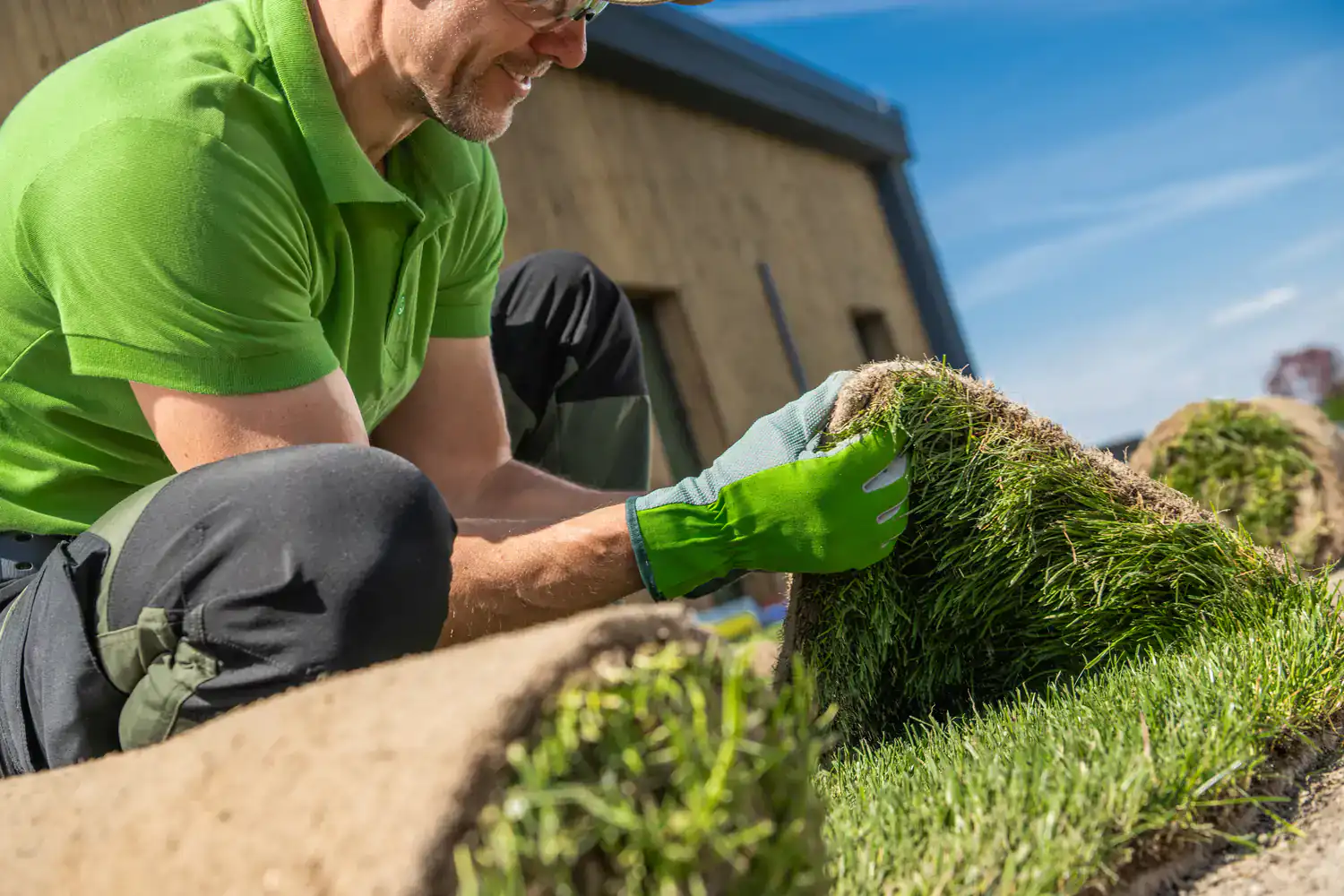
When the seeding is done right, you stop chasing the same bare patches every season. You get a lawn that fills in, holds its color through the heat, and doesn’t look like it’s fighting to survive by August. That’s the difference between throwing seed at a problem and actually solving it.
Commack’s housing stock skews older a lot of homes here were built in the 1950s through the 1970s, and those lawns have been compacted, thatch-loaded, and worn down for decades. Seed dropped on top of that kind of ground without any preparation isn’t going to establish. It needs aeration, it needs pH correction, and it needs the right variety for this specific climate zone. That’s what changes the outcome.
Inland Suffolk County also runs hotter and drier in summer than the coastal towns, which means your lawn takes more stress between June and September than most homeowners expect. The grass varieties we use tall fescue, Kentucky bluegrass, and perennial ryegrass are selected specifically because they’re proven performers in Long Island’s cool-season climate. They’re built for this, not adapted from somewhere else.
We’re a Suffolk County lawn seeding operation not a national franchise running a standardized program, and not a general landscaper who seeds as an afterthought. Every job we do in Commack is built around the specific conditions of the property in front of us, and that matters more in a place like this than most people realize.
Soil in Commack doesn’t behave uniformly. Even within the neighborhoods off Jericho Turnpike and the residential streets near Hoyt Farm, you can go from fast-draining sandy ground to dense clay that compacts under foot traffic and freeze-thaw cycles within a few streets of each other. We’ve worked enough properties in northwest Suffolk County to know that a one-size approach doesn’t hold up here.
We also know the regulatory side. Suffolk County’s fertilizer regulations under Chapter 459 and New York State’s nutrient runoff law both shape how and when a seeding program can include fertilization. We build our programs around those rules, not around them.
It starts with an honest look at what you’re working with. Before any seed goes down, we evaluate your soil compaction levels, pH, drainage, thatch depth, and the condition of whatever turf is already there. In Commack’s older neighborhoods, compaction is almost always part of the picture, and skipping that step is why most seeding jobs fail. If the ground needs core aeration first, we say so.
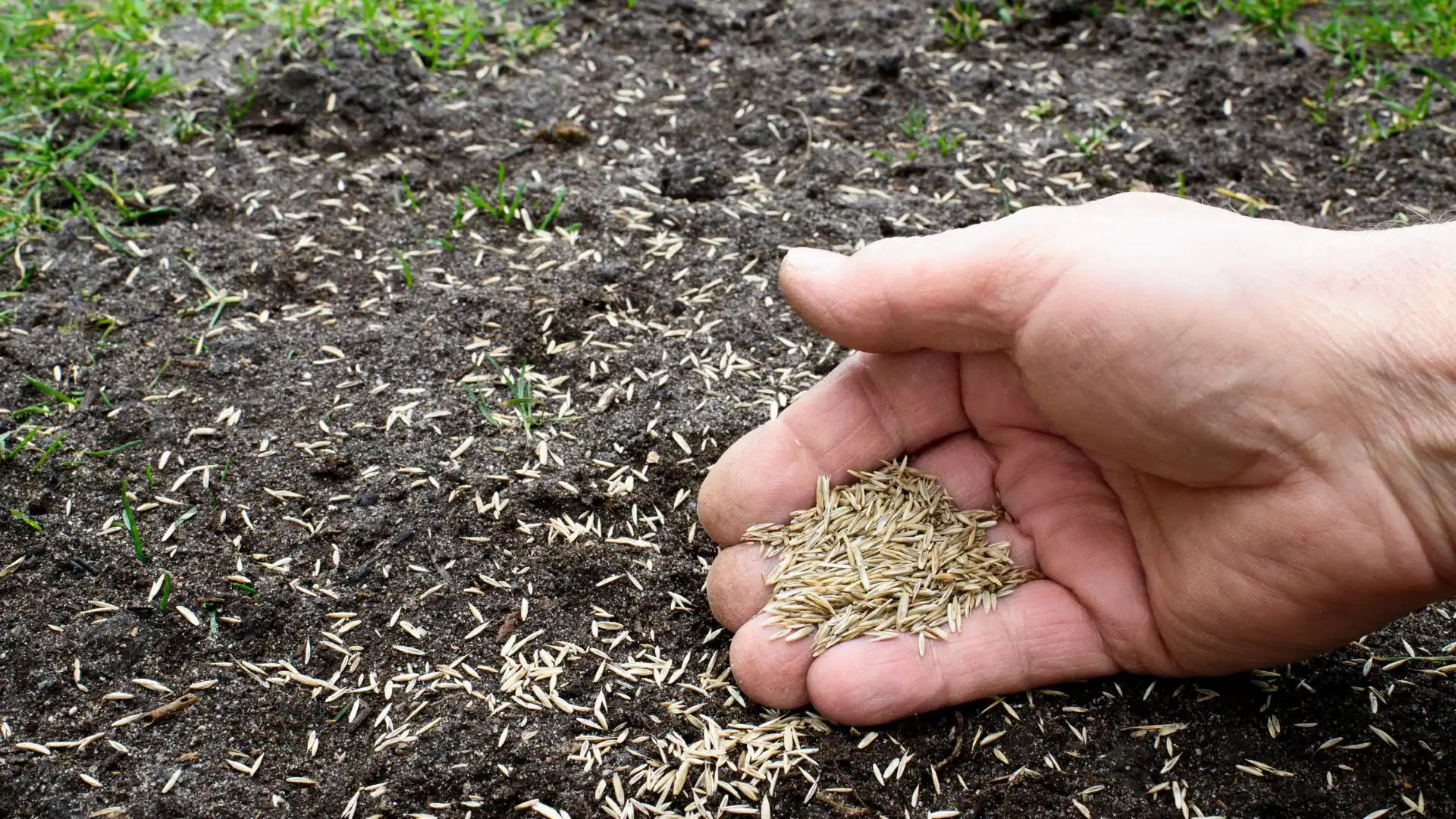
Once the soil is ready, we select the right seed mix for your specific conditions. Full-sun areas in Commack respond well to Kentucky bluegrass for premium density. Shaded or mixed-exposure areas get tall fescue, which handles drought and lower light better than most cool-season grasses. Perennial ryegrass fills in quickly and blends the mix together. We use professional-grade seed with verified germination rates not the generic blends you find at a big-box store.
Timing is built into the program. The prime window for lawn seeding in Commack runs from late August through mid-October. Soil temperatures are still warm enough to drive germination, air temperatures are dropping, and weed competition is at its lowest point of the year. That’s the window we work in, and we’ll tell you exactly what to expect at 30, 60, and 90 days so you’re not guessing.
Ready to get started?
Our lawn seeding program in Commack covers the full scope not just the seed drop. You get a soil assessment upfront, core aeration where compaction is a factor, pH evaluation and amendment where needed, and professional-grade seed applied at the correct rate for your lawn’s size and condition. Post-seeding, you’ll receive clear care instructions: when to water, how long to hold off on mowing, and what normal establishment looks like so you’re not second-guessing every day.
For homeowners with an existing lawn that’s thinned out over time from grub damage, drought stress, or just years of wear our overseeding service introduces new premium grass varieties directly into your existing turf. No full renovation, no tearing everything out. It’s the most cost-effective path to a denser, healthier lawn when the underlying structure is still sound.
We also serve homeowners who need a full new lawn from seed bare or near-bare ground that needs complete establishment. Both programs are structured around Suffolk County’s fertilizer regulations, which restrict nitrogen application between December 1st and April 1st under New York State law. That compliance is built into the schedule from the start, not figured out after the fact.
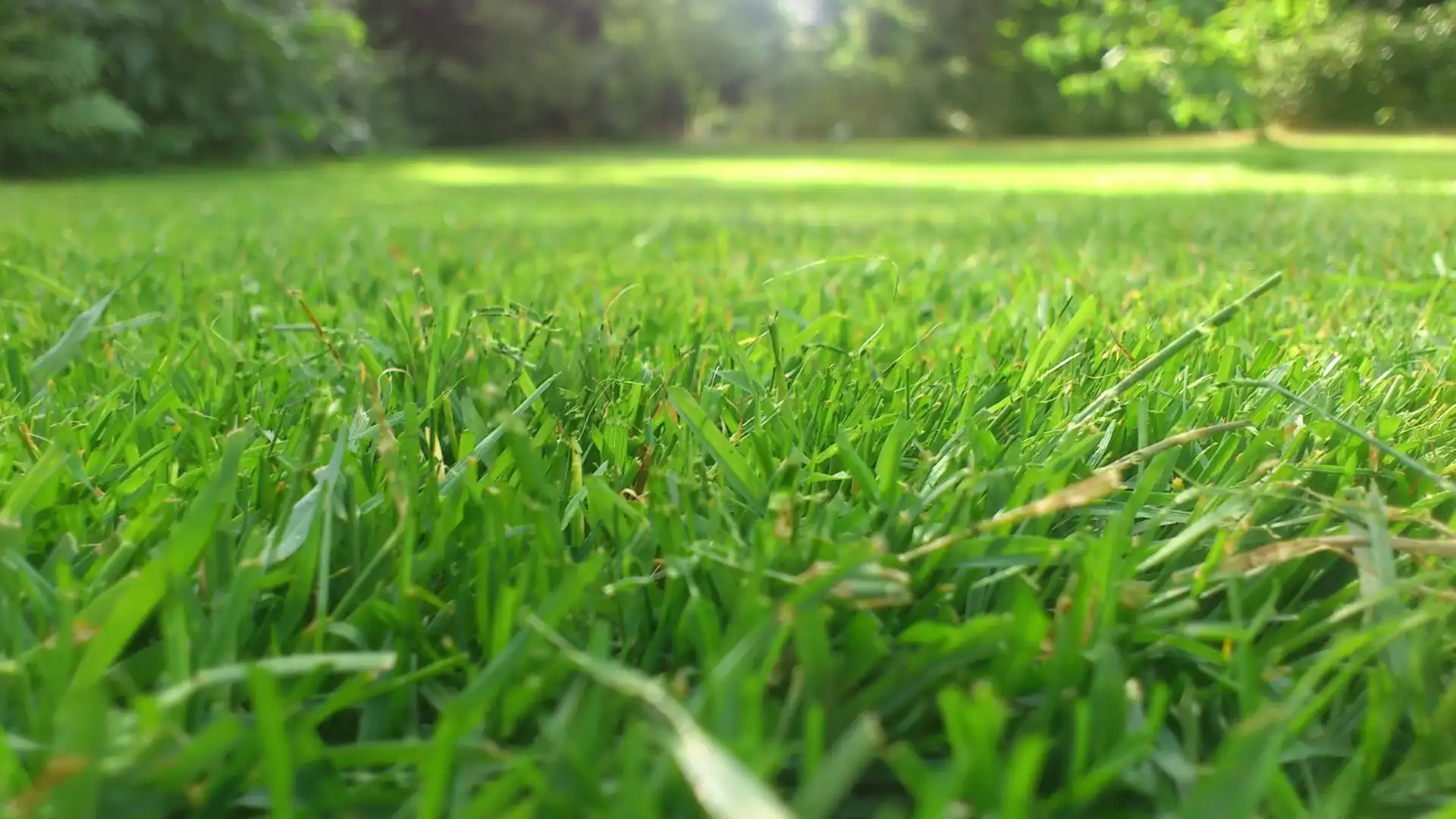
The best window for lawn seeding in Commack runs from late August through mid-October, and it’s not a close call fall is significantly more effective than spring for cool-season grass establishment on Long Island. During this period, soil temperatures are still warm enough to support germination while air temperatures are dropping, which reduces stress on new seedlings. Weed competition also drops off sharply in the fall compared to spring, which means your new grass isn’t fighting crabgrass and other warm-season weeds for space and resources right out of the gate.
Spring seeding is possible roughly April through early May but it’s a shorter, less forgiving window. Temperatures climb fast in Commack and the surrounding area, and once soil temps push past 65°F, cool-season grass establishment slows down considerably. Crabgrass pre-emergent treatments also complicate spring seeding because you generally can’t apply them and seed at the same time. If you’re serious about results, the fall window is where you want to act.
For lawns in Commack, the right seed mix depends on your specific sun exposure and soil conditions, but the core cool-season varieties for Long Island are tall fescue, Kentucky bluegrass, and perennial ryegrass. Tall fescue is the workhorse it handles drought stress better than most cool-season grasses, adapts to both sun and partial shade, and holds up through the kind of summer heat that inland Suffolk County gets. If your lawn gets full sun and you want the densest, darkest green appearance, Kentucky bluegrass is the premium choice. Perennial ryegrass germinates faster than either of those and is typically blended in to speed up initial establishment.
What you want to avoid is the generic seed blends sold at hardware stores and big-box retailers. Those mixes often contain low-grade varieties with poor germination rates, high filler content, and varieties that aren’t well-suited to Long Island’s climate. Professional-grade seed comes with verified germination data and variety specifications that’s a real difference in outcome, not a marketing distinction.
For most Commack properties, aeration before seeding isn’t optional it’s the step that makes everything else work. Commack’s housing stock is largely 1950s through 1970s construction, which means a lot of these lawns have been compacted by decades of foot traffic, freeze-thaw cycling, and regular mowing on the same ground year after year. Compacted soil prevents seed from making proper contact with the earth beneath it, blocks water and air from reaching the root zone, and causes runoff instead of absorption. Seed dropped on top of compacted ground without any preparation has a very low success rate, regardless of how good the seed is.
Core aeration pulls small plugs of soil from the ground, which breaks up compaction, reduces thatch, and creates small pockets where seed can settle in and make direct soil contact. That contact is critical for germination. If your lawn has visible thinning, heavy foot traffic areas, or soil that feels hard underfoot, aeration should be part of the plan before any seed goes down.
Lawn seeding costs in Suffolk County vary based on the size of the area being seeded, the condition of the soil, and whether the job includes preparatory work like aeration and pH amendment. For a typical residential property in Commack, a professional overseeding program including soil assessment, aeration, and premium seed application generally runs in the range of a few hundred dollars for smaller lawns up to $800 or more for larger properties requiring full preparation and multiple passes. Full new-lawn establishment on bare or near-bare ground typically costs more because of the additional prep work involved.
What’s worth keeping in mind is that Commack homes carry significant value median household incomes here are well above the Suffolk County average, and home values reflect that. A professionally seeded lawn that establishes correctly and holds through multiple seasons is a meaningful return on that investment, both in curb appeal and in avoiding the cost of repeated failed attempts. Getting it done right the first time is almost always less expensive than doing it twice.
Sod gives you an instant lawn you install it and it looks finished the same day. Seeding takes longer to establish, typically 60 to 90 days before the lawn looks full, but it produces a root system that’s significantly deeper and more durable than sod. Sod roots are shallow at installation and take time to integrate with the soil beneath, and if the soil conditions aren’t right which in Commack often means compaction or pH issues sod can fail just as easily as seed if the ground isn’t properly prepared first.
Cost is also a real factor. Sod installation runs substantially higher than professional seeding for the same square footage, and in a place like Commack where many lawns are large enough that the price difference is significant, seeding is often the more financially sensible path when you’re not under a hard deadline. If you’re preparing a property for a fast sale or need an immediate visual result, sod makes sense. If you’re investing in the long-term health and density of your lawn, professional seeding with proper soil preparation typically produces a better outcome.
Yes but the grub problem has to be addressed first, or the seeding won’t hold. Grub damage is a documented issue in Suffolk County, particularly from Japanese beetle larvae that feed on grass roots just below the soil surface. The damage shows up as irregular bare patches where the turf lifts away from the ground because the roots have been destroyed. If you seed over active grub damage without treating the underlying infestation, the new grass will face the same root destruction and the bare patches will return.
Once the grub issue is under control, professional overseeding is an effective and cost-efficient way to restore those areas without tearing out the entire lawn. We assess the extent of the damage, prepare the affected soil, and introduce the right seed mix to match your existing turf as closely as possible. In Commack, where lawns have often been established for 40 or 50 years, matching the surrounding grass variety matters a mismatched patch stands out visually even after it fills in. Getting the variety selection right from the start is part of what makes the restoration look seamless.
Useful Links
Other Services we provide in Commack