
Hear from Our Customers
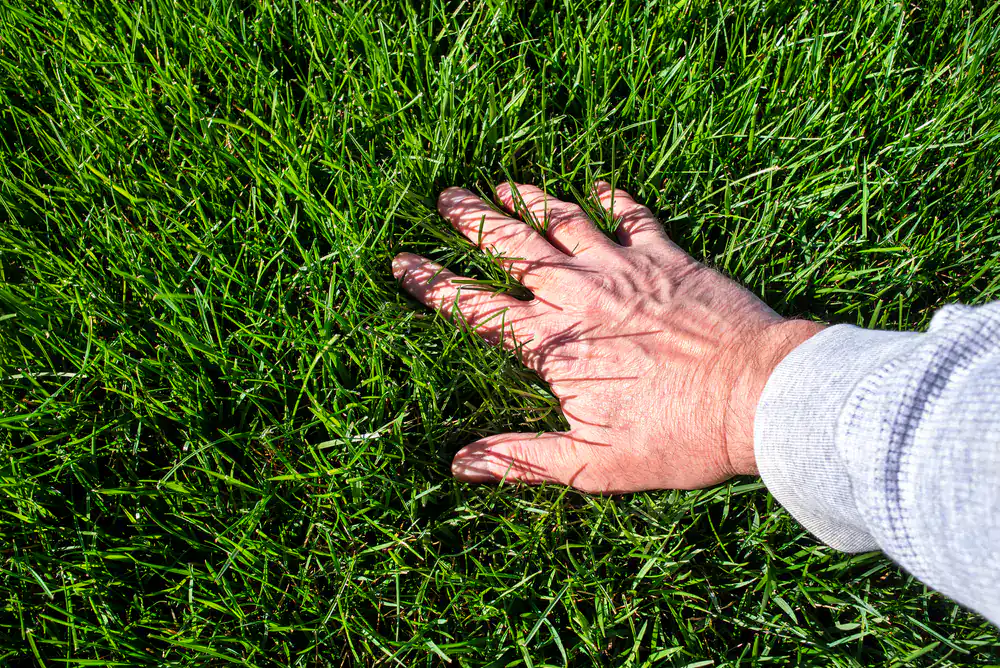
If your lawn has been fertilized year after year and still looks thin, yellow, or overrun with weeds, the problem probably isn’t what you’re putting on it it’s what the soil is doing to it before your grass ever gets a chance to absorb anything. When soil pH falls outside the optimal range, nitrogen, phosphorus, and potassium become chemically unavailable to grass roots. The fertilizer is there. The grass just can’t use it.
Bayport sits on Long Island’s South Shore, and the sandy, porous soils here naturally drift acidic often landing in the 4.8 to 5.5 range without treatment. Cornell Cooperative Extension data puts the target for Long Island turf at 6.3 to 6.5. That gap is why so many lawns in Bayport look like they’re struggling despite regular care. Once pH is corrected, the nutrients already in your soil become available again, and everything you’ve been applying finally has somewhere to go.
There’s also the bay to consider. Bayport’s proximity to the Great South Bay means salt-laden air drifts inland regularly, depositing sodium into the soil and displacing the calcium and magnesium your grass depends on. Lime application particularly calcitic lime replenishes calcium directly and helps counteract that coastal salt buildup. It’s a challenge specific to waterfront South Shore communities like Bayport, and it’s one that a generic fertilization program won’t address on its own.
We’re a Suffolk County lawn care company based in Port Jefferson Station, serving homeowners across the South Shore including Bayport and the surrounding Islip Township communities. This isn’t a national franchise running the same playbook on every lawn from here to the Hamptons. We’re a local operation that understands what Long Island soil actually does, and what it takes to fix it.
Bayport’s housing stock tells a real story a lot of these properties have been here since the 1940s and 1960s, and some of the older homes south of Middle Road are pushing a century. Decades of rainfall, fertilization, and organic decomposition without pH correction means many of these lawns in Bayport have been quietly drifting acidic for years. Our approach starts with a soil test, not assumptions. You get a real diagnosis before anything goes down, and a plan that’s based on what your lawn actually needs.
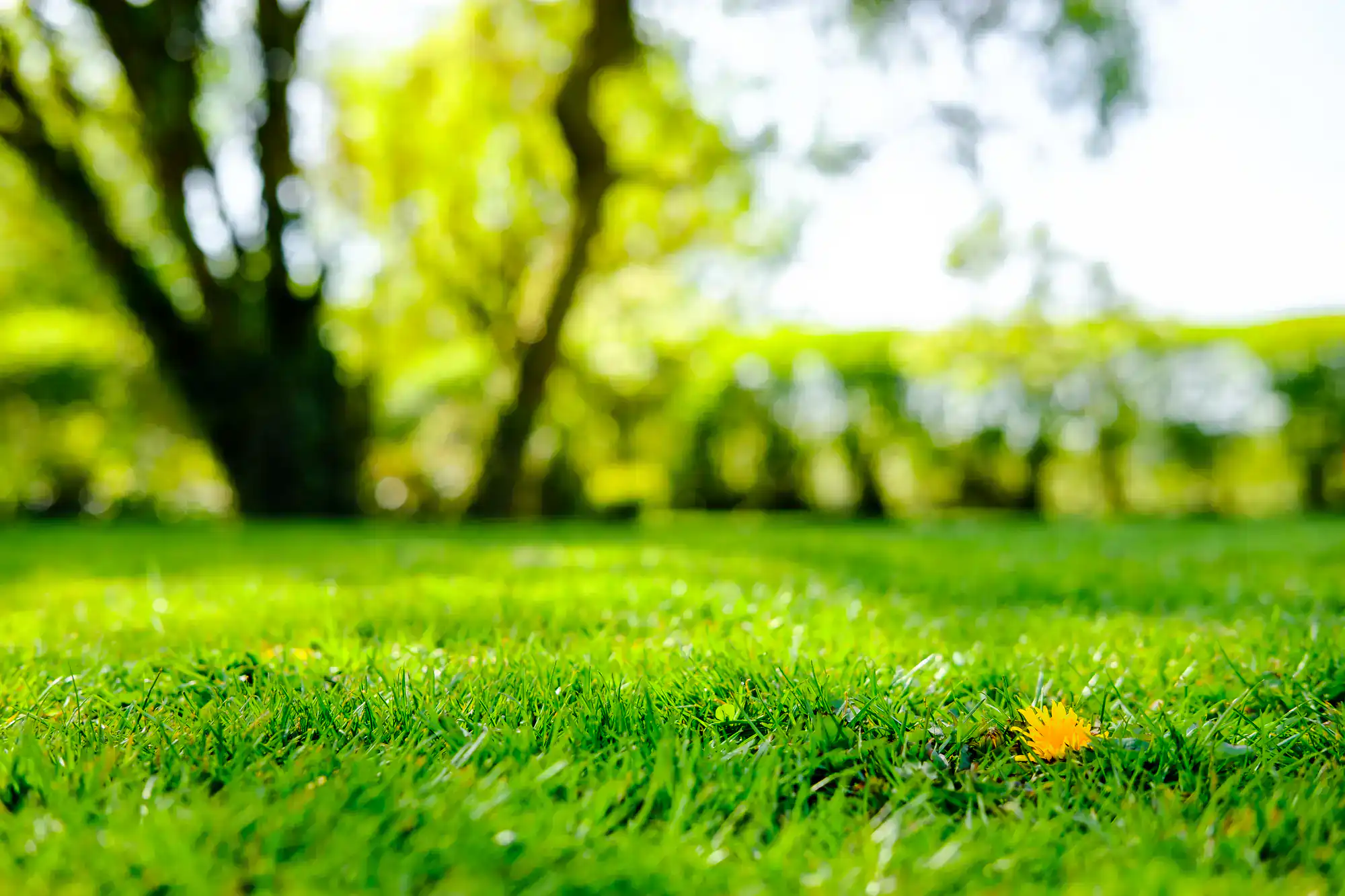
It starts with a soil pH test. Before any lime goes down, we need to know where your soil actually sits on the pH scale and how far it needs to move. This matters more than most people realize pH is measured on a logarithmic scale, which means a reading of 5.5 isn’t just a little below the target of 6.3 to 6.5, it’s roughly ten times more acidic. Without a test, there’s no way to know the right product, the right dose, or whether lime is even what your lawn needs.
Once we have your soil data, we determine the appropriate lime type and application rate for your specific lawn. For most Bayport properties, calcitic lime is the right call it raises pH and delivers calcium directly to the soil, which is especially relevant here given the salt air exposure from the Great South Bay. The application itself is straightforward, but timing matters. Fall is the optimal window on Long Island. The winter freeze-thaw cycle and increased rainfall help work the lime into the soil profile so it’s fully active by the time spring growth begins. Homeowners who wait until spring are already a season behind.
After application, we’ll walk you through what to expect and when to retest. Soil pH doesn’t shift overnight it typically takes a few months for lime to fully integrate but the results, once they come, are visible. Thicker grass, better color, and a lawn that actually responds to the fertilizer you’re already putting on it.
Ready to get started?
Every lawn pH treatment we provide starts with professional soil pH testing not a visual assessment, not a general assumption about Long Island soils. We test your specific lawn, because even within Bayport, soil conditions can vary between a property south of Middle Road with a century of organic buildup and a newer construction north of Montauk Highway with thinner, more disturbed soil. The test tells us exactly where you are and exactly what correction is needed.
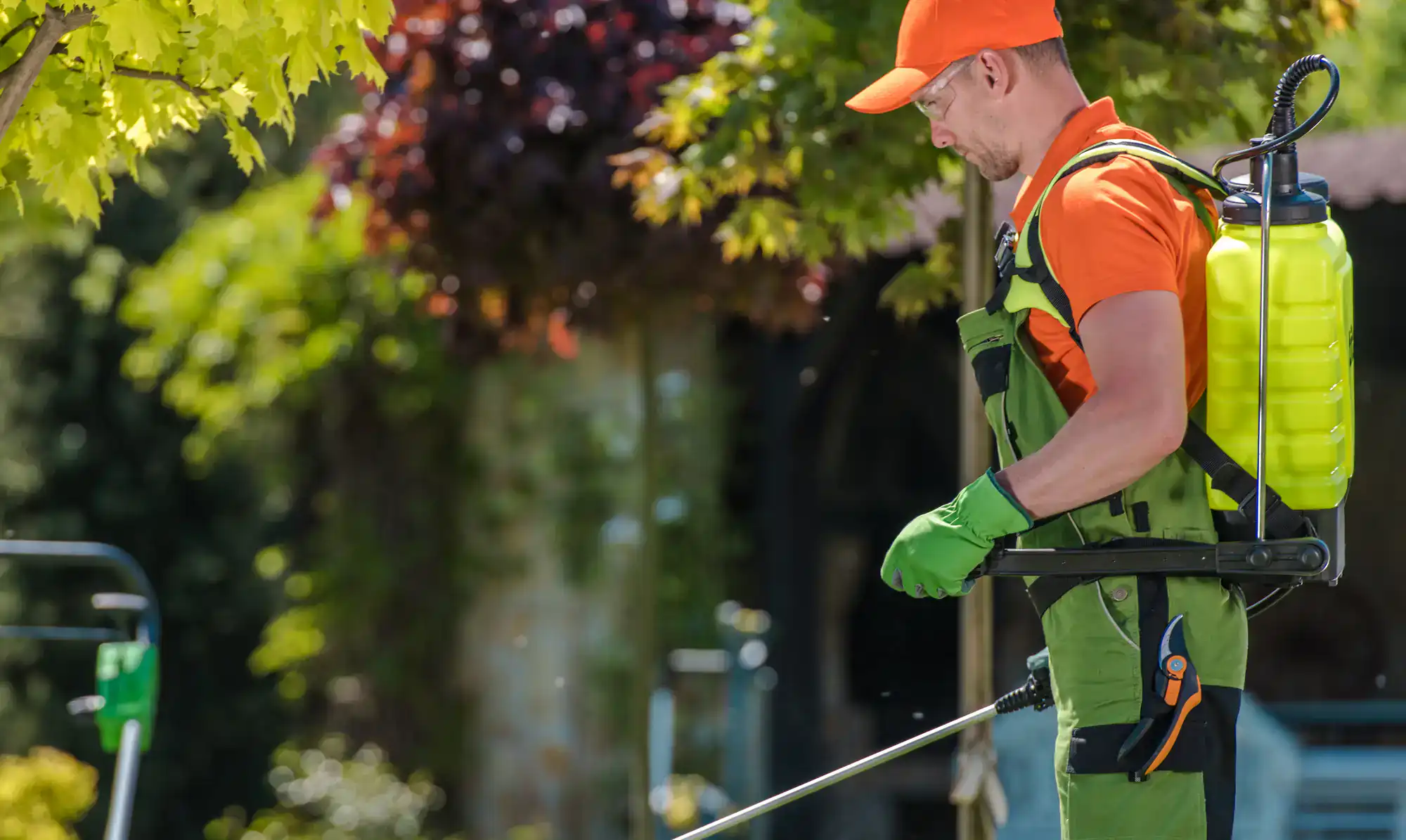
From there, the service includes a calibrated lime application using the appropriate product type and rate for your results. We’re NYSDEC-registered, which is required by New York State law for any commercial lawn care operation and we comply with New York’s Neighbor Notification requirements before any application. For Bayport homeowners who are conscious of what goes into the soil near the Great South Bay, that transparency isn’t a formality. It’s how this should work.
Soil pH correction is also built into our broader lawn care programs. Because pH drifts over time especially in Bayport’s leach-prone sandy soils retesting every two to three years is standard practice. If you’re already on a fertilization or overseeding program and your results have been disappointing, there’s a good chance pH is the missing piece. This service doesn’t sit on top of your lawn care plan it’s what makes the rest of it work.
The most reliable way to know is a soil pH test not a visual inspection, and not a guess based on how your lawn looks. That said, there are signs that point in this direction. If your grass is thin, yellowing, or slow to respond after fertilization, and you’ve been on a regular program without much improvement, low soil pH is one of the most common explanations. Persistent moss and weeds are also indicators both thrive in acidic, nutrient-depleted conditions.
Bayport’s South Shore sandy soils naturally trend acidic, and without periodic lime correction, it’s very common for pH to fall well below the 6.3 to 6.5 target range that Cornell Cooperative Extension recommends for Long Island turf. Many properties here especially older homes that have been landscaped for decades have never had a professional soil test done. A test removes the guesswork entirely and tells you whether lime is needed, how much, and what type.
It depends on what’s been holding your lawn back. If acidic soil has been the underlying issue which is common on Long Island’s South Shore then yes, correcting pH can make a significant difference. The reason is straightforward: when soil pH is too low, the nitrogen, phosphorus, and potassium in your fertilizer become chemically locked up and unavailable to grass roots. You’re applying product, but the grass can’t absorb it. Lime correction restores the soil chemistry that allows nutrient uptake to happen normally.
That said, lime isn’t a cure-all for every lawn problem. If there are also issues with compaction, poor drainage, disease, or grub damage, those need to be addressed separately. pH correction is the foundation it’s what makes everything else in a lawn care program more effective. For many Bayport homeowners who have been fertilizing without results, it’s the piece that was missing the whole time.
Fall is the best window specifically October through November for most Bayport lawns. The reason comes down to how lime works. It doesn’t act instantly; it needs time and moisture to break down and integrate into the soil profile. Long Island’s winter freeze-thaw cycle, combined with the increased rainfall that comes with fall and early winter, accelerates that process significantly. By the time spring arrives and your grass starts actively growing, the lime has had months to do its job.
Spring is the secondary option if you missed the fall window, but you’re working with a shorter lead time before the growing season kicks in. Summer and winter applications aren’t recommended applying lime to a stressed or dormant lawn reduces its effectiveness and can cause uneven results. If you’re on the South Shore and you want your lawn responding well from the first warm days of the year, fall lime application in Bayport is the timing that makes that possible.
You can buy lime at a hardware store and apply it yourself but without a soil test, you’re guessing at both the product type and the amount. That’s where DIY lime application tends to go wrong. Over-liming is a real problem: pushing soil pH above 7.0 creates a new set of nutrient lockout issues, particularly for micronutrients like iron and manganese that become unavailable in overly alkaline soil. You’d be trading one problem for another.
Professional soil pH testing and application removes that risk. The right lime type matters too calcitic lime and dolomitic lime behave differently, and for Bayport’s coastal soils where calcium displacement from salt air is a factor, the choice between them isn’t arbitrary. We read your soil data and make that call based on actual results. For a lawn that’s been underperforming for years, spending money on guesswork isn’t the fix a calibrated, test-based application is.
It does, and it’s one of the reasons South Shore communities like Bayport tend to see more pronounced soil issues than inland towns. Salt-laden air from the Great South Bay deposits sodium into the soil over time. Sodium displaces calcium and magnesium in the soil’s exchange complex the same minerals that support healthy root development and that lime is designed to restore. The result is a compounding problem: soil that is both acidic and depleted of key cations, which creates significant nutrient stress for your grass even when fertilizer is being applied regularly.
Calcitic lime is particularly well-suited to Bayport’s coastal conditions because it raises pH and delivers calcium directly, helping to counteract that sodium displacement. This is a nuance that a generic fertilization program won’t account for it’s specific to waterfront South Shore properties where bay exposure is a regular factor. If your lawn is within a few blocks of the bay, or in one of the older neighborhoods south of Middle Road where salt air exposure has been accumulating for decades, this is worth factoring into your soil care approach.
A good rule of thumb is to retest soil pH every two to three years. Soil pH isn’t a one-time fix it drifts over time due to rainfall, organic decomposition, and the ongoing effects of fertilization. On Long Island’s South Shore, Bayport’s sandy, porous soils accelerate that leaching process compared to heavier clay-based soils further inland. Alkaline minerals wash through the soil profile faster here, which means pH can drift back toward the acidic range more quickly than homeowners expect.
If you’ve had a lime application done and your lawn is on a regular fertilization program, a retest at the two-year mark gives you a clear picture of where things stand before any significant drift occurs. For older Bayport properties that have never been tested particularly the mid-century and historic homes that make up a large portion of the community’s housing stock the first test often reveals more accumulated acidification than expected. Catching that early, and staying on a periodic correction schedule, is what keeps your lawn consistently healthy rather than playing catch-up every few seasons.
Useful Links
Other Services we provide in Bayport