
Hear from Our Customers
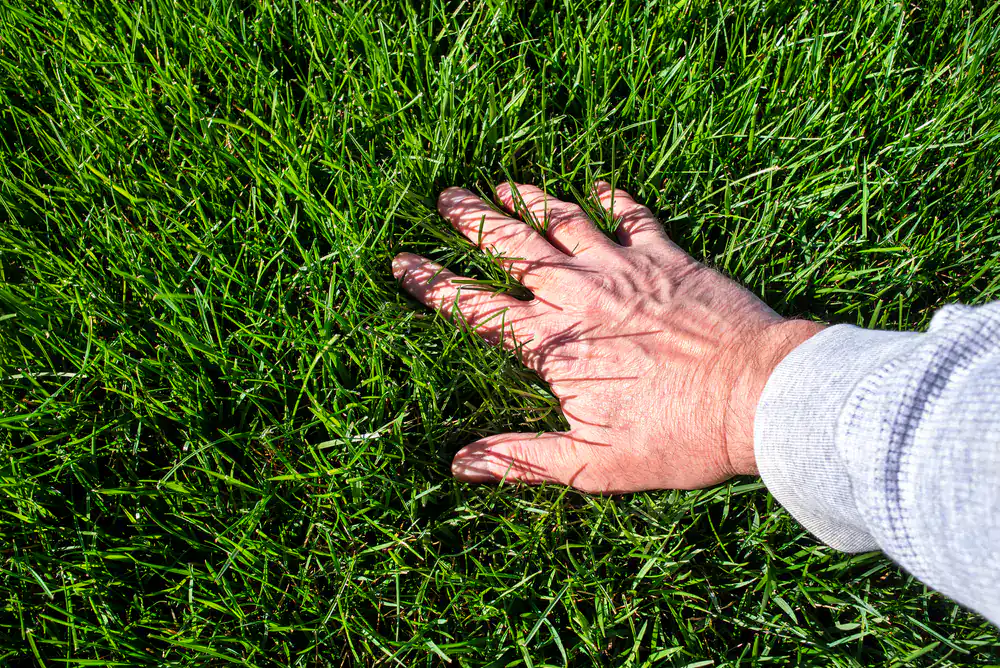
If you’ve been fertilizing year after year and your lawn still looks thin, pale, or overrun with weeds, the problem almost certainly isn’t what you’re putting on it. It’s what’s happening underneath. When soil pH drops too low, nitrogen, phosphorus, and potassium get locked in the soil and your grass roots can’t reach them. Every bag of fertilizer you’ve applied on an acidic lawn has been doing a fraction of the job it should.
East Islip’s position on the north shore of the Great South Bay makes this especially common here. The sandy, porous soils along the south shore leach nutrients faster than heavier inland soils. That means pH drifts lower, faster and most homeowners in neighborhoods like Beecher Estates, Country Village, and Deer Run are dealing with soil that’s been quietly working against them for years, sometimes decades, without ever knowing it.
Once pH is corrected and sitting in the right range, fertilizer actually absorbs the way it’s supposed to. Grass thickens. Weeds lose their foothold. And the lawn you’ve been trying to grow the one that keeps disappointing you finally has a chance.
We’re based in Port Jefferson Station and serve homeowners across Suffolk County including East Islip and the surrounding south shore communities. This isn’t a national brand routing your call through a regional call center. When you reach out, you’re talking to people who work on East Islip lawns every day and understand what makes a south shore property different from anything inland.
East Islip’s homes were largely built in the 1940s. That’s 80 years of fertilizer applications, rainfall, and natural soil acidification on lots that were often carved out of old estate land. Soil doesn’t stay balanced on its own especially not here, where sandy coastal conditions accelerate the drift. Our approach accounts for that history, not a generic regional average.
Our program is built around long-term lawn health, not one-off visits. Customers have accounts, receive seasonal reminders, and can reach a real person not a voicemail queue when they have questions. That kind of consistency matters when you’re investing in a lawn that actually improves over time.
It starts with a soil test. Without one, there’s no way to know your lawn’s actual pH reading, how far it’s drifted from the target range of 6.3 to 6.5 that Cornell Cooperative Extension recommends for Long Island turf, or how much lime is needed to get it there. Applying lime without testing is guessing and guessing can overshoot in the other direction, pushing soil alkaline and creating a completely different set of problems. The test removes all of that.
Once the results are in, we calibrate the lime application specifically to your property. East Islip’s sandy soils have a different buffer capacity than heavier inland soils, which affects how much lime is needed and how quickly it integrates. The application rate is calculated for your lawn, not averaged across a zip code.
Timing matters too. Fall is the professional standard for lime application in East Islip, and the coastal climate actually works in your favor here. The combination of fall rains, winter freeze-thaw cycles, and spring snowmelt integrates lime into the soil profile over the dormant season so when your grass breaks dormancy in spring, the correction is already in place. Homeowners who wait until spring to think about pH are already a season behind. The lawn that looks best in June was treated in October.
Ready to get started?
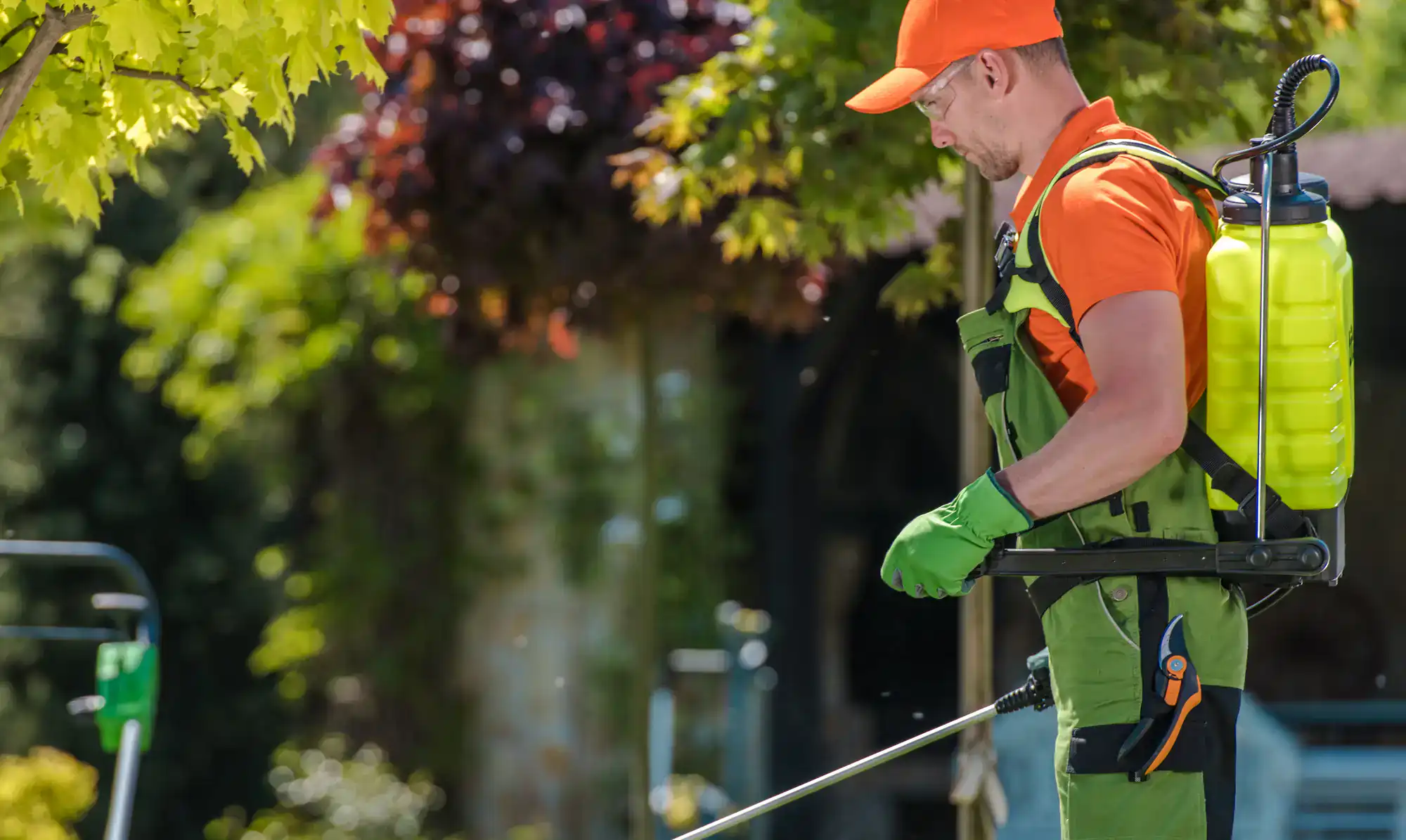
Our lawn pH treatment in East Islip, NY includes professional soil pH testing, a calibrated lime application based on your specific soil results, and guidance on timing and follow-up. This isn’t a bag of pelletized lime tossed down without context. The application type, quantity, and schedule are determined by what your soil actually shows not by a standard rate printed on a product label.
For East Islip properties, our service also accounts for the environmental factors that accelerate pH drift here. Proximity to the Great South Bay means salt air exposure, higher humidity, and a coastal microclimate that puts additional stress on turf. A lawn already weakened by pH imbalance has less capacity to handle those conditions. Correcting pH gives your grass the structural health it needs to hold up through summer heat, humidity-driven fungal pressure, and the kind of salt air exposure that’s just part of life along the south shore.
New York State also requires that commercial lawn care applicators be registered with the NYSDEC and comply with Neighbor Notification requirements before applying treatments. We operate in full compliance with those regulations something not every operator you’ll find on a quick search can say. For homeowners near the bay who are already thinking about what goes into the ground and where it ends up, that compliance is worth knowing about.
The most reliable way to know is a soil test but there are signs that point in that direction before you ever test. Thin, pale, or yellowing grass that doesn’t respond to fertilizer is one of the most common. Persistent moss or clover taking over areas where grass should be growing is another. If you’ve been putting down fertilizer for multiple seasons and the results are consistently disappointing, low pH is one of the first things worth ruling out.
In East Islip specifically, the odds are higher than most homeowners expect. The sandy coastal soils along the south shore leach nutrients quickly, and natural acidification happens faster here than in heavier inland soils. Homes in the 11730 zip code were largely built in the 1940s meaning many lawns have been accumulating pH drift for decades without ever being corrected. A soil test gives you an actual number to work with, which is the only way to know for certain and apply the right amount of lime.
This is one of the most common frustrations in lawn care, and pH is usually the explanation. When soil becomes too acidic, the chemical bonds that hold nutrients in the soil tighten and grass roots can’t break them loose. Nitrogen, phosphorus, and potassium are all present in the fertilizer you’re applying, but they’re essentially unavailable to your lawn. The grass shows deficiency symptoms even though the nutrients technically exist in the soil.
It’s worth understanding how significant even a small pH shift really is. The pH scale is logarithmic, not linear a one-point drop represents a tenfold increase in acidity. So the gap between a lawn at pH 6.5 and one at pH 5.5 isn’t minor. It’s a dramatically different chemical environment for your grass roots. In East Islip’s sandy soils, where leaching is already faster than average, that drift can happen gradually over several seasons without any obvious single cause. Correcting pH doesn’t replace fertilizer it makes the fertilizer you’re already buying actually do its job.
Fall is the professional standard, and East Islip’s coastal climate actually supports that timing well. When lime is applied in fall, the winter freeze-thaw cycles and spring snowmelt work it into the soil profile naturally over the dormant season. By the time grass breaks dormancy in spring, the pH correction is already integrated which means your lawn enters the growing season with the right foundation instead of playing catch-up.
East Islip’s proximity to the Great South Bay also means the area typically receives more moisture than inland Suffolk County towns, which helps lime integrate more efficiently. Spring application is a secondary option if fall was missed, but it puts you behind. The lawn that looks its best in June and July was treated the previous October. If you’re already in spring thinking about this, it’s still worth doing but plan to start in fall going forward to get ahead of the cycle rather than chasing it.
Yes, and this is exactly why soil testing matters before any lime application. Over-liming pushes soil pH too high into alkaline territory which creates a different but equally damaging set of nutrient problems. When soil becomes too alkaline, iron, manganese, and zinc become unavailable to grass roots, which leads to yellowing, stunted growth, and a lawn that looks just as stressed as one suffering from low pH. You’ve essentially traded one problem for another.
In East Islip, where sandy soils have a lower buffer capacity than heavier clay-based soils further inland, the margin for error is tighter. Sandy soils respond more quickly to lime additions, which means the same application rate that would be appropriate for a heavier soil type can overshoot on a south shore property. A professional soil test gives you the specific pH reading and buffer capacity of your individual lawn, which is what determines the correct application rate. Without that data, you’re guessing and the consequences of guessing wrong are real.
Salt air doesn’t directly change soil pH, but it compounds the problems that acidic soil creates. Salt air exposure stresses grass by damaging cell walls and drawing moisture out of leaf tissue and a lawn that’s already weakened by pH-related nutrient deficiency has far less capacity to recover from that stress. The two conditions feed each other. Low pH weakens the grass, and salt air exposure hits weakened grass harder than healthy turf.
There’s also the humidity factor. East Islip’s bay-front location creates a more humid microclimate than inland Suffolk County communities, and higher humidity promotes fungal diseases like dollar spot and brown patch. Those diseases are significantly more likely to take hold in turf that’s already under stress from nutrient lockout. Correcting soil pH doesn’t eliminate salt air or humidity, but it gives your lawn the structural health it needs to withstand those conditions rather than being knocked down by them.
The straightforward answer is yes and the math is pretty clear. If you’re spending several hundred dollars a year on fertilizer that’s only partially absorbed because your soil pH is off, you’re already losing money without knowing it. Professional pH testing and a calibrated lime application pays for itself in fertilizer efficiency alone, before you account for the value of a thicker, healthier lawn on a property where median home values are approaching $681,000.
East Islip is a neighborhood where lawn appearance is visible and matters. In communities like The Moorings, Beecher Estates, and along the streets that back up to Heckscher State Park, curb appeal isn’t incidental it reflects how a property is maintained. A lawn that’s thin, yellow, or losing ground to weeds every season is a visible issue in a community that takes property stewardship seriously. Beyond the aesthetics, there’s also an environmental argument: a pH-corrected lawn absorbs fertilizer more efficiently, which means less nitrogen and phosphorus leaching through East Islip’s sandy soils toward the Great South Bay. For homeowners who care about the bay and most do that’s a reason that goes beyond the lawn itself.
Useful Links
Other Services we provide in East Islip