
Hear from Our Customers
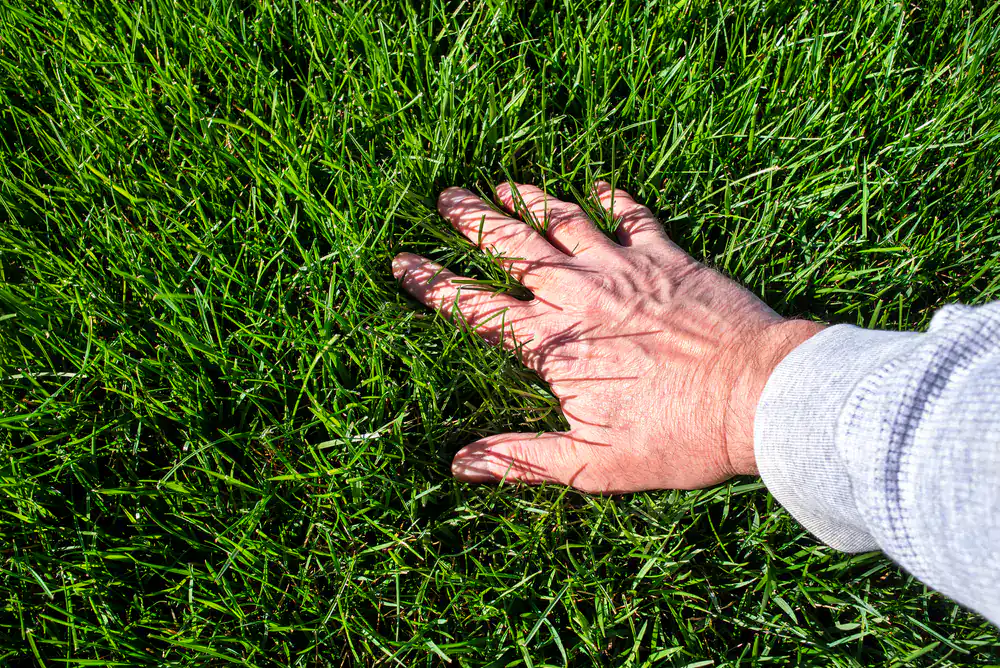
If you’ve been putting money into your lawn season after season and still not seeing the results you expected, pH imbalance is almost certainly part of the problem. When soil pH drops below 6.0, nitrogen, phosphorus, and potassium become chemically locked in the soil. The grass can’t absorb them. The fertilizer is technically there it just can’t do its job.
Setauket’s soils make this worse than most people realize. Long Island’s porous, sandy glacial soils leach calcium and magnesium downward with every rain event, and the North Shore’s proximity to Long Island Sound means Setauket typically sees higher annual precipitation than inland Suffolk County towns accelerating that leaching cycle year after year. Without active pH correction, your soil drifts further acidic every season, and every lawn investment you make delivers less than it should.
For properties near Strongs Neck, Conscience Bay, or along the Old Field corridor, there’s an added layer: salt air introduces sodium into the soil that compounds pH imbalance and creates nutrient availability problems you won’t solve with fertilizer alone. Once soil pH is corrected and held in the 6.3–6.5 range that Cornell Cooperative Extension recommends for Long Island turf, everything else you’re already doing starts working the way it was supposed to.
We’re based in Port Jefferson Station minutes from Setauket along Route 25A. That’s not a footnote. It means we operate in the same micro-climate, on the same soil type, in the same North Shore community as you do. We’re not applying a national template to a Setauket property. We’re working from real, daily experience with the conditions that actually affect lawns in this area.
When you call, you reach Carol Broecker directly. She handles appointments, accounts, and questions not a call center, not a rotating roster of reps. That kind of access matters in a community like the Three Village area, where word-of-mouth still means something and people expect to be treated like a neighbor, not a ticket number.
Our approach is program-based, not transactional. Soil pH drifts over time, and a one-time lime application without follow-up monitoring is not a long-term fix. The goal is a lawn that holds its health across seasons and that requires someone who’s paying attention year-round.

It starts with a soil pH test. There’s no reliable way to know what your soil needs without one visual inspection doesn’t cut it, and the basic test kits from hardware stores don’t calculate how much lime is actually required to correct the problem. A proper soil test tells you where your pH sits today, how far it is from the 6.3–6.5 target range, and what application rate will get it there without overcorrecting.
From there, we apply lime at a rate calibrated to your specific results. For sandy loam soil at a pH of around 5.5 common across Setauket and East Setauket a typical application runs 40 to 60 pounds per 1,000 square feet. But that number changes based on your actual test, your soil texture, and whether your property has factors like mature tree coverage or proximity to coastal salt air that affect how the soil behaves. Properties near Conscience Bay or along the Strongs Neck peninsula often require a more nuanced approach than a standard inland lawn.
Timing matters too. Fall is the optimal window for lime application on Long Island. The freeze-thaw cycle through winter helps integrate lime into the soil so it’s fully active by the time spring growth begins. Homeowners who wait until spring are already a season behind. Our program model includes seasonal reminders so you never miss that window and follow-up monitoring ensures your pH stays where it needs to be as conditions change.
Ready to get started?
Lawn pH correction with us isn’t a bag of lime dropped on your lawn and a handshake. It starts with soil pH testing to establish a real baseline because the right lime rate for a property near Old Field with mature oak coverage is different from a newer construction lot off Route 347 with compacted sandy fill. The application is calibrated to your results, your turf type, and the specific conditions on your property.
Beyond the lime application itself, our program approach means your soil pH is monitored over time. Cornell Cooperative Extension recommends retesting every two to three years after correction, and in Setauket’s leaching-prone soils, staying ahead of drift is how you protect the investment. If your lawn also has persistent moss common on older Three Village properties with heavy deciduous tree canopy pH correction addresses the root cause, not just the symptom.
All applications are handled by NYSDEC-registered applicators in compliance with New York State’s commercial pesticide requirements, including advance neighbor notification where applicable. For Setauket homeowners near Setauket Harbor or Conscience Bay, proper pH management also means fertilizer is absorbed efficiently rather than leaching through Long Island’s porous soils into coastal waterways which matters in this community in a way it simply doesn’t in an inland town.
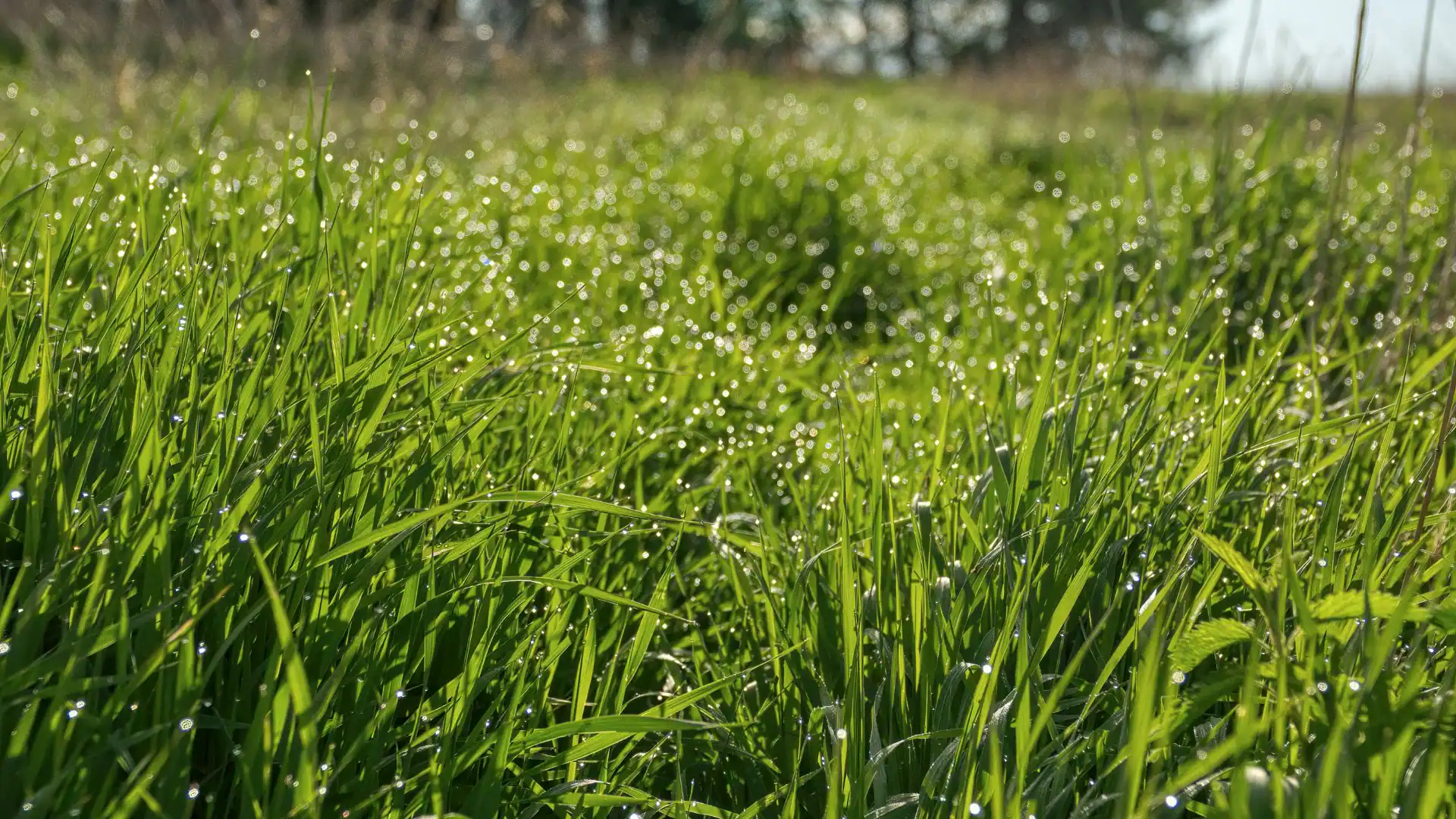
The most reliable way to know is a soil test not a visual inspection, and not a hardware store kit. Those basic kits can tell you roughly whether your soil is acidic or alkaline, but they don’t give you the precision needed to calculate a correct lime application rate, and their accuracy can vary significantly depending on calibration.
The signs that point toward a pH problem are usually things like persistent thin or bare patches despite regular fertilization, yellowing grass that doesn’t respond to nitrogen applications, aggressive moss growth especially in shaded areas under the mature oaks and maples common throughout the Old Setauket Historic District and weeds that keep coming back no matter what you do. In Setauket’s sandy, leaching soils, these symptoms often show up even on lawns that have been fertilized consistently for years. A proper soil test removes the guesswork and tells you exactly what you’re working with.
This is one of the most common frustrations we hear from homeowners across Suffolk County, and pH is almost always a contributing factor. When soil pH drops below 6.0, nitrogen, phosphorus, and potassium the core nutrients in any fertilizer become chemically bound in the soil and unavailable to grass roots. The fertilizer is in the ground, but the grass can’t access it.
Long Island’s glacial sandy soils are structurally prone to this problem. Every rain event and every irrigation cycle leaches calcium and magnesium downward through the soil profile, which drives pH down over time. In Setauket specifically, the North Shore’s higher annual precipitation from Long Island Sound accelerates this process compared to inland communities. Lawns that were properly limed three or four years ago can already be acidic again today. It’s not that fertilizer stops working it’s that the soil conditions stop letting it work.
Cornell Cooperative Extension of Suffolk County recommends a target pH of 6.3 to 6.5 for maximum turf growth on Long Island lawns. That’s the range where nitrogen, phosphorus, and potassium are most available to grass roots, and where your lawn is best positioned to respond to fertilization, overseeding, and weed control.
Without active management, Northeast soils including those throughout Setauket and East Setauket commonly test at pH 4.8 to 5.5. That’s not a small gap. Because pH is measured on a logarithmic scale, a drop from 6.0 to 5.0 represents a tenfold increase in acidity, not a marginal one. Many homeowners assume their soil is “close enough” based on appearance, but at pH 5.5, the soil is nearly ten times more acidic than the lower end of the optimal range. A soil test is the only way to know where your lawn actually stands and what it will take to get it where it needs to be.
You can but there are real risks to doing it without a soil test first. The most common mistake is applying lime at a generic rate without knowing your actual pH reading. Under-applying means the problem doesn’t get corrected. Over-applying pushes your soil alkaline, which creates a different but equally damaging set of nutrient lockout problems that can take a full season or more to recover from.
For Setauket properties, there are additional variables that a bag label can’t account for. Waterfront and near-waterfront lots near Strongs Neck or Conscience Bay may have soil salinity issues that interact with lime applications in ways that require more than a standard correction. Properties with heavy mature tree canopy common throughout the Old Setauket Historic District have ongoing acidification from leaf litter that affects how much lime is needed and how often. A calibrated, test-based application is the only approach that accounts for what’s actually happening in your specific soil, on your specific property.
Fall is the optimal window, and it’s the standard we follow for properties across the Three Village area. When lime is applied in the fall, the freeze-thaw cycle throughout the Long Island winter helps work it into the soil profile so it’s fully integrated and active by the time spring growth begins. Waiting until spring means your lawn is already behind it’s growing in soil that hasn’t been corrected yet, and the lime you apply in April or May won’t be fully effective until well into the season.
This timing matters especially in Setauket because the North Shore’s climate moderated somewhat by Long Island Sound still delivers the freeze-thaw cycles needed to integrate lime effectively. If your soil test shows a significant pH deficit, fall treatment gives you the longest possible window for correction before your lawn faces the demands of spring and summer growth. Our program model includes seasonal reminders so fall applications don’t get pushed off the calendar.
It does and it’s usually the most impactful single correction you can make if pH has been out of range for multiple seasons. When pH is in the right range, fertilizer is absorbed efficiently, overseeding results improve because germinating seed has access to the nutrients it needs, and weed pressure often decreases because healthy, dense turf is the most effective weed barrier there is.
For Setauket homeowners who have been running a full fertilization program and still dealing with thin turf, persistent weeds, or moss, pH correction is often the missing piece that makes everything else finally perform. It’s not an add-on it’s the foundation. And in a community where the average home value exceeds $850,000 and properties in Old Field regularly top $1 million, a lawn that actually responds to the care you’re putting into it isn’t just about aesthetics. It’s about maintaining an asset that’s worth protecting.
Useful Links
Other Services we provide in Setauket