
Hear from Our Customers
If your Commack lawn has been getting fertilized every season but still looks thin, patchy, or tired by midsummer, the soil is almost certainly the reason. Commack sits in the inland zone of western Suffolk County, where glacially-deposited soils run heavier and hold more clay than the sandier profiles you’d find closer to the South Shore. That clay compacts hard under years of foot traffic, mowing, and the kind of irrigation-dry cycles that come with Long Island summers and once it’s compacted, it doesn’t matter how much fertilizer you put down. It can’t get through.
Core aeration breaks that cycle. By pulling physical plugs of soil out of the ground not poking holes, not pushing soil aside it opens direct channels for water, air, and nutrients to reach the root zone. Fertilizer uptake can improve by 30 to 40 percent after a proper aeration. Water stops pooling on the surface and starts going where it belongs. Grass roots that have been struggling in oxygen-starved soil start growing deeper and stronger.
For Commack homeowners on established lots many of which were built out in the 1950s and 60s and have been subjected to decades of suburban use this isn’t a seasonal tune-up. It’s the missing step that makes every other lawn investment pay off. Overseeding into aerated ground germinates at dramatically higher rates. Bare patches that haven’t responded to anything finally start filling in. The lawn you’ve been trying to grow is possible the soil just needed to be opened up first.
We’re a Suffolk County-based lawn care company, and Long Island soil is all we work in. We’re not routing your service through a national call center or sending out a crew that treats every lawn the same regardless of what’s underneath it. The clay-influenced soils across Commack, Smithtown, Kings Park, and the surrounding area behave differently than what you’d find in Nassau County or out on the East End and the equipment and approach have to match.
Our applicators hold a New York State DEC Pesticide Applicator License, which is legally required for commercial lawn care in New York and ensures we’re operating in compliance with Suffolk County’s fertilizer laws including phosphorus restrictions relevant to the Nissequogue River watershed that begins right in this area. That’s not a detail most operators lead with, but it matters when you’re trusting someone to work on your property.
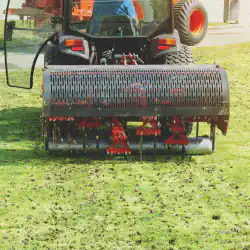
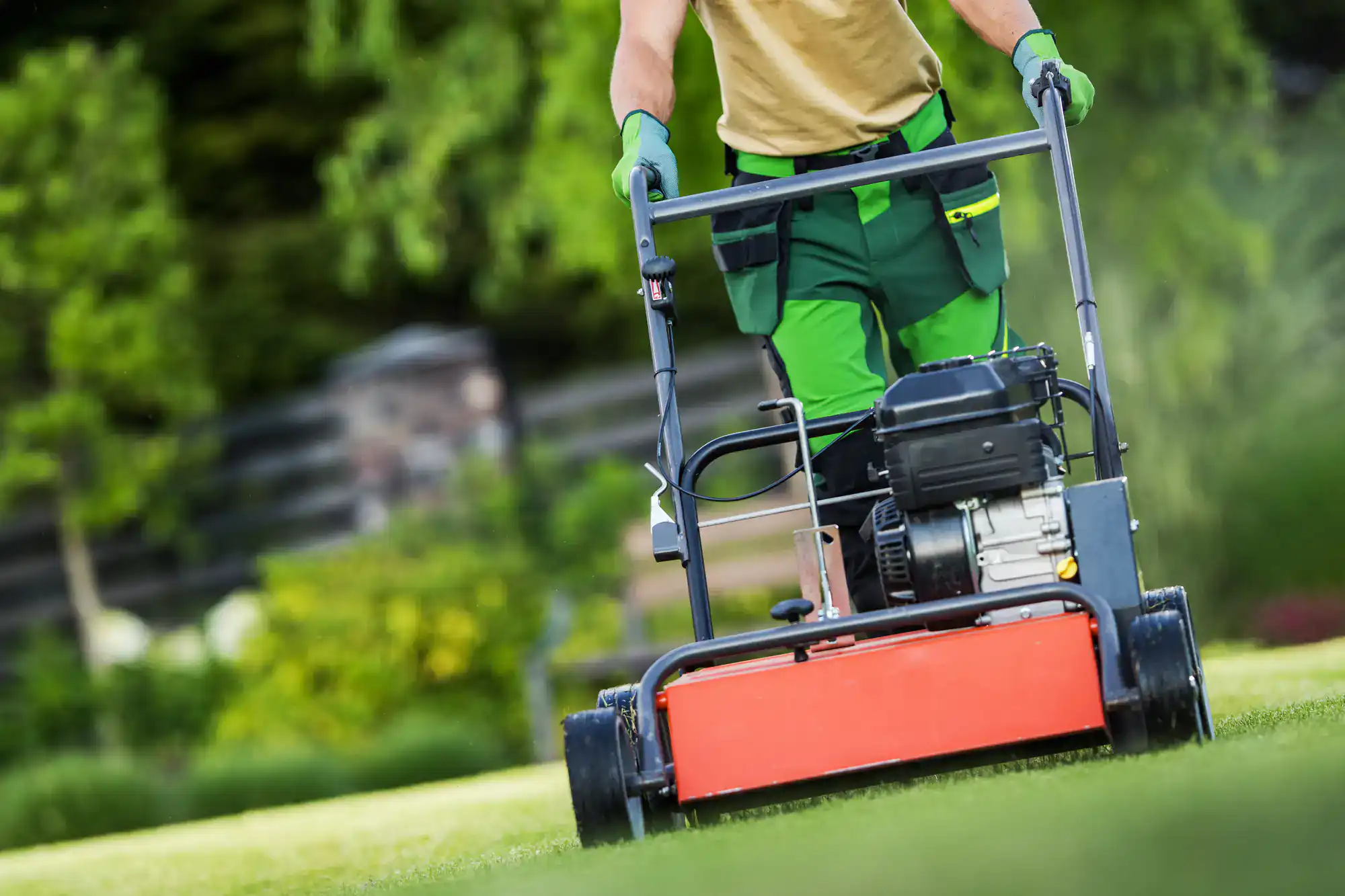
We use a commercial hydraulic aerator not the drum-style machine available at rental centers and that distinction makes a real difference on the compacted soils common throughout western Suffolk County. When you request an estimate, you’re talking to people who know Commack and show up with the right equipment for it. We also protect against pests with Commack flea and tick control.
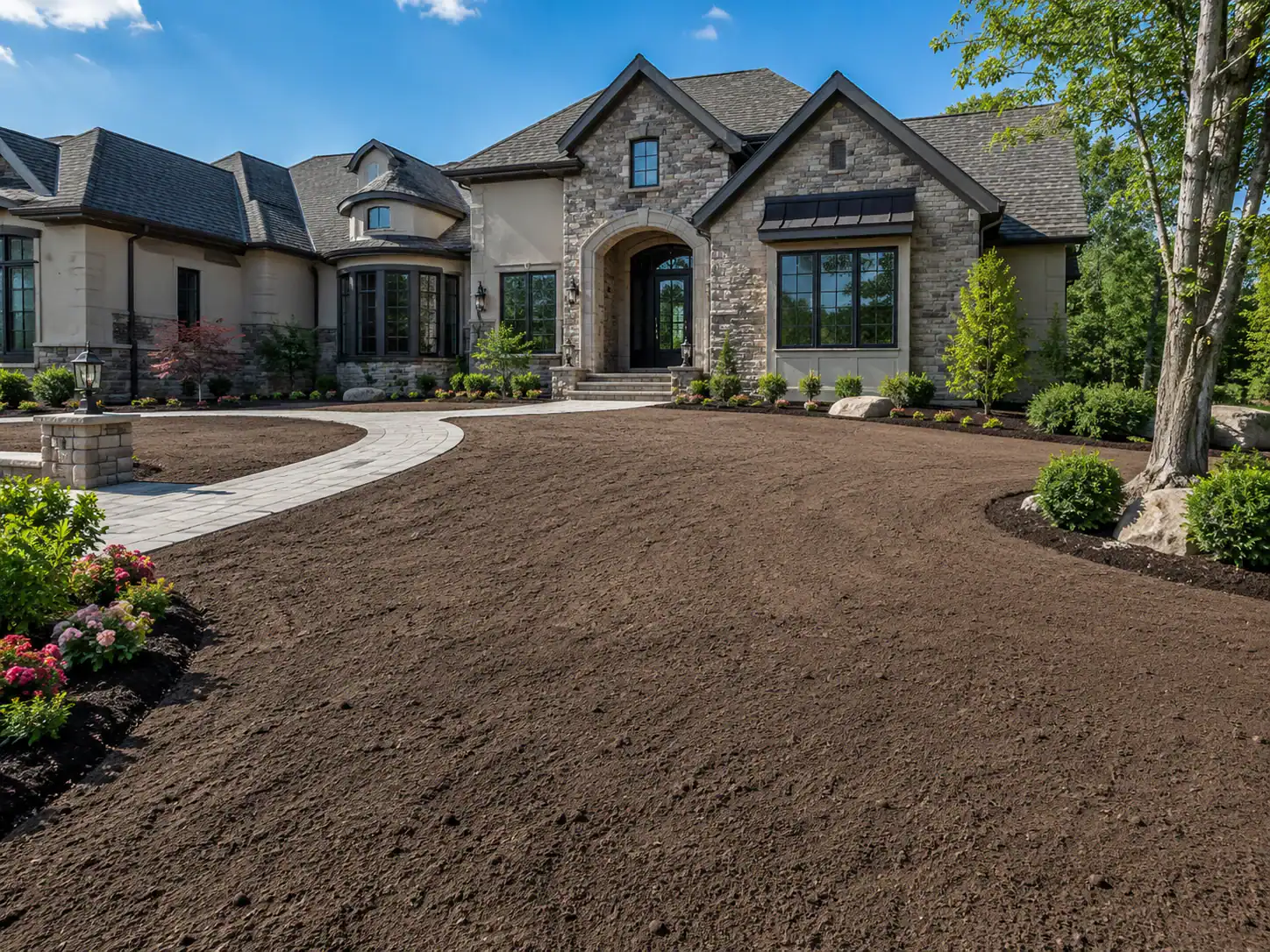
It starts with a free estimate. Before anything happens on your lawn, we take a look at what you’re working with the grass type, the compaction level, any visible problem areas like bare patches or spots where water sits after rain. Most Commack lawns are growing tall fescue, Kentucky bluegrass, or perennial ryegrass, and the timing of aeration matters for all three. The fall window late August through October is when cool-season grasses are primed to recover and respond. Soil temperatures are still warm enough for seed germination, but the summer heat stress is gone. That window closes faster than most people expect, and once it does, you’re waiting another full year.
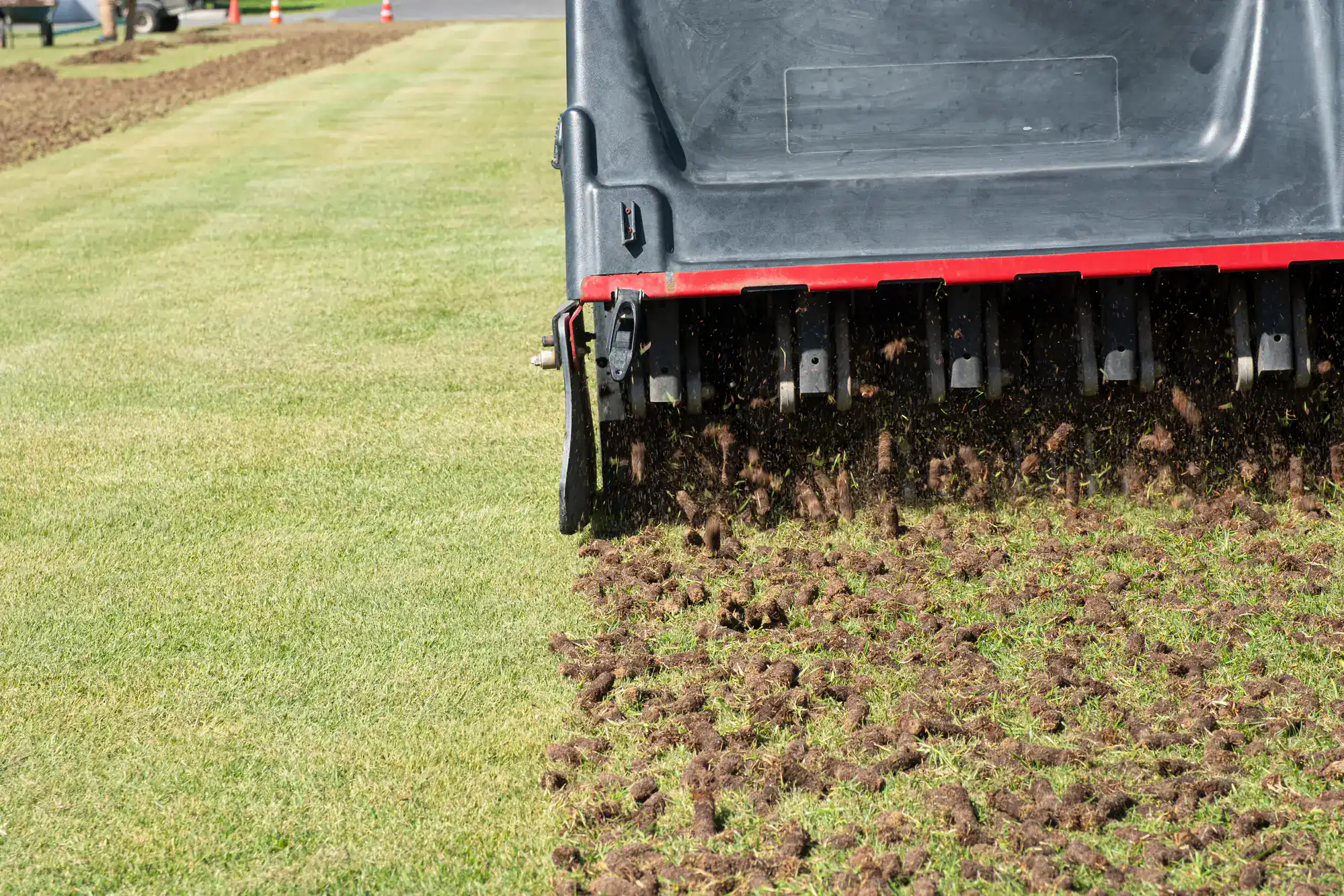
On service day, we run the hydraulic aerator across your lawn in a systematic pattern, pulling cores 3 to 4 inches deep. On Commack’s heavier soils, that depth is what actually reaches the compaction layer standard equipment often doesn’t get there. The soil plugs you’ll see on the surface afterward are supposed to be there. Don’t rake them up. They break down over two to four weeks and return organic matter and microbes back into the soil, which contributes to long-term soil health and helps break down thatch naturally.
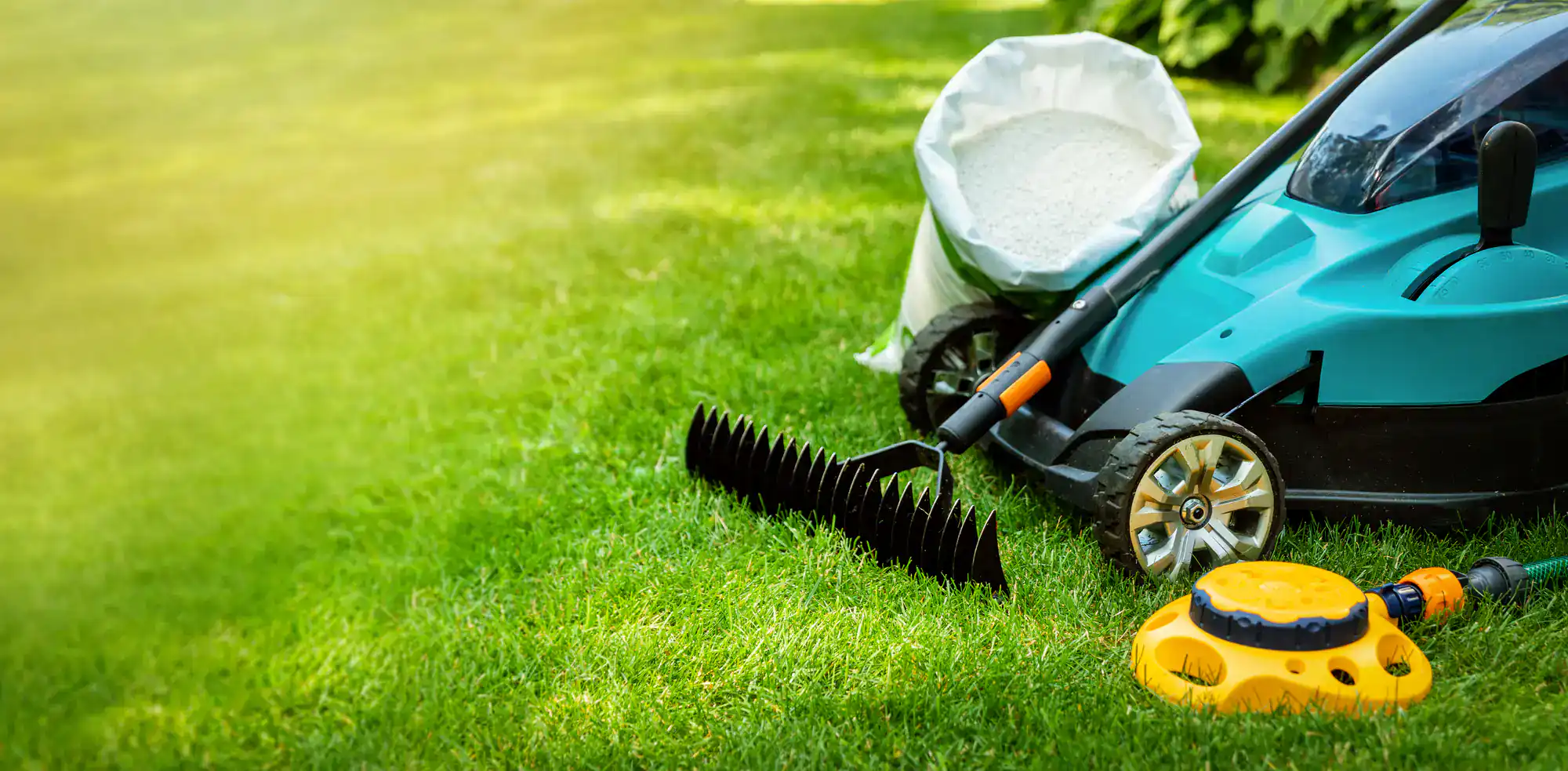
If you’re pairing aeration with overseeding which we strongly recommend for lawns with bare or thin areas seed goes down immediately after aeration while the holes are open and ready. That direct soil contact is what makes germination rates so much higher on aerated ground versus overseeding alone. After that, consistent watering in the first few weeks is the most important thing you can do to support the new growth.
Ready to get started?
Most core aeration services on Long Island use the same drum-style or tow-behind aerators you can rent from a big-box store. On sandy soils, those machines can do a reasonable job. On the clay-influenced, compacted soils common across Commack and the broader western Suffolk County area, they typically penetrate 1.5 to 2 inches at best which means they’re working above the actual compaction layer, not through it. That’s why a lot of homeowners have tried aeration before and walked away unimpressed.
Our hydraulic aerator operates differently. Hydraulic pressure drives the tines to 3 to 4 inches regardless of surface resistance, and the tine spacing ensures consistent coverage across the full lawn. On the heavier soils found throughout Commack, Nesconset, and the Smithtown corridor, that depth difference is what makes the service actually work.
Core aeration pairs naturally with overseeding and fertilization, and we can build that into your service if your lawn needs it. We also offer ongoing lawn programs fertilization, weed control, grub control that are designed to work alongside annual aeration rather than in spite of compacted soil that’s blocking their effectiveness. Every application we make is done by NYS-licensed applicators operating in compliance with New York’s fertilizer laws, including the phosphorus and nitrogen restrictions that apply throughout Suffolk County. If you want to know what your lawn specifically needs, a free estimate is the right place to start.
The most common signs are water pooling on the surface after rain, fertilizer programs that don’t seem to be doing anything, grass that thins out every summer despite regular care, and bare patches that won’t fill in no matter how much seed you put down. Any one of those is a strong indicator of compaction. If your lawn checks more than one of those boxes, compaction is almost certainly part of the problem.
Commack’s inland position in western Suffolk County puts it in a zone of heavier, clay-influenced glacial soils that compact more aggressively than the sandier profiles found closer to the South Shore. Homes on lots built in the 1950s and 60s which describes most of Commack’s housing stock have been accumulating compaction for decades under mowing equipment, foot traffic, and seasonal freeze-thaw cycles. If you’re not sure, a free estimate gives us a chance to look at the lawn and tell you directly whether aeration is the right move.
Core aeration physically removes a plug of soil from the ground typically 2 to 4 inches deep and about half an inch in diameter. That removal creates genuine open space in the soil profile, allowing water, air, and nutrients to move down to the root zone. Spike aeration pushes a solid tine into the ground without removing anything, which means the soil displaced by the spike compacts the area immediately surrounding each hole. On clay-heavy soils like those common in Commack and throughout western Suffolk County, spike aeration can actually make compaction worse, not better.
If a lawn care company is offering aeration but hasn’t specified that it’s core aeration, it’s worth asking. The distinction matters significantly on Long Island soils, where compaction is already a serious problem and the last thing you want is a treatment that adds to it. All of our aeration work is core aeration plug removal, not displacement.
For the cool-season grasses that grow on most Commack lawns tall fescue, Kentucky bluegrass, and perennial ryegrass the fall window is the best time to aerate. Late August through October is the sweet spot: soil temperatures are still warm enough to support seed germination if you’re overseeding, and the cooler air temperatures reduce heat stress on new growth. This is when cool-season grasses are actively recovering and putting energy into root development, so the timing lines up with what the grass is already trying to do.
Spring aeration is a reasonable option for lawns with severe compaction that genuinely can’t wait, but fall is when you’ll see the strongest response. The window closes faster than most people expect by early to mid-November, soil temperatures on Long Island have typically dropped too far for reliable germination. If you’re planning to aerate this fall, booking early rather than waiting until September or October gives you more flexibility and ensures you don’t miss the window entirely.
Yes and this is one of the most underappreciated reasons to aerate, especially for homeowners who have been running fertilization programs without seeing the results they expected. When soil is compacted, fertilizer applied to the surface has a limited pathway to the root zone. A significant portion washes off with rain or irrigation before it can be absorbed, and what does make it into the soil often can’t penetrate deep enough to reach active roots. The fertilizer isn’t failing the soil is blocking it.
Core aeration opens direct channels through the compaction layer, and fertilizer applied after aeration has a clear path to where it needs to go. For Commack homeowners spending several hundred dollars per year on fertilization programs, that improvement isn’t marginal it can be the difference between a lawn that looks like the investment and one that doesn’t. Aeration and fertilization are most effective when they’re part of the same program, not treated as separate decisions.
Overseed immediately after aeration don’t wait. The holes left by the aerator tines are open channels directly into the soil, and seed dropped into those channels has direct contact with the soil profile rather than sitting on top of thatch or a compacted surface. That soil contact is what drives germination. Studies show germination rates 30 to 50 percent higher on freshly aerated ground compared to overseeding on un-aerated lawn. The window of maximum effectiveness is right after the cores are pulled, so the two services should happen in the same visit or within 24 to 48 hours at most.
For Commack lawns with established bare patches or areas that have been thin for multiple seasons, the aerate-then-overseed sequence is the most reliable path to filling them in. Overseeding alone on compacted ground rarely produces meaningful results because the seed never makes proper soil contact. If you’ve tried overseeding before and been disappointed, compaction was likely the reason not the seed.
For a typical single-family lot in Commack most of which run between a quarter acre and a half acre professional core aeration generally falls in the range of $150 to $300, depending on lawn size, condition, and whether overseeding or additional services are included. Larger properties or lawns with significant compaction challenges may come in toward the higher end of that range. The best way to get an accurate number is a free estimate, which lets us look at your specific lawn rather than quoting blind.
The more useful question for most Commack homeowners is whether the investment is worth it relative to what they’re already spending. If you’re running a fertilization program at $300 to $500 per year and not seeing the results you expect, compaction is likely the reason those dollars aren’t performing. Aeration doesn’t add cost on top of what you’re already doing it makes what you’re already doing work. One treatment that unlocks better fertilizer uptake pays for itself quickly, and the soil structure improvements compound with each annual treatment over time.
Useful Links
Other Services we provide in Commack