
Hear from Our Customers
If you’ve been running a fertilization program and your lawn still looks thin, patchy, or just flat-out tired, compaction is almost certainly why. Compacted soil acts like a cap it blocks nutrients, water, and air from reaching the root zone. The fertilizer sits on the surface, the first rain washes it off, and nothing changes. Core aeration breaks that cap open so everything you’re already spending on lawn care can actually do its job.
For homes in Nesconset, this isn’t a hypothetical. The Haven loam soils that run through inland Suffolk County compact heavily at the surface layer especially after decades of residential use. A lawn that’s been mowed, watered, and walked on since 1972 has built up compaction that no amount of fertilizer will overcome on its own. Once that soil is opened up, water infiltrates the way it should, roots push deeper, and the grass you’ve been trying to grow finally has somewhere to go.
The improvement isn’t just cosmetic. Lawns that are properly aerated hold moisture more efficiently, which matters when you’re running an irrigation system through a dry Long Island summer. You’ll also see a real difference if you overseed after aeration the seed falls into the holes, makes direct contact with soil, and germinates at a rate that surface seeding simply can’t match.
We’re a locally owned lawn care company based in Suffolk County. Not a franchise. Not a national brand routing your call to whoever’s available. Our crews service Nesconset regularly we know the Route 347 corridor, we know what the soil looks like in the neighborhoods around Tackan Elementary and Great Hollow Middle School, and we know what it takes to get a mature Long Island lawn back into shape.
Every applicator on our team holds a New York State DEC Pesticide Applicator License a state-mandated credential that a lot of smaller operators in this market either don’t have or can’t prove they have. For homeowners near Gibbs Pond or along the drainage corridors that feed into the Lake Ronkonkoma watershed, that licensing isn’t a minor detail. It means the people treating your lawn are trained in New York’s fertilizer laws and environmentally responsible application practices.
We’re not the right fit for everyone, and we’re fine with that. But if you want a company that actually knows Nesconset not just “Long Island” in the abstract this is it.
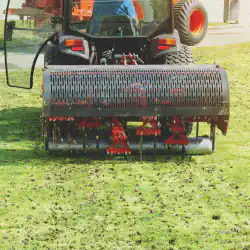
The equipment matters more than most people realize. We use a commercial hydraulic aerator not the drum-style machine you’d rent from Home Depot, and not the tow-behind units that budget operators use. The hydraulic aerator drives tines 3 to 4 inches into the soil. Standard rental equipment gets you maybe 1.5 to 2 inches on a good day. On the compacted Haven loam soils common across Nesconset, that depth difference determines whether you’re actually relieving compaction or just scratching the surface.
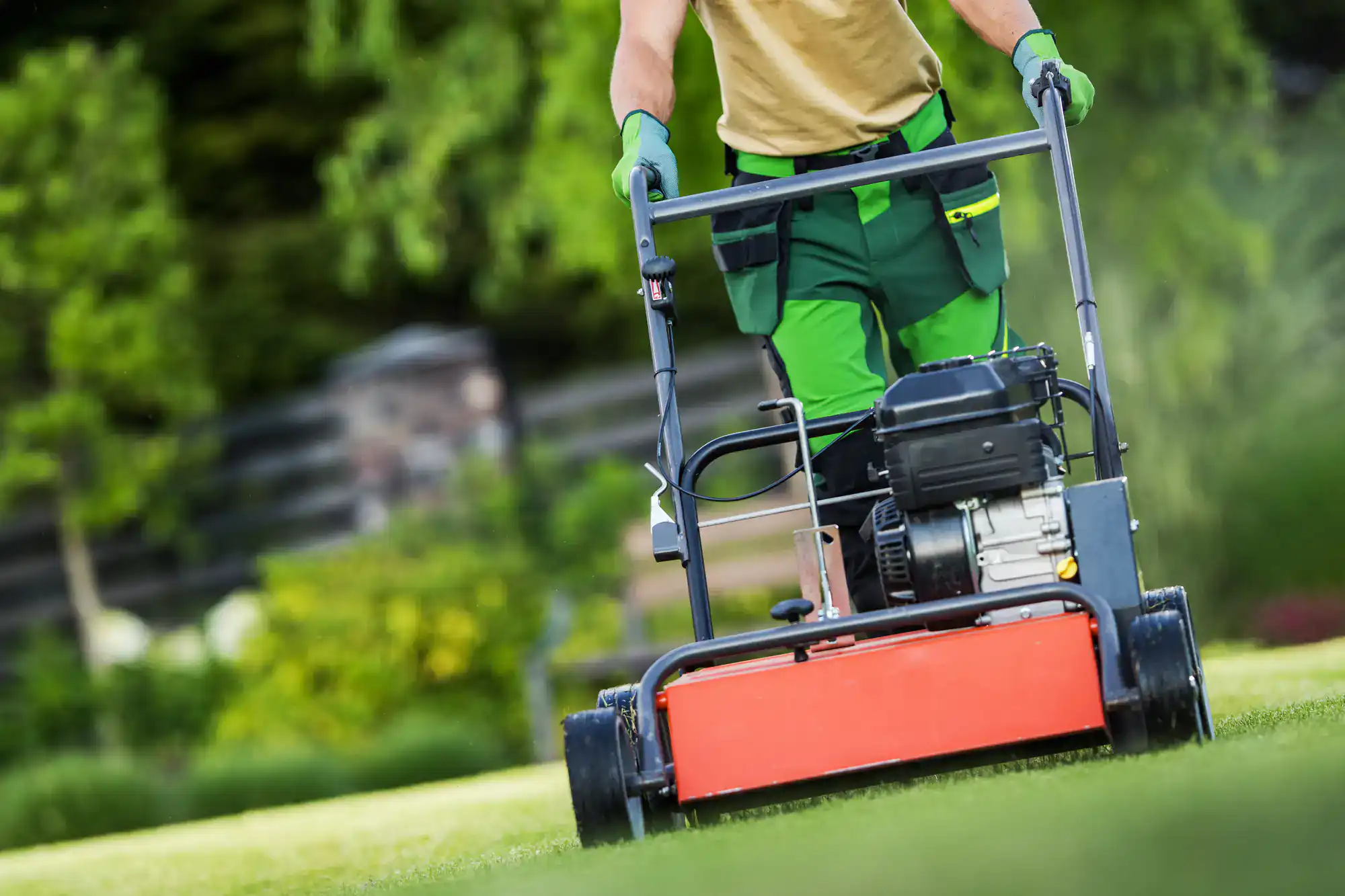
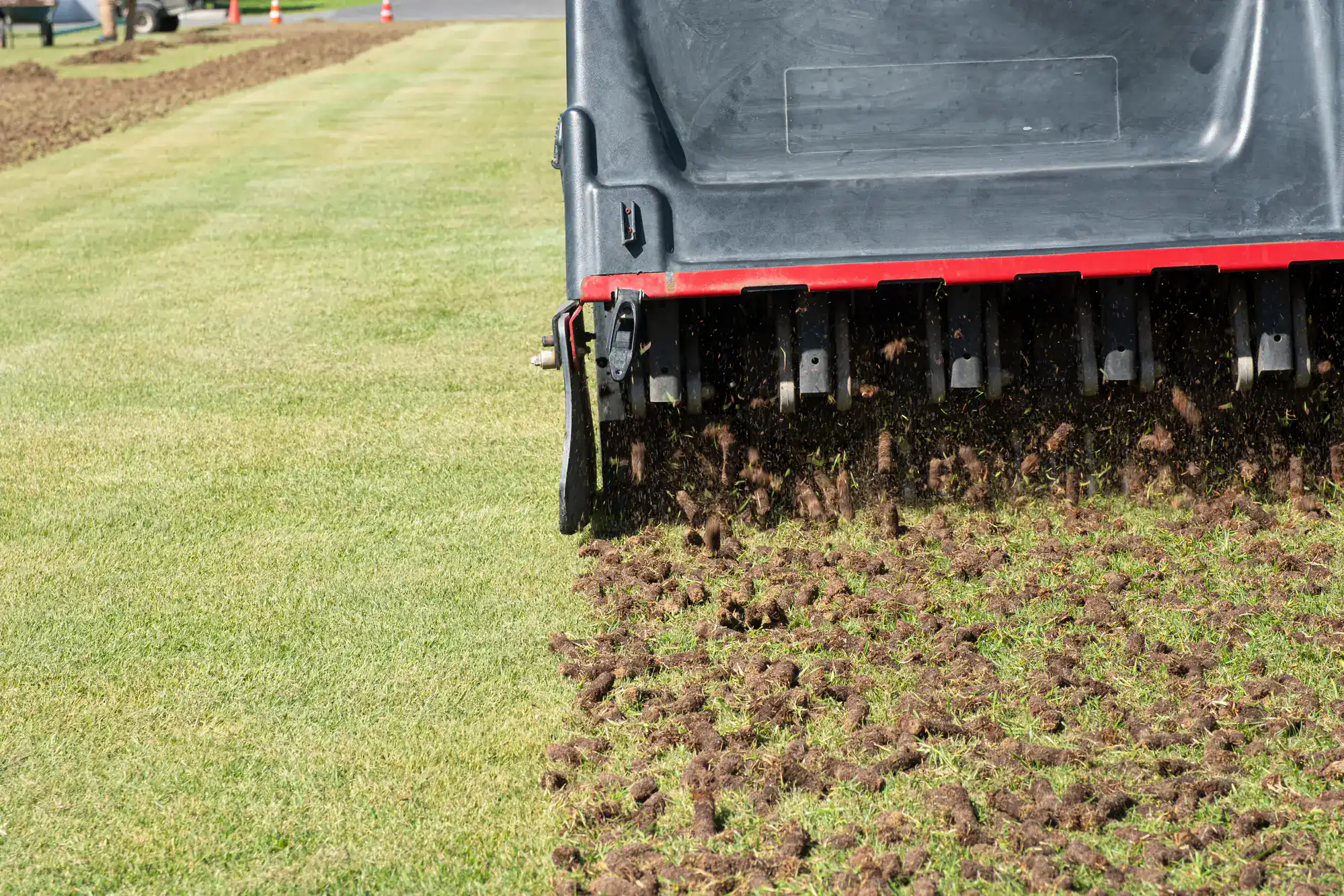
When we arrive, we’ll do a walkthrough of your property before we start. We note irrigation heads, soft spots, and any areas that need adjusted passes. Then the machine runs in overlapping patterns across the lawn, pulling cylindrical plugs of soil and depositing them on the surface. Those plugs are supposed to be there they contain organic matter and soil microbes that break down naturally within two to four weeks. You don’t rake them up. You leave them.
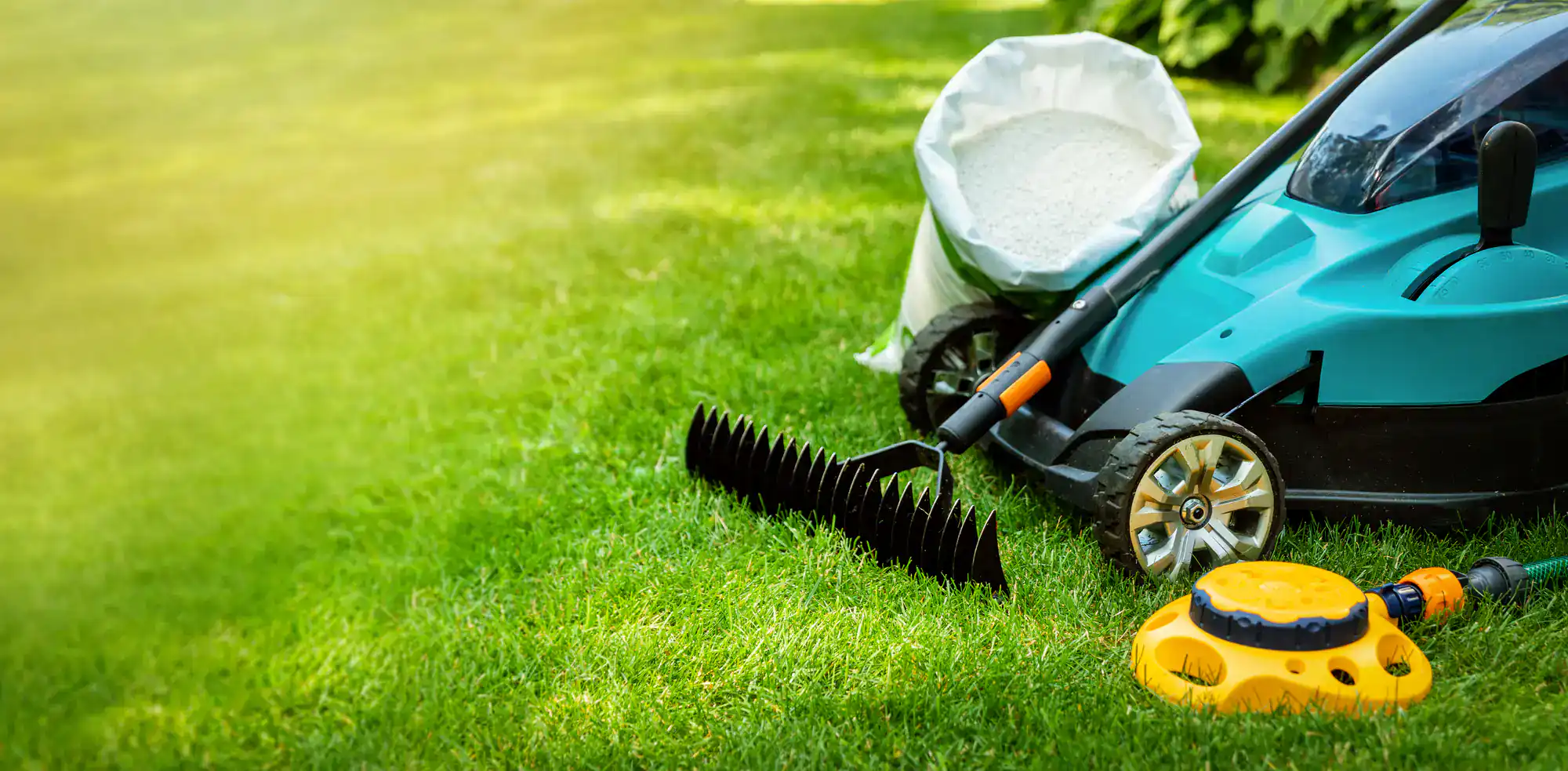
After aeration, your lawn is ready for overseeding if that’s part of your program. The timing matters here. For the cool-season grasses that cover most Nesconset properties tall fescue, Kentucky bluegrass, perennial ryegrass the fall window runs from late August through October. Soil temperatures are still warm enough for germination, the heat stress of summer is gone, and the grass has a full growing season ahead before the following summer. If you’re planning to aerate this fall, booking early isn’t just a suggestion September fills up fast across all of Suffolk County.
Ready to get started?
Core aeration and lawn aeration are the same service and it’s the one that makes everything else you do for your lawn work better. At Lawn Master, aeration isn’t a standalone transaction. It’s the foundation of a complete lawn health program that includes overseeding, fertilization, and seasonal maintenance built around the specific conditions of Suffolk County turf.
For Nesconset homeowners, the tree-lined character of the neighborhood adds a layer that a lot of lawn care companies ignore. Mature tree canopies create dense shade that stresses cool-season grasses, and root systems compete with turf for water and nutrients. Thatch builds up faster in shaded, root-competitive conditions. Core aeration disrupts that thatch layer, improves air exchange at the root level, and creates the seed-to-soil contact you need for overseeding to actually take in shaded areas.
If your home has an in-ground irrigation system common in Nesconset at this level of property investment you may actually need aeration more than a non-irrigated lawn. Repeated irrigation and dry cycles accelerate surface compaction. The soil saturates, dries, compacts, and repeats. It’s one of the more counterintuitive things about lawn care: the more consistently you water, the more consistently you compact. Annual aeration is how you stay ahead of that cycle rather than fighting it from behind.
For most Nesconset lawns, fall is the right window specifically late August through October. The cool-season grasses that dominate virtually every lawn in this area tall fescue, Kentucky bluegrass, and perennial ryegrass all respond best when soil temperatures are between 50 and 65 degrees and the heat of summer has backed off. That window typically lands in mid-September through mid-October on Long Island, though it can shift slightly depending on the year.
The reason timing matters so much is that aeration and overseeding work as a pair. Aerating in fall gives new seed the best possible germination conditions direct soil contact through the aeration holes, moderate temperatures, and a full fall and spring growing season before summer stress sets in. Spring aeration is an option for severely compacted lawns that can’t wait, but the fall window is where you’ll see the best results. One practical note: September books up fast across all of Suffolk County. If you’re planning to aerate this fall, getting on the schedule in August is the smart move.
Core aeration removes a physical plug of soil from the ground, creating genuine open space in the root zone for air, water, and nutrients to move through. Spike aeration pushes a solid tine into the soil without removing anything it just displaces the soil to the sides, which actually increases compaction in the area immediately surrounding each hole.
On the Haven loam soils common across Nesconset and inland Suffolk County, this distinction matters a lot. These soils already compact heavily at the surface layer under normal residential use. Spike aeration on an already-compacted lawn doesn’t relieve the problem it compounds it. Some operators in this market offer spike aeration as a lower-cost option, and it’s worth knowing what you’re actually buying. If the goal is real decompression the kind that lets fertilizer reach the root zone and allows water to infiltrate instead of pooling core aeration is the only method that delivers it.
This is one of the most common frustrations we hear from homeowners in this area, and the answer is almost always the same: the fertilizer isn’t getting where it needs to go. When soil is compacted which it almost certainly is if your home was built in the 1960s or 70s and has had the same lawn ever since nutrients can’t penetrate the surface layer. They sit on top, get washed off by rain or irrigation, and never reach the root zone where the grass actually feeds.
The fix isn’t a different fertilizer or a more aggressive program. It’s aeration first, then fertilization. Once the soil is opened up, fertilizer uptake efficiency improves significantly. That means the money you’re already spending on lawn nutrition starts producing the results you expected it to produce all along. For homeowners in Nesconset who have been running fertilization programs without seeing improvement, aeration isn’t an additional expense. It’s what makes the existing investment pay off.
Pooling water is almost always a compaction issue, not a drainage issue and in Nesconset, where most homes have been on the same lot for 50-plus years, compaction is the default condition. When the surface layer of soil gets packed down hard enough, it loses its ability to absorb water at a normal rate. Water hits the surface, can’t move through, and either pools or runs off.
Compacted soil can reduce water infiltration significantly, which means a substantial portion of your irrigation is evaporating or running off before it ever reaches the root zone. If you have an in-ground system, this is a particularly expensive problem you’re paying to water your driveway and the street. Core aeration restores permeability by removing plugs of compacted soil and creating channels for water to move downward through the profile. After aeration, most homeowners notice a measurable improvement in how quickly water absorbs after rain and after irrigation cycles.
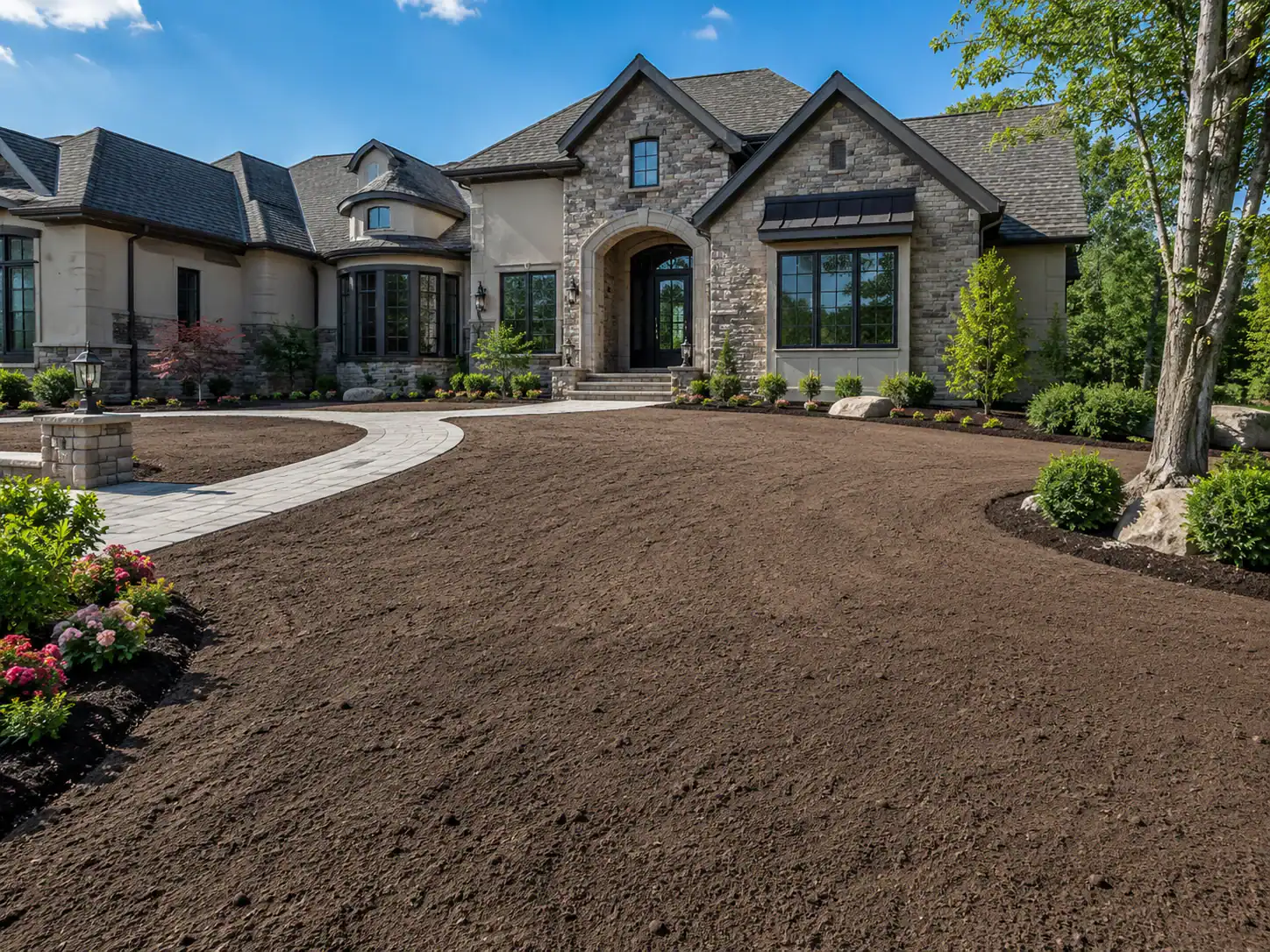
Leave them. The soil cores that get deposited on the surface after aeration are part of the service, not a byproduct to clean up. Each plug contains soil microbes and organic matter from the root zone, and as they break down typically within two to four weeks under normal conditions they return those materials to the surface, contribute to thatch decomposition, and help improve the overall biology of the soil.
We understand why this can feel alarming, especially in a neighborhood like Nesconset where people take real pride in how their lawns and properties look. The lawn will look temporarily disrupted, and that’s normal. Within a few weeks, the plugs are gone. Within a season, the improvement in turf density, color, and resilience is visible. Raking up the plugs would eliminate one of the key long-term benefits of the process. The best thing you can do is water consistently after aeration, especially if you’ve overseeded, and let the lawn do what it’s going to do.
For a standard residential lot in Nesconset most of which run from a quarter-acre to a half-acre professional core aeration typically falls in the $100 to $200 range. Larger properties run higher, and the total cost depends on lot size, any obstacles that require extra passes, and whether you’re adding overseeding or a fertilization treatment at the same time.
What’s worth keeping in mind is the value side of that number. If you’re already running a fertilization program and spending several hundred dollars a year on lawn nutrition, aeration is what makes that spending effective. A compacted lawn is a lawn where fertilizer doesn’t work. Aeration changes that equation. For Nesconset homeowners who have been investing in their lawn without seeing results, the cost of aeration is almost always less than another season of fertilizer on soil that can’t absorb it. The best way to get an accurate number for your specific property is to request an estimate there’s no obligation, and it takes the guesswork out of the decision.
Useful Links
Other Services we provide in Nesconset