

Hear from Our Customers
If you’ve been avoiding the back corner of your yard, keeping the kids off the grass near the fence line, or doing a full tick check every time the dog comes inside that’s not normal. That’s a property that hasn’t been properly treated. In Great River, where the deer population from Heckscher State Park ranges directly into residential yards along Great River Road and River Road, the pressure isn’t seasonal. It’s constant.
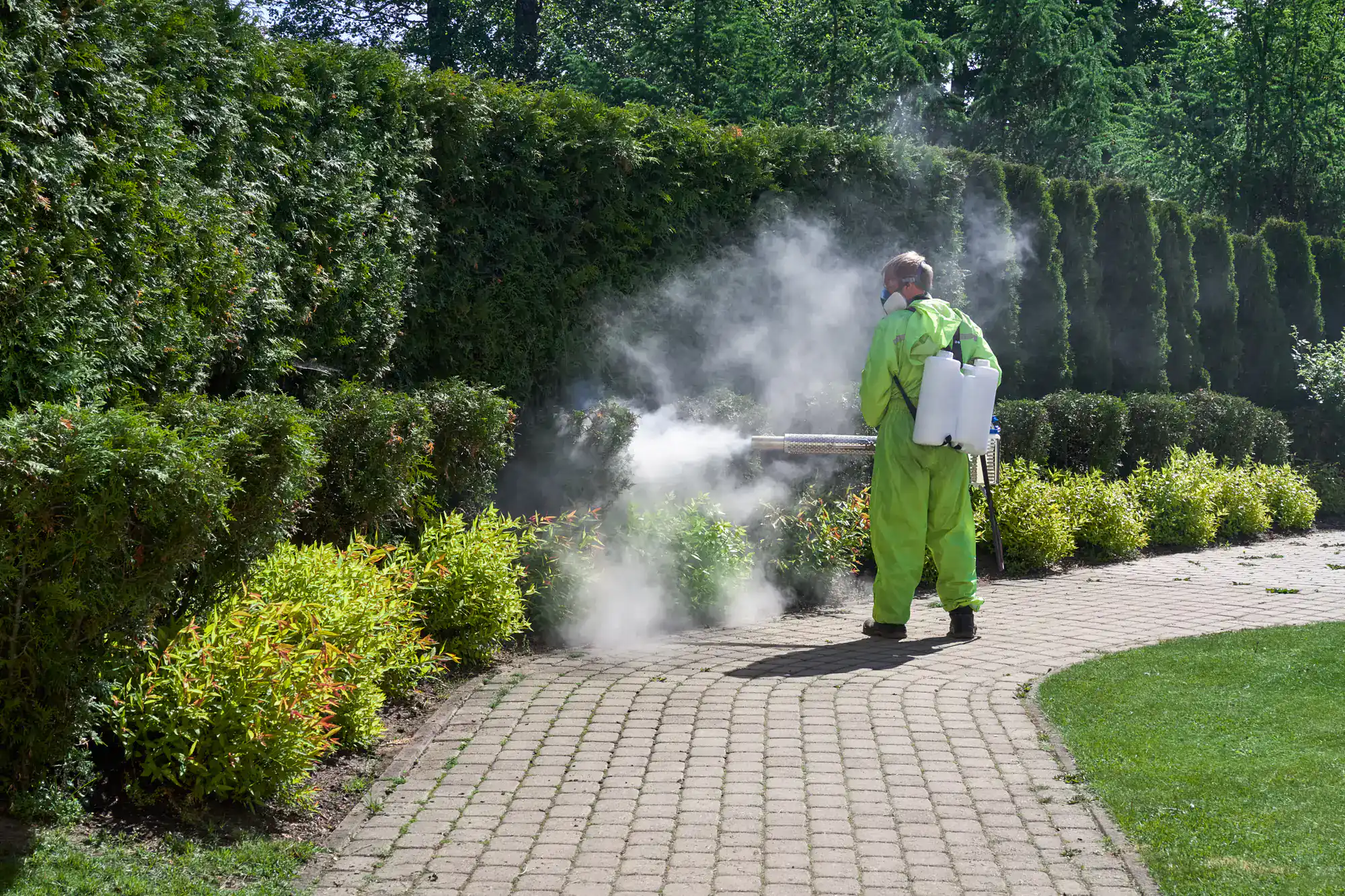
A well-executed flea and tick control program doesn’t just knock down what’s visible. We create a barrier at the edges of your property the wooded buffers, the ornamental beds, the shaded areas along the fence where ticks actually wait for a host. After consistent seasonal treatment, the difference is real. You stop finding ticks on your clothes after walking to the mailbox. Your kids play outside without you running a mental checklist. Your dog isn’t a delivery system for whatever’s living along the Connetquot River Preserve border.
Great River’s bayfront microclimate also means tick activity windows run longer here than in inland towns. The mild South Shore air keeps temperatures above the threshold for tick activity well into November and back again in early March. A program that accounts for that extended window not just the summer peak is what actually moves the needle on your risk.
We’ve been serving Suffolk County since 1987. That means we’ve been treating Great River and South Shore properties through every shift in tick species populations, every change in application standards, and every season of elevated Lyme disease risk that Long Island has seen over the past four decades. We know this county. We know this coastline. And we know what it takes to protect a property that backs up to preserved open space.
Every application is handled by NYSDEC-licensed pesticide professionals not labor-only crews. That distinction matters, especially for Great River homeowners with waterfront property adjacent to the Connetquot River or Nicoll Bay. Licensed applicators know what to apply, how much, and where including how to protect sensitive environments while still delivering results.
We also bring owner-level accountability to every job. In a community as tight-knit as Great River where neighbors talk and word travels that kind of consistency is what keeps clients coming back year after year.
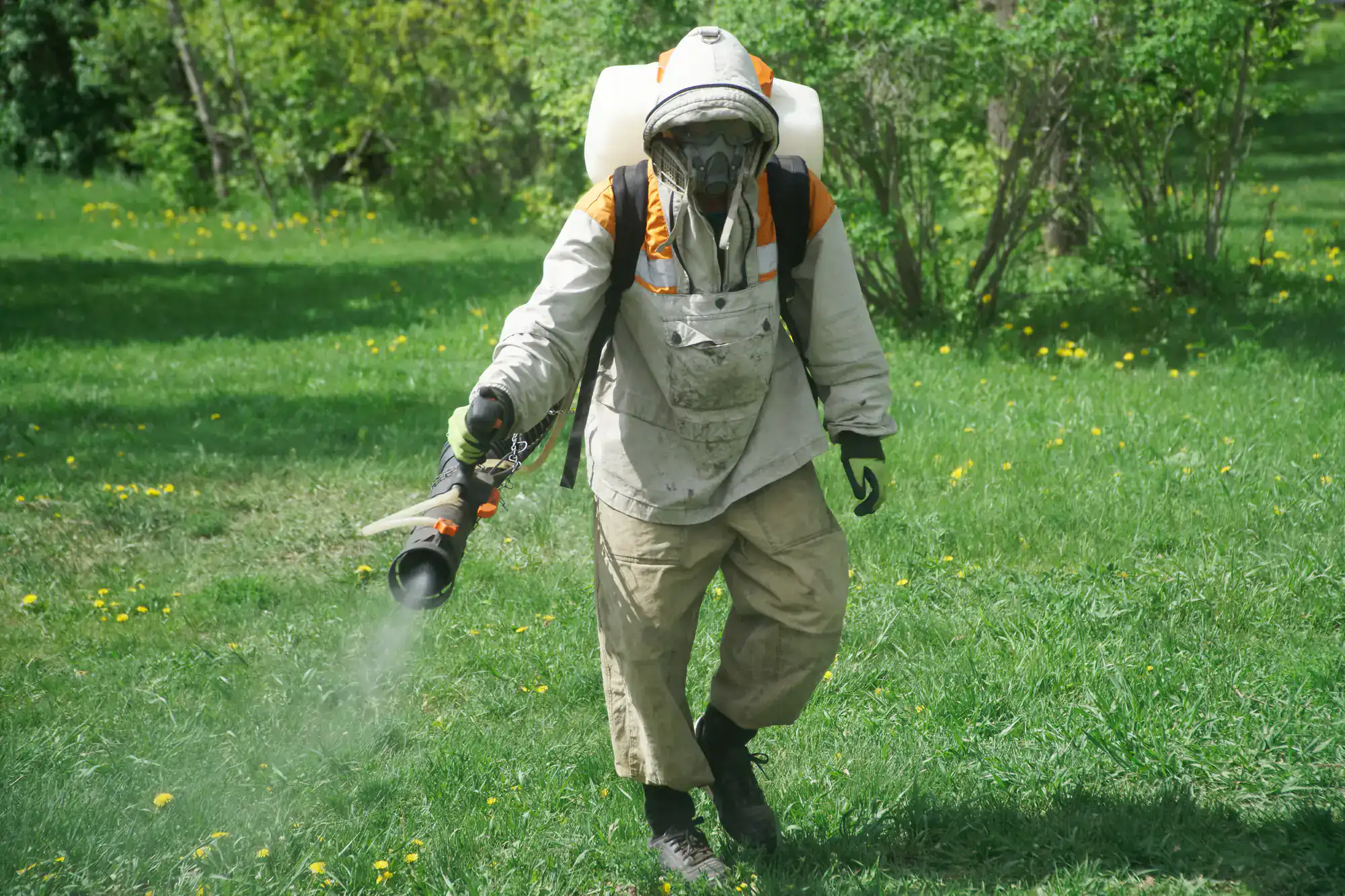
It starts with a property assessment. Before any product goes down, we look at your specific lot where the wooded edges are, which sides of your property face the preserve or the arboretum, where the shaded and moist areas are, where deer are most likely entering. A property on Timber Point Road with golf course adjacency gets treated differently than a riverfront lot on River Road. That assessment shapes everything that follows.
From there, we build a seasonal program around your property’s actual risk profile. A minimum of three applications per season is standard, but Great River properties given the extended tick activity window created by the bay’s moderating climate often benefit from five to six treatments spread from early April through late November. Each treatment targets the transition zones where ticks concentrate: the border between your lawn and any naturalized area, the undersides of ornamental shrubs, the leaf litter along fence lines, and the shaded north-facing beds that stay moist longest.
Between treatments, we send seasonal reminders so you always know when your next application is coming. You don’t need to be home. You don’t need to manage the schedule. When the treatment is done, you’ll receive confirmation and your invoice is available to pay online no checks, no phone tag.

Ready to get started?
Our flea and tick control programs cover the full scope of what a Great River property actually needs. That includes targeted barrier treatments along preserve-adjacent edges, ornamental bed treatment where ticks shelter in leaf litter and dense plantings, and flea control that addresses all life cycle stages not just the adults you can see. Insect Growth Regulators are part of the program specifically because they interrupt the flea reproductive cycle at the egg and larval stage, which is what prevents reinfestation rather than just knocking back the current population.
Every program is custom-tailored. There’s no one-size approach when your property might border the Connetquot River State Park Preserve on one side and a manicured arboretum on the other. The tick species active in Great River blacklegged deer ticks, American dog ticks, and lone star ticks each have different seasonal windows and habitat preferences, and the treatment schedule reflects that. Deer ticks peak twice, in late spring and again in fall. Lone star ticks run from spring through late fall. Your program is built around those windows, not a generic calendar.
Because we also manage turf health fertilization, aeration, lawn restoration we can address the underlying yard conditions that make flea and tick habitat worse: excess thatch, poor drainage, overgrown edges. That’s something no standalone pest control company in Great River can offer. The lawn and the pest program work together.
Great River is genuinely one of the higher-risk communities in Suffolk County, and the reason is geographic. The hamlet is effectively surrounded by preserved open space on three sides Heckscher State Park to the south and west, the Connetquot River State Park Preserve to the east, and the Bayard Cutting Arboretum running along the river corridor through the hamlet itself. Heckscher is officially designated by the NYSDEC as the “home of the white-tailed deer,” and deer are the primary reproductive host for the blacklegged tick the species responsible for Lyme disease, babesiosis, and anaplasmosis.
When deer move between those preserves and residential properties in Great River which they do regularly, crossing through unfenced yards and traveling the river corridor they deposit ticks directly into your lawn. A Columbia University study found that 56% of Long Island ticks carry the bacteria that causes Lyme disease. Suffolk County consistently ranks among the top three counties statewide for confirmed cases. Great River’s position at the intersection of three preserved wildlife areas places it at the upper end of that risk spectrum.
Early April is the right target for the first application in Great River. Adult blacklegged ticks that overwintered in leaf litter and there’s no shortage of that along the arboretum border and the Connetquot River buffer become active with the first sustained warm spells, often before most homeowners are thinking about tick season. Getting a treatment down before the nymphal population peaks in May and June is critical, because nymphs are the size of a poppy seed and responsible for the majority of Lyme disease transmissions. They’re nearly impossible to spot on skin or clothing.
Great River’s South Shore microclimate is also worth factoring in. The moderating influence of the Great South Bay keeps temperatures milder here than in inland Suffolk County towns, which can push tick activity windows earlier in spring and later into fall. Waiting until May to start treatment means you’ve already missed a significant window. The goal is to have a barrier in place before the nymphal surge, not after it.
This is one of the most common questions we hear from Great River homeowners, and it’s the right one to ask. Properties along River Road and the Connetquot River corridor sit adjacent to ecologically sensitive water bodies, and the application approach near those areas needs to reflect that. NYSDEC-licensed applicators which is what we employ are trained specifically in how to apply pesticides responsibly near water, including proper buffer distances, appropriate product selection, and application rates that minimize runoff risk.
The distinction between a licensed professional and an unlicensed crew matters most in situations exactly like this. New York State law requires that commercial pesticide applications be performed by or under the direct supervision of a certified commercial applicator. That certification requires passing a state examination and completing required training that covers environmental protection standards. When you have a licensed applicator managing your treatment, you’re not just getting effective tick control you’re getting someone who is legally and professionally accountable for how it’s done near your waterfront.
Three applications per season is the minimum for meaningful protection, but most Great River properties benefit from five to six. The reason comes down to how long each treatment stays effective typically four to six weeks and how long tick season actually runs in this area. Blacklegged ticks have two active periods: a spring and early summer surge driven by nymphs, and a fall resurgence of adults that runs from September through November. Lone star ticks, which are also present on Long Island, stay active from spring through late fall without a significant gap.
Great River’s extended tick window stretched by the bay’s moderating climate and the continuous pressure from the surrounding preserves means a three-application program can leave gaps in coverage during the fall resurgence. The Suffolk County Marathon starts and ends at Heckscher State Park in mid-September, which is a useful reminder that tick season in this area is very much still active when summer ends. A program built around the actual seasonal pattern here, not a generic calendar, is what produces consistent results through the full exposure window.
The products are different, the equipment is different, and the knowledge of where to apply them is different. Store-bought tick and flea sprays are available to anyone they’re formulated for consumer use, which means lower concentrations and no requirement for training on how or where to apply them effectively. Professional-grade acaricides are applied using commercial equipment that delivers product to the specific locations where ticks concentrate: the north and east-facing sides of ornamental shrubs, the leaf litter along preserve edges, the shaded ornamental beds that hold moisture longest.
The bigger gap is usually on the flea side. Over-the-counter flea products almost never include Insect Growth Regulators, which are what actually break the reproductive cycle by targeting eggs and larvae before they develop into adults. Without IGRs, you’re killing what’s visible but leaving the next generation in place. That’s why homeowners who’ve tried DIY spraying often find themselves dealing with the same problem three weeks later. A professional program addresses the full life cycle which is what produces lasting results rather than temporary knockdown.
Yes, and that’s actually one of the most important parts of treating a Great River property correctly. Ticks don’t congregate in the middle of an open lawn they wait for hosts at transition zones, which is exactly what the border between your yard and the preserve represents. Research supports treating up to 20 to 30 yards into the wooded edge adjacent to preserved areas, because that’s where the tick population is densest and where most residential exposure actually originates.
For properties along the eastern edge of Great River where the Connetquot River State Park Preserve runs directly adjacent to residential land, skipping that border treatment and only spraying the open lawn is like locking the front door and leaving the back one open. The assessment we do before every program specifically looks at preserve adjacency, wooded buffers, and the natural areas bordering your property because a treatment plan that doesn’t account for where the ticks are actually coming from isn’t going to hold up season after season.
Useful Links
Other Services we provide in Great River