
Hear from Our Customers
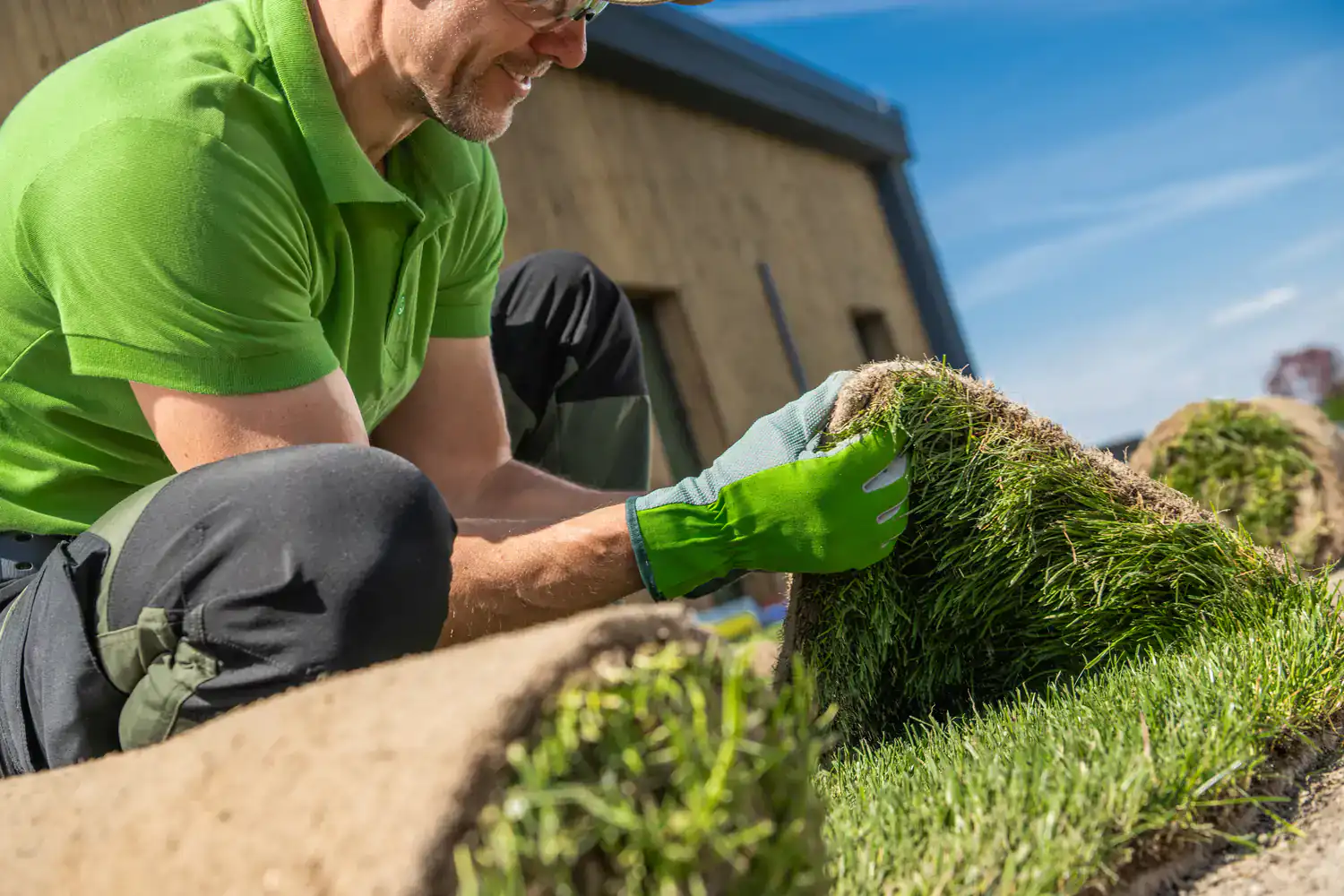
When lawn seeding is done right for a Great River property, the difference shows up fast and more importantly, it holds. You’re not watching thin patches return by August. You’re not re-seeding the same bare strip along the driveway for the third fall in a row. You have a dense, even lawn that handles summer stress because the root system was built correctly from the start.
Great River’s South Shore soils are predominantly sandy, which means they drain fast and dry out quickly during July and August heat. That’s one of the biggest reasons lawns here thin out every summer the root system never went deep enough to survive drought stress. When seeding is paired with core aeration and the right cool-season grass blend for this area, roots establish deeper and the turf stays dense even when the heat peaks.
The mature tree canopy on many Great River properties adds another layer to this. Homes along the Connetquot River corridor and throughout the hamlet sit under significant shade from oaks, maples, and specimen trees that have been growing for decades. Standard seed blends don’t survive in those conditions. The right shade-tolerant fescue mix, applied at the right time with the right soil prep, is what turns those problem areas into actual lawn not just bare ground under a tree.
We operate exclusively in Suffolk County. Not a franchise. Not a regional call center dispatching crews who’ve never driven through Great River or seen a South Shore property up close. Every lawn seeding program we put together is based on direct knowledge of this area the sandy soils, the tidal waterway proximity, the shade conditions from estate-era tree cover, and the seasonal timing that actually works on Long Island.
Great River is a specific place. With fewer than 2,000 residents, a median home value above $1.1 million, and properties that back up to the Connetquot River and Nicoll Bay, the standard here is high and the conditions are unique. We know that. We’ve worked in this corridor Great River, East Islip, Oakdale, North Great River long enough to understand what works and what doesn’t on these properties.
You’re not getting a crew reading your address off a clipboard for the first time. You’re getting a team that already knows what your lawn is likely dealing with before we pull into the driveway.
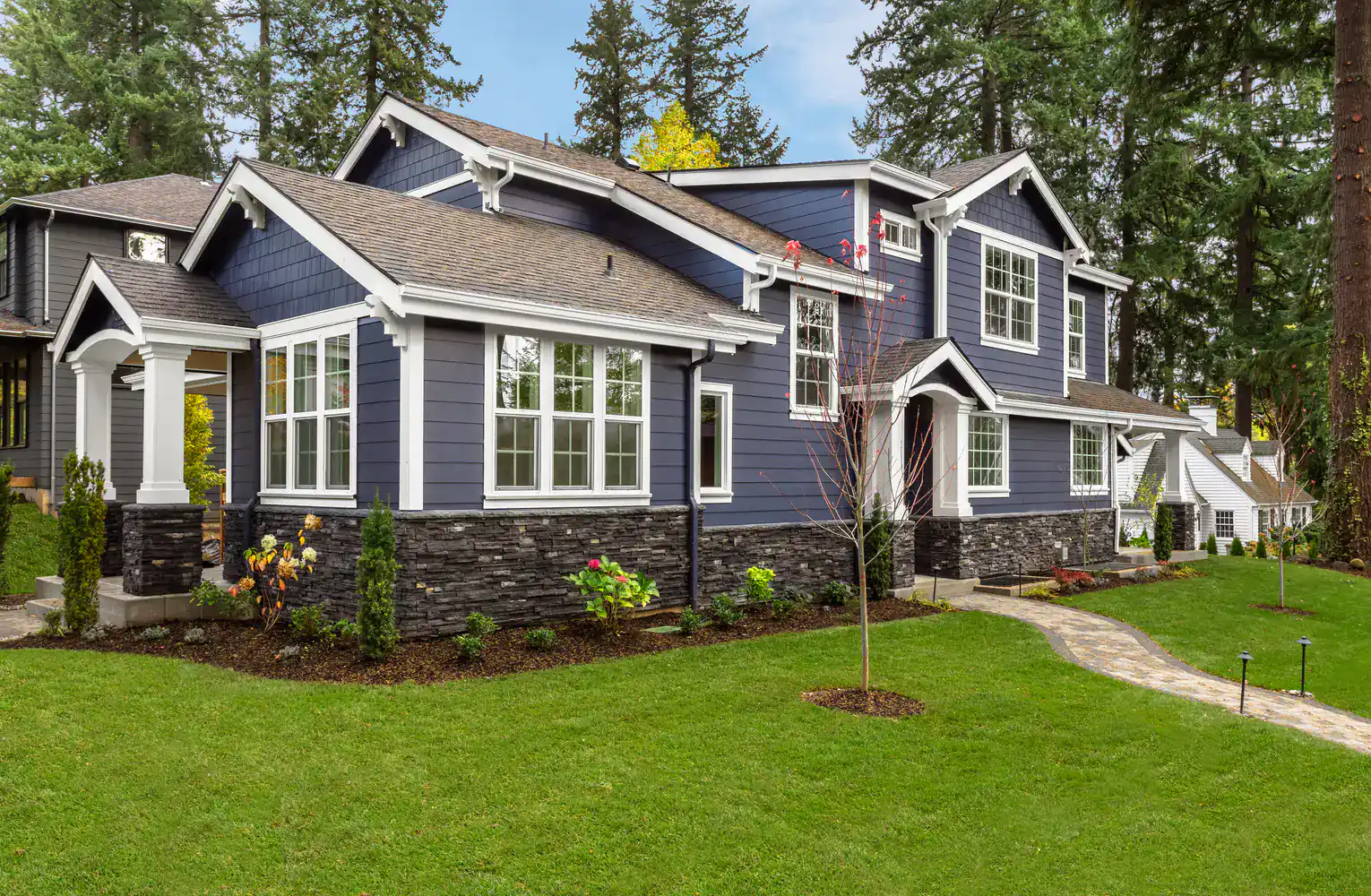
It starts with a site assessment. Before any seed goes down, we look at your soil type, shade coverage, existing turf density, and drainage pattern. On Great River properties, that assessment often reveals two or three distinct micro-conditions on the same lawn a full-sun area near the street, a deep-shade zone under a mature oak, and a transitional strip that gets partial afternoon light. Each zone needs a different approach, and that’s what separates a professional seeding program from a bag of mixed seed from the hardware store.
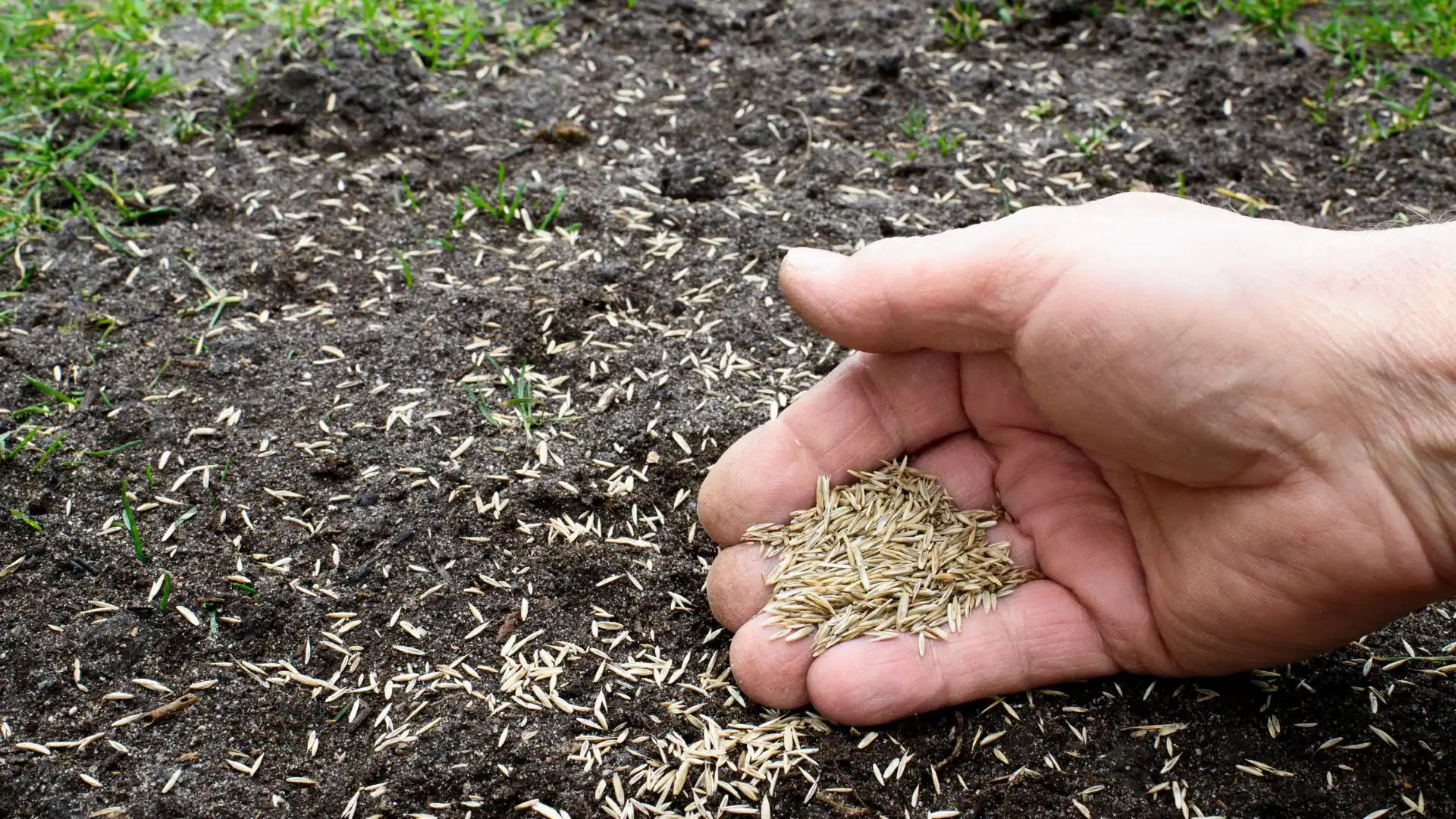
From there, we core aerate before seeding. On the sandy, fast-draining soils common throughout the South Shore, aeration breaks up any compaction layer and creates direct seed-to-soil contact. Seed that lands in an aeration channel germinates at a significantly higher rate than seed broadcast over thatch. For properties with larger open areas, steep grades near the water, or ground disturbed by a recent renovation, we also offer hydraulic lawn seeding a process that combines premium seed, fertilizer, and a protective mulch layer in a single application that locks moisture in and holds seed in place.
Timing is everything on Long Island. The fall window late August through mid-October is when soil temperatures are still warm enough to support germination while air temperatures have dropped below the stress threshold. That’s when we do the bulk of our seeding work in Great River. Spring seeding is available for bare spots and new construction, but fall is the professional standard for a reason, and we plan around it accordingly. After seeding, we pair every job with a starter fertilizer application to support early root development. Suffolk County’s nitrogen application restrictions near waterways are part of how we build every program responsible by default, not as an add-on.
Ready to get started?
Not every grass variety works on a South Shore Long Island property. Turf-type tall fescue is the workhorse for most Great River lawns it handles the summer heat, tolerates the sandy soil, and produces a dense, durable stand that holds up under normal foot traffic. For full-sun areas with good irrigation, we often blend in Kentucky bluegrass for its rich color and self-repairing growth habit. Perennial ryegrass goes into mixes where fast establishment matters new construction, bare areas that need coverage quickly, or high-visibility spots near the front of the property.
Where Great River differs from most of the towns we work in is the shade. The mature tree canopy throughout this hamlet a legacy of its estate history and its proximity to the Bayard Cutting Arboretum creates significant low-light zones where standard turf blends simply won’t establish. For those areas, we use fine fescue and shade-adapted tall fescue blends that are specifically selected for the light conditions on your property. This isn’t a one-size approach. It’s a site-specific seed selection based on what we see when we assess your lawn.
For homeowners dealing with a full bare-ground situation after a pool install, a renovation, or years of neglect we offer complete new lawn establishment from seed. That includes soil preparation, grade assessment, amendment if needed, seeding, and a follow-up fertilization protocol through the establishment period. For existing lawns that have thinned but aren’t starting from scratch, our professional overseeding service targets the problem areas with the same aeration-first protocol, thickening what you have without disrupting what’s already working. Both services are available as standalone programs or as part of a broader lawn seeding and fertilization program designed to keep your lawn dense through the full growing season.
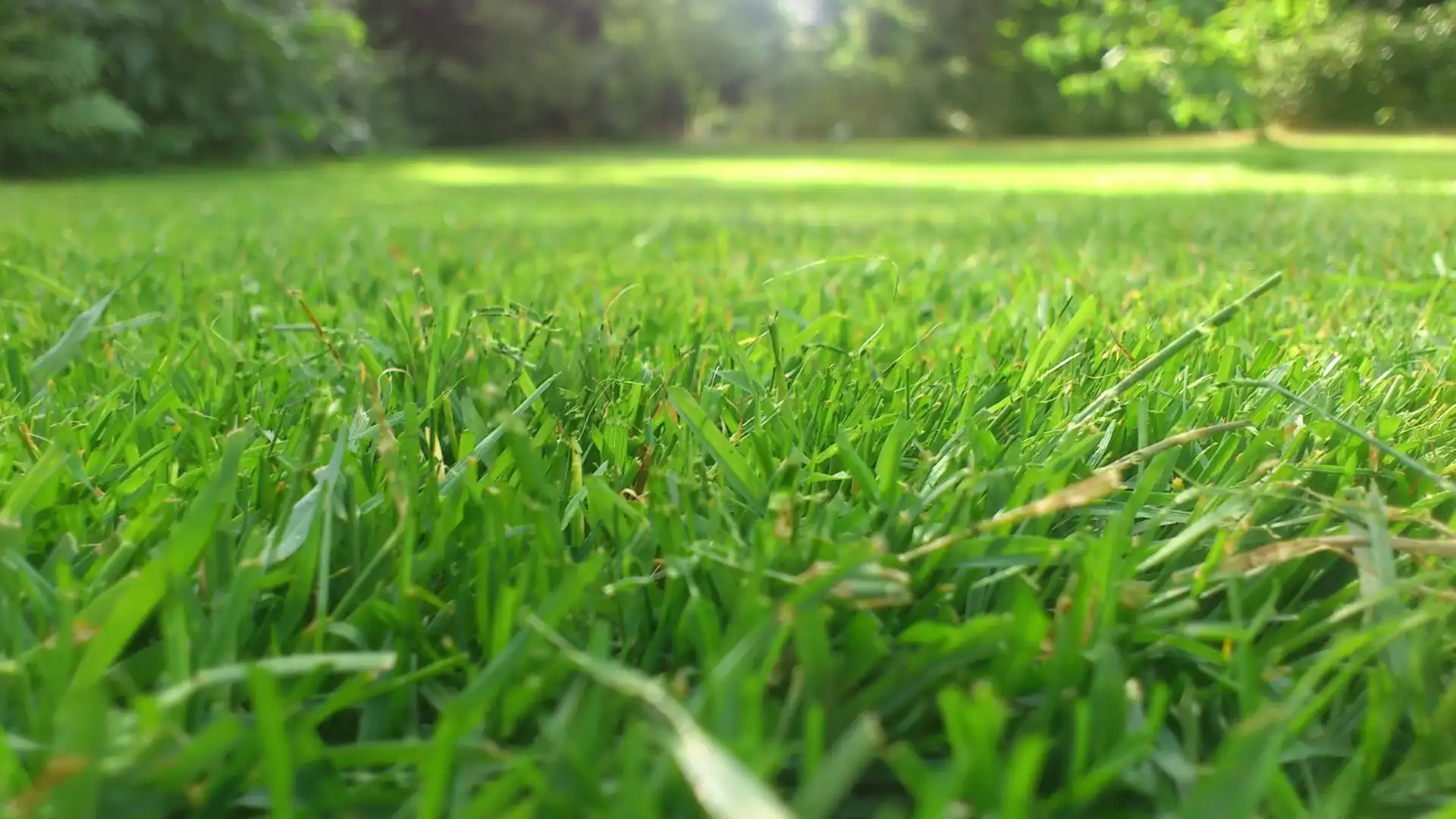
The best time to seed a lawn in Great River is late August through mid-October. That window gives you warm soil temperatures which is what actually drives germination combined with cooler air temperatures that reduce stress on new seedlings. It also means you’re ahead of the first hard frost, giving new grass enough time to establish a root system before winter sets in.
Spring seeding is a secondary option, typically used for bare spots or new construction where waiting until fall isn’t practical. The challenge with spring seeding on Long Island is the narrow window between soil warm-up and summer heat arrival. You also have to work around crabgrass pre-emergent applications, which prevent weed germination but also prevent grass seed from germinating if applied too early. For most Great River homeowners with an existing lawn that needs thickening, fall is the right call and it’s when we schedule the majority of our seeding work in this area.
This is one of the most common frustrations we hear from homeowners in Great River and throughout the South Shore Islip corridor. The most likely cause is shallow root development from the previous seeding either the seed was applied without aeration, the wrong grass variety was used for your soil conditions, or the establishment period didn’t include consistent enough moisture to drive deep root growth.
Great River’s sandy soils drain fast, which is good for disease prevention but hard on new seedlings that need consistent moisture to establish. When roots stay shallow because the seedbed dried out too quickly during establishment, the lawn looks fine through spring but has nothing left to pull from once July heat arrives. The fix is aeration before seeding to improve seed-to-soil contact, the right grass variety for your specific sun and soil conditions, and a post-seeding fertilization program that builds root mass not just top growth. A lawn that thins every summer is almost always a root depth problem, not a seed quality problem.
Yes, and it’s something worth understanding before you hire anyone to seed or fertilize near the water. Suffolk County has nitrogen fertilizer application restrictions designed to protect the Great South Bay watershed, the Connetquot River, and Long Island’s groundwater. Nitrogen applications are generally restricted from approximately November 1 through April 1, which affects the timing of any fertilization program paired with fall seeding. Applications made near waterways also need to follow setback guidelines and rate limits under county groundwater protection regulations.
For homeowners in Great River especially those with properties that back up to Nicoll Bay, the Connetquot River, or any tidal drainage working with a licensed applicator who understands these restrictions isn’t optional, it’s the responsible baseline. We operate under proper New York State DEC pesticide applicator licensing, and every fertilization program we build near sensitive waterways is designed with the county’s restrictions in mind. You get a thick lawn without contributing runoff into the water you’re living next to.
Fine fescue is the go-to for deep shade on Great River properties. Creeping red fescue, chewings fescue, and hard fescue are all varieties within the fine fescue family that tolerate low-light conditions better than any other cool-season grass. For areas with moderate shade partial sun for part of the day shade-tolerant turf-type tall fescue blends can also work well and provide a denser, more durable stand than fine fescue alone.
What doesn’t work under Great River’s mature tree canopy is Kentucky bluegrass or straight perennial ryegrass in a full-shade setting. Both need significant sun exposure to thrive, and applying them to a shaded zone is one of the most common reasons DIY seeding fails on properties with older, established trees. If you’ve tried seeding under your oaks or maples before and watched it fail, the issue was almost certainly the seed selection, not the effort. The right blend for those specific light conditions makes a real difference.
Under normal fall conditions in Great River, you’ll typically see initial germination within 7 to 21 days depending on the grass variety. Perennial ryegrass germinates fastest often within 5 to 10 days. Turf-type tall fescue takes 10 to 14 days on average. Kentucky bluegrass is the slowest, sometimes taking 3 weeks or more, which is why it’s usually blended with faster-establishing varieties rather than seeded alone.
What you see at three weeks is not the finished product. Germination is the beginning, not the result. A newly seeded lawn needs 6 to 8 weeks of establishment before it’s developing the root depth that makes it durable. By spring, a lawn that was properly seeded the previous fall should be noticeably thicker and more uniform. The biggest variable in your control during that window is consistent moisture keeping the seedbed from drying out during the first few weeks is the single most important thing a homeowner can do after a professional seeding service.
For most Great River homeowners, the honest answer is yes but the reason isn’t just about effort. It’s about the gap between what a professional program delivers and what a DIY approach typically produces on South Shore Long Island properties.
The variables that determine whether seeding succeeds here soil condition, aeration depth, seed variety matched to your specific shade and sun zones, timing within the fall window, post-seeding fertilization are all things that require site assessment and experience to get right. A bag of mixed seed from the hardware store doesn’t account for the fact that half your lawn is under a 60-year-old oak. It doesn’t core aerate before application. It doesn’t match the seed blend to your soil drainage rate. When those variables are wrong, the seed germinates thin, the roots stay shallow, and the lawn thins out again by the following summer. You end up spending on seed two or three seasons in a row to get a result that a single professional program would have delivered the first time. In a community where homes regularly sell above $1 million and the outdoor standard is set by properties like those surrounding the Bayard Cutting Arboretum, the investment in doing it correctly once tends to make a lot more sense than repeating a cheaper approach that hasn’t worked.
Useful Links
Other Services we provide in Great River