

Hear from Our Customers
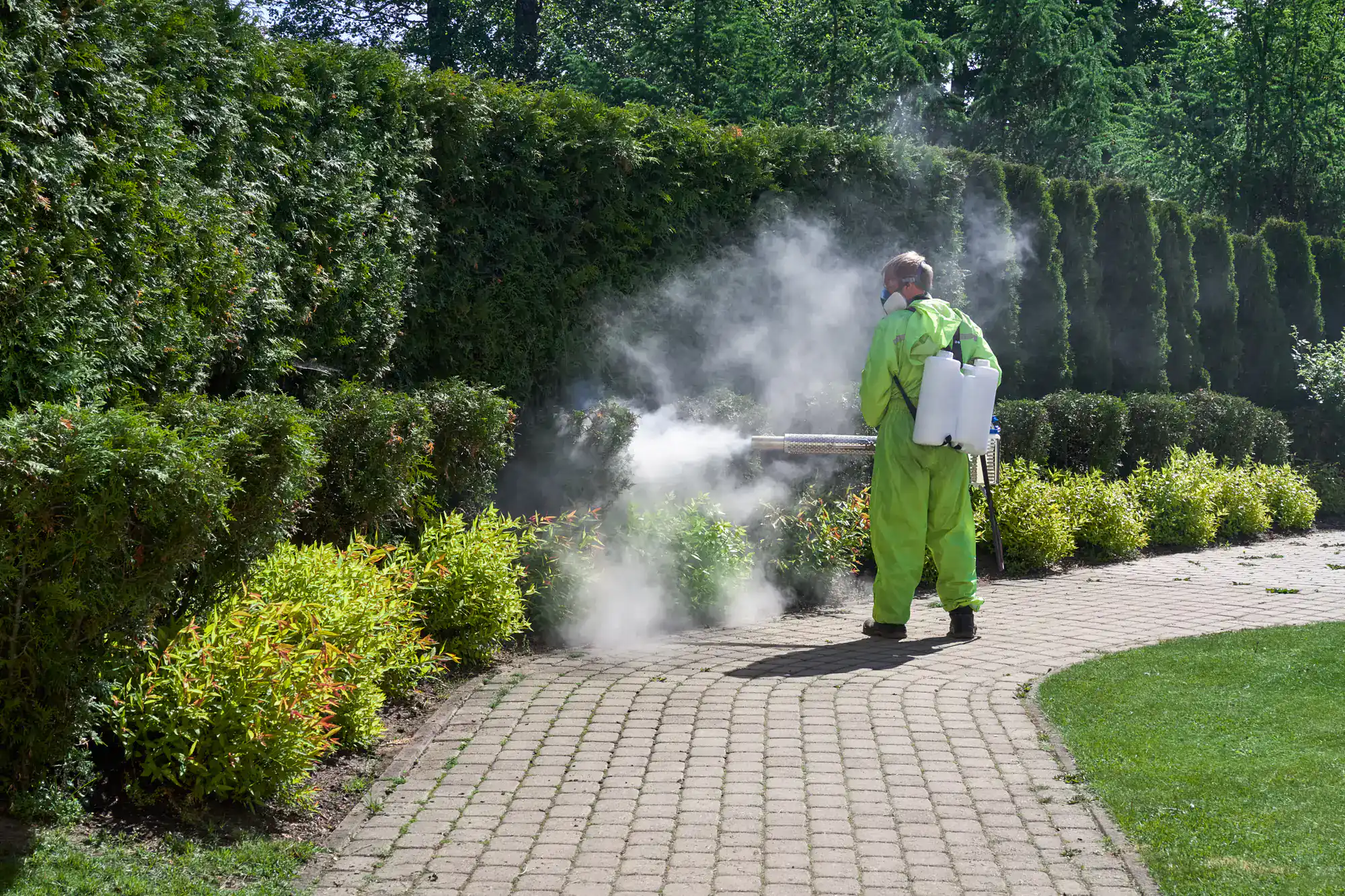
You stop finding ticks on your dog after every trip outside. Your kids can play in the backyard without you running a full inspection afterward. That’s not a small thing that’s your whole summer back.
Living next to Sunken Meadow State Park means deer are moving through your yard whether you see them or not. Those deer are carrying adult black-legged ticks, and they’re dropping them at your lawn’s edge, in your garden beds, along every shaded border where your grass meets the tree line. A single professional treatment program, timed correctly and applied to the right zones, breaks that cycle before it starts.
Kings Park’s mature hardwood canopy and established landscaping the stuff that makes these properties beautiful also creates the cool, damp, leaf-litter environment where ticks thrive and fleas establish harborage. Addressing that means treating more than just the perimeter. It means understanding your specific property and what makes it a target. That’s what we do.
We’ve been operating in Suffolk County since 1987. That’s before the Kings Park Psychiatric Center closed, before Nissequogue River State Park opened, and before the former hospital grounds naturalized into the wooded tick habitat that now borders the western edge of this community. We’ve watched this area change and we know exactly what that change means for the properties alongside it.
Every technician is a licensed pesticide professional under NYSDEC not a seasonal hire handed a spray tank. Our programs are custom-built for each property, not templated. And because this is an owner-operated business, the accountability doesn’t diffuse through a corporate chain. Someone who has staked 37 years of reputation on this work is directly responsible for what happens on your lawn.
If you’ve been burned by a company that stopped showing up or missed treatments without a word, you already know what that costs you. Our track record in Kings Park and across western Suffolk County exists because we don’t operate that way.
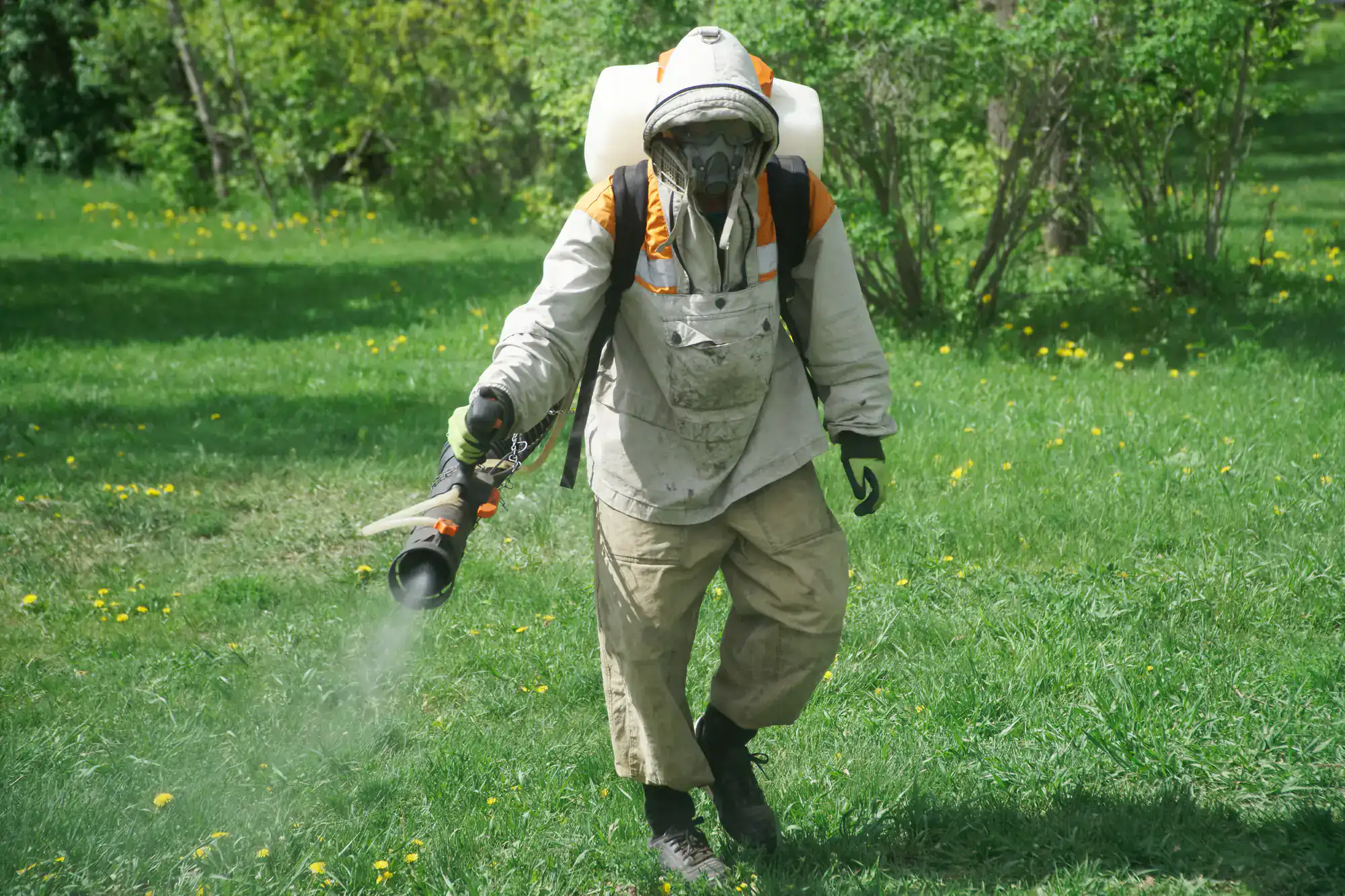
It starts with understanding your specific exposure. A property on the north side of Kings Park backing up toward the Sunken Meadow border has a very different risk profile than one on the south end with open turf and minimal shade. We look at your yard the wood-line transitions, the shaded beds, the leaf-litter zones, the areas where your kids and pets actually spend time and build the program around what’s real, not a generic schedule.
On Long Island, black-legged tick nymphs peak in May through June. They’re the size of a poppy seed and the hardest to detect. By the time most homeowners notice a problem, the peak exposure window has already passed. Our seasonal programs are timed to get ahead of that with an early spring application in April before nymphal populations surge, maintenance treatments every three to four weeks through the active season, and a fall application in September and October to address the adult tick surge and reduce what overwinters into next year.
Each application targets the actual harborage zones: lawn edges, shrub beds, shaded transition areas, and the buffer between your managed turf and the natural vegetation beyond it. That’s where the ticks are. That’s where the treatment goes.

Ready to get started?
Kings Park isn’t a standard suburban service call. The dual-park adjacency Sunken Meadow to the north, Nissequogue River State Park to the west creates tick and mosquito pressure that doesn’t let up from April through November. The Nissequogue River’s freshwater wetlands add mosquito breeding habitat on top of the tick pressure from the wooded deer corridors. Our programs address both, and they’re structured to keep up with that pressure across the full active season, not just respond to it after the fact.
Every product we apply is handled by a NYSDEC-licensed professional, which matters both legally and practically. New York State requires commercial pesticide applicators to hold active state certification and our team does. For properties near the Nissequogue River or along the park perimeter, proper application near water bodies is handled with the environmental care those zones require.
What you get is a program that’s calibrated to your property, applied by someone who is actually licensed to do it, and backed by nearly four decades of on-the-ground experience in this specific county. Online credit card payment is available, and seasonal reminders mean you’re never left guessing when the next treatment is scheduled. The goal is simple: you shouldn’t have to think about this once it’s set up.
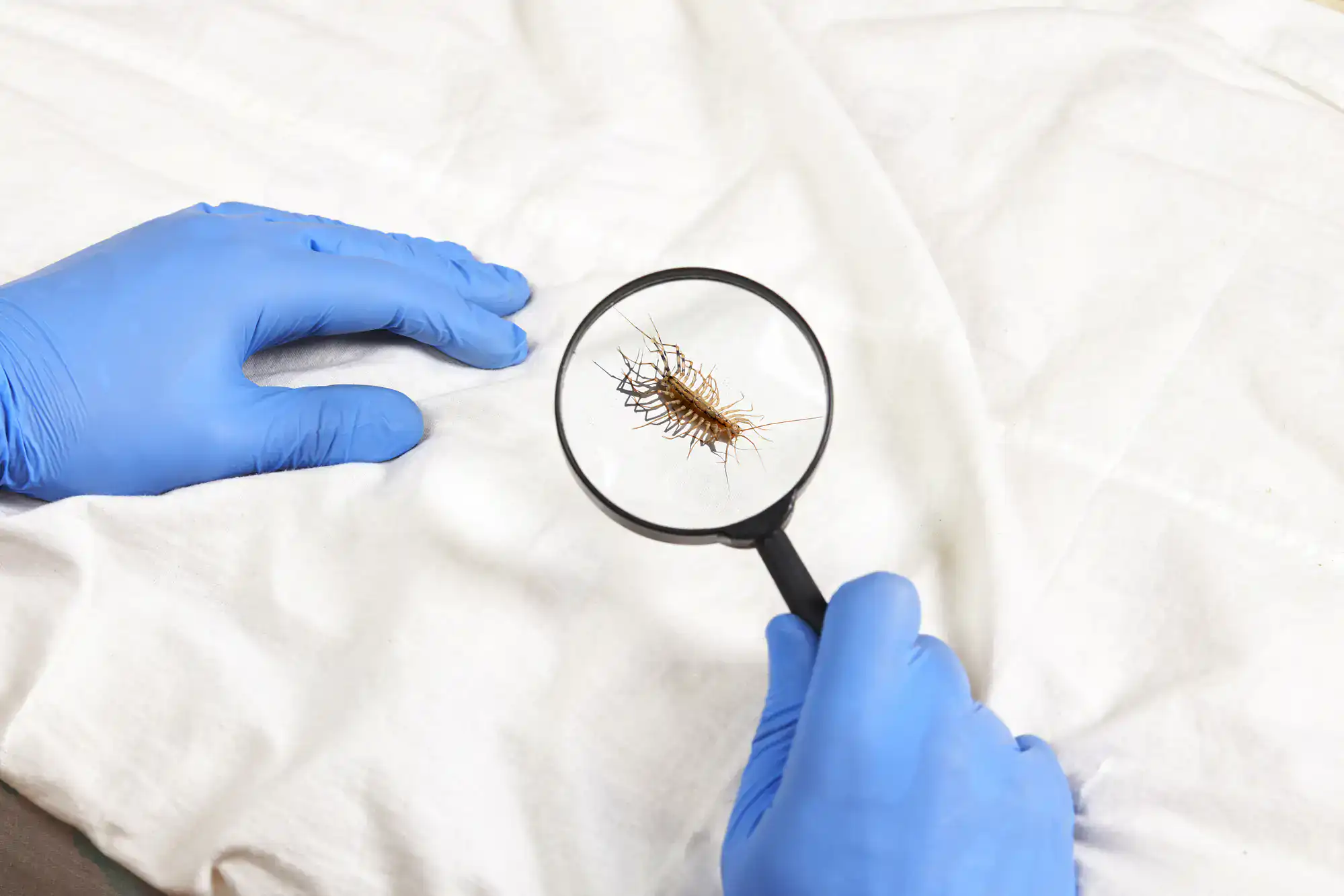
Yes and living near Sunken Meadow actually makes the case stronger, not weaker. The park sustains large deer populations year-round, and those deer move through residential yards along the park perimeter regularly, especially at dawn and dusk. When they do, they deposit adult black-legged ticks directly into your lawn’s edge, garden beds, and the transition zones between your turf and any natural vegetation.
The state does manage tick populations within park boundaries through habitat programs and deer treatment stations, but those efforts stop at the park border. They don’t extend to your property. The only effective protection for your yard is a professional treatment program applied directly to your land. For park-adjacent Kings Park properties, that’s not optional it’s the point.
Earlier than most people think. On Long Island, black-legged tick nymphs the smallest and hardest-to-detect life stage peak in May through June. If you wait until you notice a problem, you’ve already missed the most dangerous window of the season. Warm spells on the North Shore can push tick activity as early as late February or March, and Kings Park’s proximity to Long Island Sound moderates temperatures in ways that can extend the active season on both ends of the calendar.
The right time to start is April, before nymphal populations surge. That first treatment is the most important one. Everything after it maintains the protection. Homeowners in Kings Park who start in June are reacting homeowners who start in April are protected.
When it’s applied correctly by a licensed professional, yes. The difference between a store-bought spray and a professional application isn’t just concentration it’s placement. Our NYSDEC-licensed technicians treat the specific harborage zones where ticks and fleas actually live: lawn edges, shrub beds, shaded borders, leaf-litter areas. We’re not broadcast-spraying your entire yard indiscriminately.
Re-entry to treated areas is typically safe within 30 to 60 minutes of the product drying, depending on the specific application. Your technician will walk you through any precautions relevant to your property. For Kings Park families with dogs that go in and out of the yard daily or kids who spend afternoons outside, getting the application right by someone who is actually trained and licensed to do it is exactly the point.
The gap is bigger than most people expect. Store-bought products are formulated at lower concentrations than what licensed professionals are permitted to apply. They also don’t include Insect Growth Regulators IGRs which are what actually interrupt the flea life cycle at the egg and larval stage. Without IGRs, you’re only addressing the adults you can see, and the next generation is already developing in your soil.
Beyond product strength, there’s the application itself. Knowing where to treat the specific harborage zones, the shaded transition areas, the wood-line edges is what makes a program effective. A licensed applicator who understands Kings Park’s specific tick pressure from the Sunken Meadow and Nissequogue River corridors is going to treat your property very differently than a general-purpose spray from a garden center. That difference shows up in the results.
For most Kings Park properties, treatments are applied every three to four weeks during the active season, which runs from April through October. That cadence keeps protection consistent through the two main tick activity windows: the nymphal peak in May and June, and the adult tick surge in September and October.
Properties with direct park adjacency along the Sunken Meadow perimeter or near the Nissequogue River State Park border may warrant closer attention during peak windows because deer traffic and tick pressure in those zones is higher than on properties further from the park boundaries. We evaluate your specific exposure and build the schedule around what your property actually needs, not a one-size-fits-all calendar.
Yes, and combining them is often the smarter approach. A well-maintained lawn properly aerated, fertilized, and managed for healthy turf density actually reduces the conditions that fleas and ticks depend on. Thick, dense grass with good drainage and minimal thatch gives pests fewer places to hide and survive. Standalone pest control companies treat the symptom. A company that also manages your lawn’s underlying health addresses the environment that makes your property a target in the first place.
We’ve been doing both in Suffolk County since 1987. For Kings Park homeowners who already invest in their property and with home values in this community regularly above $600,000, most do integrating flea and tick control into a full seasonal lawn program means your yard is being managed as a whole, not treated piecemeal by two separate companies that don’t talk to each other.
Useful Links
Other Services we provide in Kings Park