
Hear from Our Customers
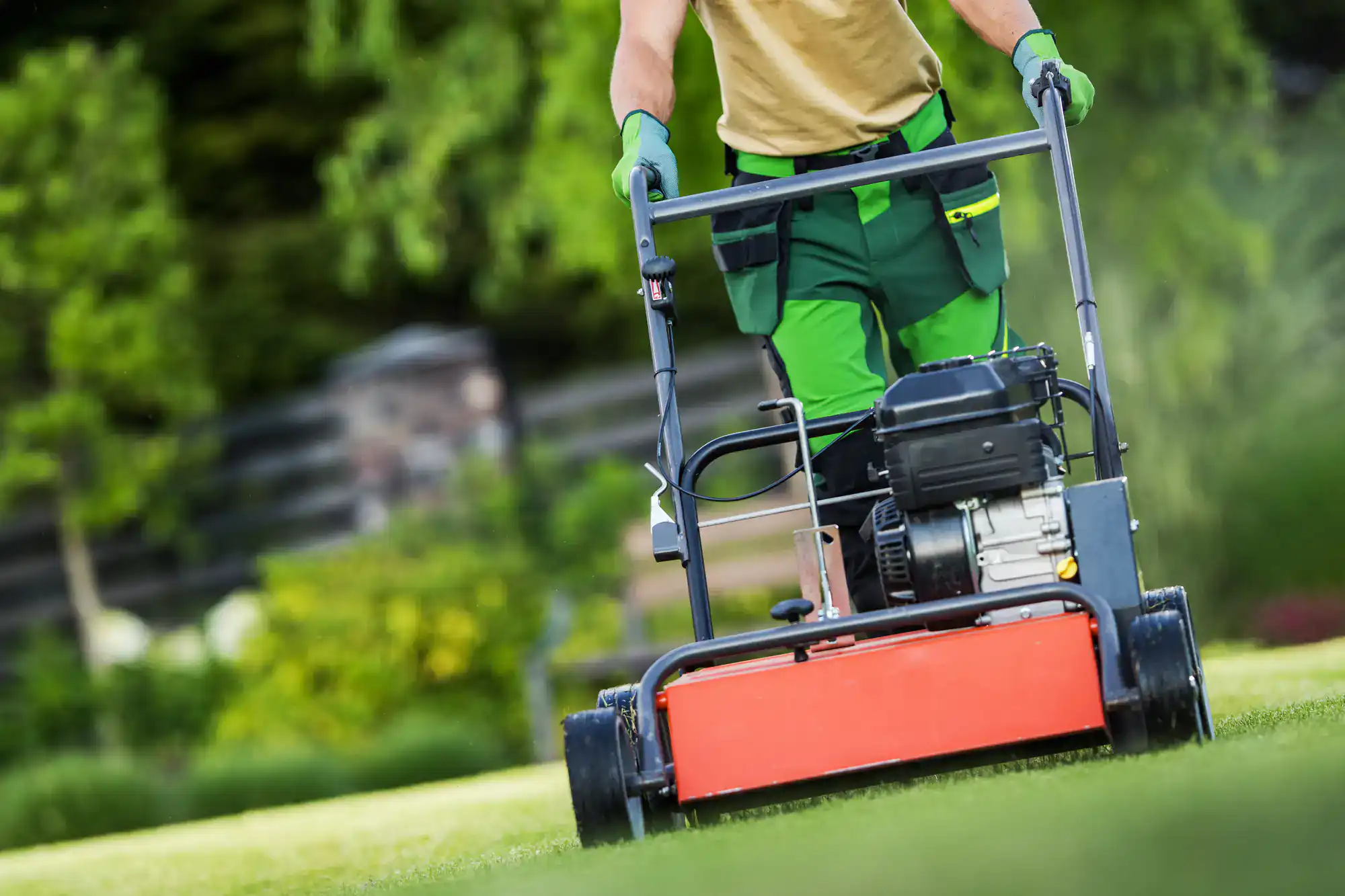
If you’ve been fertilizing your Kings Park lawn for years and it still looks thin, patchy, or just flat-out tired the problem probably isn’t the fertilizer. It’s that the fertilizer never reaches the roots. Compacted soil acts like a barrier. Nutrients sit on top, wash away with the next rain, and your lawn gets nothing. Core aeration removes that barrier by pulling actual plugs of soil from the ground, opening up the root zone so water, oxygen, and nutrients can finally get through.
Kings Park sits on North Shore glacial soils heavier, denser, and more clay-mixed than the sandy soils you’ll find on the South Shore. That means compaction here tends to be more severe, and the symptoms are harder to ignore. Water pooling on the surface after rain isn’t a drainage problem it’s a compaction problem. Soil that’s been compressed for decades by foot traffic, mowing equipment, and freeze-thaw cycles simply can’t absorb water the way it should.
Once that compaction is relieved, the difference shows up fast. Fertilizer programs that felt like a waste of money start producing visible results. Bare patches that never filled in become viable for overseeding. And the lawn you’ve been trying to grow for years finally has the foundation it needs to actually grow.
We’re a locally owned Suffolk County lawn care company. Not a national brand, not a call center, not a subcontractor dispatch. When you book a service with us, the crew that shows up knows Kings Park specifically the North Shore soil conditions that make lawns here behave the way they do.
That matters more than it sounds. A company that services lawns from Smithtown to Stony Brook to Port Jefferson understands that the heavy glacial soils near the Nissequogue River corridor compact and drain differently than lighter soils further inland. That kind of ground-level knowledge shapes how we do the job the timing, the depth, the follow-up recommendations.
We hold New York State DEC pesticide applicator licensing, which is legally required for any company applying fertilizers or pesticides in New York. In a market where plenty of operators skip that step, it’s a real distinction. You’re not just getting a crew with equipment you’re getting licensed professionals who are accountable to the state and to you.
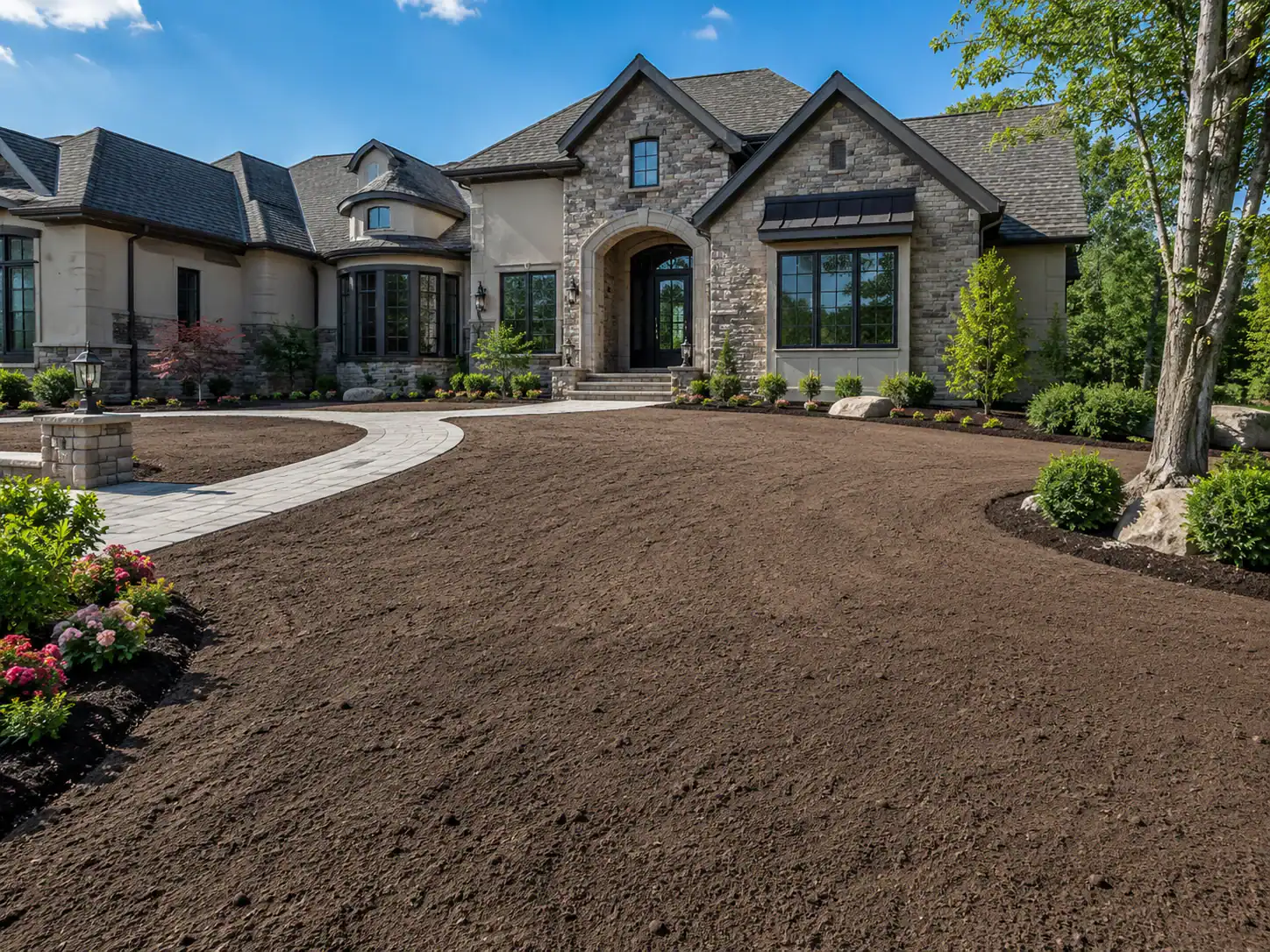
It starts with a free estimate. Before anything gets scheduled, we assess your lawn’s size, condition, and what it actually needs. For most Kings Park properties homes built in the 1960s and 70s with decades of mowing and foot traffic behind them some degree of compaction is almost guaranteed. The screwdriver test tells the story quickly: push a flathead into your lawn with normal hand pressure. If it stops at an inch or less, you’ve got compaction.
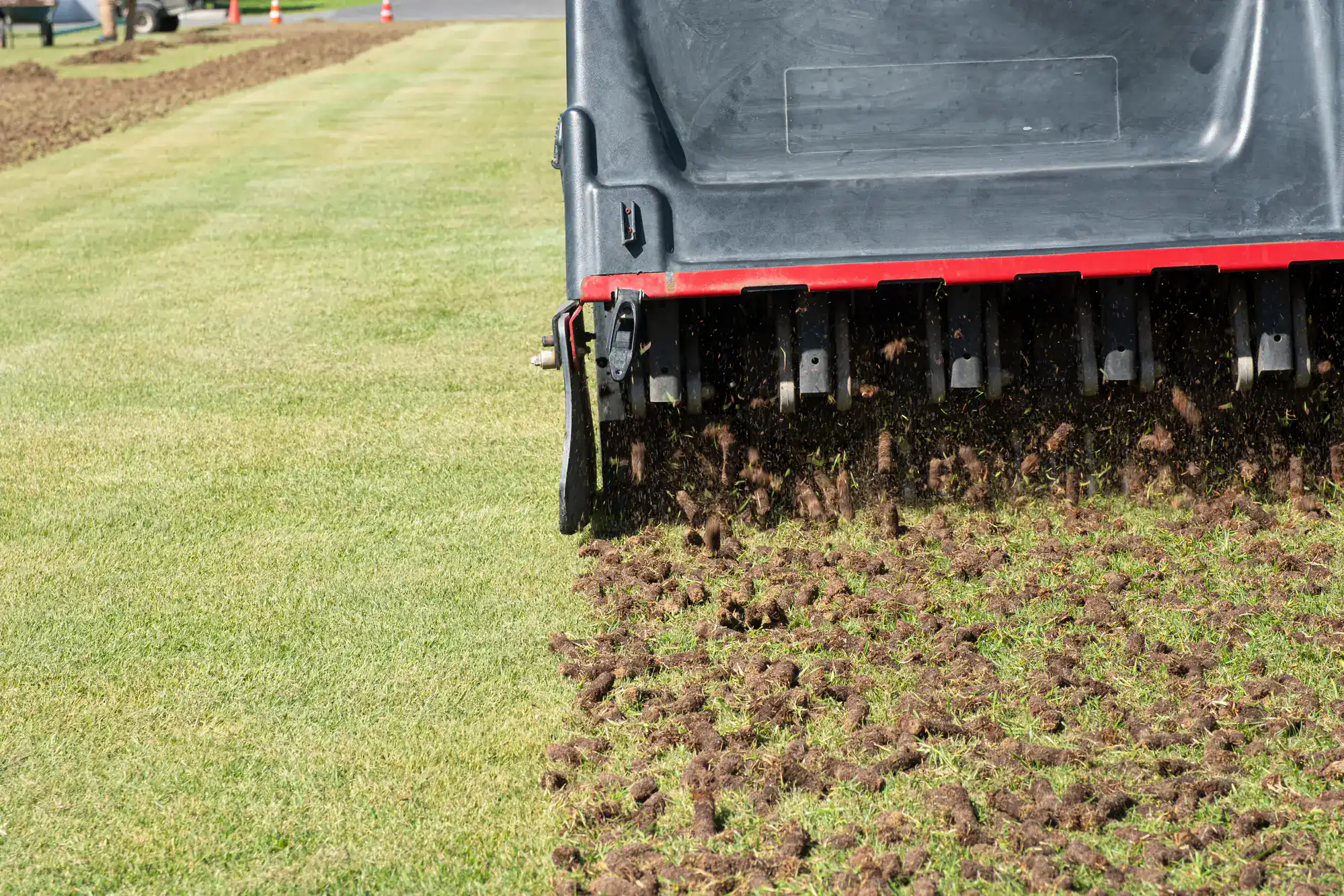
On the day of service, we use a hydraulic aerator not the drum-style rental machines available at Home Depot. The hydraulic unit drives tines 3 to 4 inches into the soil, deep enough to actually reach and relieve the compaction layer. Rental aerators max out around 1.5 to 2 inches, which on Kings Park’s clay-influenced soils often means they never get past the surface. The difference in depth is the difference between a real result and a cosmetic one.
After aeration, you’ll see soil cores scattered across your lawn. Leave them. They contain organic matter and soil microbes that break down over 2 to 4 weeks and return nutrients to the surface. If you’re combining aeration with overseeding which most Kings Park lawns benefit from the timing matters. The fall window, roughly late August through October, is when soil temperatures on the North Shore are still warm enough for cool-season grass germination while the heat stress of summer has passed. That window fills up. Booking early isn’t just a scheduling preference it’s an agronomic one.
Ready to get started?
Core aeration and lawn aeration are the same service and at our company, it’s treated as the foundation of everything else, not an optional add-on. The hydraulic aerator we use on every job is commercial-grade equipment that goes deeper than what any rental yard stocks. On the North Shore soils common throughout Kings Park, Smithtown, and Stony Brook, that depth is what separates a service that produces results from one that doesn’t.
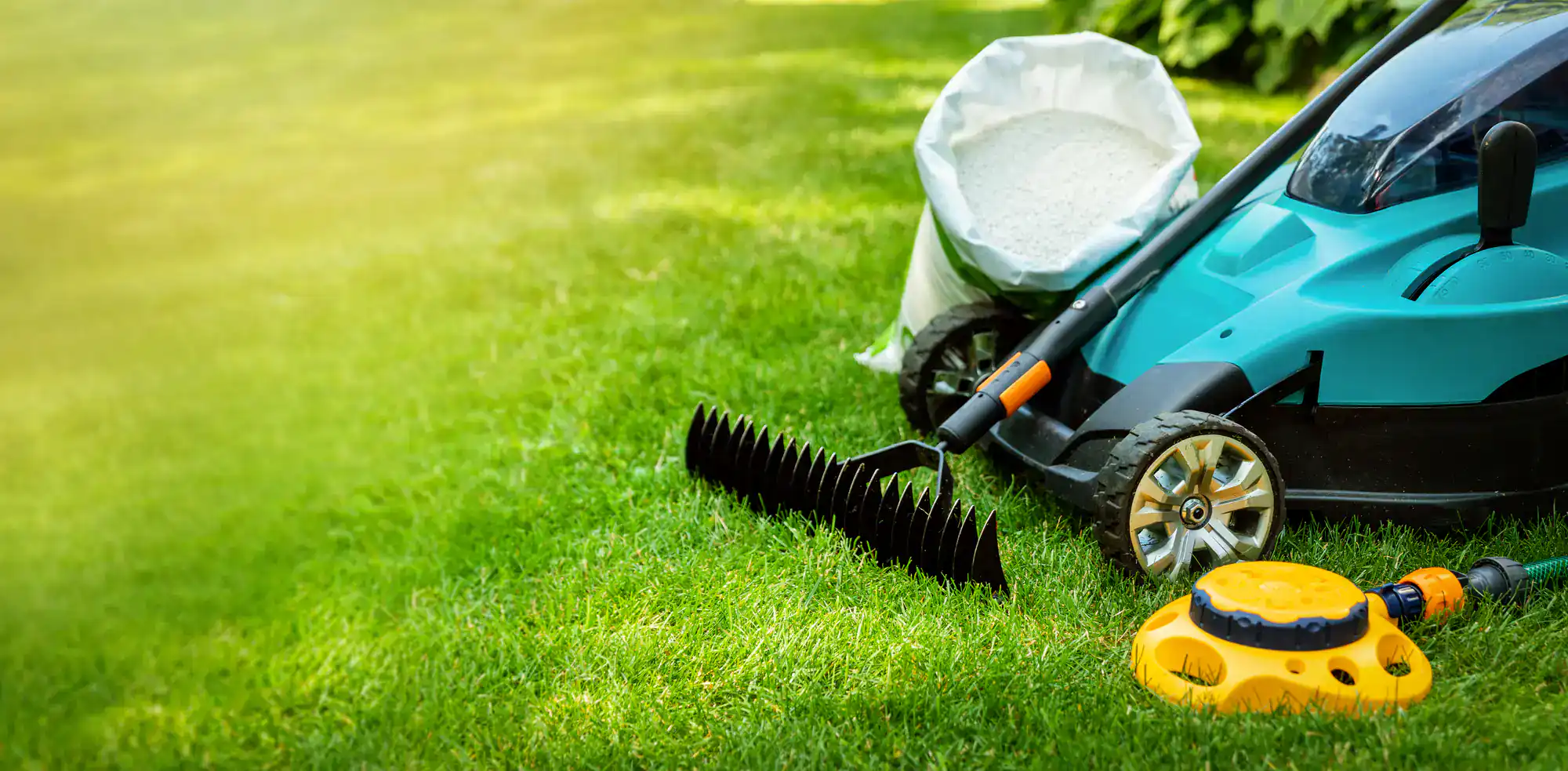
Aeration pairs directly with overseeding for lawns that have thinned out or developed bare patches over the years. The holes created by the aerator give seed direct access to the soil no thatch barrier, no surface competition. Germination rates after core aeration are significantly higher than seeding on un-aerated ground, which is why most Kings Park homeowners who’ve tried overseeding without aeration first have been disappointed. The seed wasn’t the problem.
Because Kings Park sits adjacent to the Nissequogue River and Long Island Sound, our NYS-licensed applicators follow New York State’s fertilizer laws, which restrict phosphorus use near waterways. That’s not a marketing point it’s a legal requirement that unlicensed operators in this area routinely ignore. When aeration is paired with a fertilization program here, it’s done by people who understand exactly what can and can’t go down near sensitive waterways. That’s the standard every Kings Park homeowner should expect from whoever they hire.
The best window for core aeration in Kings Park is late August through October. During this stretch, soil temperatures at the North Shore’s 4-inch depth are still warm enough to support cool-season grass germination tall fescue, Kentucky bluegrass, and perennial ryegrass all need that warmth to establish before winter. Air temperatures have dropped enough to reduce heat stress on new seedlings, which makes fall the ideal combination of conditions for Kings Park properties.
Spring aeration, typically April through May, is a viable secondary option for lawns with severe compaction that can’t wait another full season. Keep in mind that North Shore soils are heavier and slower to warm than the sandy soils of the South Shore, so optimal spring timing in Kings Park tends to run a bit later in the season. The fall window, however, is where you’ll see the best results and it fills up fast. Most homeowners who wait until late October have already missed the prime germination period.
Core aeration removes a physical plug of soil typically about half an inch in diameter and 2 to 4 inches deep from the ground. That removal creates real decompression and opens up the soil structure so water, air, and nutrients can move through. Spike aeration, by contrast, uses solid tines to push holes into the ground without removing anything. On clay-influenced soils like those common throughout Kings Park and the North Shore, spike aeration actually increases compaction in the surrounding soil because it’s displacing material rather than removing it.
The practical difference is significant. Spike aeration might look like it’s doing something, but on heavier North Shore soils it often makes the underlying problem worse over time. Core aeration is a structural intervention it changes the physical composition of the soil profile. If you’ve used a spike aerator in the past and seen little improvement, that’s likely why. The tool matters as much as the effort.
A hydraulic aerator drives tines 3 to 4 inches into the soil. The drum-style aerators available at rental yards Home Depot, Lowe’s, and similar typically reach 1.5 to 2 inches under ideal conditions, and often less on compacted or clay-mixed soil. On a Kings Park lawn with North Shore glacial till in the profile, a rental machine may barely scratch the surface while the actual compaction layer sits several inches below.
Depth isn’t a minor variable here it determines whether the machine is actually doing the job or just going through the motions. The compaction layer in a mature Kings Park lawn that hasn’t been professionally aerated in years can sit 2 to 3 inches down. If your aerator can’t reach it, nothing changes. That’s the most common reason homeowners who’ve tried DIY aeration walk away thinking the service doesn’t work. The service works the rental equipment just wasn’t built for the job.
When water pools on your lawn surface after rain instead of soaking in, it almost always points to soil compaction not a drainage issue. Compacted soil loses its permeability. The pore spaces that normally allow water to move down through the soil profile get crushed together over time, and water has nowhere to go but the surface. On the heavier, clay-influenced glacial soils that are common throughout Kings Park and the surrounding Smithtown area, this process happens faster and runs deeper than in sandier soils.
The fix isn’t a French drain or a grading project. It’s core aeration. Once the compaction layer is broken up and the soil structure is opened, water infiltration improves significantly and the runoff that would otherwise flow toward the Nissequogue River or nearby storm drains stays in your lawn where it belongs. Most homeowners who’ve dealt with this problem for years are surprised by how quickly the pooling improves after a proper aeration service with the right equipment.
The plugs or cores left on your lawn after aeration are cylinders of soil pulled directly from the ground during the service. They look like a mess at first, and that reaction is completely normal. But leave them where they are. Each plug contains soil microbes and organic matter from your lawn’s profile, and as they break down over the next 2 to 4 weeks, they return those materials to the surface. That breakdown process also helps reduce thatch buildup over time, which is a secondary benefit that most homeowners don’t realize they’re getting.
Raking them up or blowing them off the lawn removes a meaningful part of what you paid for. The lawn will look temporarily disrupted that’s part of the process. Within a few weeks, especially if aeration was paired with overseeding and the fall weather is cooperating, you’ll see the surface normalize and new growth filling in the areas that needed it most. The temporary appearance after aeration is not a problem. It’s the product working.
Core aeration pricing in Kings Park generally ranges from around $150 to $350 for a standard residential lawn, depending on the size of the property. Smaller lots under 5,000 square feet tend to fall on the lower end of that range, while the larger properties common in established Kings Park neighborhoods particularly in areas like San Remo or on the lots closer to Nissequogue River State Park will sit higher based on square footage.
The more useful framing is what you’re getting for that investment relative to what you’re already spending. If you’re running a fertilization program and not seeing results, there’s a good chance compaction is blocking the fertilizer from reaching the root zone. Aeration directly improves how effectively your existing program works meaning the money you’re already spending on fertilizer starts producing the results you expected. When you look at it that way, aeration isn’t an added cost. It’s what makes the rest of your lawn care investment actually pay off. Request a free estimate from us and get a specific number for your property before committing to anything.
Useful Links
Other Services we provide in Kings Park