
Hear from Our Customers
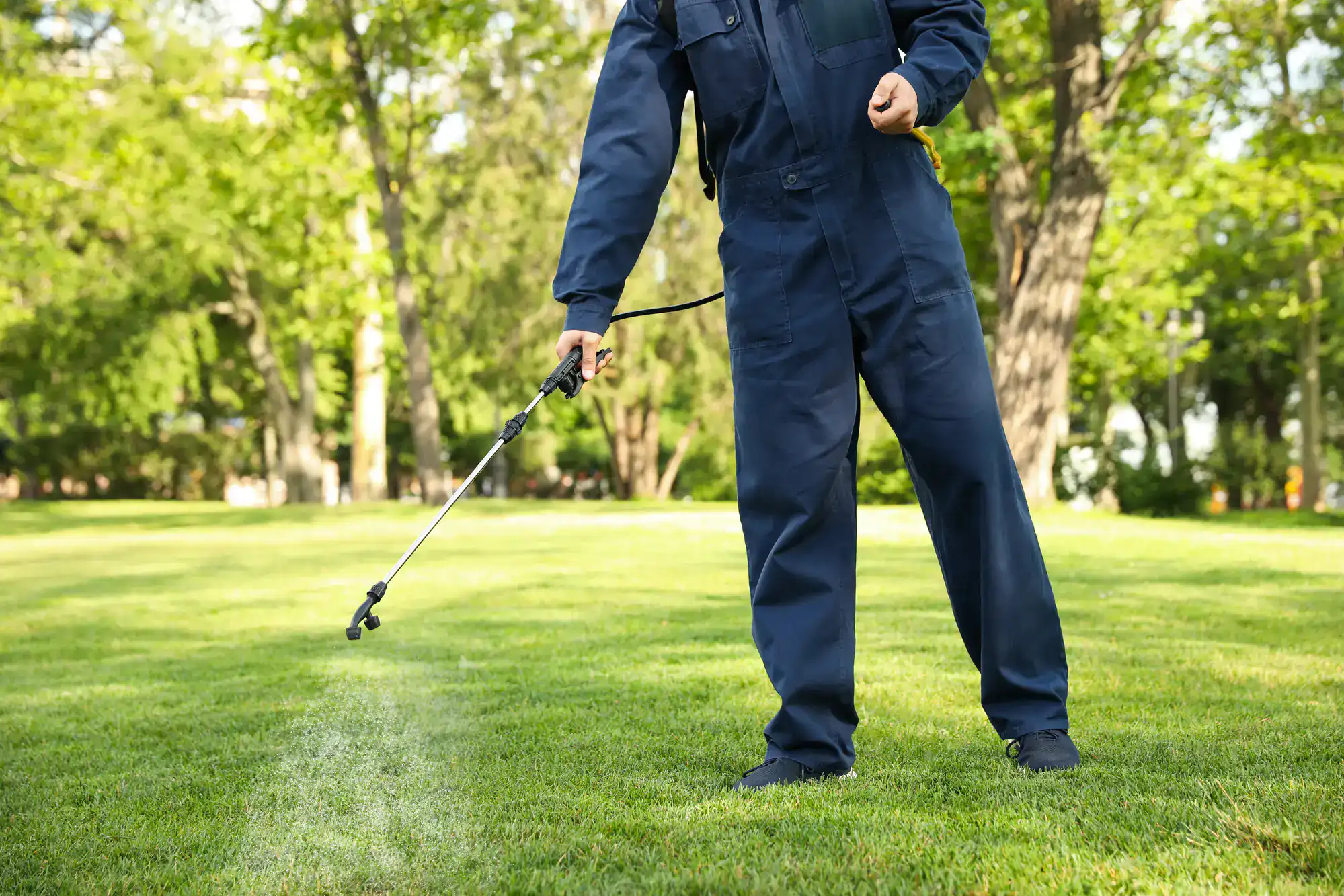
Most Kings Park homeowners who call us have already tried someone else. Maybe it was a national chain that sent a different technician every visit and couldn’t explain why the brown patches kept coming back. Maybe it was a local crew that mowed reliably but had no answer for the nutsedge spreading through the back yard. Either way, the lawn didn’t improve and you’re done settling for that.
Here’s what changes when the program is actually built for your property. Kings Park’s soil is sandy and drains fast, which means nutrients leach through the root zone before generic fertilizers can do their job. A program calibrated for that specific condition with slow-release nitrogen and application timing matched to your soil temperature, not a national calendar produces visibly different results within a season.
The coastal proximity matters too. Properties near the Nissequogue River corridor and the northern edges of Kings Park near Sunken Meadow see salt air exposure and elevated humidity that create fungal pressure most companies don’t account for. When your lawn treatment program is built around those real conditions instead of a one-size template, you stop fighting the same problems every summer.
Lawn Master has been operating in Kings Park and across Suffolk County since 1987. That’s not a tagline it means we were already an established local company when Nissequogue River State Park was still the Kings Park Psychiatric Center grounds, and long before most of the homes in Sunken Meadow Hills had a second owner. We know this area because we’ve been working in it for decades.
Every technician we send to your Kings Park property holds a valid NYS DEC pesticide applicator license. That’s a legal requirement in New York that a surprising number of operators quietly skip. We don’t. We also use a custom-blended fertilizer made specifically for Lawn Master not an off-the-shelf product because Long Island’s soil profile demands it.
Five fully wrapped trucks run our routes across Kings Park and the surrounding North Shore. You’ll know exactly who’s on your property, and you’ll be able to reach a real person if anything comes up.
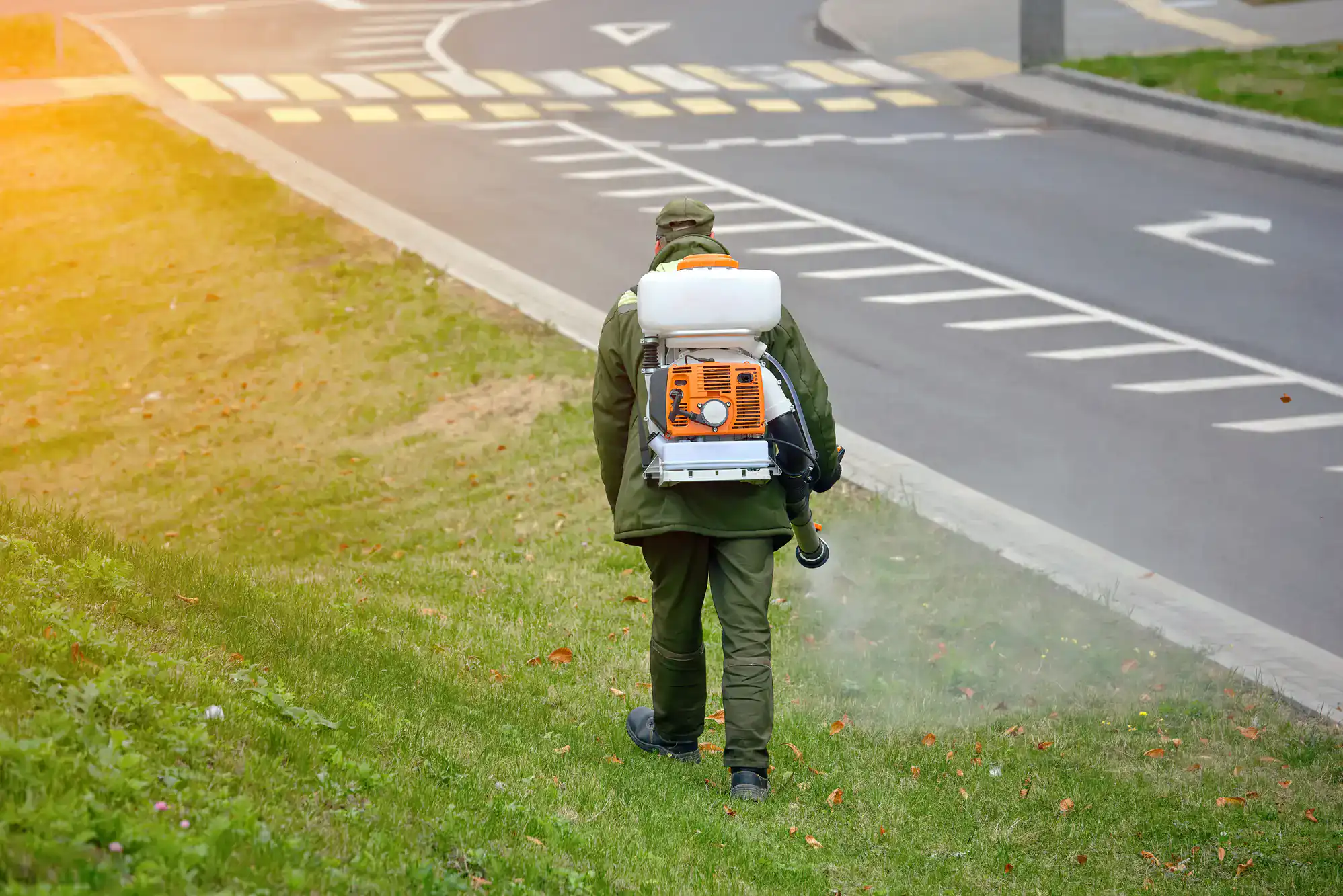
It starts with an honest look at what you’re working with. Most Kings Park lawns are on properties built in the 1960s and 70s, which means decades of compaction, accumulated thatch, and often a history of inconsistent treatment. Before anything gets applied, we assess your grass type, weed pressure, sun and shade exposure, and soil condition. That assessment shapes the program not the other way around.
From there, the season drives the schedule. Pre-emergent crabgrass control goes down before soil temperatures hit 55°F, which in Kings Park typically means mid-April though the Sound’s moderating effect can shift that window slightly compared to inland communities. Summer visits focus on grub control and managing stress without overfeeding. Fall is where the real work happens: core aeration with hydraulic equipment that pulls deeper cores than walk-behind units, followed by overseeding and a fertilization round that builds root reserves before the ground freezes.
Suffolk County’s fertilizer blackout runs November 1 through April 1, and we follow it not because we have to, but because applying fertilizer to dormant grass in Kings Park doesn’t feed your lawn. It feeds the aquifer. Everything we do is timed to when your lawn can actually use it.
Ready to get started?
A standard Lawn Master program covers the full seasonal cycle: pre-emergent weed control in spring, targeted broadleaf and grassy weed treatments through the growing season, grub control in early summer, core aeration and overseeding in fall, and fertilization timed to when your grass is actively growing and can absorb it. Each round uses our custom-blended fertilizer, formulated with the nutrient-leaching tendencies of Long Island’s sandy outwash soils in mind.
If your lawn has specific problems nutsedge that keeps coming back near a wet area, bentgrass patches creating a two-tone look across your yard, or bare sections left behind by last summer’s grub damage those get addressed as part of the program, not ignored because they don’t fit a template. We also install new lawns from seed and handle full lawn restoration for properties that need more than maintenance can fix.
For Kings Park properties near the Nissequogue River or the Sunken Meadow corridor, we account for salt air exposure and elevated humidity when selecting products and timing applications. Every detail of what we do here is shaped by what lawns in Kings Park actually face not what lawns face somewhere else.
Kings Park sits on the North Shore with two state parks on its borders and the Long Island Sound influencing its microclimate. That combination creates conditions that inland communities simply don’t deal with at the same level. Sandy outwash soils drain nutrients quickly, salt air deposits on grass blades and draws out moisture, and the humidity coming off the Sound creates real fungal disease pressure dollar spot, brown patch, and red thread are all common in Kings Park during summer.
A lawn treatment program that works in Ronkonkoma or Holbrook isn’t automatically the right program for a property near Sunken Meadow Hills or along the Nissequogue River corridor in Kings Park. The grass varieties, the soil drainage rate, the salt exposure, and the seasonal timing all require adjustments. That’s why a custom program built around your specific property not a regional template produces meaningfully better results in Kings Park than a generic service will.
The most important fertilization window in Kings Park is fall specifically September through late October. Cool-season grasses like tall fescue and Kentucky bluegrass are actively growing during this period, soil temperatures are ideal for nutrient uptake, and the fertilizer you put down now builds the root reserves your lawn will draw on all winter and into spring green-up.
Spring fertilization matters too, but timing is critical. You want to wait until soil temperatures consistently reach 55°F before applying nitrogen which typically happens in mid-April in Kings Park, though the Sound’s moderating effect can push that window slightly later than inland areas. Summer fertilization should be minimal or skipped entirely for cool-season turf. Feeding stressed grass in July heat encourages lush, disease-susceptible growth at exactly the wrong time. And under Suffolk County’s fertilizer blackout law, no applications are permitted from November 1 through April 1 regardless of conditions.
If your lawn has been in place for more than a few years and hasn’t been aerated regularly, it almost certainly needs it. Most Kings Park properties were built in the 1960s and 70s, which means the lawns on those lots have accumulated decades of compaction from foot traffic, mowing equipment, and general use. Compacted soil prevents water, air, and nutrients from reaching the root zone effectively which means you can fertilize consistently and still end up with thin, struggling turf.
The signs are pretty easy to spot: water pooling on the surface after rain instead of soaking in, grass that looks thin and stressed even with regular treatment, or soil that feels hard when you push a screwdriver into it. Core aeration physically removes small plugs of soil, opening up channels for everything the roots need. We use hydraulic core aerators, which pull deeper and more consistent cores than the walk-behind equipment most companies use and in compacted Kings Park soil, that depth difference shows in the results.
Yes, it applies directly to you. Suffolk County Local Law 41-2007 prohibits lawn fertilizer applications from November 1 through April 1. The rule exists because grass goes dormant when soil temperatures drop below 55°F, and fertilizer applied to a dormant lawn doesn’t get absorbed it leaches into the groundwater instead. Long Island sits over a sole-source aquifer, meaning all of the drinking water on Long Island comes from underground. Nitrogen runoff is a genuine public health concern here, not just an environmental talking point.
For your Kings Park lawn, the blackout period means the fall fertilization window September through October is the last chance to feed your turf before winter. Getting that timing right matters. A properly timed fall application builds root reserves that carry your lawn through dormancy and fuel a strong spring green-up. Miss that window or apply too late and you’re starting the next season at a disadvantage. Every Lawn Master program is scheduled around this regulatory calendar, so you don’t have to track it yourself.
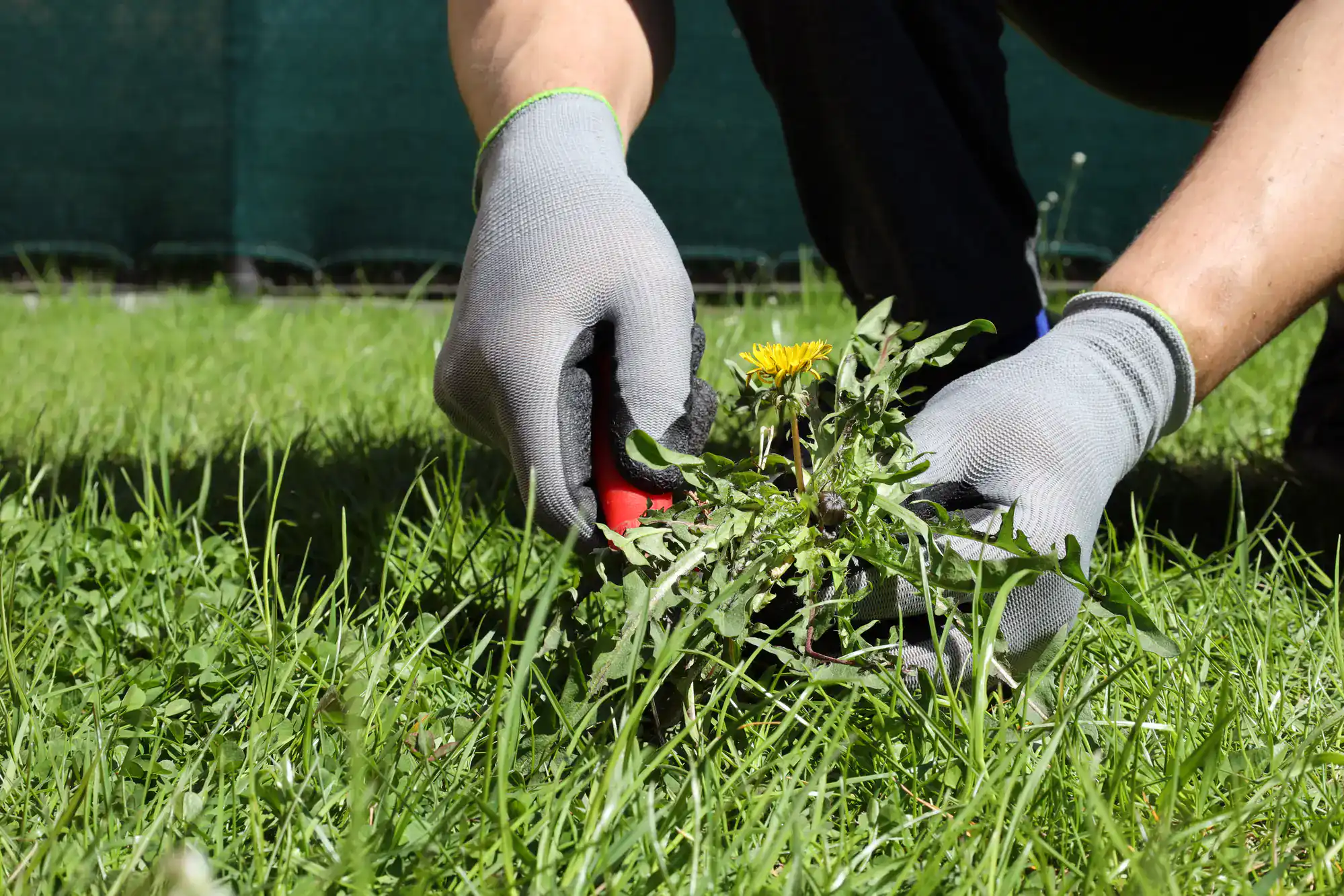
Nutsedge commonly called nutgrass is one of the most frustrating weed problems on Long Island, and it’s especially common in Kings Park’s sandy, periodically moist soils. It looks like grass but grows faster, stands taller, and has a distinctly lighter green color that creates visible patches in an otherwise uniform lawn. Standard broadleaf weed control does nothing to it. Pulling it by hand makes it worse because the underground tubers spread when disturbed.
The good news is that it’s treatable with the right product applied at the right time. Nutsedge control requires a selective herbicide specifically labeled for sedge not the same chemistry used for broadleaf weeds or crabgrass. Timing matters too: applications are most effective when the nutsedge is actively growing, typically late spring through early summer. Properties in lower-lying areas of Kings Park, or near the Nissequogue River where soil stays moist longer after rain, tend to have heavier nutsedge pressure and may need follow-up treatments in the same season. It’s manageable but only with a targeted approach.
That depends on what you’re looking for. National chains operate at scale, which means standardized programs, variable technician quality, and customer service that often routes through a call center with no direct connection to whoever actually treated your lawn. Reviews from Kings Park and the surrounding Smithtown area reflect the same pattern that shows up nationally: inconsistent visits, applications that don’t account for local conditions, and difficulty getting follow-up when something goes wrong.
For a straightforward lawn that just needs basic fertilization and weed control, a national chain might be fine. But Kings Park lawns with their sandy soil, coastal microclimate, mature housing stock, and specific weed pressures like nutsedge and bentgrass tend to need more than a standardized program delivers. A company that has been working in Kings Park since 1987, sends licensed professionals to every visit, and builds programs around your specific property isn’t offering the same service at a higher price. It’s a genuinely different approach that produces different results. Whether that matters to you depends on what your lawn actually needs.
Useful Links
Other Services we provide in Kings Park