
Hear from Our Customers
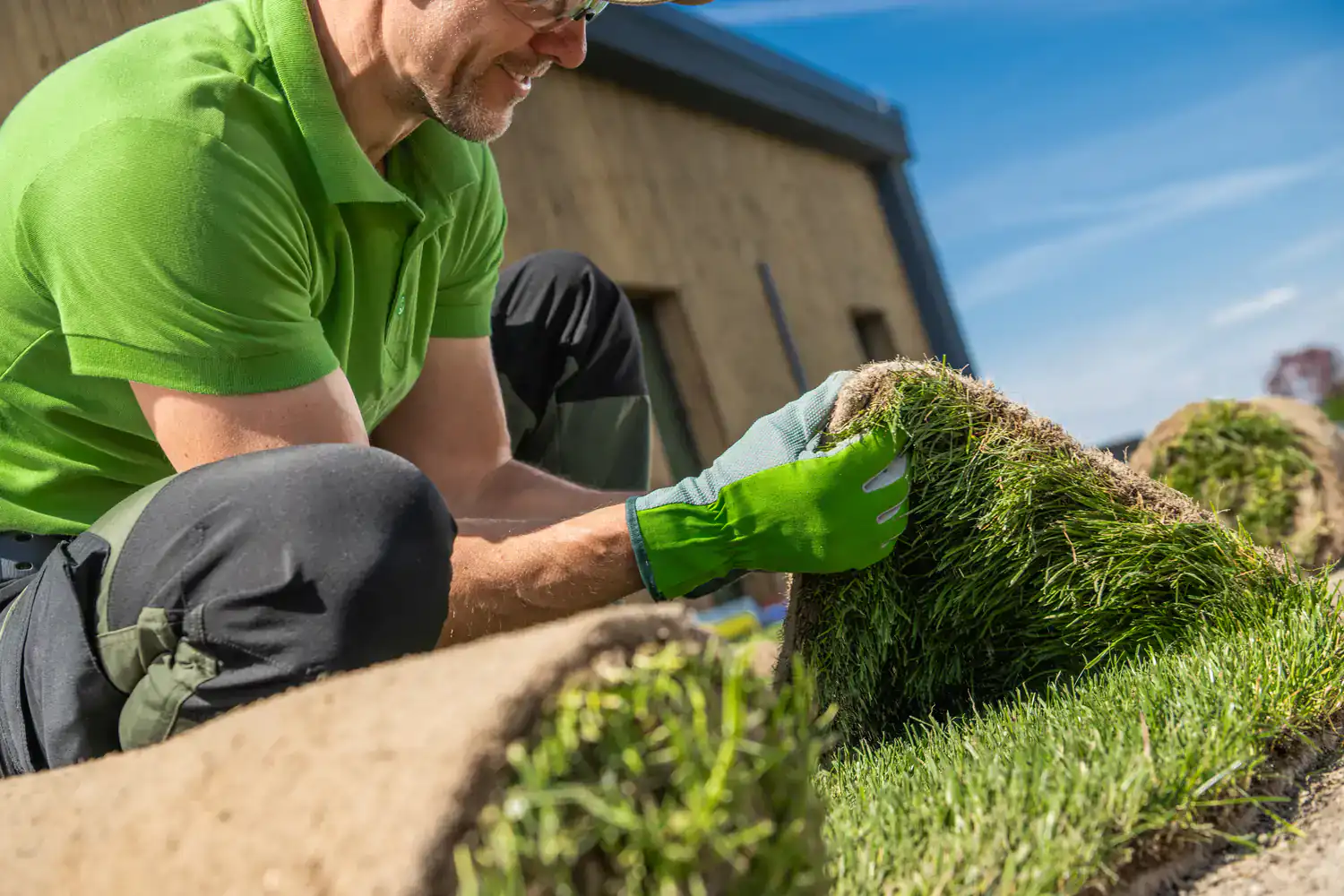
A lawn that was seeded correctly doesn’t just look better in October it holds through the following summer. That’s the difference between a professional seeding job and scattering a bag of seed on dry ground and hoping for the best. When the prep work is done right, the grass that comes in is denser, deeper-rooted, and far more resistant to the kind of summer stress that strips Kings Park lawns bare every year.
Kings Park sits on the North Shore, and the soils here primarily Haven Loam compact easily under mature tree canopy and years of foot traffic. That compaction is usually the reason seed fails. Water runs off instead of soaking in. Roots never get deep enough to survive a dry August. A professional seeding process accounts for this from the start, which is why the results look and last completely differently than what most homeowners have experienced on their own.
If your lawn backs up to the Nissequogue River State Park corridor or sits under a heavy tree canopy in one of the older Kings Park neighborhoods, you’ve probably watched grass thin out in the same spots year after year. That’s not bad luck it’s a soil and shade problem that requires the right seed blend and the right timing. When those things align, the lawn you’ve been trying to grow actually grows.
We’re a Suffolk County lawn seeding company that works exclusively on Long Island. That matters in Kings Park because the North Shore soil profile, the mature tree cover in established neighborhoods, the proximity to the Nissequogue River and its wetland setback requirements, and the specific cool-season seeding windows that apply to this part of Suffolk County all require local knowledge that a national franchise simply doesn’t carry.
When you call us, you’re talking to someone who knows that North Shore soils warm up 7 to 14 days later than the South Shore in spring and that this changes the entire seeding calendar for Kings Park homeowners. You’re not getting a script. You’re getting someone who’s worked this area, understands what’s actually happening in your lawn, and can tell you exactly what needs to happen to fix it.
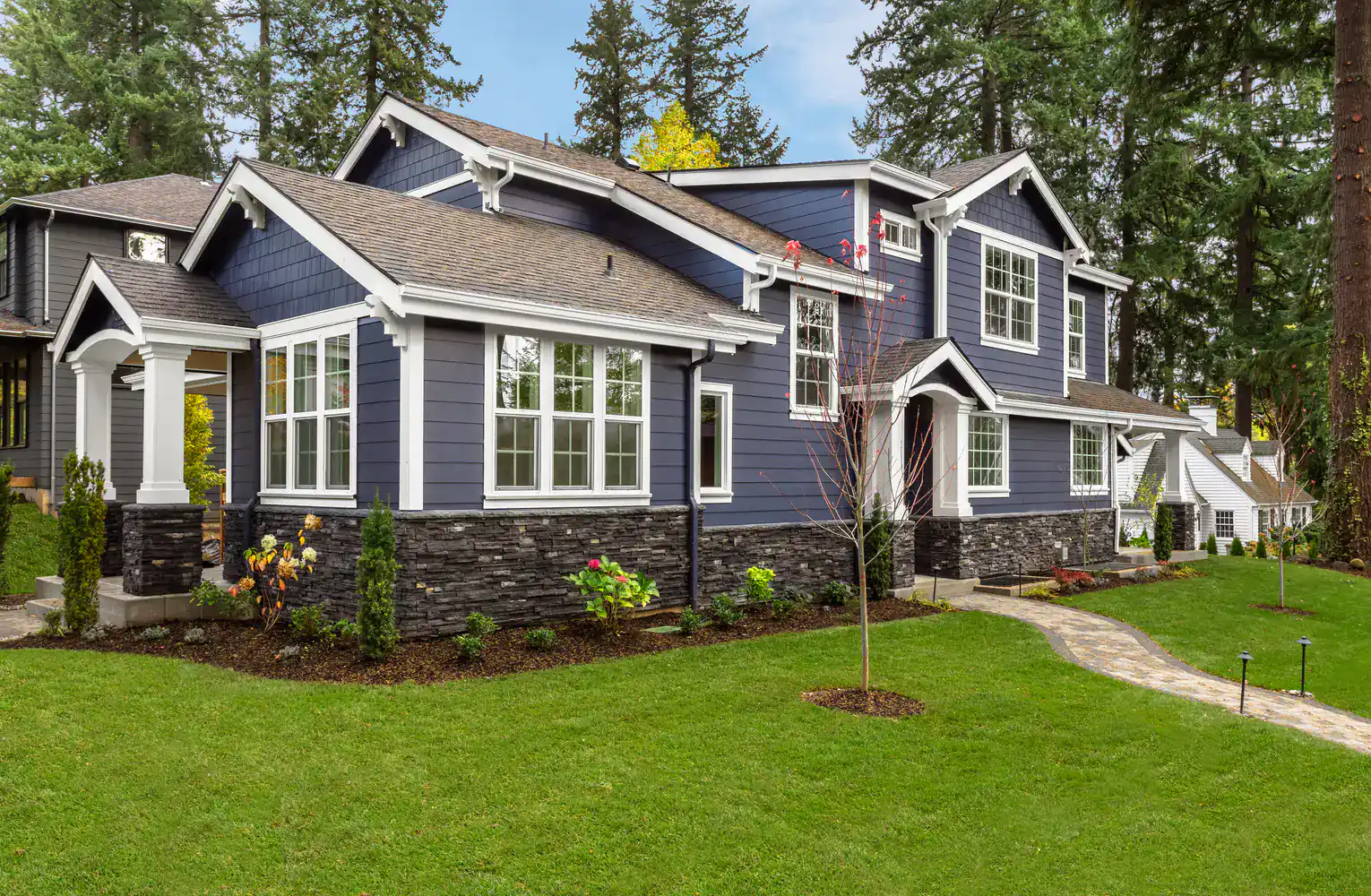
It starts with understanding what’s actually going on in your lawn before anything gets applied. Compaction, shade, soil condition, bare spot causes these all affect what we do and in what order. A Kings Park lawn under heavy tree canopy near an older neighborhood is going to need a different approach than a full-sun property in the San Remo section. We look at what you’re working with before we make any recommendations.
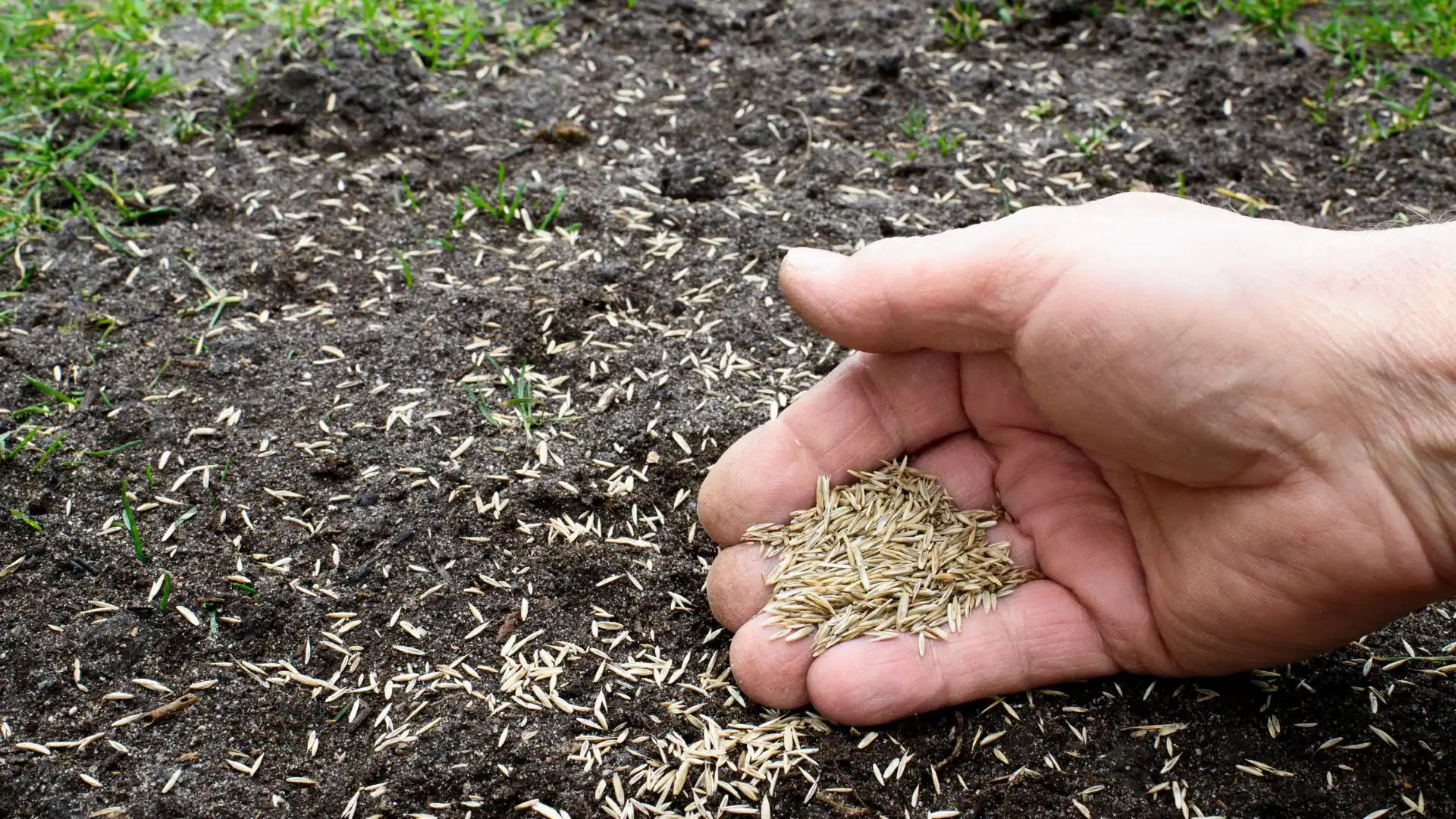
From there, the standard process for most Kings Park lawns involves core aeration followed by overseeding. Aeration pulls plugs of compacted Haven Loam out of the ground, opening the soil to air, water, and seed. When overseeding follows aeration, germination rates improve significantly because the seed is landing in open soil contact not sitting on top of a hard surface and waiting to wash away. A starter fertilizer goes down at the same time to fuel early root development, and we time everything to the fall seeding window, which runs late August through mid-October here on the North Shore.
For larger properties, bare-ground situations, or slopes particularly on properties near the waterfront or the Nissequogue River corridor we recommend hydraulic lawn seeding. The slurry of seed, mulch, and fertilizer applied under pressure holds moisture around the seed, protects against erosion, and produces faster, more even germination than broadcast seeding on open ground. After the job is done, we walk you through the watering schedule and mowing timing that protect the new grass during its first six to eight weeks of establishment.
Ready to get started?
The grass seed used on your lawn matters more than most people realize. We use premium cool-season grass seed named cultivars of tall fescue, Kentucky bluegrass, and perennial ryegrass selected for performance in Suffolk County’s North Shore conditions. Tall fescue is the most common recommendation for Kings Park lawns: it handles the drainage profile of Haven Loam well, tolerates the summer heat and drought stress that hits Long Island every July and August, and establishes a dense canopy that crowds out weeds once it’s in. For shadier areas, we weight the blend toward fine fescues and shade-tolerant tall fescue cultivars that can actually survive under the tree cover that defines so many of the older Kings Park neighborhoods.
Timing is just as important as seed selection. The fall lawn seeding window late August through mid-October is the right window for Kings Park, and the Suffolk County Cooperative Extension backs this up. Soil temperatures are still warm enough for germination, air temperatures are dropping to reduce seedling stress, and weed competition is at its lowest point of the year. Spring seeding is possible, but the North Shore’s later soil warm-up compresses that window significantly, and applying pre-emergent weed control in spring means you can’t seed at the same time.
It’s also worth knowing that Kings Park’s proximity to the Nissequogue River and Long Island Sound means Suffolk County’s fertilizer setback regulations apply to many properties here. Our lawn seeding and fertilization programs are fully compliant with those requirements so you’re not just getting a better lawn, you’re getting one that was treated responsibly.
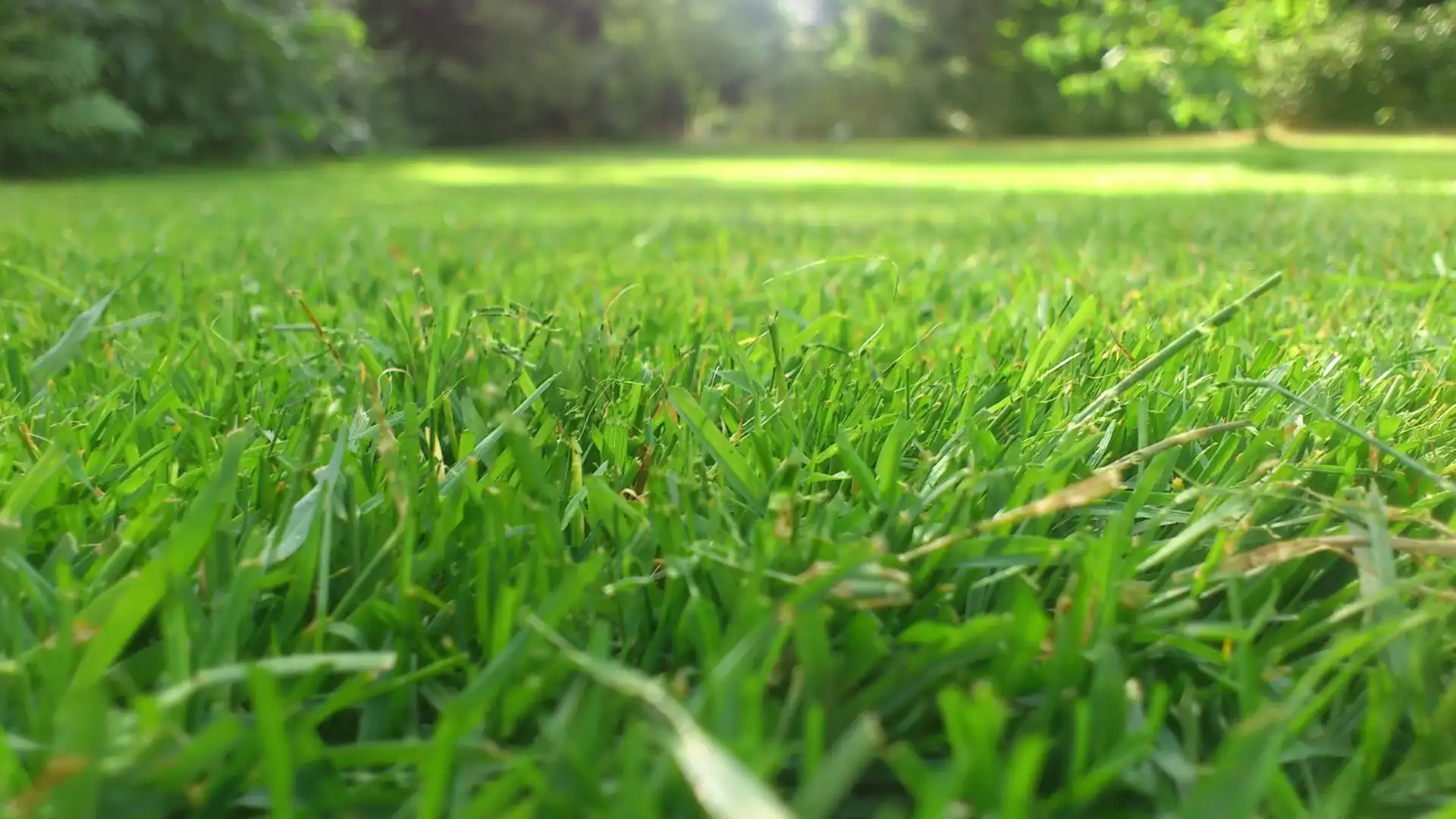
The best time to seed a lawn in Kings Park is late August through mid-October. This is the fall seeding window that the Suffolk County Cooperative Extension recommends for the entire region, and it’s especially well-suited to the North Shore. Soil temperatures during this period are still warm enough above 50°F at a 4-inch depth to support germination, while the cooling air temperatures reduce the heat stress that kills young seedlings in summer. Weed competition is also at its lowest during fall, which gives new grass a much better chance to establish without fighting crabgrass and broadleaf weeds at the same time.
Spring seeding is possible, but it comes with real limitations in Kings Park specifically. The glacial moraine soils of the North Shore warm up 7 to 14 days later than the sandy South Shore soils, which compresses the effective spring seeding window significantly. On top of that, spring is when most homeowners apply pre-emergent crabgrass control and pre-emergents prevent grass seed from germinating, so you have to choose one or the other. For most Kings Park homeowners, fall seeding is the clear choice.
The most common reason is compaction. Kings Park lawns sit primarily on Haven Loam, which is a decent base soil but compacts easily especially in older neighborhoods where decades of foot traffic, tree root competition, and construction grading have degraded the soil structure. When the ground is compacted, seed can’t make proper contact with the soil, water runs off instead of soaking in, and roots never get deep enough to survive a dry Long Island summer. The result is grass that germinates in fall, looks decent in spring, and then dies out by July or August the same cycle, every year.
The fix isn’t more seed. It’s addressing the compaction first. Core aeration before overseeding opens the soil and gives both seed and roots somewhere to go. If you’ve been seeding on unaerated ground, that’s likely the entire explanation for why it keeps failing. There are also cases where shade from mature trees common in the older sections of Kings Park is the underlying issue, and the solution there is adjusting the seed blend to shade-tolerant varieties rather than continuing to plant sun-preferring grass in a spot that gets three hours of light a day.
Overseeding is the process of seeding into an existing lawn to increase density, fill thin areas, and improve overall turf quality without starting over. The existing grass stays in place, and new seed is introduced typically through a mechanical slit-seeder or after core aeration to thicken what’s already there. This is the right approach for Kings Park lawns that are thin, patchy, or tired but still have a reasonable base of existing grass to work with.
Starting a new lawn from seed is a different process entirely. It applies when the existing lawn is too far gone to save, when bare ground needs to be established from scratch, or when a renovation or construction project has left you with raw soil. In Kings Park, this comes up fairly often in the San Remo section, where new construction has been active, and on properties where major landscaping or addition projects have disturbed the yard. New lawn establishment from seed involves soil preparation, grading assessment, topsoil amendment if needed, and often seeding for larger areas. It takes longer and requires more care during establishment, but it produces a lawn that’s better adapted to your specific soil than imported sod grown somewhere else.
For most Kings Park homeowners, seeding is the better long-term investment. Sod gives you instant coverage, which is appealing but the grass in sod is grown in a completely different soil environment than your Kings Park yard. When it’s installed, the sod’s root system has to transition from the growing medium it came from into your local soil, and that transition can be rough. On Haven Loam, which has different drainage and texture characteristics than the sandy growing media most sod is produced in, that transition can cause establishment problems that homeowners don’t expect after spending significantly more money than seeding would have cost.
Seeding, done correctly, produces grass that germinates and establishes directly in your soil from day one. The root system develops in the actual conditions it will live in for the next decade. It costs less on larger areas, adapts better to Kings Park’s specific soil and shade conditions, and when timed to the fall seeding window produces results that are genuinely comparable to sod by the following spring. The tradeoff is that you need to be patient through the establishment period and follow the watering and mowing schedule carefully. If you need instant coverage for a specific reason, sod makes sense. Otherwise, seeding is the smarter call.
With fall seeding timed correctly to Kings Park’s North Shore conditions, you can expect initial germination in 7 to 21 days depending on the grass species. Perennial ryegrass is the fastest to germinate typically 7 to 10 days. Tall fescue follows at around 10 to 14 days. Kentucky bluegrass is the slowest, often taking 14 to 21 days, but it produces a denser, more resilient lawn once fully established. Most fall-seeded Kings Park lawns will show visible coverage within three to four weeks and reach a mowable height within five to six weeks.
Full establishment meaning a root system deep enough to handle summer stress takes one full growing season. A lawn seeded in September will look significantly better by the following May, and by the first summer after seeding it should be dense and deep-rooted enough to handle Long Island’s heat and drought without the thinning you’ve seen in previous years. The critical period is those first six to eight weeks after seeding: consistent moisture, no heavy foot traffic, and the first mowing at the right height are what determine whether the establishment goes well or gets set back.
Yes but there are real considerations that affect how we do it. Suffolk County has fertilizer setback regulations that apply to properties near waterways, wetlands, and the Sound shoreline. These rules govern how close to the water’s edge fertilizer can be applied, what types of products can be used, and in some cases the timing of applications. For Kings Park properties near the Nissequogue River corridor or the waterfront areas along the Sound, our seeding and fertilization programs are built to comply with those requirements from the start it’s not an afterthought.
Beyond the regulatory side, waterfront and river-adjacent properties in Kings Park often deal with specific lawn challenges: salt air exposure on properties close to the Sound can stress grass varieties that aren’t salt-tolerant, and the shade and root competition from mature trees along the Nissequogue corridor creates conditions that require adjusted seed blends. Slopes near the waterfront also benefit from hydraulic lawn seeding rather than broadcast or mechanical overseeding, because the mulch layer in the seeding slurry holds the seed in place on grades where erosion would otherwise wash it away before it can germinate. These are the kinds of site-specific details that make a real difference in whether a seeding job succeeds on a Kings Park waterfront property.
Useful Links
Other Services we provide in Kings Park