
Hear from Our Customers
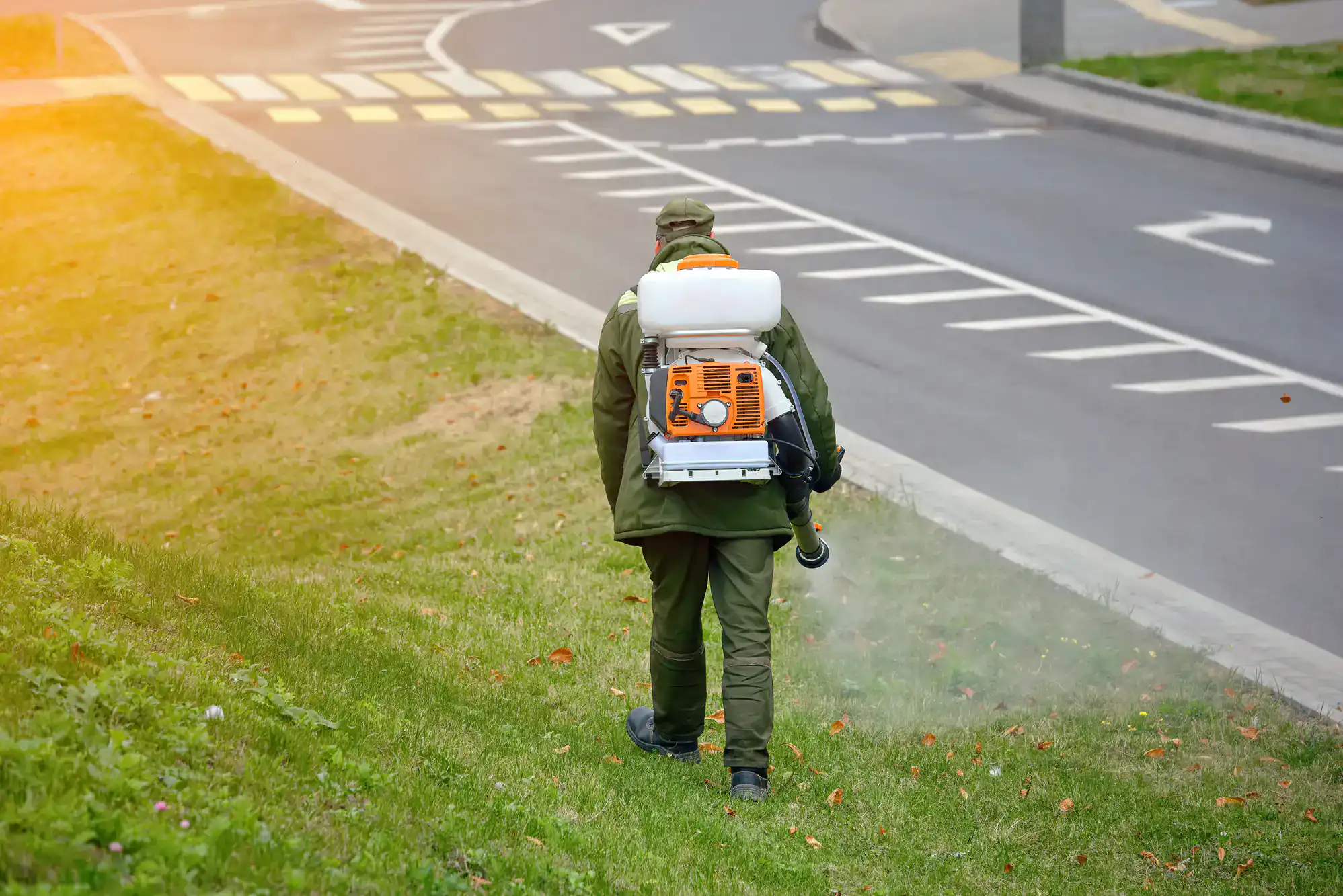
If you’ve found a tick on your kid after a walk near Shorefront Park, or pulled one off your dog after it rolled around in the backyard, you already know the problem isn’t hypothetical. Patchogue sits right along the Great South Bay, with waterfront parks, wooded green corridors, and confirmed deer moving through residential neighborhoods all of which create the exact conditions ticks need to thrive. The risk here is higher than in most inland Suffolk County towns, and it doesn’t let up until well into November.
What changes after a proper seasonal treatment program isn’t just the tick count it’s how you use your outdoor space. You stop doing the full-body check every time someone comes in from the backyard. Your dog goes out without you holding your breath. The kids play outside without you watching from the window. That’s the actual outcome. Not a number on a data sheet, but reclaiming the yard you’re paying for.
For homes near the Patchogue River, Rider Avenue Park, or the ferry launch to Fire Island, the exposure window is long and the sources are multiple. Older homes in the village many built before the 1960s often have established landscaping with deep ornamental beds, mature shrubs along fence lines, and shaded corners under decks that are textbook flea and tick harborage zones. A program designed around your specific property addresses those spots directly, not just the open lawn.
We’ve been treating Suffolk County lawns since 1987 long before most of the companies currently competing for your attention in Patchogue existed. That’s not a boast, it’s just context. When you’ve been doing this through nearly four decades of Long Island tick seasons, you stop guessing and start knowing: when the nymphal surge hits in May, when the fall adult tick activity picks back up in October, and where ticks actually hide in a Patchogue yard.
We run out of Port Jefferson Station, traveling south through Medford and directly into Patchogue on every service visit. Every technician is a licensed pesticide professional under the NYSDEC not a labor-only crew member sent to spray without credentials. New York State law requires that certification for commercial pesticide application, and we’ve never cut that corner.
What also sets us apart from a standalone exterminator is the integrated approach. A properly maintained lawn aerated, fertilized with our custom-blended mix, and treated with commercial-grade equipment reduces the very conditions that attract pests in the first place. You’re not just getting a spray over the problem. You’re addressing it at the root.
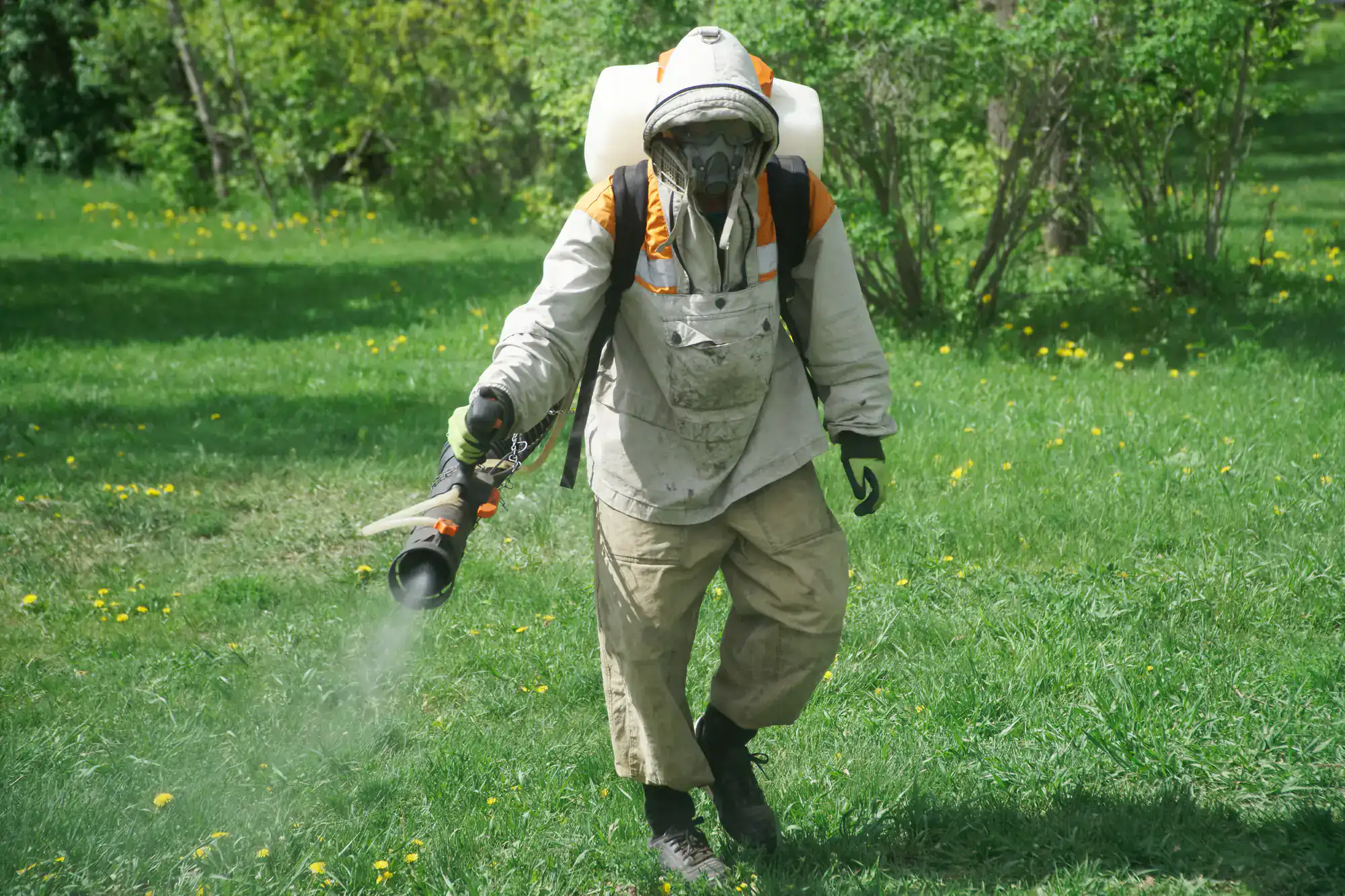
It starts with a property assessment before any product goes down. Because Patchogue properties vary significantly a Victorian near the bay with decades of established landscaping is a completely different job than a newer ranch on a residential street north of Main Street we build the treatment plan around what’s actually on your property. That means identifying the deer access points, the shaded harborage zones, the transition edges between lawn and ornamental beds, and any areas near the Patchogue River corridor or waterfront that need specific attention given DEC buffer zone requirements near tidal wetlands.
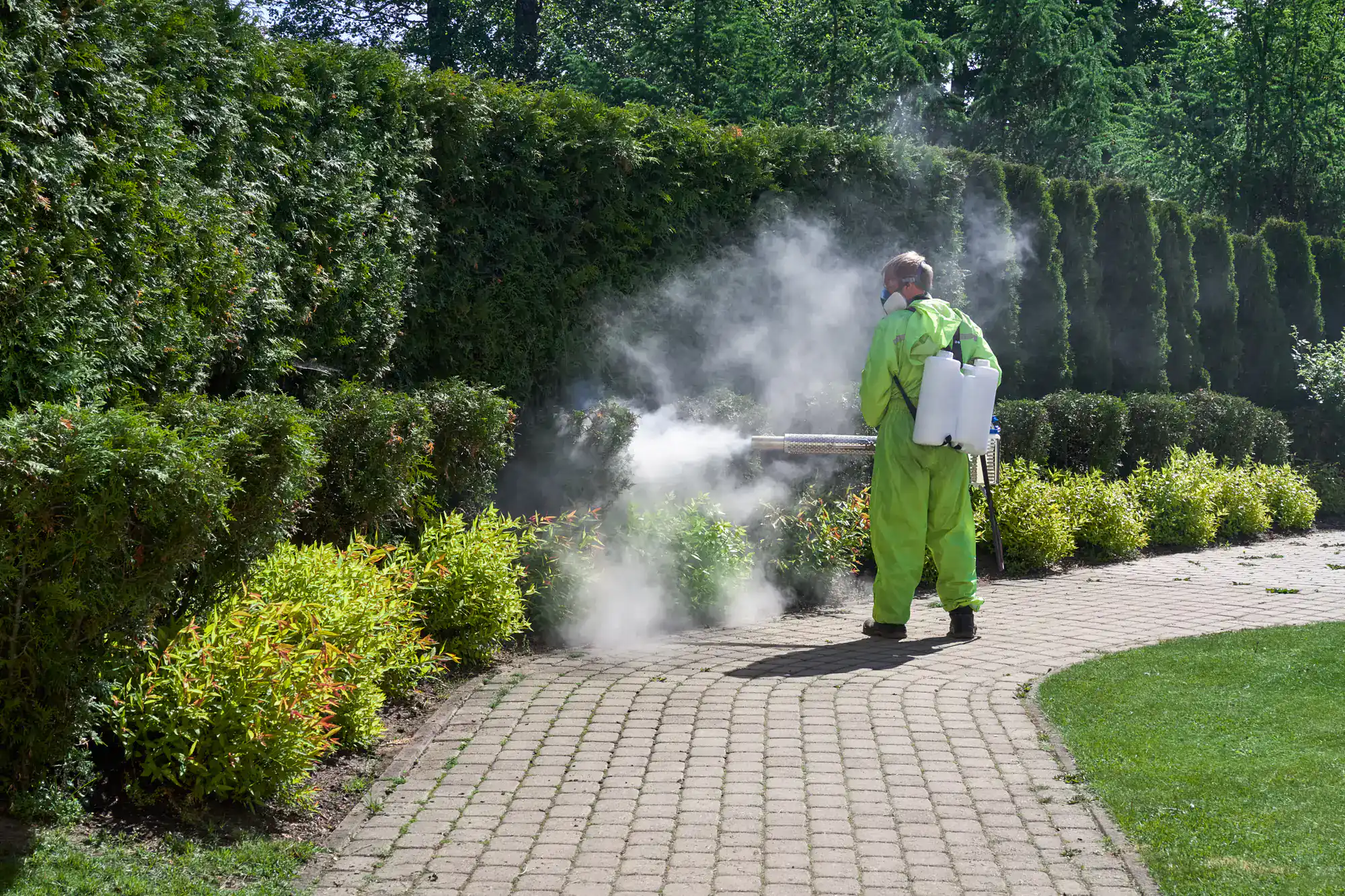
Once the assessment is done, treatment begins in early April before the nymphal tick surge that peaks in May and June, when blacklegged ticks are at their smallest and hardest to spot. Applications follow a schedule through the season, typically every three to four weeks, hitting the lawn perimeter, ornamental beds, fence lines, and shaded areas under decks where fleas and ticks concentrate. The fall application, which most homeowners skip, addresses the adult tick surge that runs through October and into November on Long Island’s South Shore.
Every product is applied by a NYSDEC-licensed technician. You don’t need to be home. When the visit is done, you’ll receive an invoice you can pay online no checks, no phone tag. Our seasonal reminder system handles the scheduling so you’re not tracking it yourself. For LIRR commuters leaving early and coming home late, that matters.

Ready to get started?
Our program covers the full outdoor environment not just the open lawn. That means the perimeter of your property, the ornamental beds, the shaded zones under decks and along fence lines, the transition edges where your yard meets wooded or brushy areas, and any spots where deer movement has been identified. For properties near Shorefront Park, Rider Avenue Park, or the bay-adjacent green corridors in the village, those transition zones are where the bulk of tick pressure originates, and we treat them accordingly.
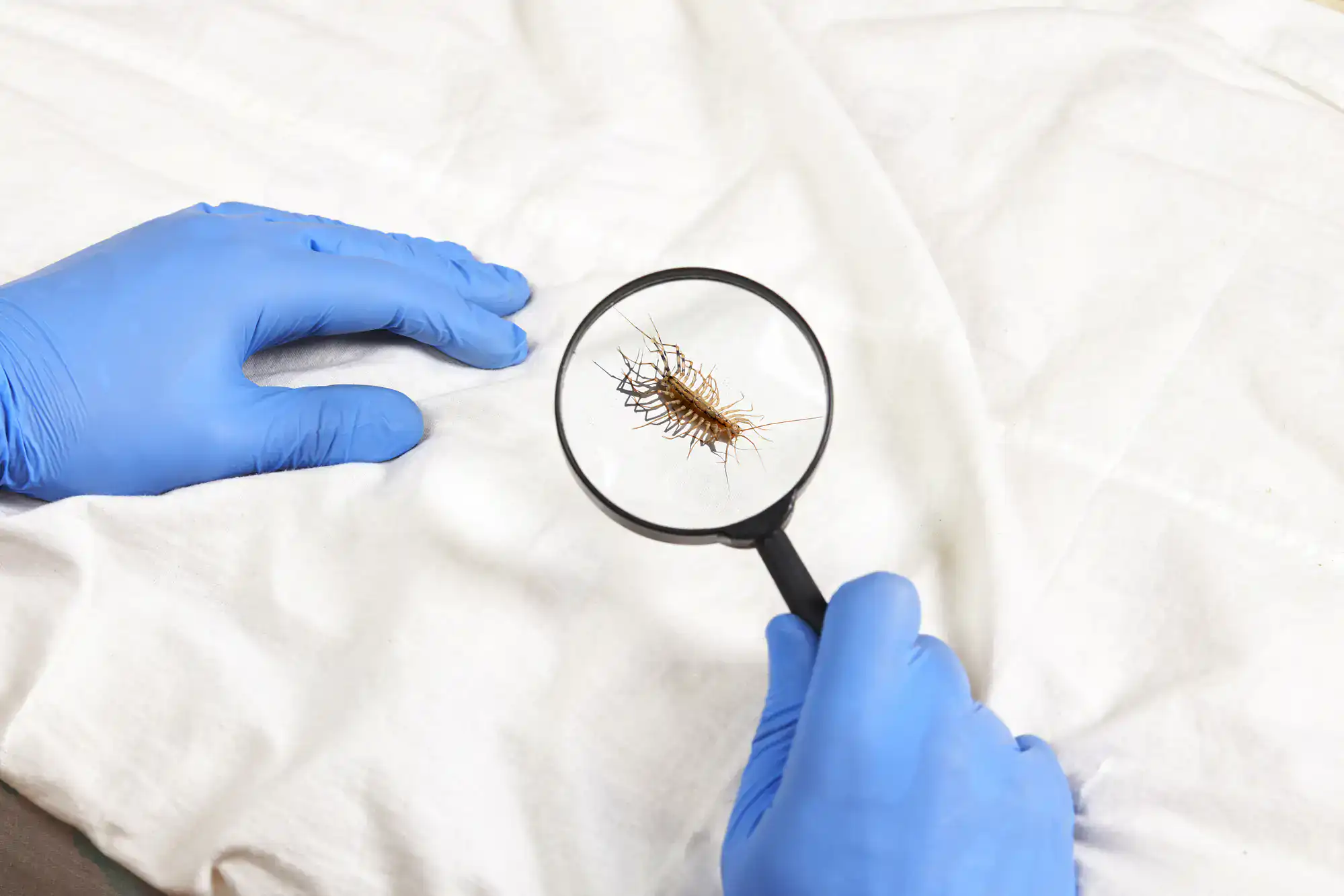
Flea treatment for the yard goes beyond a surface spray. Our program targets the areas where flea eggs and larvae survive: damp, shaded corners, under decks, along fence lines, and in established ornamental beds exactly the kind of spots common in Patchogue’s older housing stock. Insect Growth Regulators are part of the application, breaking the flea reproductive cycle rather than just knocking down the adults you can see.
Every application is handled by a licensed pesticide professional, in full compliance with New York State DEC requirements including buffer zone regulations near Patchogue’s waterfront and tidal areas along the Great South Bay. The program is custom-built for your property, not templated. Five fully wrapped professional trucks service the Patchogue area on a consistent schedule, and the same expertise that goes into your lawn care program carries directly into how your pest control is managed. These aren’t two separate services bolted together they’re built to work as one.
The right time to start is early April before most people think tick season has begun. On Long Island’s South Shore, blacklegged ticks become active as soon as temperatures consistently reach 50°F, which typically happens in late March or early April. The nymphal stage of the deer tick, which peaks in May and June, is the highest-risk window for Lyme disease transmission because these ticks are poppy-seed-sized and nearly impossible to spot on skin or clothing.
For Patchogue specifically, the proximity to Shorefront Park, the Patchogue River corridor, and the waterfront green spaces along the Great South Bay means tick pressure builds quickly once the season turns. Starting treatment in early April gives you a protective barrier in place before that nymphal surge hits. Waiting until you find the first tick of the season means you’ve already missed the most critical window.
The short answer is yes and the difference isn’t just product strength, though that matters too. Store-bought tick sprays are formulated at lower concentrations than professional-grade products, and they don’t include Insect Growth Regulators that disrupt the flea reproductive cycle at the egg and larval stage. But the bigger issue is application. DIY applicators almost always miss the spots where ticks actually live: the north-facing undersides of shrubs, the damp shaded corners under decks, the 20–30 foot transition zone at the edge of wooded or brushy areas, and the established ornamental beds along fence lines.
In a Patchogue yard especially an older home near the bay with mature landscaping those harborage zones are exactly where the problem is concentrated. A licensed technician knows where to look and what to target. If you’ve tried a hardware store product and still found ticks on your dog or kids by June, that’s not bad luck. That’s a precision problem that a professional application solves.
This is one of the most common questions, and it’s a fair one. The products we use in our flea and tick programs are EPA-registered and applied by NYSDEC-licensed technicians who are trained in proper concentrations, application methods, and re-entry intervals. The standard guidance is to keep children and pets off the treated area until the application has fully dried typically two to four hours depending on conditions after which the yard is safe for normal use.
In Patchogue, where DEC buffer zone regulations apply near tidal wetlands and waterfront areas along the Great South Bay, licensed applicators are required to follow specific protocols that protect both the local environment and the people living near it. An unlicensed applicator may not know or follow those requirements. The licensing distinction matters here not just for quality, but for legal compliance in a waterfront community.
Fall is genuinely the second peak and it’s the one most homeowners miss. Adult blacklegged ticks surge in activity from September through November, and on Long Island’s South Shore, the relatively mild fall temperatures extend that window compared to inland communities. Patchogue’s bay-adjacent climate tends to moderate temperatures into late autumn, which means ticks remain active longer than people expect.
The nymphal stage in spring and early summer gets the most attention because those ticks are tiny and hard to detect, but adult ticks in October are larger, more visible, and highly aggressive. Many homeowners who treat in spring and skip the fall end up with a second tick problem right when they’re spending more time outdoors during cooler weather. A complete seasonal program runs through at least one fall application to address that surge before winter.
Yes and this surprises a lot of homeowners. Flea pupae can remain dormant in carpet fibers, upholstered furniture, and protected outdoor areas for months, then hatch when indoor temperatures and humidity reach the right threshold. In a heated home, that can happen any time of year. Patchogue’s South Shore winters are milder than inland Suffolk County, which means outdoor flea populations in protected spots under decks, in crawl spaces, in shaded corners with leaf litter can persist longer than they would in colder climates.
A single outdoor flea exposure in late summer or fall can result in an indoor infestation that carries through winter and reappears in spring. If you’ve noticed fleas returning every year despite treating in the summer, the source is often a protected outdoor harborage zone that wasn’t addressed. Treating those specific areas not just the open lawn is what breaks the cycle.
Most of the companies ranking for tick control in Patchogue are either national franchises or standalone pest control operators. What we offer that they can’t is what we’ve built over nearly four decades in Suffolk County: an integrated approach where lawn health and pest control work together. Thatch buildup, poor drainage, overgrown beds, and unmaintained turf edges are the conditions that fleas and ticks need to survive. A company that only sprays doesn’t address any of that. Our programs are designed around a healthy lawn as the foundation which makes the pest control more effective and longer-lasting.
Beyond the approach, there’s the accountability piece. Every technician is NYSDEC-licensed. Our fleet of five fully wrapped trucks services Patchogue on a consistent schedule from Port Jefferson Station not dispatched from a call center in another county. And the owner-level expertise that goes into every job means the person making decisions about your property has real skin in the game. For a village that’s invested as much in its quality of life as Patchogue has, that level of care in a service provider isn’t a luxury it’s just what the job should look like.
Useful Links
Other Services we provide in Patchogue