
Hear from Our Customers
Patchogue’s sandy, loamy soil drains fast. When you fertilize with an off-the-shelf product, a good portion of it is gone before your grass ever gets to use it leached through the soil and into the groundwater before it does a thing. What you end up with is a lawn that looks okay in April and struggles by July, no matter how much you put into it.
That’s not a you problem. That’s a program problem. The right fertilizer, applied at the right time, with the right formulation for Long Island’s specific soil chemistry, makes a real difference. We use a custom-blended fertilizer made specifically for our programs and for the conditions Long Island lawns actually live in not a generic commercial bag pulled off a warehouse shelf.
Then there’s the summer. Coastal humidity along the south shore creates conditions that inland towns don’t deal with the same way. Brown patch fungus, moss creeping into shaded corners, crabgrass pushing through near Montauk Highway these aren’t random problems. They’re predictable ones, and a lawn care program designed for Patchogue accounts for all of them before they become visible.
We’ve been operating continuously in Patchogue and Suffolk County since 1987. That’s not a marketing number it’s 37 years of treating lawns in the same coastal soil, learning the same seasonal patterns, and understanding the specific conditions that make Patchogue lawn care different from everywhere else. No franchise model. No call center. No technician rotating through your yard every season with no idea what was done last time.
Every technician who comes to your property is a licensed NYS DEC pesticide applicator. That’s a state-regulated credential not a company badge. In Patchogue, where a significant number of properties sit near the bay, the Patchogue River, or the village’s canal network, that licensing matters. The 20-foot fertilizer setback from water bodies is county law, and a licensed professional knows it and follows it.
You get owner-level expertise on every job, five fully wrapped professional trucks you can actually identify on your street, and a program built around what your lawn needs not a one-size package that works for no one particularly well.
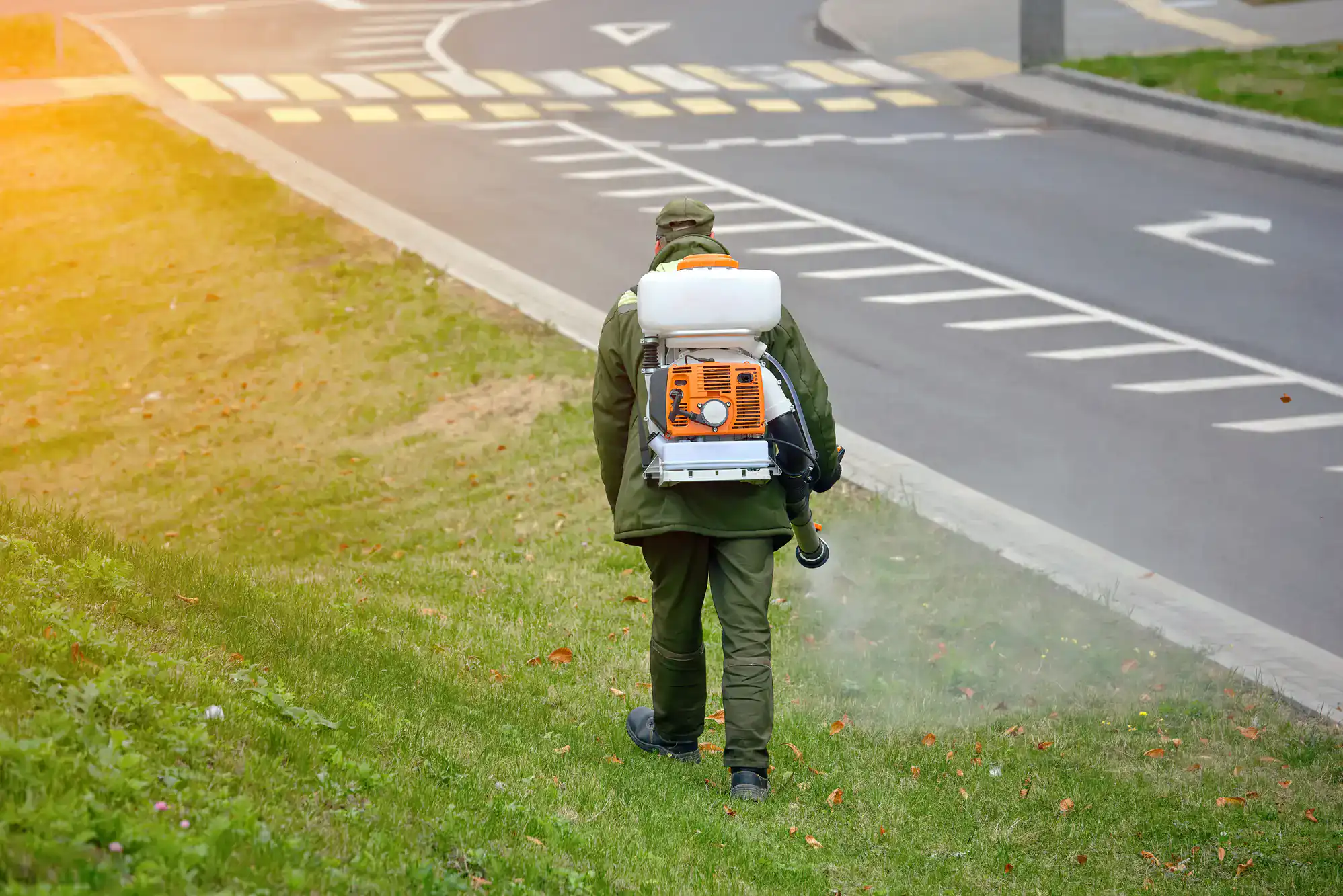
It starts with understanding what your lawn is actually dealing with. Patchogue lawns aren’t all the same a property near the waterfront has different challenges than one closer to Route 112 or the Patchogue-Medford corridor. Soil condition, shade coverage, proximity to water, past treatment history these all factor into what a program should include. That assessment happens before anything gets applied.
From there, your program is built around Suffolk County’s regulatory calendar. The fertilizer blackout runs November 1 through April 1 under county law no exceptions, no workarounds. Every application we make is timed to when your grass can actually use it. Pre-emergent goes down before soil temperatures hit the crabgrass germination threshold, which in Patchogue’s sandy, fast-warming soil happens earlier than most homeowners expect. Fall is the power window core aeration, overseeding, and the final fertilizer application all happen between September and late October.
If your lawn needs restoration or a full new install from seed, we handle that too. We use hydraulic aerators and seeders not the tow-behind consumer units to give you better penetration, better seed-to-soil contact, and faster recovery. The process is thorough because cutting corners here just means redoing it next season.
Ready to get started?
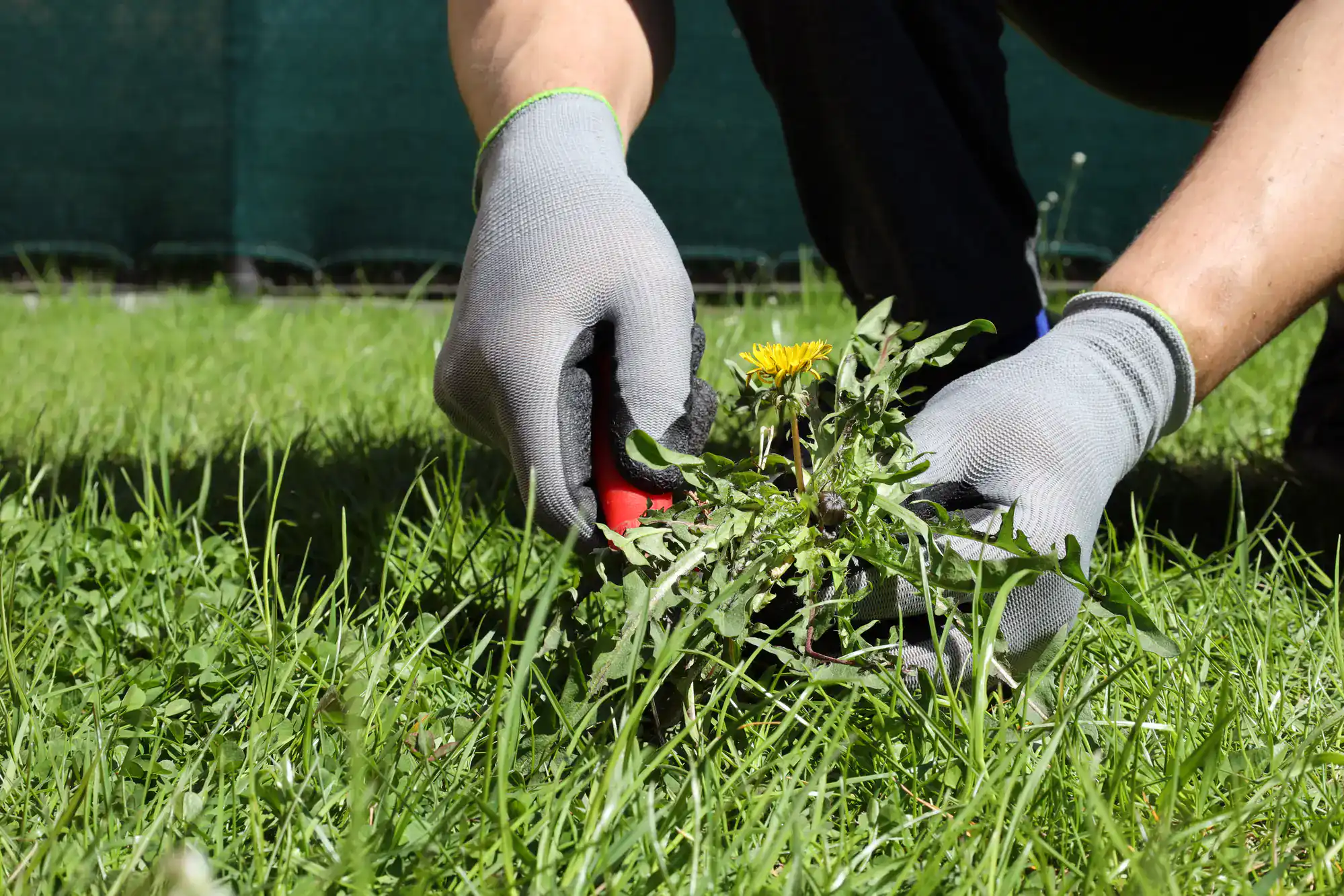
The core of what we do is a multi-step fertilization program using a custom-blended fertilizer formulated specifically for Long Island soil. Alongside that, our programs include weed control targeting the specific culprits common in Patchogue nutsedge in low-lying and moist areas, crabgrass in sandy spots and near Montauk Highway, dandelion, clover, and chickweed throughout. These aren’t generic spray-and-hope treatments. Targeted control for nutgrass and bentgrass is available because those particular problems don’t respond to standard rotations.
Core aeration and overseeding are a standard part of the fall program the most important window for Suffolk County cool-season lawns. Grub prevention is available for the Japanese beetle pressure that hits Patchogue residential areas every season. For properties near the bay, the Patchogue River, or the village’s canal network, every application we make respects Suffolk County’s mandatory 20-foot setback from water bodies. That’s not optional it’s county law, and it matters for the health of the Great South Bay as much as it does for your lawn.
If you’re starting from nothing a newly constructed property, a lawn damaged by a bad previous service, or bare ground we install new lawns from seed and handle full restoration. The same licensed professionals, the same equipment, the same program quality from the first application forward.
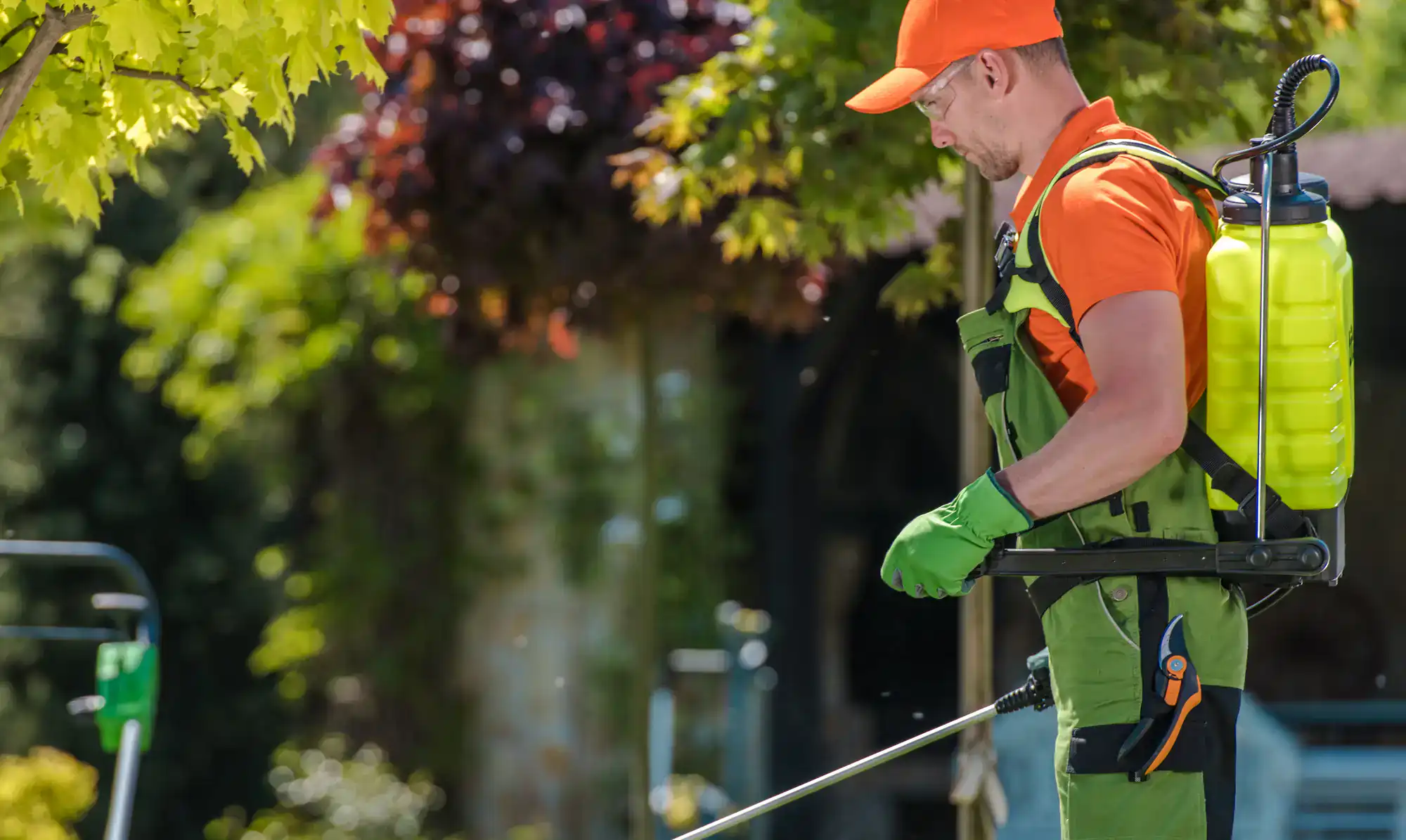
Suffolk County Local Law No. 41-2007 prohibits fertilizer application between November 1 and April 1 no exceptions. The law exists because Long Island sits over a sole-source aquifer, and fertilizer applied to dormant grass doesn’t feed the lawn. It leaches through the sandy soil and into the groundwater. Violations carry fines up to $1,000.
In practical terms for Patchogue homeowners, this means your program runs from early April through late October. The timing of each application within that window matters too spring pre-emergents need to go down before soil temperatures hit 55°F, which in Patchogue’s fast-warming coastal soil can happen earlier than you’d expect. Fall applications should be completed by mid-to-late October to fuel spring green-up without running into the blackout. We manage all of this for you so you’re not guessing at calendar dates.
Yes, in a few meaningful ways. Properties near Patchogue Bay, the Patchogue River, West Lake, Great Patchogue Lake, or the village’s canal network are subject to Suffolk County’s mandatory 20-foot fertilizer setback from any body of water. That’s not a guideline it’s an enforceable county regulation. An applicator who doesn’t know or ignores it is creating a legal and environmental problem for you.
Beyond the setback, waterfront proximity affects the lawn itself. Salt air off the Great South Bay draws moisture from grass blades and stresses turf in ways that inland properties don’t experience. Overseeding programs for Patchogue waterfront properties should account for salt-tolerant grass varieties. Coastal humidity also extends the conditions that favor brown patch fungus and moss, so fungicide treatment and proper timing become more important the closer you are to the water. These aren’t upsells they’re the baseline of a responsible program for a Patchogue property near the bay.
Nutsedge sometimes called nutgrass is one of the most stubborn lawn problems in Patchogue, and it’s especially common in low-lying areas, moist spots, and properties near the water. The reason it keeps coming back despite standard treatments is that it doesn’t respond to most broadleaf herbicides. It’s a sedge, not a true grass or a broadleaf weed, and it requires a targeted control product applied at the right stage of growth.
If a previous lawn care company applied a generic weed control program and told you it would handle the nutsedge, that’s likely why you’re still dealing with it. Effective nutsedge control requires the right chemistry, the right timing, and follow-up applications because the nutlets in the soil can persist and re-sprout. We offer targeted nutgrass control as part of our programs, which is one of the reasons homeowners who’ve cycled through franchise programs and national chains end up here. Specific problems need specific solutions, not a one-size rotation.
In New York State, any company applying pesticides which includes herbicides, insecticides, and fungicides to residential lawns for hire is legally required to hold a NYS DEC pesticide applicator license. Every technician must be licensed individually. This isn’t a voluntary credential or a marketing designation. It’s a state-regulated requirement backed by a 30-hour training course and a NYS examination.
The practical difference matters more in Patchogue than in many other towns. A licensed applicator knows Suffolk County’s specific regulations the fertilizer blackout, the 20-foot water-body setback, the NYS phosphorus ban for established lawns. They know what they’re applying, why they’re applying it, and what the legal and environmental consequences of getting it wrong are. An unlicensed operator applying pesticides near Patchogue Bay or the village’s canal network isn’t just cutting corners they’re operating illegally and putting your property and the bay at risk. Before you hire anyone, ask to see their NYS DEC license number. A legitimate company will give it to you without hesitation.
For cool-season lawns which is what the vast majority of Suffolk County properties have, including Patchogue fall is by far the most important treatment window of the year. Tall fescue, Kentucky bluegrass, and perennial ryegrass all thrive in the cooler temperatures of September and October. Soil is still warm enough for seed germination and root development, but the heat stress of summer is gone.
Core aeration breaks up the compaction that builds in residential soil over the season, opens pathways for water and nutrients to reach roots, and creates the seedbed conditions that make overseeding actually take. Overseeding in fall fills in thin spots and establishes new growth before winter. The final fertilizer application timed before the November 1 Suffolk County blackout gives the lawn the nutrients it needs to store energy through winter and green up strong in spring. Skipping fall treatments and trying to make up for it in spring is one of the most common reasons Patchogue lawns underperform year after year.
The honest answer is that it depends on how much viable grass you’re actually working with. If your lawn is more than 50% weeds, bare patches, or dead material, a standard treatment program isn’t going to give you the results you’re looking for you’re essentially maintaining a problem rather than solving it. In those cases, lawn restoration or a new install from seed is the more direct path to a lawn you’ll actually be happy with.
In Patchogue, this situation comes up more often than you’d think. Grub damage from Japanese beetle infestations can destroy large sections of turf in a single season. Salt damage near the bay or from road deicing chemicals along heavily traveled corridors can thin a lawn significantly over time. And homeowners who’ve had a bad experience with a previous company a wrong application, a missed treatment, an aggressive program that burned rather than fed the grass sometimes find themselves starting over. We handle the full range: assessment, restoration, new installs from seed, and ongoing maintenance programs. One company, the full process.
Useful Links
Other Services we provide in Patchogue