
Hear from Our Customers
When your soil is compacted, nothing you put on your lawn actually reaches the roots not the fertilizer, not the water, not the seed. The grass thins out, patches appear, and no matter what you try, the results never stick. That’s not a product problem. It’s a soil problem, and it won’t fix itself.
Core aeration changes that. By pulling plugs from the soil, it opens up the pathways your grass needs to actually grow deeper roots, better water absorption, and a lawn that stops fighting itself every season. Most Hauppauge homeowners see a noticeable difference within one growing season: thicker turf, better color, and grass that holds up through summer heat instead of burning out.
Here’s the local reality: Hauppauge’s housing stock skews older, with most homes built during the postwar Long Island development boom. Those lots were graded with compacted subsoil left behind after construction, and 50-plus years of mowing, foot traffic, and freeze-thaw cycles have only made it worse. Add in the humid subtropical climate cold winters, warm summers, and the kind of seasonal soil expansion and contraction that tightens everything up year after year and you’ve got lawns that are working against some serious structural disadvantages. Aeration doesn’t just help. For most Hauppauge properties, it’s the one treatment that makes every other lawn care investment actually worth something.
We’ve been operating in Suffolk County since 1987. That’s not a tagline it’s context. We were doing lawn aeration in western Suffolk County before most of our current competitors existed, and that kind of tenure means something when you’re dealing with soils that vary block to block across a community like Hauppauge.
Every job is handled by a licensed pesticide professional not a seasonal hire who just learned the route. That distinction matters more than most homeowners realize, because the person on your property is the one making decisions about your lawn, and accountability starts with credentials. Our trucks have been a regular presence on Veterans Memorial Highway and Route 111 for nearly four decades, and the program we bring to your property reflects everything we’ve learned from working in this specific part of Long Island for that long.
The fertilizer we use is custom-blended specifically for us not sourced from a generic supplier. Our aerators are hydraulic, professional-grade equipment. And our approach is tailored to your lawn, not copied from a template built for someone else’s.
It starts with an assessment of your specific property soil type, compaction level, thatch depth, grass variety, and whether you have an in-ground irrigation system. That last part matters more than people think. A significant number of Hauppauge homes have in-ground sprinkler systems, and aerating without flagging the heads and lateral lines first is how damage happens. Our licensed professionals assess and flag everything before the equipment touches your lawn.
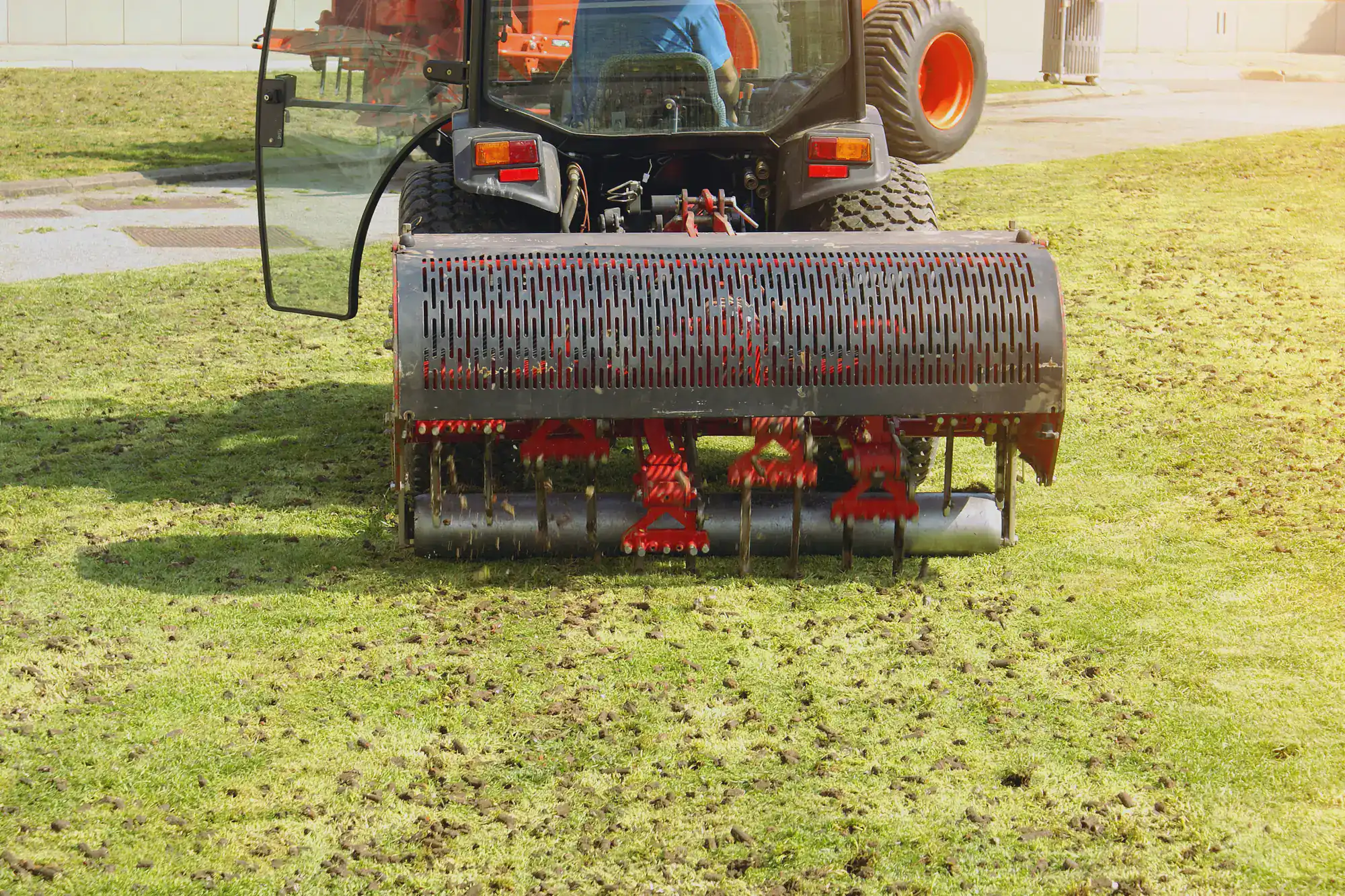
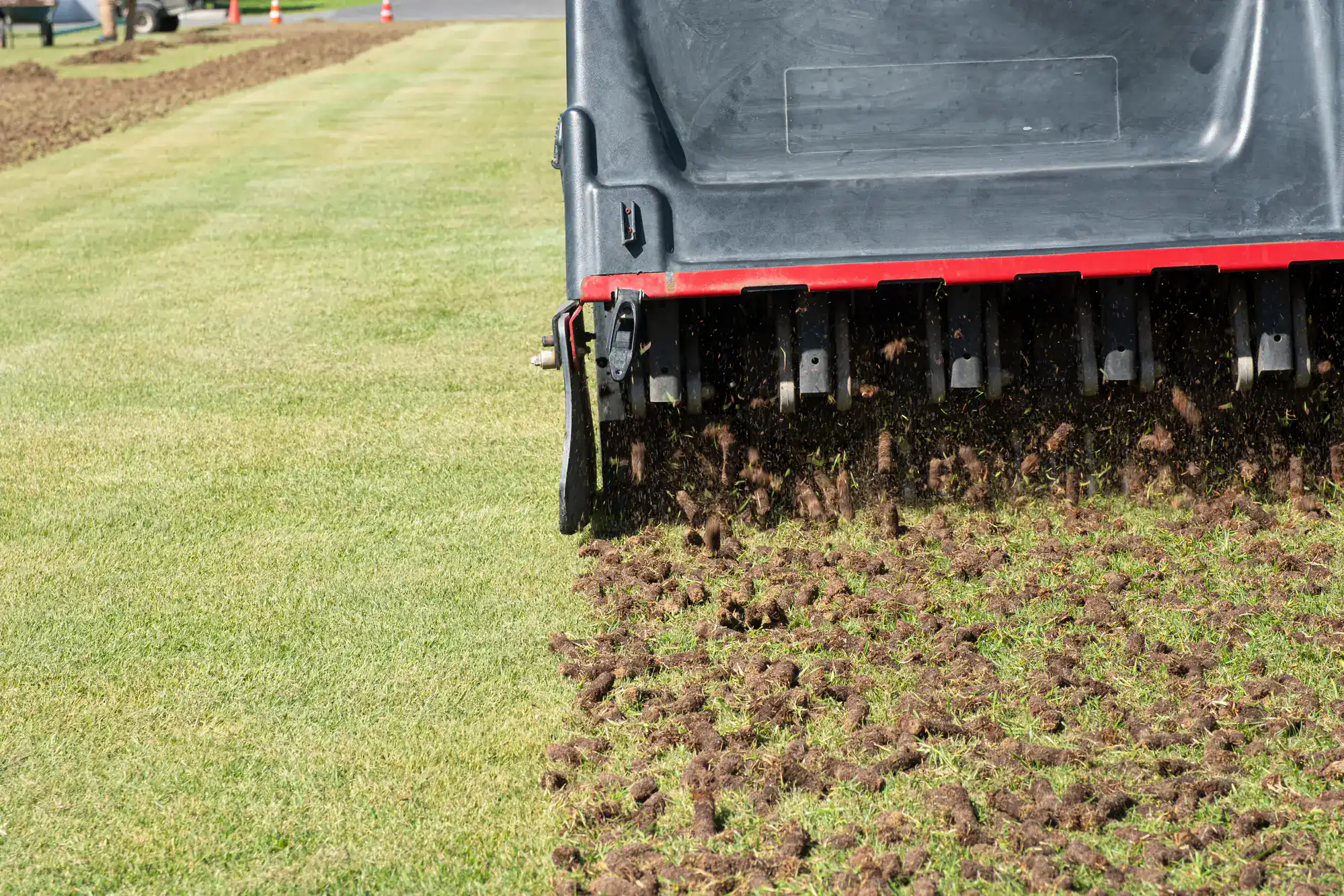
From there, our hydraulic aerator makes clean, consistent passes across your property pulling cores at the depth your soil actually needs, not the depth a rental machine can manage on a good day. The cores are left on the surface to break down naturally, returning organic matter back into the soil. If overseeding is part of your program, seed goes down immediately after aeration, when the soil channels are open and germination rates are at their peak.
Timing is something we plan around deliberately. For Hauppauge’s cool-season lawns tall fescue, Kentucky bluegrass, perennial ryegrass the optimal window is late August through October. Suffolk County’s fertilizer ban kicks in November 1, which means aeration, overseeding, and fertilization all need to be completed before that deadline. We schedule around this every season, so you’re not scrambling when the window closes.
Ready to get started?
We don’t sell packages off a shelf. What you get is a program built around what your specific property actually needs which, for most Hauppauge homeowners, starts with a real compaction assessment before any equipment gets unloaded. The screwdriver test is the simplest version of this: if you can’t push a standard screwdriver six inches into your lawn without significant resistance, your soil is compacted enough that aeration will produce visible results. Most Hauppauge lawns fail that test badly.
The core aeration service itself uses hydraulic equipment that outperforms anything available at a rental counter deeper penetration, cleaner core removal, and consistent results across the entire lawn, including the heavily compacted zones near driveways, walkways, and high-traffic areas where lighter machines tend to underperform. If your lawn has irrigation, every sprinkler head and lateral line gets flagged before the first pass. Nothing gets skipped because it’s inconvenient.
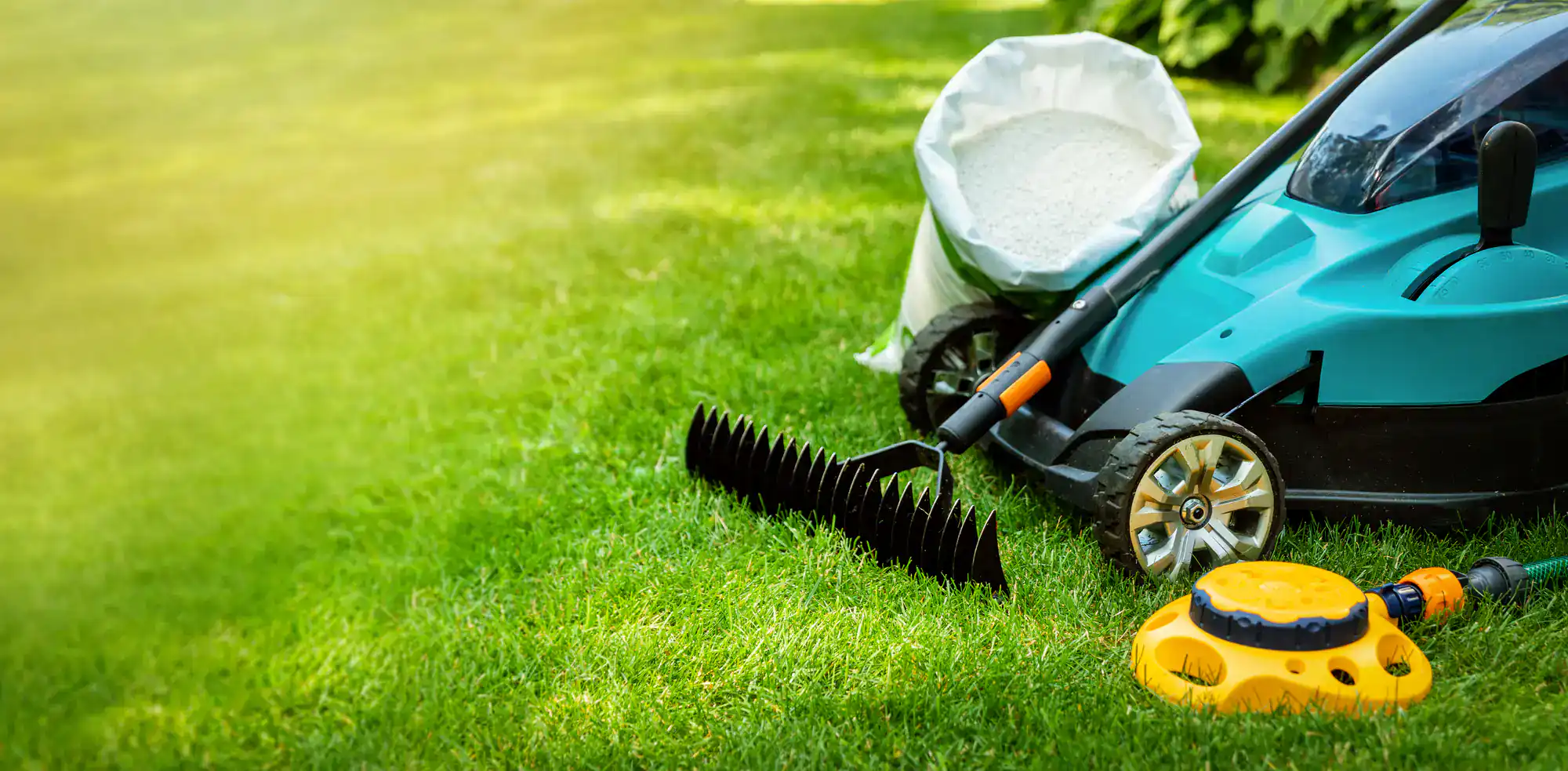
For properties that need more than aeration alone thin turf, bare patches, or lawns that have been neglected for a few seasons overseeding is available as part of the same visit. Our custom-blended fertilizer goes down through the open soil channels created by aeration, which is the most efficient delivery window your lawn will have all year. Suffolk County’s fertilizer regulations are built into the scheduling from the start, so the program is always compliant and always timed to get you the best possible results before the season closes.
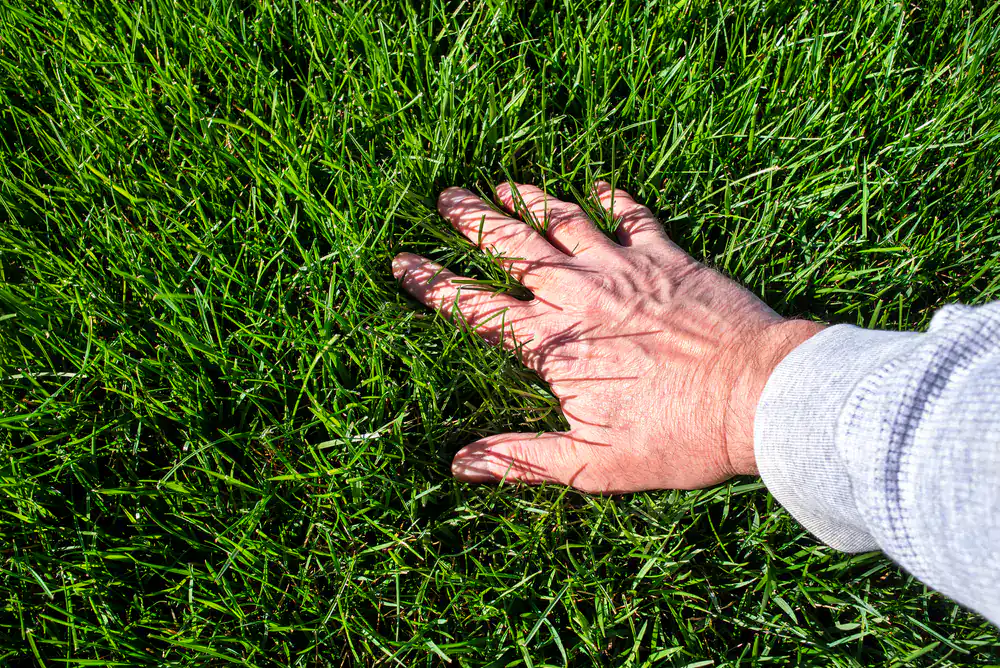
For the cool-season grasses that make up most Hauppauge lawns tall fescue, Kentucky bluegrass, and perennial ryegrass fall is the best window by a significant margin. Late August through October gives you warm soil temperatures, active grass growth, and enough time for the lawn to recover and fill in before winter dormancy sets in. The grass is doing its most vigorous growing during this period, which means it can bounce back from the aeration process quickly and take advantage of the open soil channels right away.
There’s also a hard deadline to be aware of: Suffolk County’s fertilizer ban takes effect November 1, prohibiting the application of nitrogen- and phosphorus-containing fertilizers through April 1. That means aeration, overseeding, and fertilization all need to happen before that cutoff to be effective within the current season. Spring aeration is possible, but it comes with timing complications aerating after a pre-emergent weed control application breaks the chemical barrier and opens the door for crabgrass and broadleaf weeds. A licensed professional understands how to navigate that conflict. Most homeowners who try to manage it themselves don’t find out about the problem until they’re looking at a lawn full of weeds in June.
The simplest test is the screwdriver test. Take a standard screwdriver and push it straight into your lawn. If you can’t get it six inches deep without real effort, your soil is compacted enough that aeration will make a measurable difference. You can also look at how your lawn drains after rain if water pools on the surface instead of soaking in, compaction is usually the reason. Thin, patchy turf that doesn’t respond to fertilizer or watering is another reliable indicator.
For Hauppauge specifically, the odds are already working against you before you even run the test. Most homes in the area were built during the postwar Long Island development boom of the 1960s and 1970s, when builders routinely stripped topsoil from lots during grading and left compacted subsoil as the growing medium. That was 50-plus years ago. Add in decades of mowing, foot traffic, and the freeze-thaw cycles that come with Hauppauge’s winters, and the compaction that built up over time is substantial. If your home was built before 1980 and you’ve never had professional core aeration done, there’s a very high likelihood your lawn needs it.
Core aeration removes actual plugs of soil from the ground, creating open channels that allow air, water, and nutrients to reach the root zone. Those channels stay open long enough for the grass to grow into them and for the soil to restructure around them. Spike aeration, by contrast, just pokes holes in the ground without removing anything. The problem with spike aeration is that pushing a solid tine into already-compacted soil often compacts the surrounding area further you’re displacing soil sideways rather than removing it, which can make the underlying problem worse over time.
For the kinds of soils found throughout Hauppauge glacially deposited, variable between sandy loam and heavier clay depending on where exactly your property sits core aeration is the only method that produces real, lasting results. Spike aeration might look like it’s doing something, but the effects are minimal and short-lived. If a company is offering spike aeration at a lower price point, it’s worth understanding what you’re actually getting. The difference in results, especially for a lawn that’s been dealing with compaction for decades, is not subtle.
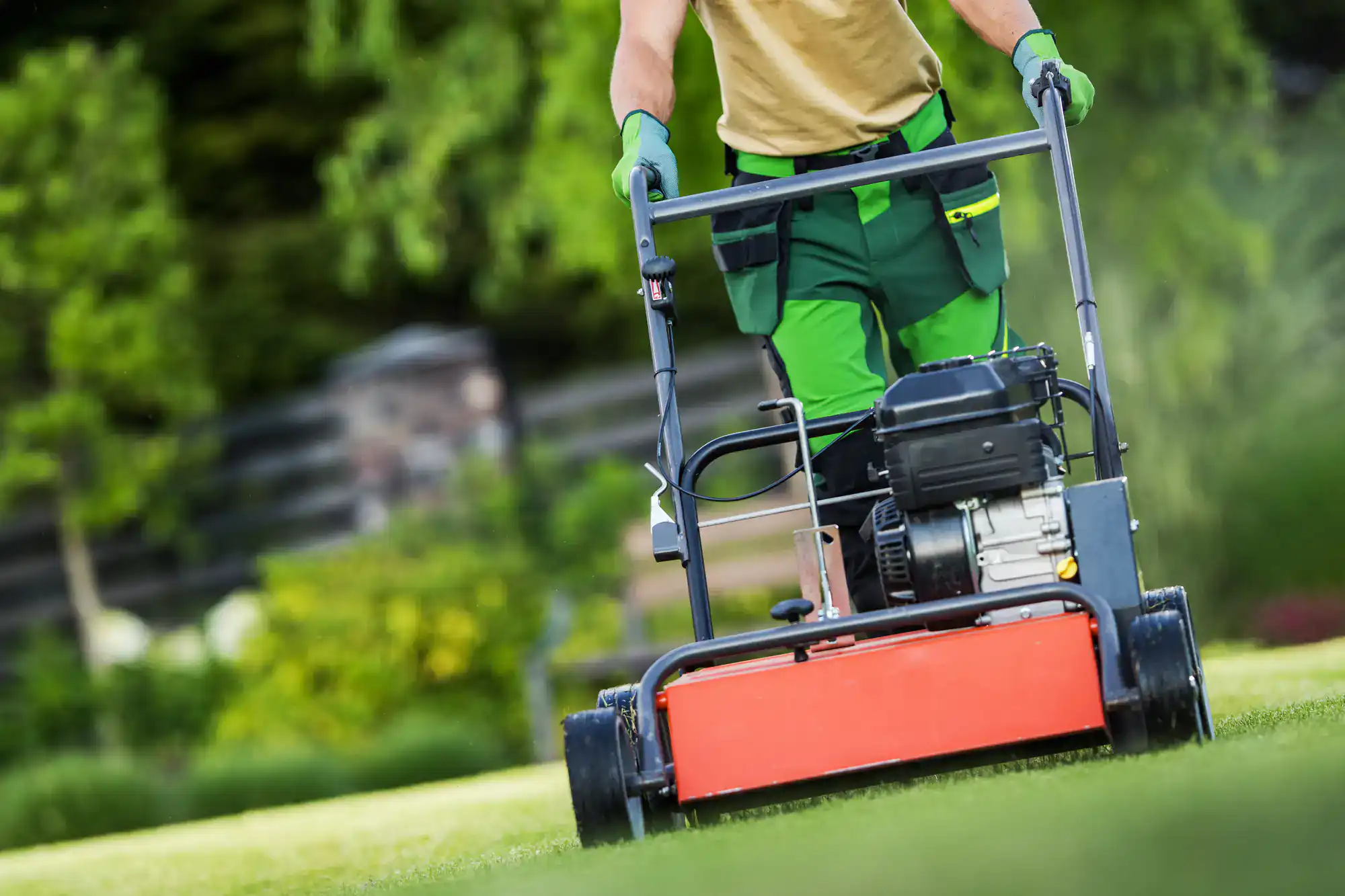
Aerator rentals are available locally for around $75 to $107 per day, and it’s a route a lot of homeowners consider before calling a professional. The honest answer is yes, professional aeration costs more upfront but the comparison isn’t as straightforward as it looks. Consumer-grade rental aerators are built for light use, and they don’t penetrate deeply enough in compacted soil to produce the same results as a hydraulic professional machine. In heavily compacted Hauppauge lawns, a rental machine often makes one shallow pass and calls it done. The cores are inconsistent, the depth is insufficient, and the areas near driveways and walkways where compaction is worst get skipped because the machine can’t handle the resistance.
Beyond the equipment gap, there’s the timing and coordination piece. If you’re aerating and overseeding together, seed needs to go down immediately after the cores are pulled, while the channels are still open. Managing that sequence correctly, on the right day, with the right equipment, while flagging your sprinkler heads and staying within Suffolk County’s fertilizer window that’s a lot to coordinate on a weekend with a machine you’ve never operated before. Most homeowners who try it once hire a professional the second time around.
It can if it’s done by someone who doesn’t assess the property first. Aerator tines can puncture sprinkler heads and lateral lines if they’re not properly identified and flagged before the machine makes its first pass. This is one of those details that separates a professional operation from a crew that just shows up and starts running equipment. A significant portion of Hauppauge’s single-family homes have in-ground irrigation systems, and damage to those systems isn’t a minor inconvenience repairs can run into the hundreds of dollars depending on what gets hit.
Before any aeration work begins, our licensed professionals walk the property, locate all sprinkler heads and lateral lines, and flag them clearly so the equipment operator knows exactly where to adjust. The aerator is operated around those flags with the same care you’d expect from someone who’s accountable for what happens on your property. If you have an irrigation system and you’re not sure whether the company you’re considering does this as standard practice, it’s worth asking directly before you schedule. The answer tells you a lot about how they run their operation.
Doing them together is actually the most effective approach, and there’s a specific reason for it. Immediately after core aeration, the soil channels are open and the seed has direct access to soil contact which is the single most important factor in germination. Seed that lands on bare, open channels germinates at a significantly higher rate than seed scattered on a closed, compacted surface. Waiting even a few days after aeration reduces that advantage as the channels begin to close and surface conditions change.
For Hauppauge homeowners dealing with thin turf or bare patches which is common in properties where compaction has been building for decades combining aeration and overseeding in a single visit is the most efficient way to address both problems at once. Our custom-blended fertilizer goes down at the same time, delivered directly through the open channels where it can actually reach the root zone instead of sitting on the surface and running off. The whole program is timed to fall within the optimal late-summer to October window, before Suffolk County’s November 1 fertilizer ban closes the season. Getting all three treatments done in one coordinated visit isn’t just convenient it’s genuinely more effective than spacing them out.
Useful Links
Other Services we provide in Hauppauge