
Hear from Our Customers
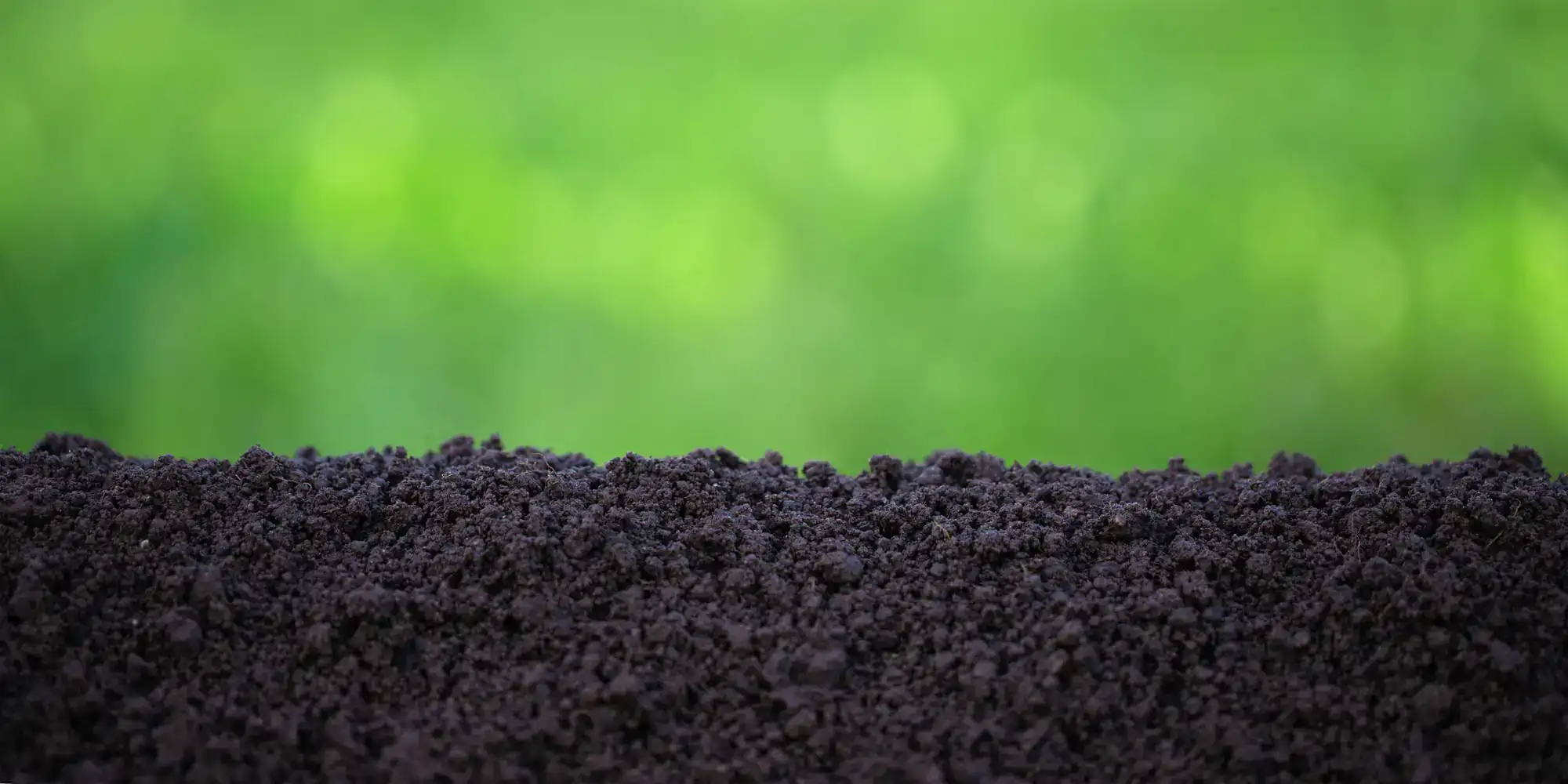
Hauppauge sits on sandy loam soil that drains fast and runs slightly acidic usually somewhere between 5.5 and 6.5 on the pH scale. That combination is one of the main reasons lawns here thin out faster than homeowners expect. Seed dropped on unprepared, acidic ground without the right variety selection doesn’t stand much of a chance, no matter how much you water it.
When the soil is properly amended, pH is corrected with lime, and a cool-season blend matched to Long Island’s climate goes down at the right time, the difference is visible within weeks. Thin patches fill in. Bare ground greens up. The overall density shifts from something you’re embarrassed about to something you don’t have to think about anymore.
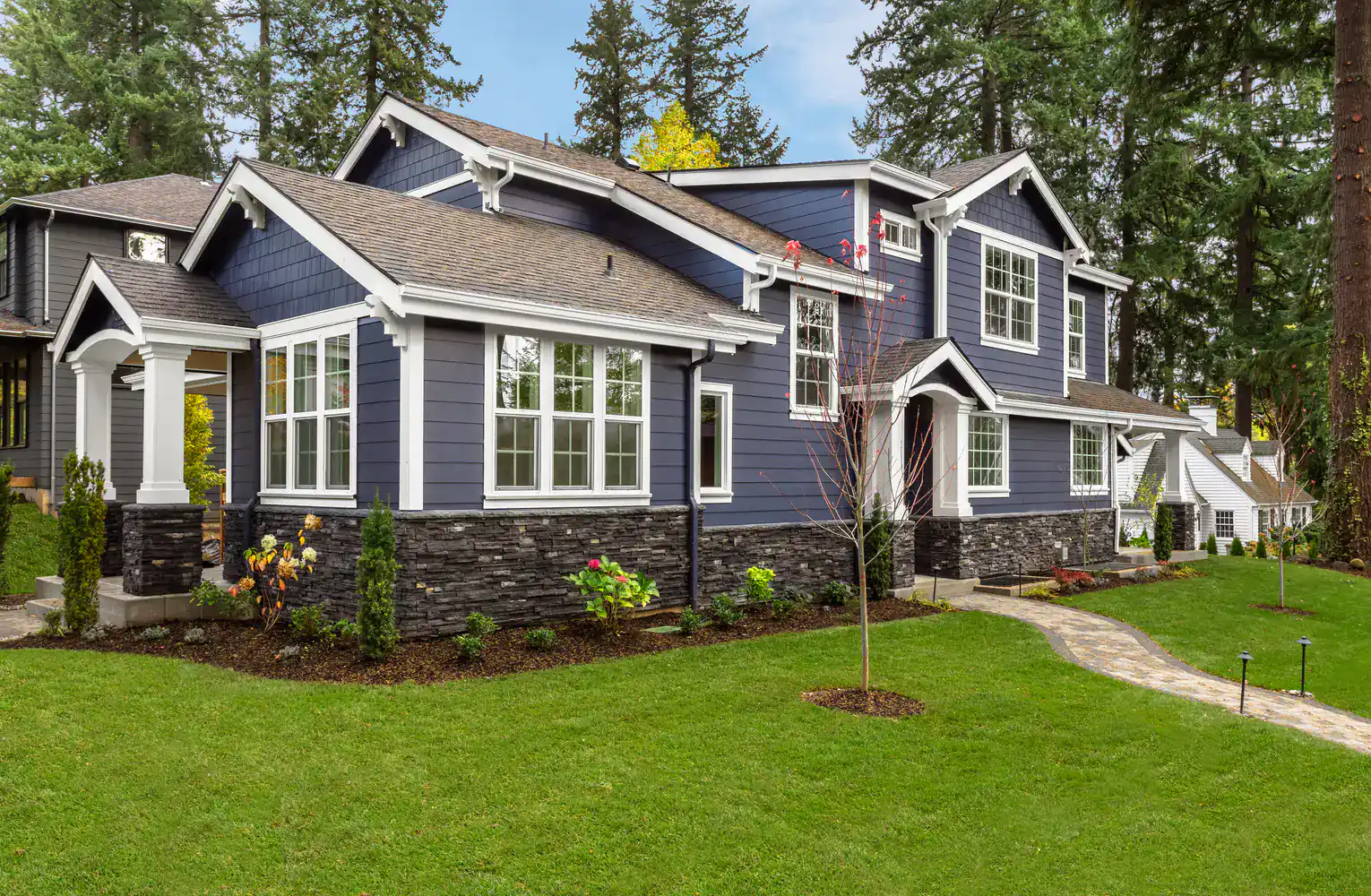
For Hauppauge homeowners many of whom are managing properties worth close to $780,000 near Veterans Memorial Highway or the residential streets tucked behind the Northern State Parkway the lawn is part of the property’s first impression. A thick, established lawn isn’t just curb appeal. It reflects the care that goes into everything else about the home.
We’re a Suffolk County lawn seeding specialist not a franchise, not a national chain. Our work happens here, in Hauppauge and surrounding communities, where the soil profile, the seasonal windows, and the county’s fertilizer regulations are things we deal with every single day. That familiarity isn’t a marketing line. It shows up in how we build programs and how results hold.
Hauppauge has its own quirks. Properties near Blydenburgh County Park deal with different moisture and drainage conditions than those closer to the Long Island Expressway corridor. Lots that were developed during the post-war suburban build-out of the 1950s through 1980s carry decades of compaction and thatch that a generic overseeding approach won’t fix. We account for all of it.
Suffolk County’s Healthy Lawns, Clean Water fertilizer law also shapes how we structure every seeding program here. Every application is timed and formulated to stay within county guidelines because protecting the Long Island aquifer matters, and because homeowners in this community notice when a company actually operates responsibly.
We start with an honest look at what’s actually going on with your lawn. Soil condition, pH levels, compaction, thatch depth, existing grass coverage these things determine what the program needs to include and what it doesn’t. Skipping this step is exactly why most DIY seeding attempts don’t hold. The ground has to be ready before a single seed goes down.
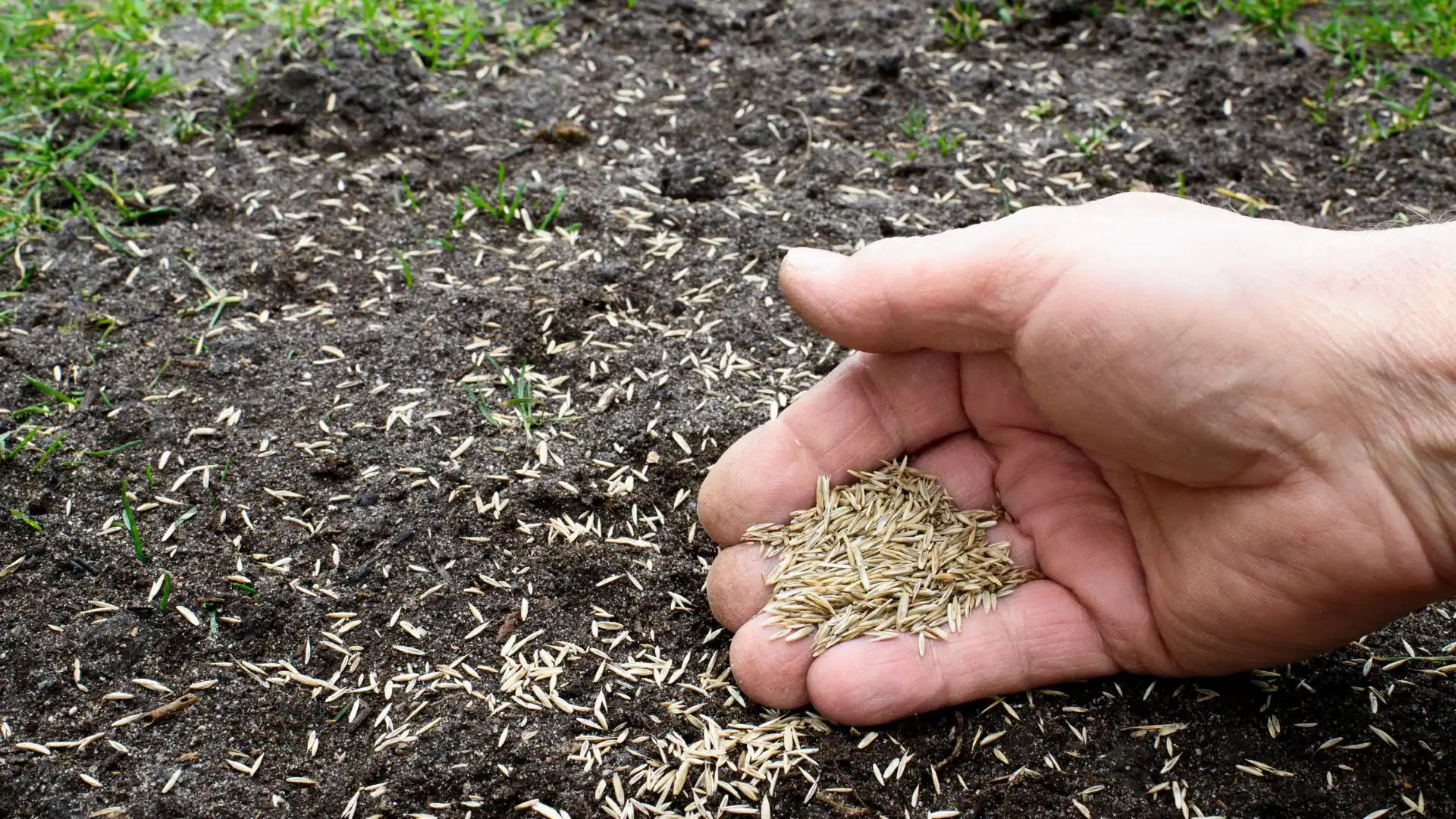
For existing lawns that have thinned over time, core aeration almost always comes before overseeding. The aerator pulls plugs from the soil, which relieves compaction and creates direct seed-to-soil contact the single biggest factor in germination success. Hauppauge’s older residential lots, many dating back several decades, are prime candidates for this step. Once the ground is open, a premium cool-season blend typically tall fescue, Kentucky bluegrass, or perennial ryegrass depending on your specific conditions goes down along with a starter fertilizer applied in compliance with Suffolk County’s fertilizer timing guidelines.
After seeding, you’ll get clear guidance on watering schedules and mowing timing so the new seedlings aren’t stressed or cut too early. The fall window late August through mid-October is when this process works best on Long Island. Soil temperatures are still warm enough to support germination, air temperatures have dropped to reduce stress on new growth, and weed competition is at its lowest. That timing isn’t a coincidence. It’s the reason fall seeding consistently outperforms spring attempts in this region.
Ready to get started?
Whether you’re working with bare ground or restoring density to an existing lawn, what we include in the program depends on what your property actually needs not a fixed package that ignores your specific conditions. For new lawn seeding, that typically means soil testing, grading where needed, lime application to correct Hauppauge’s characteristically acidic pH, premium seed selection, application, and starter fertilization within Suffolk County’s approved guidelines. For overseeding, it means core aeration paired with a targeted cool-season seed blend and follow-up care guidance built around your lawn’s current state.
The grass varieties we use here are selected specifically for Long Island’s climate and soil. Tall fescue handles the heat stress and sandy drainage conditions better than most alternatives. Kentucky bluegrass delivers the dense, dark-green look that Hauppauge homeowners are typically after. Perennial ryegrass establishes quickly and fills in thin areas fast. The right blend depends on your sun exposure, soil type, and how the lawn is used and that’s a decision we make after looking at your property, not before.
For properties with slopes, large open areas, or erosion-prone sections, we also offer hydraulic lawn seeding. The seeding process applies seed, mulch, fertilizer, and a tackifier in a single pass delivering better coverage, erosion control, and moisture retention than broadcast seeding alone on challenging terrain.
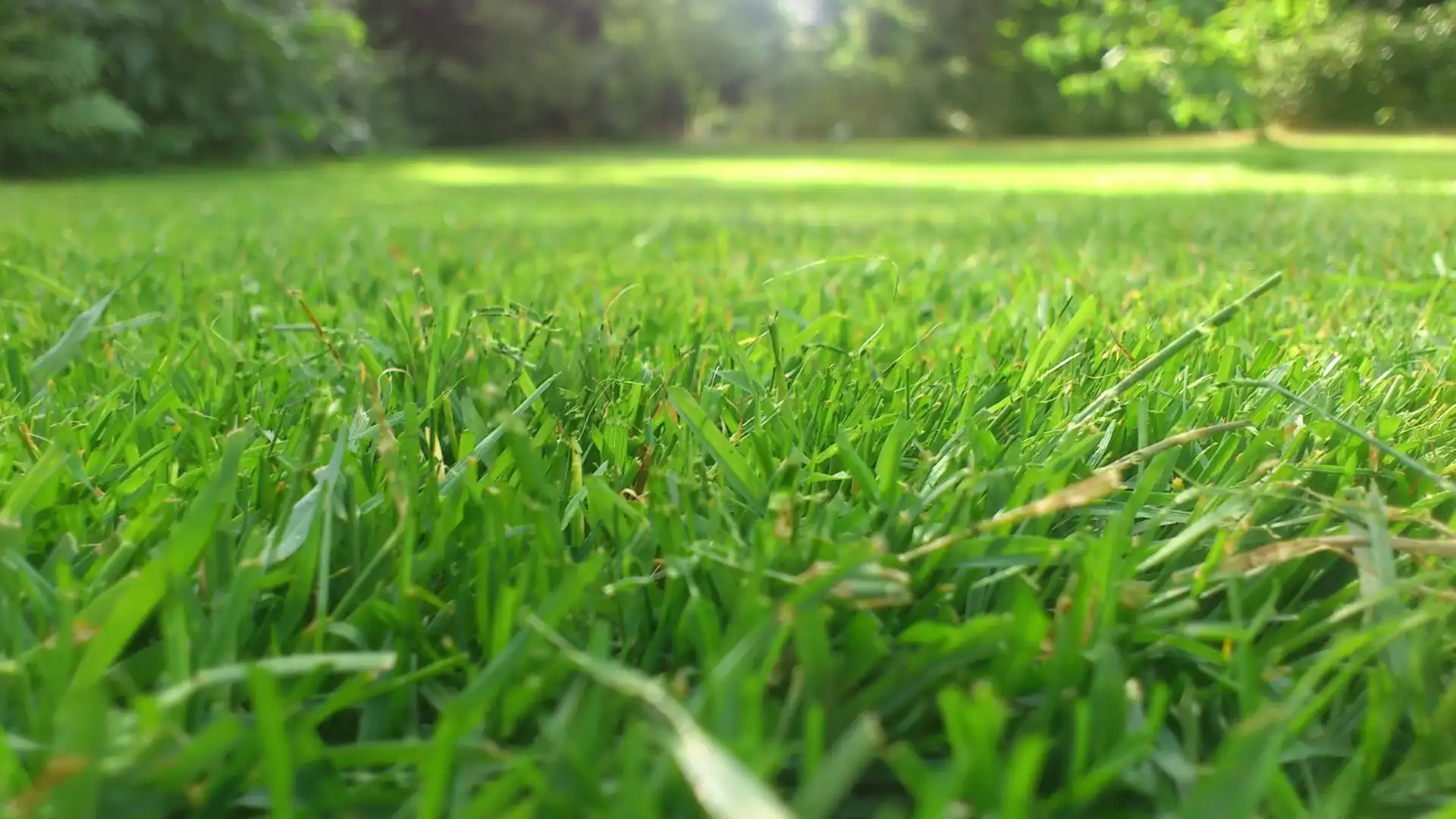
The best window for lawn seeding in Hauppauge is late August through mid-October. During this stretch, soil temperatures are still warm from summer typically above 50°F, which is the minimum threshold for cool-season grass germination while air temperatures have cooled enough that new seedlings aren’t immediately stressed by heat. Weed competition also drops significantly in fall, which gives new grass a much cleaner environment to establish in.
Spring seeding is possible, but it comes with real trade-offs. Crabgrass and broadleaf weeds germinate aggressively in spring on Long Island, and new seedlings can get crowded out before they’ve had a chance to root properly. If you pre-treat for crabgrass in spring, you typically can’t seed at the same time the two treatments conflict. Fall seeding sidesteps all of that and consistently produces better results for Hauppauge lawns. If your situation requires spring seeding, it can be done successfully with the right follow-up care, but fall is always the preferred timing in this region.
Hauppauge falls within USDA Hardiness Zones 6b–7a, which puts it squarely in cool-season grass territory. The three varieties that perform best here are tall fescue, Kentucky bluegrass, and perennial ryegrass often used in blended mixes rather than as single-variety applications.
Tall fescue is the workhorse of Long Island lawns. It handles the sandy, fast-draining soil found throughout Hauppauge better than most alternatives, tolerates summer heat stress reasonably well, and holds up under moderate foot traffic. Kentucky bluegrass delivers the dense, rich green color that most homeowners are picturing when they imagine their ideal lawn it spreads through rhizomes, which means it self-repairs over time. Perennial ryegrass germinates faster than either of the other two, making it useful for quick coverage in thin or bare areas. The right blend for your specific lawn depends on sun exposure, how much shade you’re dealing with, and what the soil drainage looks like on your particular property which is why we select seed after an actual assessment, not before.
For most established lawns in Hauppauge especially those on properties developed in the 1950s through 1980s core aeration before overseeding isn’t just helpful, it’s usually the difference between a program that works and one that doesn’t. Decades of foot traffic, seasonal freeze-thaw cycles, and normal lawn use compact the soil over time. Compacted soil blocks water, air, and nutrients from reaching grass roots, and it also prevents seeds from making proper contact with the soil which is the number one reason overseeding fails.
Core aeration pulls small plugs from the soil, which relieves that compaction and opens up channels where seed can settle in and germinate. When overseeding follows immediately after aeration, germination rates improve significantly because the seed is going directly into prepared ground rather than sitting on top of a compacted, thatch-covered surface. If your lawn has visible compaction, heavy thatch, or areas where water pools and runs off instead of soaking in, aeration before overseeding is almost certainly the right call for your property.
Suffolk County’s Healthy Lawns, Clean Water law places specific restrictions on fertilizer application timing, nitrogen content, and phosphorus use and those restrictions apply directly to any lawn seeding program that includes starter fertilizer, which most professional seeding programs do. The law exists because Long Island sits above a sole-source aquifer the single underground water supply that provides drinking water to the entire island. Nitrogen from lawn fertilizers is one of the primary contributors to aquifer contamination, and Suffolk County has been proactive about regulating it.
In practice, this means starter fertilizers used in Hauppauge seeding programs need to be low-phosphorus or phosphorus-free in most applications, and nitrogen applications need to fall within the county’s approved timing windows. Early September applications align well with the county’s guidance and also happen to coincide with the optimal fall seeding window so a properly timed program naturally fits within the regulations. Every seeding program we run in Hauppauge is structured with these requirements built in, not treated as an afterthought.
Overseeding is for lawns that are still there just thin, patchy, or worn down. The existing turf stays in place, and new seed is introduced to fill in bare spots, increase density, and crowd out weeds over time. It’s typically paired with core aeration to improve seed-to-soil contact and works best when there’s still enough existing grass to provide a base for the new growth to fill into.
Starting a new lawn from seed is a more involved process and applies when you’re working with bare ground after construction, after removing a diseased or dead lawn, or after purchasing a home where the yard has been neglected to the point where there’s little or nothing left to work with. New lawn seeding in Hauppauge typically requires soil testing, grading to establish proper drainage and slope, lime application to correct the area’s characteristically acidic pH, and a complete seed and starter fertilizer application followed by a structured watering schedule. The timeline to a fully established new lawn is longer than overseeding usually one full growing season but the end result is a lawn built correctly from the ground up rather than patched together over time.
Lawn seeding costs in Hauppauge vary based on lawn size, current condition, and what the program needs to include. For a professional overseeding program core aeration plus premium cool-season seed application on an average suburban lot you’re typically looking at somewhere in the range of $250 to $500 depending on square footage and soil condition. Full new lawn seeding programs that include soil testing, lime application, grading, and a complete seed-and-fertilizer application on bare ground generally run higher, often $600 to $1,500 or more for larger properties.
For Hauppauge homeowners managing properties valued near $780,000, the cost of a professional seeding program is a small fraction of what a thin or bare lawn costs in lost curb appeal and property perception especially in a market where homes are selling in roughly 19 days and first impressions matter. The more relevant question usually isn’t what it costs upfront, but what it costs to keep repeating a cheaper approach that doesn’t hold. A properly prepared, professionally seeded lawn with the right variety for Hauppauge’s sandy, acidic soil establishes correctly the first time and doesn’t need to be redone the following season.
Useful Links
Other Services we provide in Hauppauge