
Hear from Our Customers
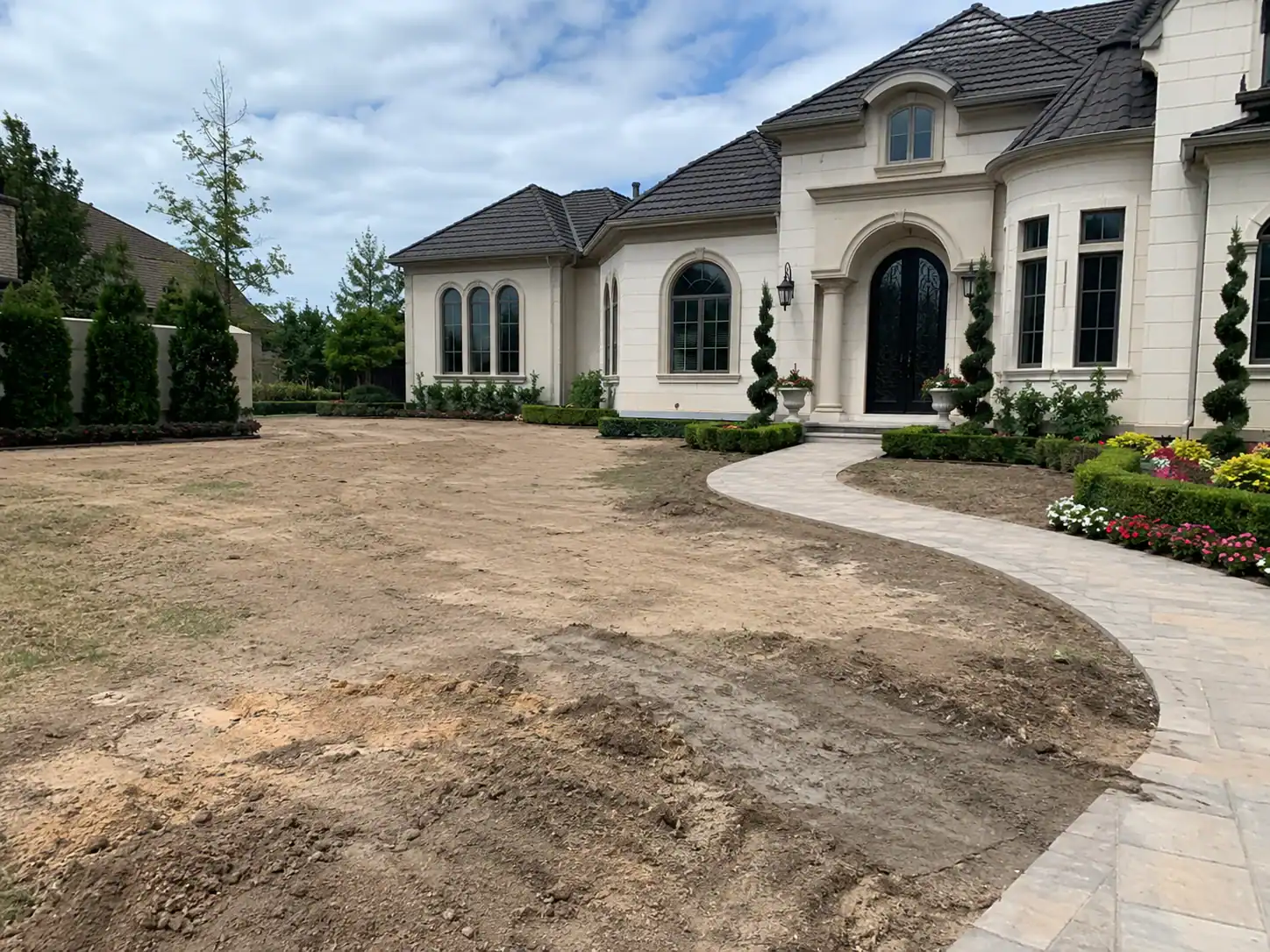
When your lawn is struggling, the rest of your property feels off too. Bare patches near the tree line, thin turf along the waterfront edge, sections that just never bounced back after a rough summer these aren’t cosmetic issues. On a Great River property, where homes regularly list above a million dollars, a damaged lawn pulls down everything around it.
The right restoration process doesn’t just fill in the gaps. It corrects what caused them. For properties near the Connetquot River or Nicoll Bay, that often means addressing salt stress or post-storm soil damage before any seed goes down. For homes with mature oaks and ornamentals the kind you find on Great River’s older estate lots it means selecting the right shade-tolerant mix and amending the soil beneath the canopy, not just overseeding and hoping.
Once the underlying problems are corrected, the results hold. You end up with turf that’s thick, rooted deep, and built for the conditions on your specific Great River property not a generic fix that looks okay in October and fades by July.
We’ve been restoring lawns across Suffolk County since 1986. That’s not a marketing number it means our team has worked through droughts, storms, grub cycles, and every seasonal challenge Long Island throws at a cool-season lawn. Great River and the surrounding South Shore communities East Islip, Oakdale, Sayville, Bayport have been part of that work for decades.
What matters to you is that the person assessing your lawn actually knows what they’re looking at. We’re NYS licensed, which isn’t optional in a community where properties border the Connetquot River and the Great South Bay. New York State’s fertilizer laws set strict application setbacks near waterways, and an unlicensed operator simply isn’t held to those standards. You are.
Great River is a specific place with specific conditions. We bring that local knowledge to every property not a franchise script.
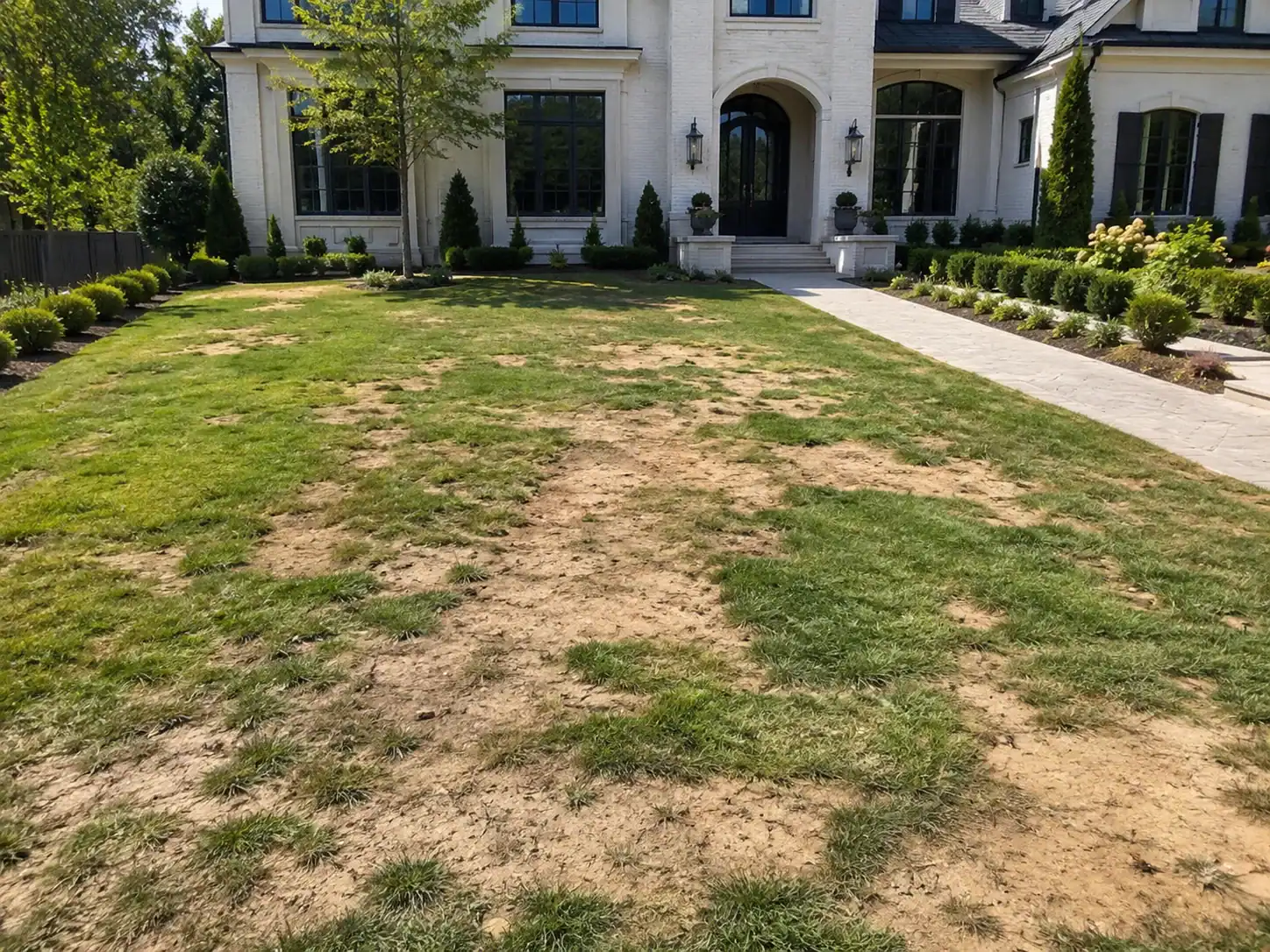
It starts with a real assessment of your lawn not a glance from the truck. Soil compaction, pH levels, drainage patterns, signs of grub activity, salt exposure near the waterfront these are the things that tell us why your lawn is struggling. Skipping this step is why a lot of restoration work doesn’t last.
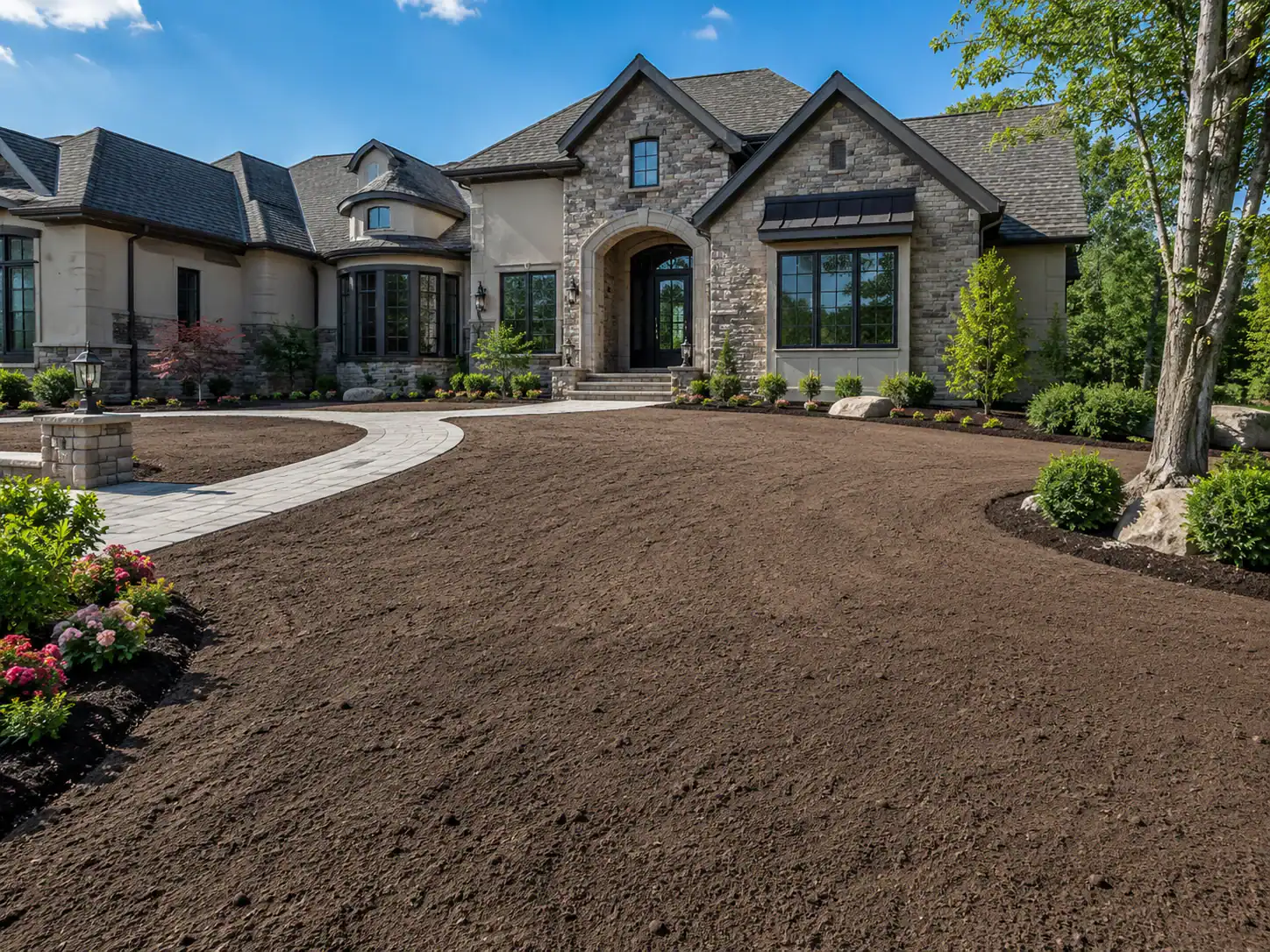
Once the diagnosis is clear, the correction work begins. For most Great River properties, that means core aeration to break up compacted soil, followed by slice seeding a method that cuts directly through thatch and places seed in contact with the earth rather than sitting on top of it. If the soil needs pH adjustment or organic matter, that gets addressed before the seed goes down. Timing matters here too. On Long Island, the fall window late August through October is when cool-season grass germinates best, and we schedule restoration work around that window specifically.
After seeding, you’ll get clear guidance on watering and follow-up care. Full results typically develop over one to two growing seasons depending on the extent of the damage. If your lawn turns out to need a full rebuild rather than restoration, we’ll tell you that honestly and walk you through what renovation involves instead.
Ready to get started?
Lawn restoration near Great River isn’t one-size-fits-all. Our service is built around what your property actually needs. That could mean soil testing and pH correction for a lawn that’s been compacted under mature trees for years. It could mean targeted bare patch repair and salt-tolerant reseeding for a waterfront lot that took storm surge damage. It could mean a full aeration and slice seeding program for a property that’s been thinning out gradually after years of summer drought stress.
Every restoration includes a diagnostic assessment before any work begins, proper soil preparation, and seed selection matched to your specific conditions sun exposure, shade coverage, drainage, and proximity to water. We use turf-type tall fescue, Kentucky bluegrass, and fine fescue blends suited to Long Island’s cool-season zone, selected based on your lawn’s actual environment.
It’s also worth knowing that Great River sits within a regulated watershed area. New York State has invested significantly in reducing nitrogen pollution in the Connetquot River and Great South Bay. Our NYS license means every fertilizer and amendment application on your property is handled in full compliance with state setback and timing requirements something not every provider in Suffolk County can guarantee.
Restoration means working with the lawn you already have correcting the soil, repairing bare patches, and rehabilitating stressed turf so it can recover and thrive again. Renovation is a full rebuild: removing what’s there and starting from scratch with new seed or sod. The right choice depends on how much viable turf you still have and what caused the damage in the first place.
On Great River properties, this distinction matters a lot. A lawn that thinned out from compaction, summer drought, or grub activity often has enough of a foundation to restore successfully. A lawn that was repeatedly flooded with saltwater from the bay, or one that’s been neglected for many years without any soil correction, may have crossed the line where restoration won’t hold. We’ll assess your specific situation and give you a straight answer including a referral to the renovation process if that’s genuinely the better path for your property.
It depends on how severe the exposure was and how long the salt sat in the soil. A single flooding event that drained quickly is often recoverable. Salt damages grass by drawing moisture out of the roots and disrupting the soil’s ability to absorb nutrients, but if the soil is flushed properly and pH is corrected, cool-season grasses can be reestablished successfully.
What you don’t want to do is seed directly into salt-compromised soil without correcting it first. The seed will germinate weakly or not at all, and you’ll be back to square one by the following spring. Our process for salt-affected properties near the Connetquot River and Great South Bay starts with soil testing to understand what you’re actually dealing with, followed by the appropriate amendments before any restoration seeding begins. Properties closer to the water may also benefit from salt-tolerant fine fescue blends that handle coastal conditions better than standard mixes.
Germination from slice seeding typically begins within two to three weeks when work is done in the fall window, which runs from late August through October on Long Island. That’s when soil temperatures are still warm enough to support germination but the summer heat and weed pressure have backed off it’s genuinely the best time to seed cool-season grasses in Suffolk County.
You’ll see visible fill-in within four to six weeks of seeding under good conditions. But full, dense turf the kind that holds through the following summer usually takes one full growing season to establish, and lawns with more significant damage or soil issues may need a second round of overseeding the following fall. We’ll set realistic expectations upfront based on the condition of your specific lawn, not a generic timeline pulled from a brochure.
The most common causes on Great River properties are compacted soil, grub damage, shade from mature trees, and drought stress sometimes a combination of more than one. Compaction is particularly common here because many properties have older, established landscaping with heavy root systems and years of foot traffic that have packed the soil down over time. When soil is compacted, water and air can’t reach the root zone, and grass slowly thins out even without any obvious event triggering it.
Grub damage caused by Japanese beetle larvae feeding on grass roots through late summer is frequently mistaken for drought because both show up as brown, dying patches in August and September. The difference is that grub-damaged turf lifts away from the soil like a loose rug. Our diagnostic process checks for grub activity specifically before recommending a restoration approach, because treating grub-damaged soil without addressing the infestation first is a waste of your time and money.
Cost varies based on the size of the area being restored, the extent of the damage, and what soil correction work is needed before seeding begins. A straightforward aeration and slice seeding program for a moderately sized lawn typically runs in the range of a few hundred dollars for smaller areas, scaling up based on square footage and complexity. Properties that require soil amendment, pH correction, or targeted treatment for grub damage or salt exposure will have additional costs tied to those specific needs.
The honest answer is that a lawn on a Great River waterfront property with an acre or more of turf, mature tree canopy creating shade challenges, and potential salt exposure is a more involved project than a standard suburban lot. We provide a clear estimate after the initial assessment you’ll know exactly what’s included and why before any work begins. There are no surprise line items after the fact.
If you have bare patches smaller than a few square feet and the surrounding turf is otherwise healthy, a DIY overseeding in fall can work provided the soil isn’t compacted and you’re using the right seed for your conditions. But if the bare areas are widespread, the turf is thin across the whole lawn, or you’ve tried overseeding before without lasting results, there’s usually an underlying problem that seed alone won’t fix.
The most common reason DIY overseeding fails on Great River properties is that the seed never makes proper contact with the soil. It sits on top of thatch, gets washed off by rain or irrigation, and germinates poorly. Slice seeding solves that by cutting directly into the soil and placing seed where it can actually root. If you’ve thrown seed at the problem more than once and it hasn’t held, that’s a strong signal that the soil needs to be corrected first and that’s where a professional assessment will save you more money than it costs.
Useful Links
Other Services we provide in Great River