
Hear from Our Customers
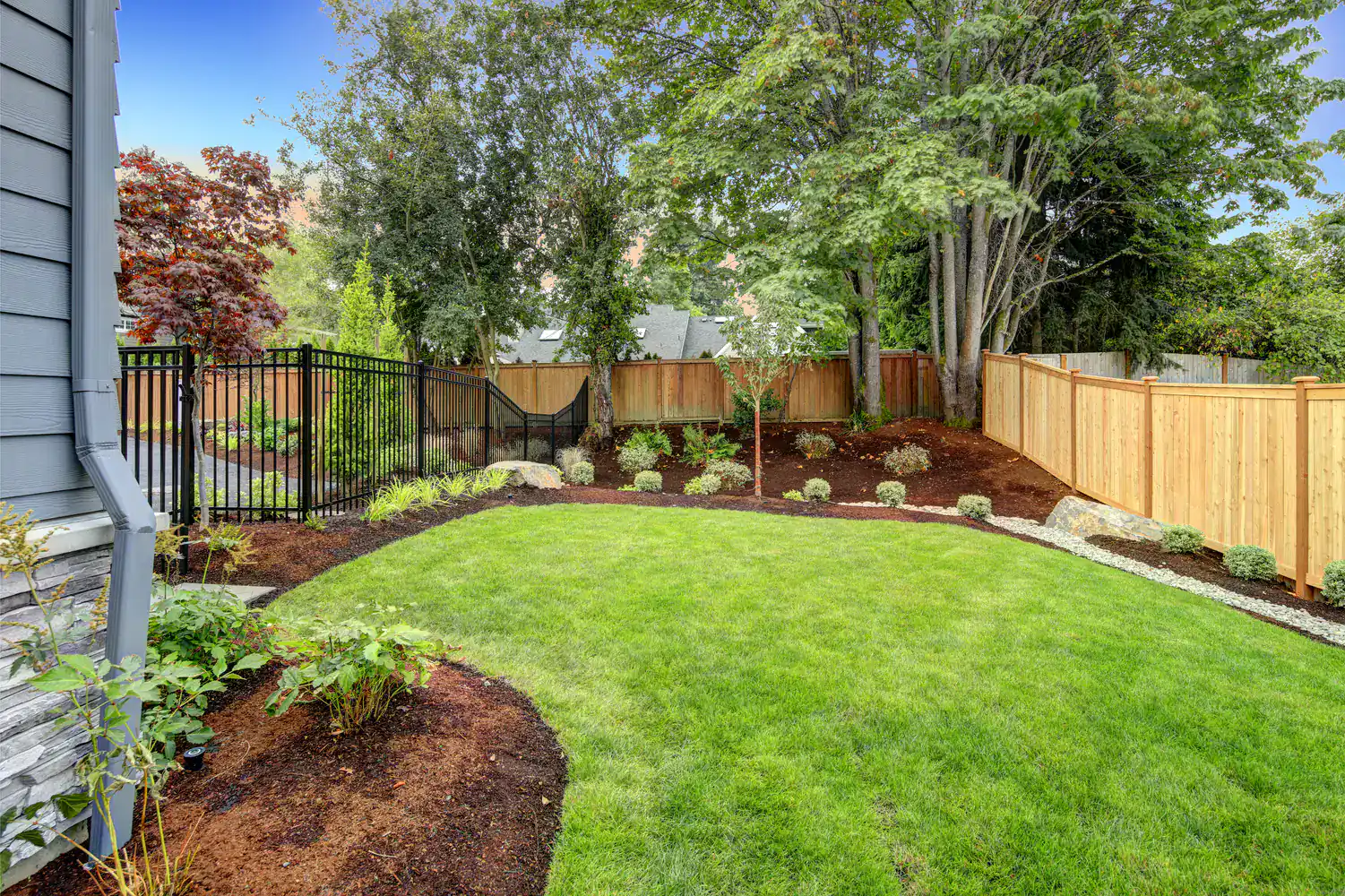
Great River is surrounded by Heckscher State Park, the Connetquot River, and Bayard Cutting Arboretum some of the most naturally beautiful land on the South Shore. A patchy, weed-choked lawn doesn’t just look bad here. It looks wrong. A complete lawn renovation changes that. You get dense, established turf that holds through summer heat, resists the stress that comes with living near the bay, and actually looks like it belongs in this setting.
The sandy, fast-draining soils along the South Shore lose nutrients quickly and dry out fast. Without proper preparation real soil work, not just seed thrown down new grass doesn’t stand a chance past its first summer. We address what’s underneath before anything goes on top. That’s the difference between a lawn that transforms and one that fades back to nothing by August.
Salt air off the Great South Bay is another factor most companies either ignore or don’t understand. Over time, salt builds up in the soil and pulls moisture from grass blades in ways that aren’t obvious until the lawn collapses. If your Great River lawn has been declining without a clear reason, that’s often why. Getting it fixed means addressing the actual cause not just reseeding over a problem that will repeat itself next season.
We’ve been working on Long Island lawns since 1994. That’s not a marketing number it’s three decades of hands-on experience with the exact conditions that make Great River and the South Shore difficult: sandy coastal soils, salt air from the Great South Bay, deer moving in from the Connetquot River State Park Preserve, pine needle drop acidifying yards that back up to park land, and the kind of grub damage that collapses a lawn from the roots before you ever see it coming.
We’re not a national franchise reading from a script. Lawn Master is a Suffolk County company that knows the difference between a lawn in Great River and a lawn in Hauppauge and we treat them accordingly. Our founder holds a degree in Business Administration and has spent over 30 years building a reputation in this county on one thing: results that hold.
It starts with an honest assessment of what you’re dealing with. Before anything gets applied or seeded, we evaluate the existing lawn what’s living, what’s dead, what’s invasive, and what the soil is actually doing. For Great River properties, that often means looking at pH levels affected by pine needle accumulation from park-adjacent lots, checking for salt buildup from bay exposure, and identifying whether nutgrass or bentgrass has taken hold. Those are problems that require specific treatment before renovation seeding begins, and skipping that step is exactly why cheaper fixes don’t last.
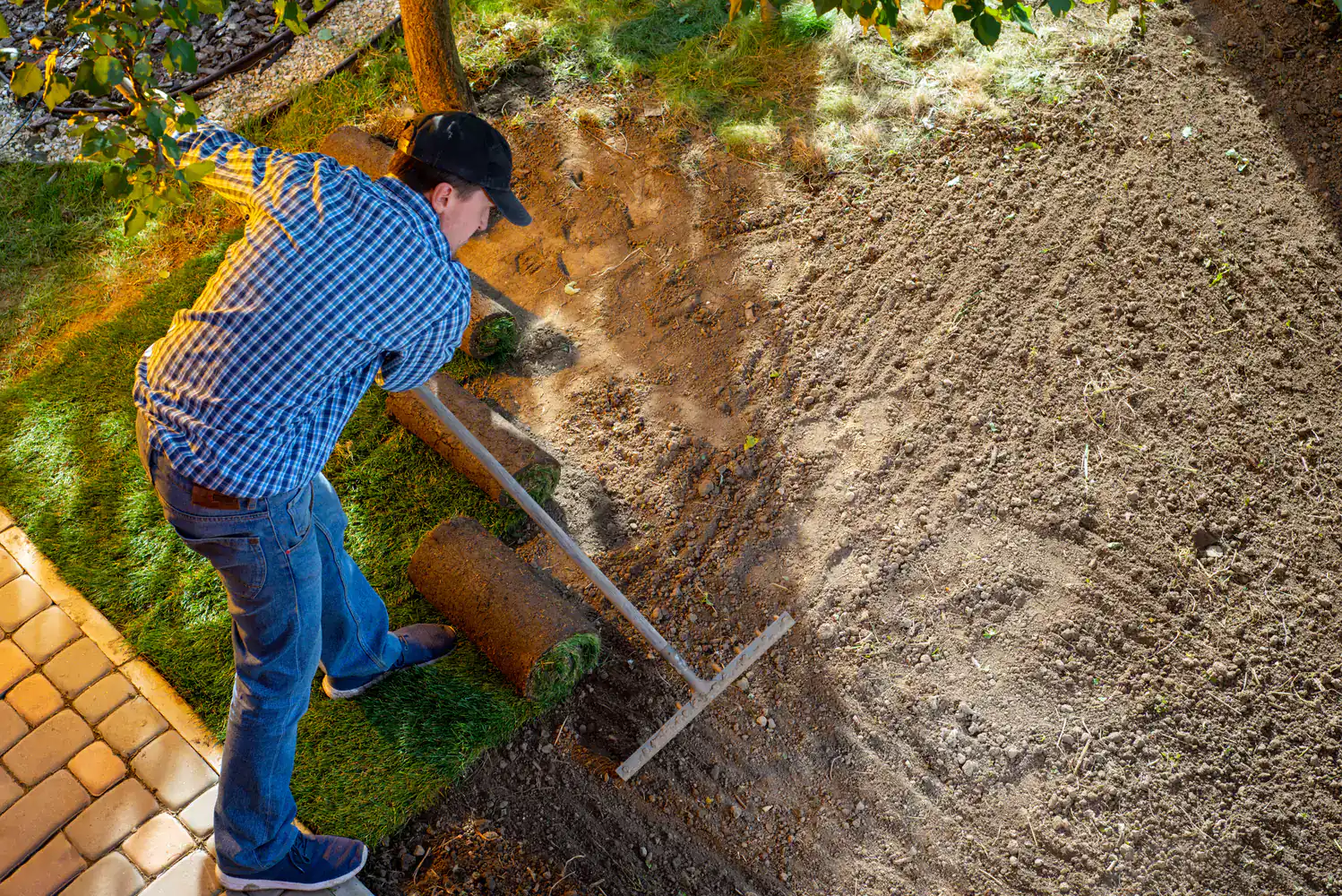
From there, the process moves to soil preparation aeration, amendment, and pH correction where needed. On the sandy South Shore soils common to Great River, this step is non-negotiable. Fast-draining soil that hasn’t been properly prepared won’t hold seed, won’t hold nutrients, and won’t support the root depth that cool-season turf needs to survive a Long Island summer. Once the soil is ready, we apply power seeding not hand-broadcast, not a light overseeding, but a method that places seed at the right depth for actual germination and establishment.
After seeding, the focus shifts to establishment care: the right fertilization timing, appropriate watering guidance, and follow-up treatment to keep the renovation from unraveling. Fall is the primary window for this work on Long Island soil temperatures between 50 and 65°F give cool-season grass the best possible start, and the South Shore’s maritime climate extends that window slightly compared to inland areas. If you’re thinking about this for fall, the time to schedule is well before that window opens.

Ready to get started?
Our renovation work covers the full spectrum from targeted turf renovation on lawns that still have a foundation to work with, all the way to complete new lawn installation for properties where the damage is too far gone for anything less. That range matters. It means there’s no lawn in Great River too neglected, too invaded, or too storm-damaged to rebuild. Core services include core aeration, renovation seeding programs, soil preparation, pH correction with lime applications, nutgrass control, bentgrass control, and new lawn installation from scratch when that’s what the property actually needs.
For Great River homeowners specifically, our renovation program accounts for the conditions that are unique to this area. Suffolk County’s fertilizer law prohibits nitrogen, phosphorus, and potassium applications between December 1 and April 1, and the county’s zero-phosphorus rule for established lawns applies unless a soil test shows otherwise. We operate as a licensed pesticide applicator in New York State which matters when you’re applying herbicides near the Connetquot River, a state-designated Wild, Scenic, and Recreational River that runs directly along Great River’s eastern edge.
We also offer annual lawn programs to protect the investment after renovation is complete. A rebuilt lawn without a follow-up plan is a lawn that slowly reverts. Fertilization, flea and tick programs, and seasonal treatments keep what was built from coming undone which is the whole point of doing it right the first time.
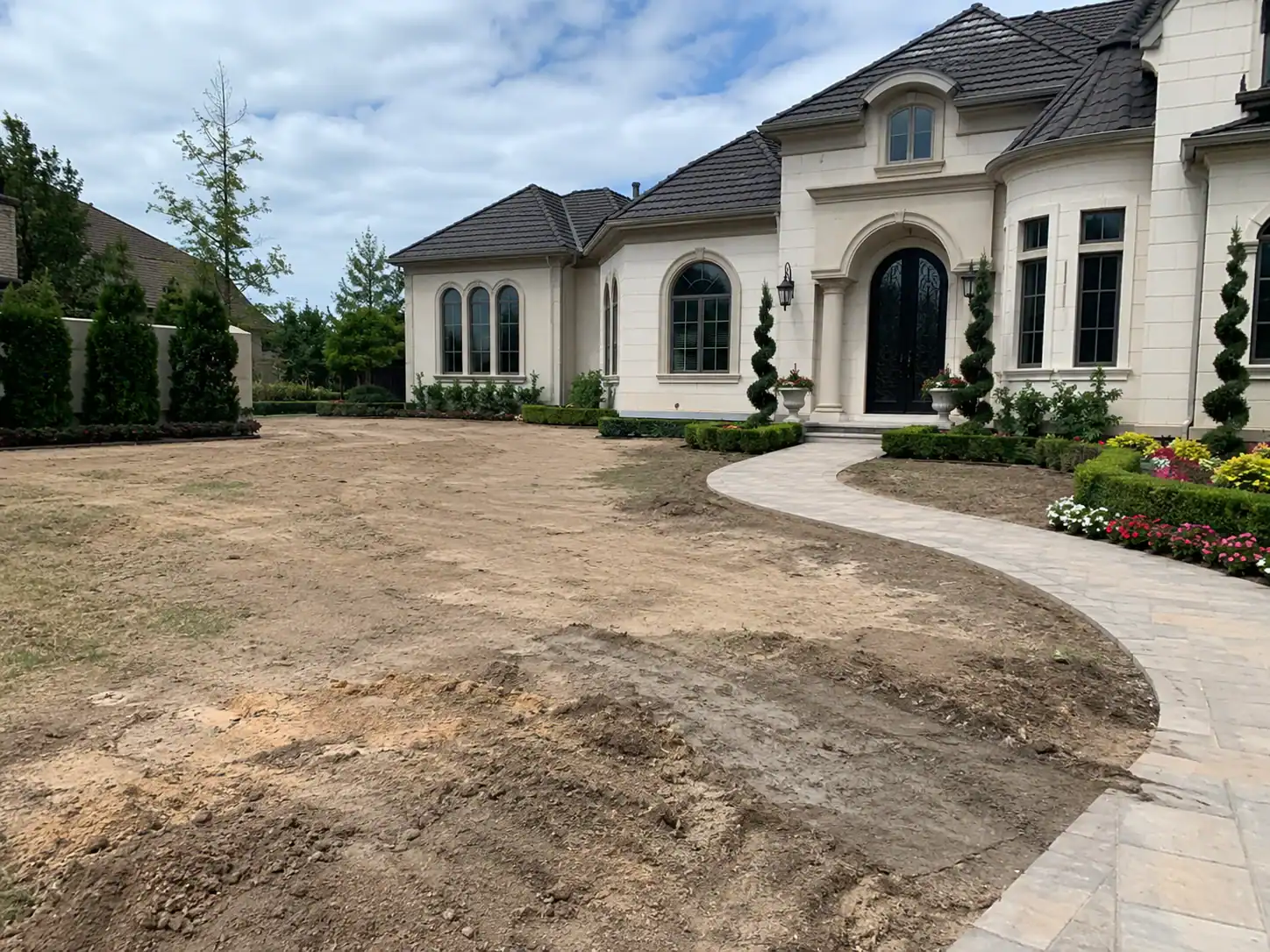
The most common reason is that the underlying problem was never addressed just covered over. On South Shore properties like those in Great River, sandy soil drains so fast that seed placed on unprepared ground either dries out before it can establish or germinates briefly and dies once summer heat arrives. Reseeding without fixing the soil is essentially starting over from the same broken foundation every year.
The other factor that often goes undiagnosed in Great River is salt accumulation from bay exposure. The area sits between the Connetquot River and the Great South Bay, and salt air off the water gradually builds sodium levels in the soil. That degrades turf health in ways that aren’t obvious until the lawn fails and no amount of reseeding fixes it without addressing the soil chemistry first. A proper renovation starts with diagnosing what’s actually wrong before putting anything in the ground.
Overseeding means spreading seed over an existing lawn, usually after aeration. It works well when the lawn has a solid foundation decent soil, reasonable density, no major invasive species. When the lawn has crossed into real decline bare patches covering more than 40-50% of the surface, invasive grasses like nutgrass or bentgrass taking over, or soil that’s too compacted and depleted to support new growth overseeding is a temporary fix at best.
Lawn renovation is a more involved process. It typically means eliminating what’s there, preparing the soil properly, and rebuilding from the ground up with power seeding at the correct depth. For many Great River properties dealing with sandy soil degradation, salt stress, or invasive species that have spread from neighboring park land, renovation is the only approach that actually produces lasting results. The right answer depends on what your lawn is actually dealing with which is why a real assessment matters before any work begins.
Fall is the primary window late August through mid-October on the South Shore. Cool-season grasses like tall fescue and Kentucky bluegrass germinate best when soil temperatures are between 50 and 65°F, and that range aligns with Long Island’s late summer and early fall season. The South Shore’s maritime influence from the Great South Bay moderates temperatures slightly, which can extend the viable seeding window a bit compared to inland Suffolk County locations.
Spring renovation is possible for minor repairs and bare patches, but full renovation in spring on the South Shore is a harder path. Crabgrass and other summer annuals emerge aggressively in the warming sandy soils here, and pre-emergent herbicide the tool you’d use to suppress them can’t be applied at the same time as new seed. Young grass trying to establish in spring is competing against that weed pressure and the heat that arrives quickly on the South Shore. For a full rebuild, fall gives you a significantly better outcome.
There are no permits required for residential lawn renovation work itself, but there are regulatory requirements that any professional applicator working near the Connetquot River corridor needs to follow. Suffolk County Chapter 459 imposes fertilizer restrictions that are particularly relevant here zero-phosphorus fertilizers are required for established lawns unless a soil test demonstrates a deficiency, and there are nitrogen application rate limits designed to protect groundwater and surface water quality. The Connetquot River is a state-designated Wild, Scenic, and Recreational River, and the county’s rules reflect the sensitivity of that waterway.
On the pesticide side, any company applying herbicides commercially in New York State must hold a valid NYSDEC Commercial Pesticide Applicator license. Suffolk County also has notification requirements under Chapter 647 for commercial pesticide applications near residential properties. We operate as a licensed applicator and follow these requirements which matters for Great River homeowners who care about what goes into the ground a short distance from the river.
Lawn renovation in Suffolk County typically runs between $0.75 and $4.00 per square foot, depending on the scope of work whether it’s a targeted renovation or a complete rebuild, whether soil preparation and amendment are needed, and how much invasive species treatment is required before seeding can begin. For a typical Great River property, a complete renovation can run anywhere from $7,500 to $22,500 depending on lawn size and condition.
The more useful way to think about cost is against what you’ve already spent on fixes that didn’t hold. If you’ve reseeded twice, paid for fertilization programs that mostly fed the weeds, and watched the lawn decline again every summer, the money spent on a proper renovation is the cost of stopping that cycle not adding to it. At the property values in Great River, a lawn that holds and looks the part also has a real impact on how the property presents, which matters whether you’re staying or eventually selling.
Yes and this is a scenario that comes up regularly for properties in Great River. Deer from the Connetquot River State Park Preserve and Heckscher State Park move freely into residential yards, and the grazing, rutting, and bedding damage they cause can be severe enough that overseeding won’t cover it. Storm surge and heavy rainfall events near the Great South Bay can saturate soil, kill root systems, deposit bay sediment, and leave behind conditions that won’t support new turf without real intervention.
In both cases, the approach is similar to any other full renovation assess the damage, address the soil, eliminate what isn’t recoverable, and rebuild with proper seedbed preparation and power seeding. The fact that we can install new lawns from scratch means there’s no damage threshold where the answer becomes “there’s nothing we can do.” If the lawn is gone, it can be rebuilt. The key is not waiting too long after the damage occurs, since deteriorating soil conditions and weed colonization make the job harder the longer it sits.
Useful Links
Other Services we provide in Great River