
Hear from Our Customers
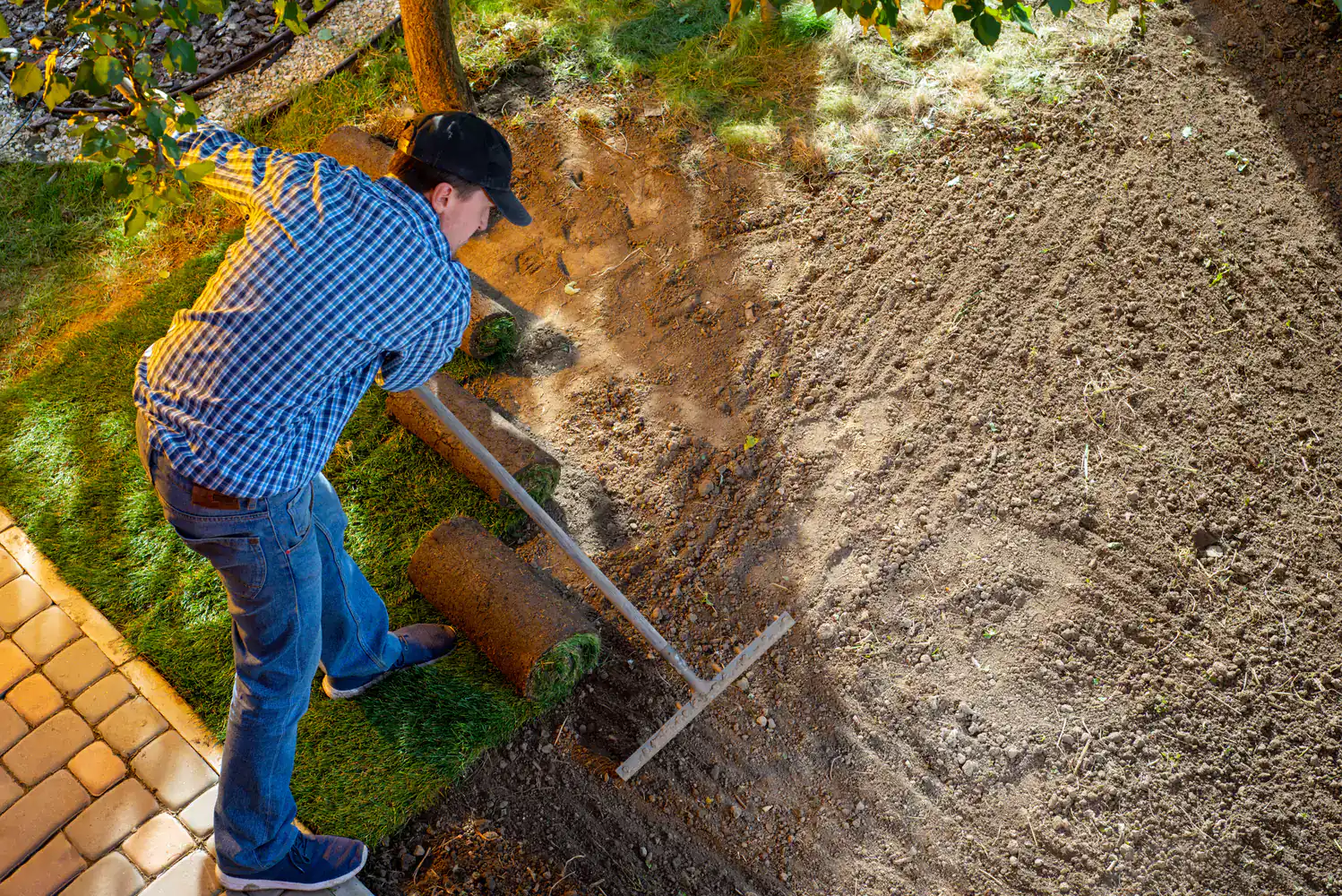
Most lawns in Hauppauge don’t fail because of bad luck. They fail because the soil underneath them has never been properly addressed. Decades of compaction, accumulated thatch, and the sandy loam that drains fast in July and sits waterlogged in spring that’s the real story. Fertilizer and a bag of seed don’t fix that. They just delay the inevitable.
When the soil is right, everything changes. You get thick, even coverage that holds through summer heat instead of thinning out by August. You stop seeing the same bare patches return in the same spots every fall. Your lawn actually looks like it belongs on a property worth what yours is worth not like it’s been patched together season after season.
Hauppauge homes were largely built in the 1960s and 1970s, and most of those lawns have never had a true renovation. Fifty-plus years of mowing, foot traffic, and surface-level fixes have left the root zone compacted and depleted. A proper turf renovation in Hauppauge addresses that history not just what’s visible on top. That’s the difference between a lawn that finally holds and one that looks okay for six weeks before reverting to what it’s always been.
We are operated by Matt Shaker, who has been doing this work in Hauppauge and central Suffolk County since 1994. That’s not a marketing number it means he has personally worked in the same sandy loam soils, dealt with the same grub pressure cycles, and rebuilt lawns in the same communities for over three decades. When you describe your lawn’s problems, he already knows what he’s going to find.
Hauppauge is named for its underground springs “sweet waters” in the original Algonquian. That water table is still here, and it still affects how lawns drain, how roots develop, and why certain areas stay problematic year after year. Knowing that isn’t something you learn from a training manual. It comes from working here, specifically, for a long time.
We’re based in Port Jefferson Station, about fifteen minutes from Hauppauge via Route 347. This isn’t a national franchise dispatching a crew from a call center. We’re a locally based, owner-operated lawn renovation specialist who knows this area and is accountable to it.
It starts with an honest assessment. Before anything is applied or seeded, the soil gets evaluated pH levels, compaction depth, thatch accumulation, drainage behavior, and whether there’s any underlying grub or weed pressure that needs to be addressed first. In Hauppauge, that last part matters more than most people realize. Japanese beetle grubs are a documented, recurring problem across central Suffolk County. If grubs have severed the root system, no amount of overseeding will hold. The damage has to be treated before the rebuild begins.
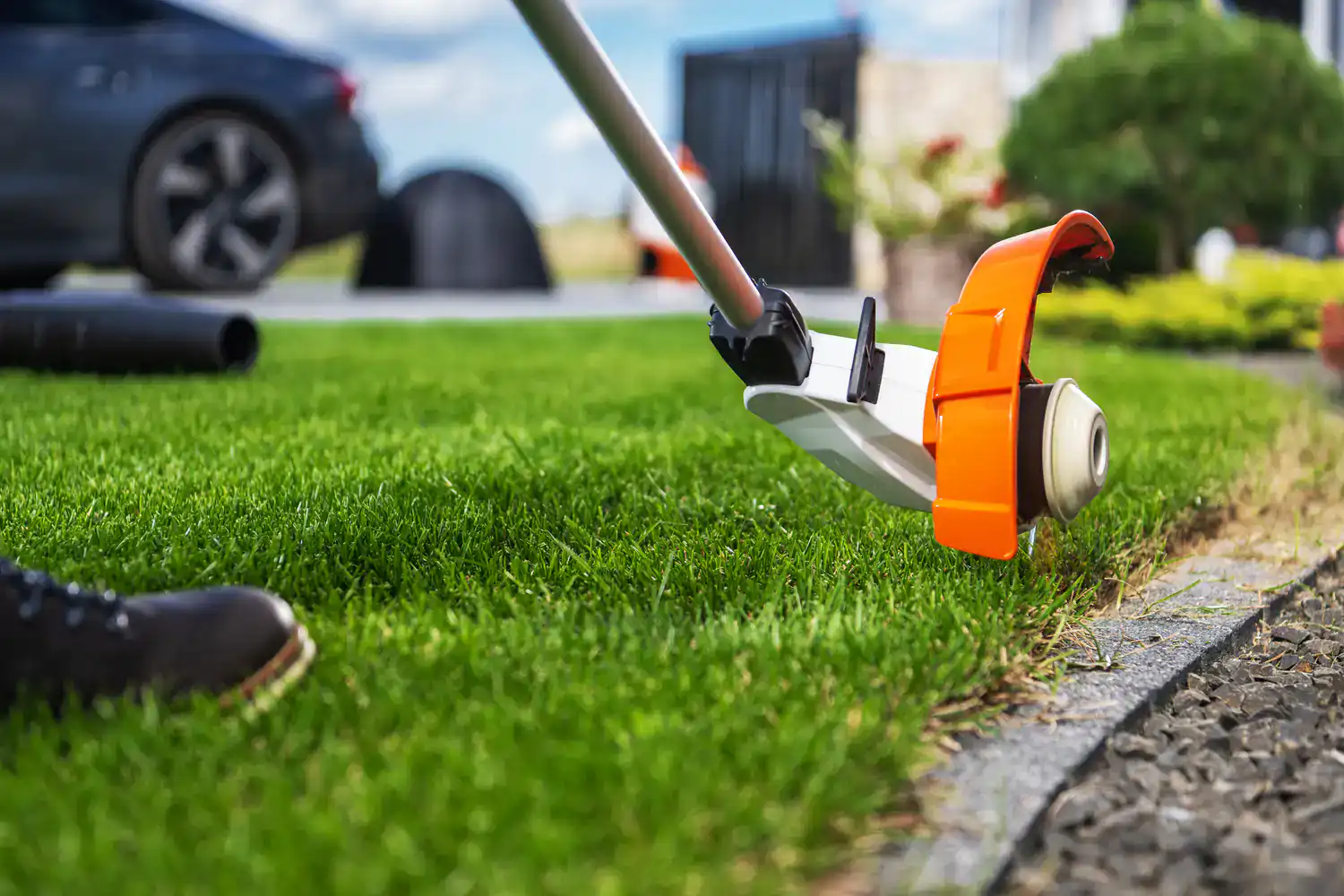
Once the soil is ready, the real work starts. That means aeration to break up compacted ground, dethatching where needed, pH correction if the soil is running acidic, and seeding with the right cool-season grass varieties for Long Island’s climate not whatever was cheapest at a regional warehouse. We use professional-grade power seeding equipment to ensure seed-to-soil contact, which is the single biggest reason DIY overseeding fails.
Fall is the right window for lawn renovation in Hauppauge. Soil temperatures between 50°F and 65°F which arrive naturally on Long Island in September and October give cool-season grasses the best possible start. Weed competition drops, fall rainfall supports germination, and roots have time to establish before winter. Homeowners who book in August or early September get the full window. Those who wait until spring face crabgrass competition, summer heat closing in fast, and another season of watching young seedlings struggle.

Ready to get started?
A complete lawn renovation from Lawn Master isn’t a single service it’s a sequenced process built around what your specific lawn actually needs. Soil preparation comes first, because seeding into unaddressed ground is the reason most renovations don’t hold. From there, the scope depends on what the assessment finds: core aeration, power dethatching, pH amendment, targeted weed or nutsedge control if needed, and renovation seeding using professional-grade equipment that gets seed into the soil not sitting on top of thatch where it won’t germinate.
Nutgrass and bentgrass control are offered as dedicated services, not afterthoughts. These are two of the most persistent turf invaders on Long Island, and they require specific treatment protocols that most lawn companies either can’t provide or don’t offer. If your Hauppauge lawn has been taken over by either species, you already know that standard overseeding doesn’t touch them. Treating them properly is part of what makes a renovation actually stick.
For lawns that are too far gone for renovation, we also install new lawns from bare soil. That capability means no project is too damaged to address. Suffolk County’s fertilizer and pesticide regulations including groundwater buffer zone requirements under Local Law 41-2007 are followed on every job. Given Hauppauge’s high water table and the county’s genuine groundwater sensitivity, working with a licensed NYSDEC applicator isn’t just a credential. It’s the responsible way to do this work.
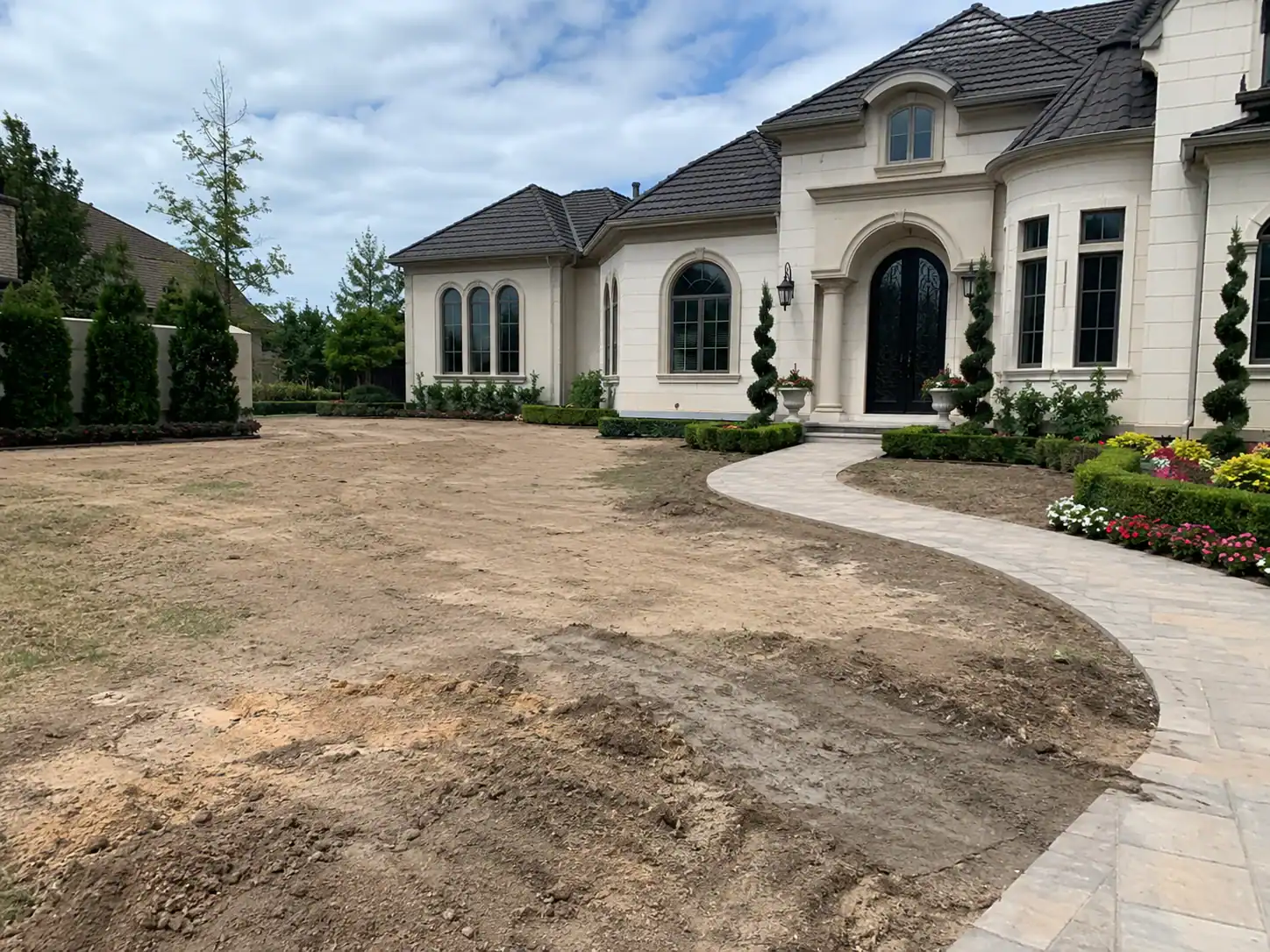
The most common culprits in Hauppauge are compacted soil, shallow root depth, and drainage inconsistency caused by the area’s naturally high water table. Lawns that sit above underground water features can experience waterlogging in wet seasons and rapid drought stress when things dry out sometimes within the same year. Grass that’s never developed a deep root system can’t handle that swing, and it shows up as the same dead or thin patches returning in the same locations every August.
The other factor worth checking is grub activity. Japanese beetle grubs feed on grassroots just below the soil surface from late summer into fall, and the damage often doesn’t become visible until September or October when the lawn lifts up in irregular patches like loose carpet. If that’s what you’re seeing in your Hauppauge property, the root system has already been severed. No overseeding will hold until the grubs are treated and the soil is properly prepared for a rebuild.
Overseeding is spreading seed over an existing lawn. Renovation means addressing what’s actually wrong with the soil before a single seed goes down. That distinction matters because seed dropped onto compacted, thatch-heavy, or pH-imbalanced soil has very little chance of establishing which is why so many Hauppauge homeowners overseed in the fall and end up with the same thin lawn by the following summer.
A complete lawn renovation in Hauppauge involves soil assessment, core aeration to break up compaction, dethatching where the thatch layer is blocking water and nutrient penetration, pH correction if needed, and professional-grade power seeding that gets seed into actual soil contact. It also means selecting the right cool-season grass varieties for Long Island’s climate not generic blends that perform well in the Midwest but struggle through a central Suffolk summer. The process takes longer and costs more than overseeding. It also works, where overseeding alone often doesn’t.
Late August through mid-October is the window. Cool-season grasses which dominate lawns across Hauppauge and central Suffolk County germinate best when soil temperatures are between 50°F and 65°F. That range arrives naturally on Long Island in early fall, after summer heat subsides but well before the first frost. Fall renovation also benefits from reduced crabgrass pressure, since crabgrass germinates in warm soil and is not a factor once temperatures drop.
Spring renovation is possible and is sometimes the right call for repairing winter damage or filling in bare patches, but it comes with real trade-offs. Weed and crabgrass competition picks up quickly in spring, and young seedlings that germinate in April or May are heading straight into summer heat stress before they’ve had time to fully establish. If you want a lawn that looks right by next summer, the fall window is when it needs to happen. Booking in August or early September gives you the full renovation season.
Pricing for a full lawn renovation in Hauppauge generally ranges from roughly $0.75 to $4.00 per square foot depending on the scope of work what the soil needs, whether there’s grub or weed damage to address first, and how much preparation is required before seeding can begin. For a typical Hauppauge property with a 5,000 to 8,000 square foot lawn, that puts most full renovations in the range of $3,750 to $32,000, with the majority of residential projects landing somewhere in the middle of that range based on actual site conditions.
The more useful way to think about it: Hauppauge homes are selling at a median of around $772,000 as of mid-2025. A lawn that clearly hasn’t been maintained affects how buyers perceive a property before they even walk through the door. A properly renovated lawn one that holds through summer and looks established, not patched is a visible return on a relatively modest investment relative to your home’s value. The cost of doing it right once is almost always less than the cost of repeated overseedings that don’t hold.
Yes, but it requires treating those species specifically before renovation seeding begins not alongside it, and not after. Nutgrass (nutsedge) and bentgrass are among the most persistent turf invaders on Long Island, and they don’t respond to standard overseeding programs. Nutsedge spreads through underground tubers that survive even if the visible plant is removed. Bentgrass spreads aggressively and creates a completely different texture and color than surrounding turf, making it immediately visible even after the area is seeded over.
We offer dedicated nutgrass and bentgrass control as part of the renovation process not as an add-on you have to ask about. The treatment protocol, timing, and follow-up seeding sequence are handled as a single coordinated process, not separate jobs stitched together. If you’ve had either species identified in your lawn before and had a company tell you there’s nothing that can be done short of starting over, that’s partially right but starting over, done correctly, is exactly what a full lawn renovation is.
Yes. We hold a valid NYSDEC Commercial Pesticide Applicator certification, which is required by New York State law for any company applying herbicides or pesticides commercially. In Hauppauge specifically, this matters more than it might in other communities. The hamlet sits above a historically high water table it’s literally where the name comes from and Suffolk County has enacted real regulatory protections around groundwater, including pesticide-free buffer zones near public drinking water wells under Local Law 41-2007. Suffolk County also restricts phosphorus in fertilizers and sets blackout periods for nitrogen application to protect the county’s groundwater supply.
Every treatment applied to your Hauppauge property is selected and timed by a licensed professional who understands both the agronomic need and the regulatory environment. That’s not a formality it’s the difference between a company that’s qualified to work in this area and one that’s just showing up with a spray tank. If a lawn care company can’t confirm their NYSDEC applicator license when you ask, that’s a meaningful gap worth taking seriously before you let them treat your property.
Useful Links
Other Services we provide in Hauppauge