
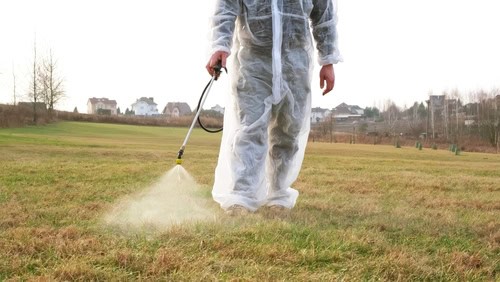
Hear from Our Customers
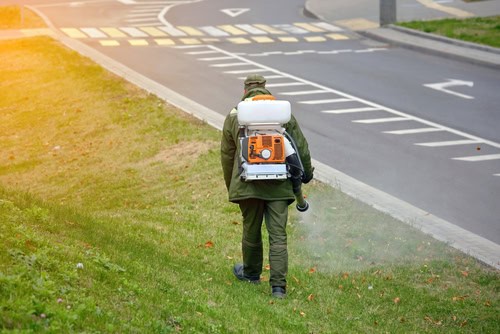
If you’ve reseeded the same patch two or three times and watched it fail again the following summer, you don’t have a reseeding problem. You have an active fungal disease that was never properly identified or treated. New grass can’t establish itself in soil where a pathogen is still present it just dies again, and you’re back to square one every fall.
Kings Park’s geography makes this more common here than in most of Suffolk County. The Long Island Sound to the north, the Nissequogue River estuary to the east, and Sunken Meadow’s tidal wetlands at the edge of town create ambient humidity that stays elevated well into the summer nights. When nighttime temperatures hold above 70°F and the air stays moist from the water, brown patch can spread from a small circle to a large section of lawn in under 72 hours.
The mature tree canopy in Kings Park’s older neighborhoods adds another layer. Streets near the former psychiatric center grounds and along the Fort Salonga border have hardwood trees that reduce airflow, hold morning dew longer, and keep the soil surface cool and damp exactly the conditions where red thread and brown patch thrive. Once the right fungicide reaches the right pathogen at the right time, the cycle breaks. The same spots that kept dying stop dying.
We are a New York State DEC licensed commercial pesticide applicator serving Kings Park and the surrounding North Shore communities. Our license isn’t a marketing credential it’s a legal requirement under New York State law, and most operators spraying lawns in the Kings Park area don’t have one. Earning it means passing core and category-specific exams, meeting verified experience requirements, and renewing every three years with continuing education. It also means we are one of the only lawn care providers in the 11754 area legally permitted to purchase and apply restricted-use fungicide formulations the professional-grade products used on golf courses and sports turf that you simply cannot buy at any store in Kings Park or anywhere else.
We’re based in Port Jefferson Station, operating along the same North Shore Route 25A corridor that Kings Park residents travel every day. This isn’t a national franchise routing calls through a regional hub. We’re a Suffolk County business with direct, firsthand knowledge of the soil conditions, seasonal disease windows, and waterfront humidity patterns that affect lawns in Kings Park specifically.
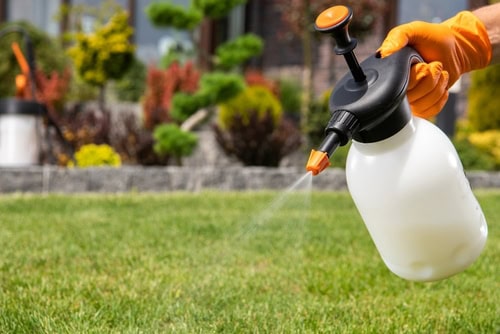
The first thing that happens is an assessment of what’s actually present in your lawn. Brown patch, dollar spot, and red thread are three different diseases caused by three different pathogens, and they respond to different fungicide chemistries. Applying the wrong product or the right product at the wrong time doesn’t work. That’s the core reason DIY treatments and generic spray programs fail repeatedly on Kings Park lawns.
Once we identify the disease, we select the appropriate fungicide and apply it at the correct rate for the conditions. For an active brown patch outbreak during a humid Kings Park summer, that typically means a systemic strobilurin or triazole chemistry that moves through the plant rather than just coating the blade surface. For dollar spot in drought-stressed turf during a dry July stretch, the approach is different. Timing matters too applications aligned with Kings Park’s specific disease windows, not a one-size-fits-all schedule, are what produce lasting results.
We also rotate fungicide chemistries across the treatment season to prevent resistance buildup. Applying the same active ingredient repeatedly to the same lawn allows fungal strains to adapt, and within a few seasons, the product stops working. Rotating between modes of action the way professional turf managers do on golf courses keeps the program effective year after year. Before every application, we notify adjacent property owners as required under New York State law, and we provide written records of every product applied, rate used, and date of service after each visit.
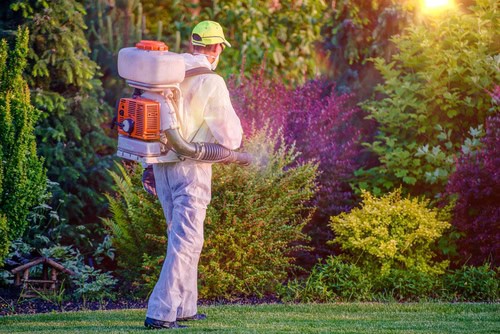
Ready to get started?
The three fungal diseases most common on Kings Park lawns are brown patch, dollar spot, and red thread and each one behaves differently depending on the season, the soil, and the conditions in your specific yard.
Brown patch is the most aggressive of the three in Kings Park’s climate. It’s caused by Rhizoctonia solani and activates when nighttime temperatures stay above 70°F with sustained humidity a combination that Kings Park’s Long Island Sound proximity produces reliably every summer. Neighborhoods closest to the water, including areas near Kings Park Bluff and the streets bordering Nissequogue River State Park, see the highest brown patch pressure in the hamlet. Dollar spot tends to show up during dry summer stretches when turf is nitrogen-deficient and drought-stressed. Kings Park’s sandy loam soils drain quickly, and lawns that go without irrigation during a July dry spell become prime targets. Red thread is a cool-season disease that peaks in May through June and again in September through October both windows when Kings Park’s maritime climate keeps temperatures in the 60–75°F range that Laetisaria fuciformis prefers.
Every service we provide includes a disease assessment before any product is applied, selection of the appropriate fungicide chemistry matched to the specific pathogen present, application at the correct rate and timing, chemistry rotation to prevent resistance, full written documentation of every application, and compliance with New York State’s neighbor notification requirements. Kings Park homeowners near the Nissequogue River and Long Island Sound can also be confident that all our applications are made in full compliance with Suffolk County’s environmental regulations governing pesticide use near waterways.
The most common reason is that the underlying fungal disease most likely brown patch caused by Rhizoctonia solani was never properly treated in the first place. If a previous treatment used the wrong chemistry, the wrong rate, or was applied outside the effective window, the pathogen survives in the thatch layer and reactivates the following season under the same conditions. Reseeding over an untreated infection doesn’t solve it the new grass dies too, and the cycle repeats.
Kings Park’s proximity to the Long Island Sound and the Nissequogue River estuary means your lawn faces elevated humidity for a longer stretch of the summer than lawns in inland Suffolk County communities. When nighttime temperatures hold above 70°F and the air stays moist from the water, brown patch can spread rapidly across a lawn that hasn’t been treated with the right systemic fungicide at the right time. A proper diagnosis followed by a targeted application breaks the cycle and it typically only takes one correctly executed treatment to do it.
They look different, they’re caused by different pathogens, and they require different treatments which is exactly why diagnosing before spraying matters. Brown patch shows up as large, irregular tan or brown circles with a darker outer ring, and it spreads fast in hot, humid conditions. Dollar spot creates small, silver-dollar-sized bleached spots scattered across the lawn and tends to appear during dry summer stretches when nitrogen is low. Red thread is easier to identify you’ll see pinkish-red threads or a cottony pink mass in the grass, usually during cool, moist weather in spring or fall.
On Kings Park’s sandy, coastal soils near the Nissequogue River, all three are common, but the timing and triggers differ. Dollar spot is particularly active in Kings Park during dry July and August periods when the sandy loam drains quickly and turf gets drought-stressed. Red thread is most aggressive in May through June and again in September, when the maritime climate keeps temperatures in the range this pathogen prefers. Applying the wrong fungicide to the wrong disease doesn’t just fail it wastes your money and gives the actual pathogen more time to spread.
You can try, but there’s a real ceiling on what over-the-counter products can do. Consumer fungicides available at hardware stores and garden centers in the Kings Park area contain lower concentrations of active ingredients and are typically contact-based rather than systemic meaning they coat the blade surface but don’t move through the plant to address the infection at the root level. For a mild, early-stage outbreak, they might slow things down. For an established brown patch infection during a humid Long Island summer, they rarely stop it.
The more significant issue is chemistry matching. Without knowing which specific pathogen is present, you’re guessing at the product and the wrong product applied repeatedly can contribute to resistance, making future treatments less effective. We have access to restricted-use professional-grade fungicide formulations that are not available at retail anywhere in New York State. These are the same products used on golf courses and professional sports turf, and the difference in efficacy compared to consumer products is not marginal.
Yes. Under New York State Environmental Conservation Law, any business applying pesticides including fungicides for hire must be registered with the NYSDEC as a pesticide business, and at least one certified commercial applicator must be on staff with a valid NYS DEC commercial pesticide applicator license. That license requires passing both a core exam and category-specific exams, meeting verified experience or education requirements, and renewing every three years with continuing education credits. It is a hard legal requirement, not an optional certification.
In practice, many operators in the Kings Park and broader North Shore area apply pesticides without this license seasonal workers, general landscaping crews, and unlicensed spray services that add lawn treatments to their offerings without meeting the legal standard. Hiring an unlicensed operator creates legal exposure for the homeowner and means the person treating your lawn has not met the verified competency standard New York State requires. We hold a valid NYS DEC commercial pesticide applicator license, and that registration number is verifiable. It’s worth asking any provider you’re considering for theirs.
It increases your disease pressure meaningfully compared to inland Suffolk County communities. The Long Island Sound, the Nissequogue River estuary, and Sunken Meadow’s tidal wetlands collectively raise the ambient humidity around Kings Park’s residential neighborhoods particularly on the northern and eastern sides of the hamlet. During the summer months, that elevated humidity combines with warm overnight temperatures to create the exact conditions brown patch needs to spread quickly. Lawns in areas like Kings Park Bluff and the streets adjacent to Nissequogue River State Park are among the highest-risk properties in the hamlet for summer fungal disease.
The mature tree canopy common in Kings Park’s older neighborhoods compounds this further. Hardwood trees near the former psychiatric center grounds and along the Fort Salonga border reduce airflow, hold morning dew longer, and keep the soil surface cool and moist well into the morning hours extending the daily window in which fungal pathogens are active. If your property is in one of these areas and you’ve had recurring disease, the environmental conditions are working against you. A fungicide program timed specifically to Kings Park’s disease windows not a generic Long Island schedule is what makes the difference.
It depends on whether you’re treating an active infection, preventing one, or both and what disease is involved. For a lawn with a confirmed brown patch outbreak during a Kings Park summer, a curative application followed by one or two preventative applications timed to the remaining high-risk window is a common approach. For lawns with a history of recurring disease, a preventative program that begins before the disease activates timed to soil temperatures and humidity patterns specific to the North Shore is significantly more effective than waiting for symptoms to appear and reacting.
Red thread typically requires attention twice a year in Kings Park: once in late spring as temperatures drop into the 60–75°F range, and again in early fall when the same window reopens. Dollar spot treatment timing depends heavily on summer drought conditions and nitrogen status. The honest answer is that there’s no universal number a lawn on a shaded lot near the Nissequogue River State Park with a history of brown patch needs a different program than an open, sun-exposed lawn on the south side of Route 25A. The assessment at the start of every service is what determines the right frequency, not a preset package count.
Useful Links
Other Services we provide in Kings Park