
Hear from Our Customers
Kyllinga doesn’t respond to the same products used on broadleaf weeds or grassy weeds. It’s a sedge a completely different plant family and the herbicides that actually eliminate it require a state license to purchase and apply. That’s not a technicality. It’s the reason your lawn still has the problem after you’ve already tried to fix it.
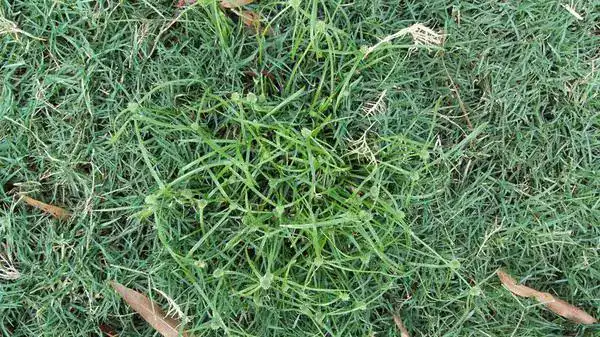
For Kings Park homeowners, the conditions here make this weed particularly stubborn. Properties near the Nissequogue River corridor deal with naturally elevated soil moisture that kyllinga thrives in. Homes in newer communities like Sunken Meadow Hills with automatic irrigation systems are especially vulnerable overwatering is one of the top reasons kyllinga establishes and spreads in the first place. The weed doesn’t care how nice your lawn looked last summer.
Once the infestation is properly treated and cleared, you’re left with turf that’s actually growing again instead of being crowded out. No more dark green mats that stay lush while the rest of your lawn browns in July heat. No more wondering what that weed even is. Just a lawn that looks like it’s supposed to.
We operate out of Port Jefferson Station, about 15 miles east of Kings Park along Route 25A the same road that runs straight through the heart of your town. This isn’t a national chain inserting your ZIP code into a template. We’re a locally based, licensed operation that works in Suffolk County every day and understands the specific weed pressure patterns that come with North Shore terrain in Kings Park and the surrounding communities.
Our applicators hold a NYSDEC Commercial Pesticide Applicator License, Category 3a the credential required to legally purchase and apply professional-grade sedge herbicides like halosulfuron and sulfentrazone. We’re also fully versed in Suffolk County Local Law 41-2007 and the SCDHS pesticide buffer zone requirements that apply throughout the county, including areas near Nissequogue River State Park and Sunken Meadow State Park.
If a previous lawn company treated your Kings Park yard and the kyllinga came back, the most likely explanation isn’t bad luck it’s that they used the wrong product, applied it once, or misidentified the weed entirely. That’s a solvable problem.
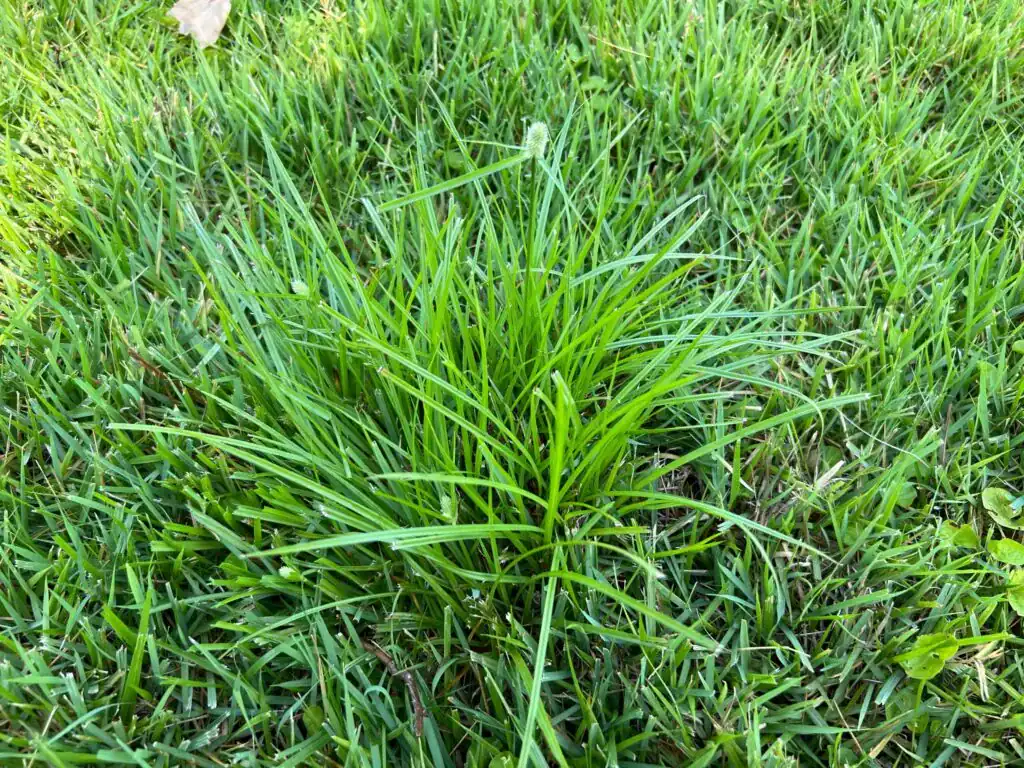
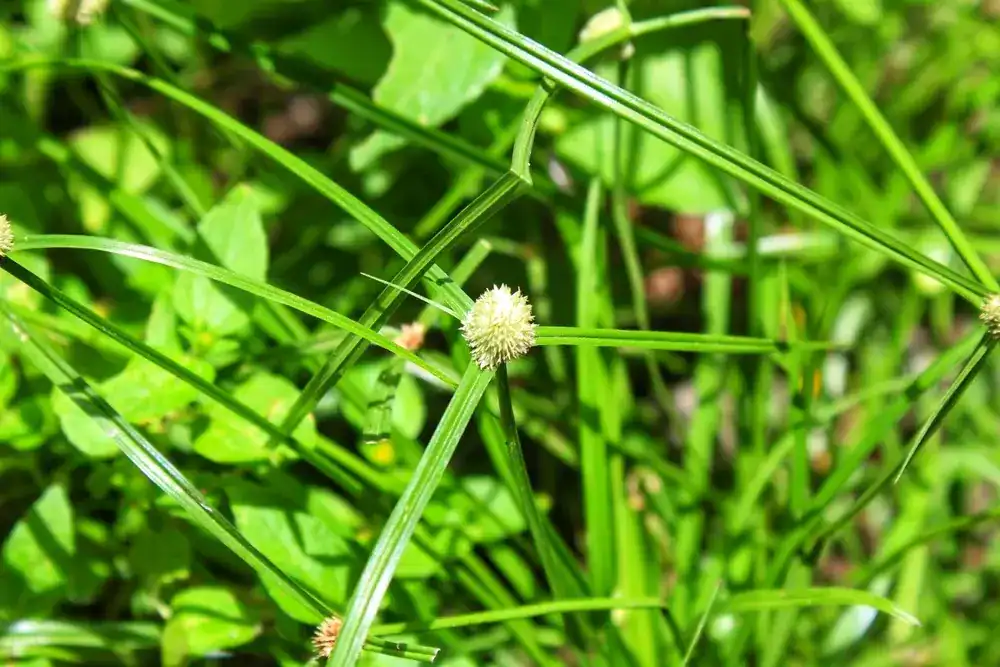
The first thing that happens is identification. Kyllinga, nutsedge, and a few other sedge species look similar enough that misidentification is genuinely common even among lawn care providers. We look at the stem structure, the seed head, and the growth pattern before selecting any chemistry. A triangular stem and a compact round seed head are the tells. Getting that right upfront is the difference between a program that works and one that wastes your time and money.
Once we’ve confirmed what we’re dealing with, we apply a professional-grade selective herbicide either halosulfuron or sulfentrazone depending on your turf type and infestation severity. One application is not enough for established kyllinga. The plant’s rhizome network underground survives a single treatment and pushes new growth back within weeks. A properly structured program requires two to three applications spaced four to six weeks apart, timed within the active growing window of late May through late August. In Kings Park, the coastal influence from Long Island Sound means soil moisture stays elevated longer into the season, so we time applications based on actual plant growth stage not just a fixed date on a calendar.
After the weed is cleared, bare and thin areas need to be overseeded before the next germination cycle. We don’t hand you a dead patch and call it done. Restoration is part of the process.
Ready to get started?
A kyllinga control program from Lawn Master is built around the biology of the weed not a single spray and a handshake. Your program includes a proper identification visit, a minimum of two targeted herbicide applications using professional-grade chemistry that isn’t available at any retail store in Kings Park or anywhere else in Suffolk County, and a follow-up inspection to assess regrowth before the season closes.
For properties near the Nissequogue River corridor or in low-lying areas prone to moisture retention, we also walk through the site conditions driving the infestation. If your irrigation schedule is overwatering a particular zone, or if a low spot near your downspout is holding water after every rain, we’ll flag it. Treating the weed without addressing what’s feeding it is a short-term fix. Kings Park’s soil variability especially in areas built on former institutional land adjacent to what is now Nissequogue River State Park means drainage patterns aren’t always predictable, and that matters when we’re designing your program.
Post-treatment overseeding with a cool-season turf blend appropriate for North Shore conditions is available as part of a full lawn renovation. If your lawn has taken visible damage from a spreading kyllinga infestation, that restoration step isn’t optional it’s what prevents the next wave of weed pressure from filling in the bare areas before your grass does.
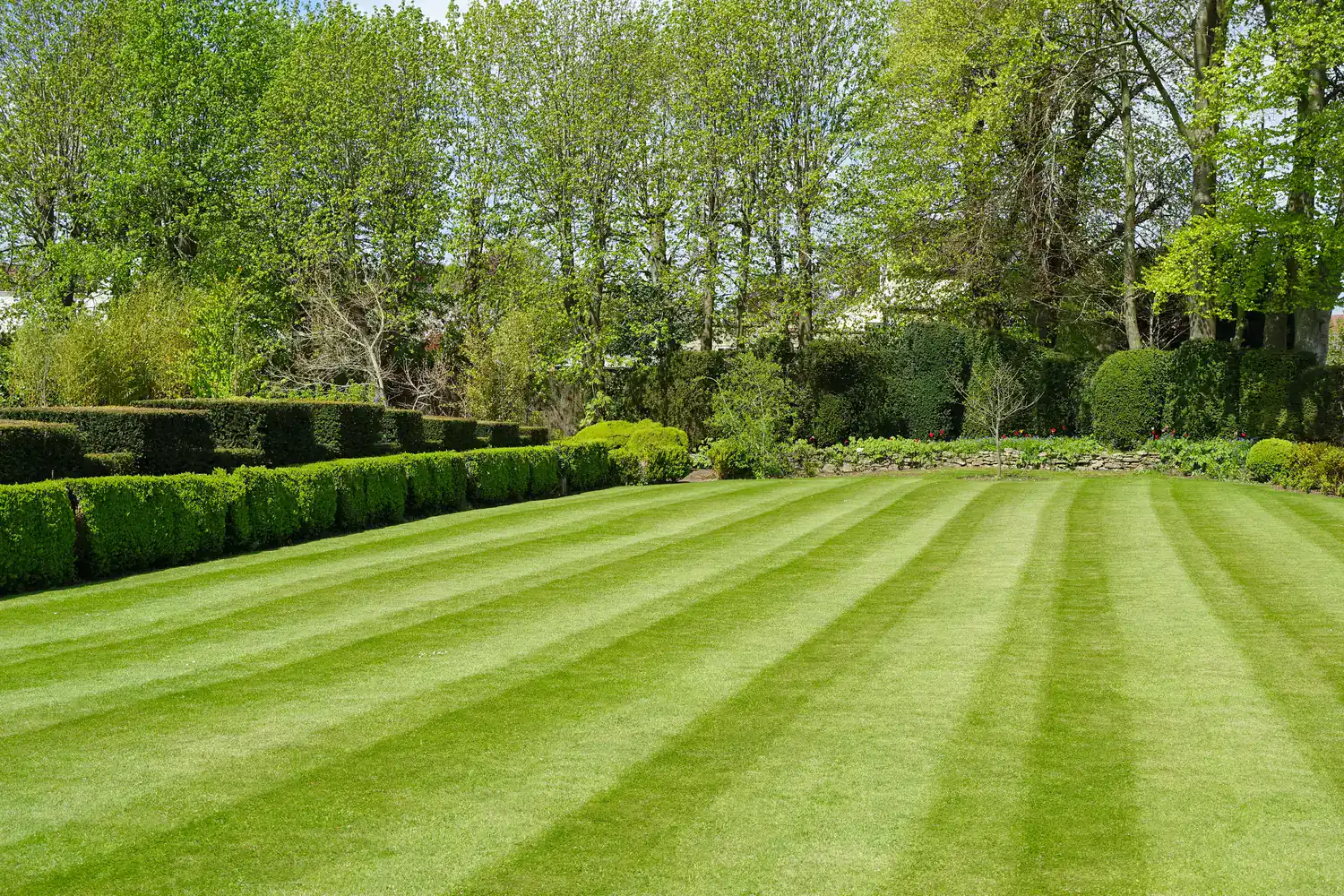
Kyllinga is what’s called a moisture-loving sedge. It doesn’t just tolerate wet soil it actively outcompetes desirable turf in conditions where the ground stays consistently damp. Irrigation systems are one of the most common contributors because most automatic schedules run on a fixed timer regardless of recent rainfall. When a zone is overwatered, particularly in a low spot or near a head that’s slightly misaligned, the soil stays wet long enough for kyllinga to establish and spread through its underground rhizome network before you even notice it above ground.
In Kings Park specifically, this problem is compounded in newer communities like Sunken Meadow Hills where irrigation was installed as a standard feature during construction. Homeowners who haven’t adjusted their run times since move-in are often inadvertently creating ideal kyllinga conditions every season. Fixing the irrigation schedule alone won’t eliminate an existing infestation you still need the right herbicide treatment but it’s a meaningful part of preventing the weed from returning to the same spots after treatment.
They’re related but not the same, and the distinction matters for treatment. Both are sedges meaning they have the characteristic triangular stem but kyllinga and nutsedge have different growth habits, seed head structures, and slightly different responses to herbicide chemistry. Nutsedge produces a more elongated, branched seed head and tends to grow taller and more upright. Kyllinga stays lower to the ground, forms a denser mat, and produces a compact round or globe-shaped seed head. Kyllinga also tends to spread more aggressively through rhizomes in moist turf conditions.
On Long Island, both weeds are present, and misidentification between the two is common enough that it’s worth confirming which one you’re dealing with before starting any treatment. The herbicide options overlap halosulfuron and sulfentrazone work on both but application timing, rates, and program structure can differ depending on the species and how established the infestation is. If a previous provider treated your Kings Park lawn for nutsedge and the problem persisted, there’s a reasonable chance they were actually dealing with kyllinga and didn’t know it.
For a moderate to established infestation, a minimum of two applications is required and three is more realistic if the rhizome network is well developed. This isn’t an upsell. It’s how the plant responds to treatment. The first application kills the visible above-ground growth and begins working on the root system, but kyllinga’s rhizomes are resilient enough that they can push new growth back within three to six weeks. The second application targets that regenerating growth while the plant is still metabolically stressed from the first treatment.
Spacing those applications four to six weeks apart within the active growing window late May through late August in the Kings Park area is critical. Applications made outside that window, before the plant has broken dormancy in spring or after it begins shutting down in fall, are significantly less effective. Suffolk County’s sole-source aquifer and the proximity of state parkland near Kings Park also mean that proper product selection and documented application timing aren’t just best practice they’re a compliance requirement for licensed applicators operating in this county.
The short answer is no not the same product a licensed applicator uses. Halosulfuron-methyl, sold under the trade name Sedgehammer, and sulfentrazone, sold as Dismiss, are available in professional-grade formulations that require a NYSDEC Commercial Pesticide Applicator License, Category 3a, to purchase. What you’ll find at hardware stores or garden centers in the Kings Park area are consumer-grade reformulations at lower concentrations, often with different carrier chemistry. They’re not the same product, and they don’t deliver the same results which is exactly why so many homeowners try a retail sedge killer and watch the weed come back by the following season.
This isn’t a knock on anyone who’s tried the DIY route. It’s a product access issue, not an effort issue. The regulatory framework in New York State deliberately restricts the most effective herbicide formulations to licensed commercial applicators for environmental safety reasons particularly relevant in Suffolk County, which sits over a sole-source aquifer system. If you’ve already spent money on retail products without success, that’s the most likely explanation.
Bare areas left behind after kyllinga treatment are one of the most overlooked parts of the process. Once the weed is eliminated, the turf that was being crowded out doesn’t automatically fill back in on its own especially in a cool-season lawn like the tall fescue and Kentucky bluegrass blends typical in Kings Park. Those bare patches are vulnerable, and if they’re not overseeded promptly, they become prime real estate for the next wave of weed pressure whether that’s kyllinga re-germinating from seeds already in the soil, crabgrass, or other opportunistic weeds.
The right move is to overseed those areas within the appropriate window for cool-season turf establishment, which in the Kings Park area generally means late August through mid-October. That timing allows new grass to establish before the ground hardens in winter without competing with the heat stress of July and August. If your lawn has significant bare coverage from a heavy infestation, a broader renovation plan including soil amendment and adjusted mowing height to improve turf density may be worth discussing before the overseeding step.
It can, but not because treatment doesn’t work it’s because the conditions that allowed kyllinga to establish in the first place often haven’t changed. Kyllinga produces up to 5,000 seeds per plant per year, and those seeds can remain viable in the soil for multiple seasons. Even after a successful treatment program eliminates the existing plants, new germination from the seed bank is possible the following spring, particularly in areas that stay consistently moist.
For Kings Park properties near the Nissequogue River corridor, in low-lying areas, or with irrigation systems running on fixed schedules, the underlying moisture conditions are the real driver of recurring pressure. A properly executed treatment program two to three applications timed correctly within the growing season, followed by overseeding of bare areas dramatically reduces the infestation and makes any future recurrence much more manageable. Some properties in moisture-prone areas benefit from a maintenance application the following season as a precaution, but that’s a different situation than a full-blown annual reinfestation. The goal is to get the population down to a level where your healthy turf can compete, and then keep it there.
Useful Links
Other Services we provide in Kings Park