
Hear from Our Customers
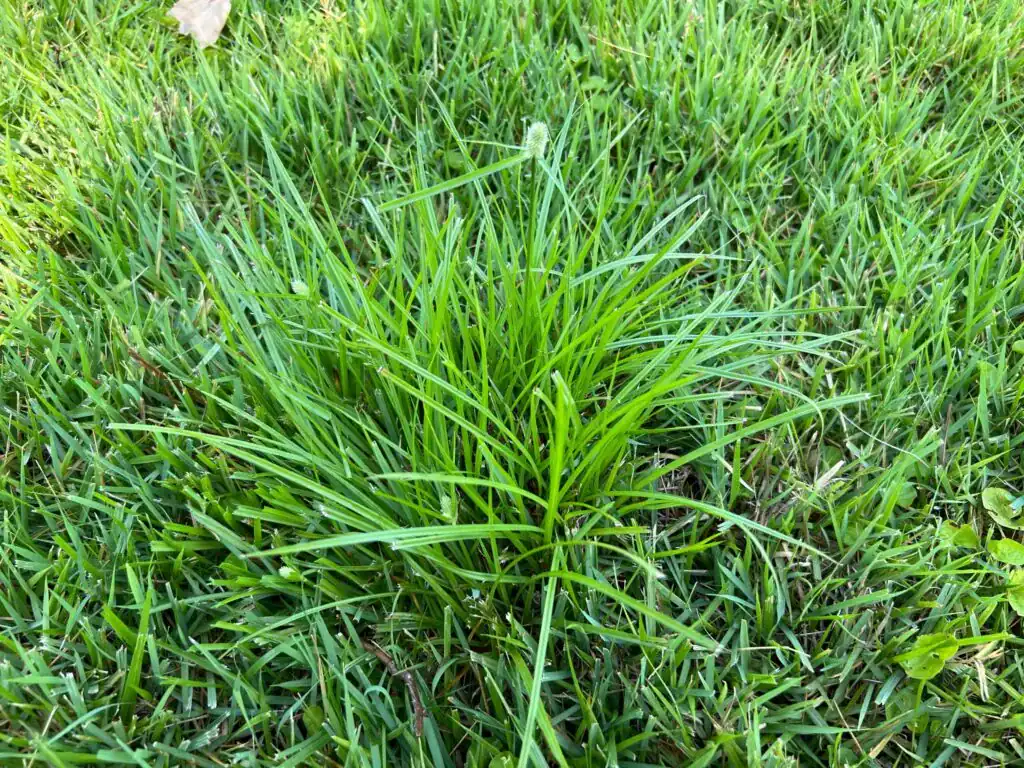
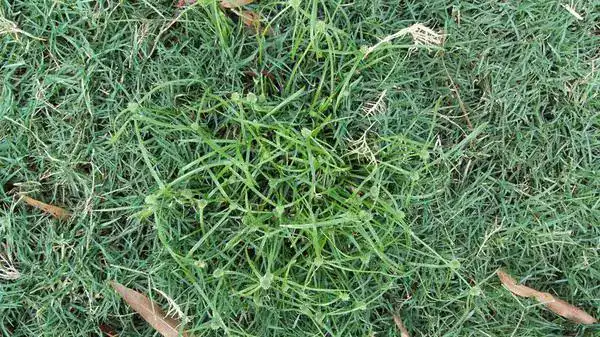
Kyllinga doesn’t just look bad it spreads. One patch in July becomes a mat by September, and by the following summer, it’s colonized the low spots, the irrigated zones, and anywhere your turf was already under stress. Once you understand how aggressively it moves through the root system underground, the urgency of treating it correctly the first time makes a lot more sense.
Smithtown’s North Shore conditions make this weed particularly aggressive here. The sandy-loam soil drains fast, which pushes homeowners to water more often and that extra moisture is exactly what kyllinga is waiting for. Properties near the Nissequogue River corridor, along the lower-lying areas in Kings Park and Nesconset, or anywhere with an irrigation system that runs on a tight schedule tend to see the worst of it. The weed stays dark green and keeps growing while your fescue and bluegrass slow down in the summer heat, which is usually when the contrast becomes impossible to ignore.
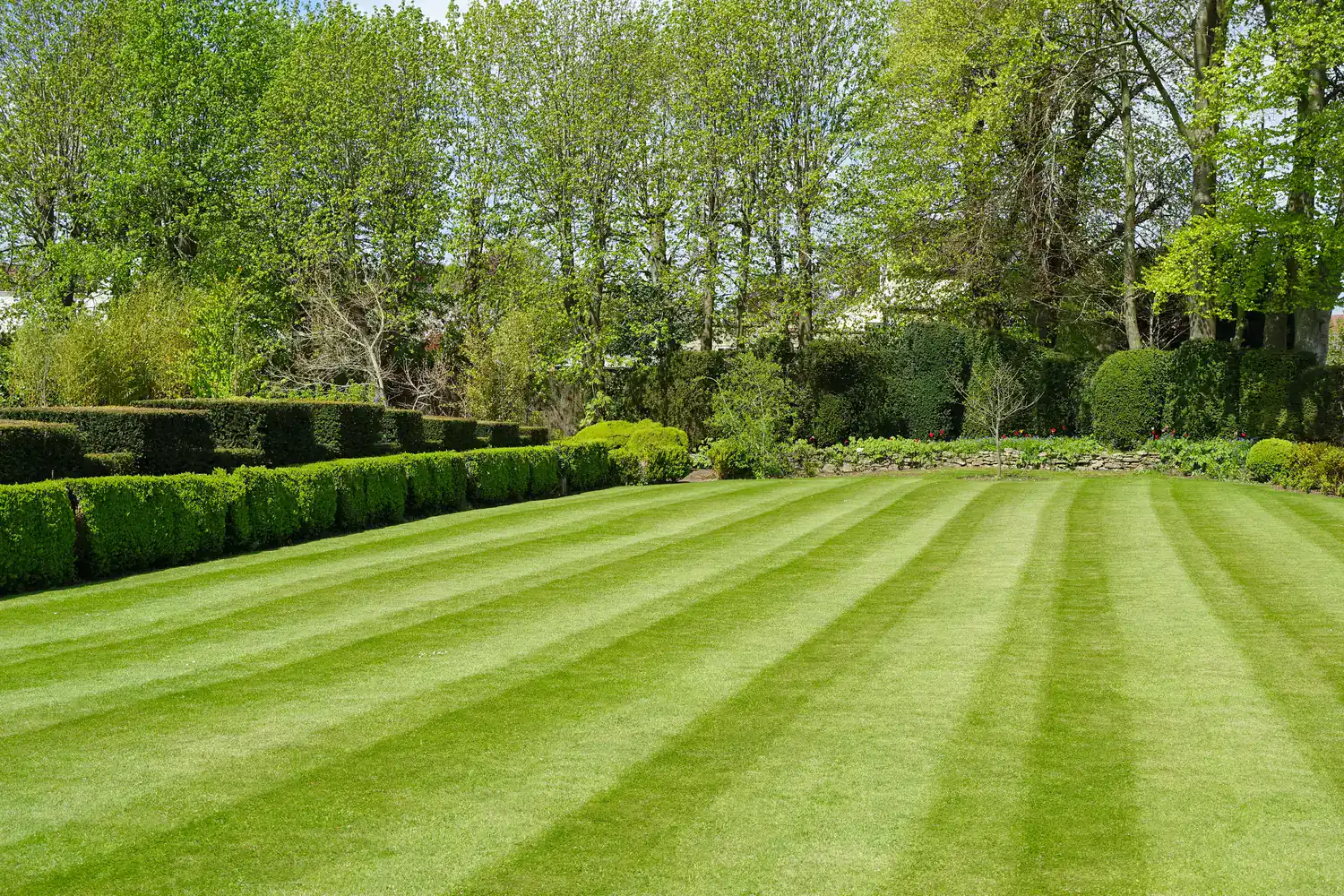
After a properly structured treatment program, that contrast disappears. The kyllinga retreats, the bare spots left behind get addressed, and the turf that fills back in is denser and more resistant to the next round of pressure. That’s what a real outcome looks like not just a dead patch where the weed was, but a lawn that’s actually restored.
We’re based out of Port Jefferson Station and operate exclusively throughout Suffolk County which means Smithtown isn’t a territory we drive into once a season. It’s part of the market we work in every week, on properties ranging from modest quarter-acre lots near Route 347 to larger estates in Head of the Harbor and Nissequogue.
Kyllinga control requires a New York State commercial pesticide applicator license Category 3a, Ornamental and Turf to access and apply the professional-grade herbicides that actually work on sedge. We hold that license. That’s not a formality; it’s the legal and practical reason why the retail products you’ve already tried don’t compare to what a licensed applicator can bring to your lawn.
We’re not a national franchise with a local phone number. When you call us, you’re reaching a locally owned business that’s accountable to the same Smithtown and Suffolk County community we serve. Smithtown’s wooded lots make flea & tick control in Smithtown a smart add-on.
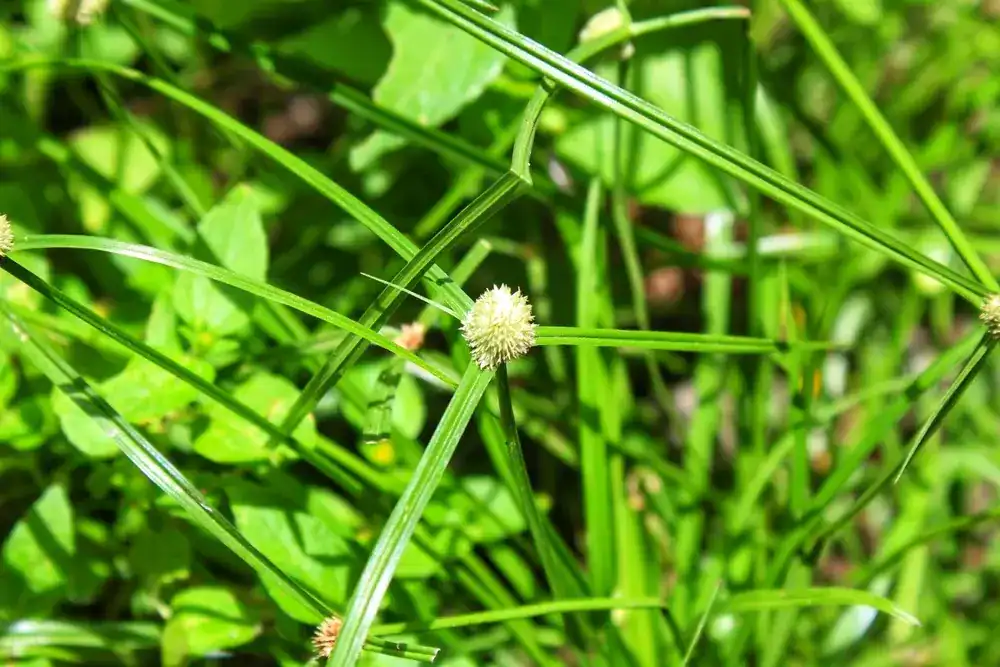
It starts with identification because kyllinga and nutsedge are not the same weed, and treating them identically produces incomplete results. Green kyllinga and false green kyllinga are lower-growing, denser, and mat-forming in a way that yellow nutsedge is not. The three-sided stem and round seed head are the giveaway. Getting the ID right before selecting a herbicide isn’t a technicality it directly affects whether the treatment works.
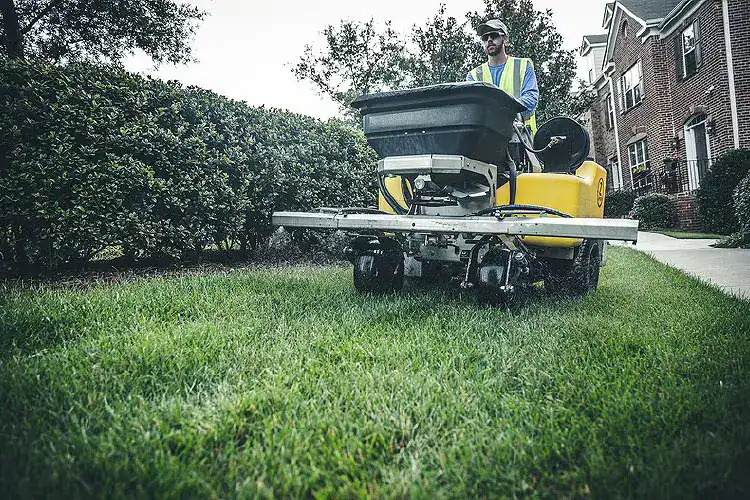
Once the weed is confirmed, our program uses professional-grade herbicides primarily halosulfuron-methyl or sulfentrazone applied during the active growth window. In Smithtown’s climate, that window runs from late May through late August. Applications made outside that window, when the plant has slowed or gone dormant, are significantly less effective. A properly structured program requires a minimum of two to three applications spaced four to six weeks apart. One treatment will knock back the visible growth, but the rhizome network underground survives a single application in any established infestation. The follow-up applications are what actually break the cycle.
For properties near the Nissequogue River or in wetland-adjacent areas of Smithtown, we plan applications in full compliance with SCDHS pesticide buffer zone regulations and NYSDEC label requirements. After the weed is eliminated, bare and thinned areas are addressed with overseeding and soil restoration because the goal isn’t just killing the kyllinga, it’s getting your lawn back.
Ready to get started?
Every kyllinga control program we offer starts with an on-site assessment. Before anything is applied, we map the infestation, confirm the species, and evaluate the surrounding turf conditions including drainage patterns, irrigation zones, and any areas where soil moisture is elevated. In Smithtown, that last part matters more than it does in a lot of other towns. Properties with automated irrigation systems, low-lying areas near the Nissequogue River, or shaded sections under oak canopy are all factors that affect both how the kyllinga established and how the treatment needs to be structured.
The herbicide applications that follow use licensed, professional-grade chemistry the kind that isn’t available at a garden center and isn’t legal to apply without a NYSDEC commercial applicator license. Our program is built around two to three applications timed to the plant’s active growth cycle, with the spacing between treatments set based on how your lawn is responding. There’s no fixed schedule applied uniformly to every property the timing is adjusted based on what’s actually happening in your lawn.
Post-treatment, thinned and bare areas left behind by the retreating kyllinga are overseeded and restored. Our renovation-focused approach means the program doesn’t end at weed elimination. The turf that grows back in those areas is denser and more competitive, which is the best long-term defense against kyllinga re-establishing in the same spots.
Kyllinga is a sedge not a broadleaf weed and not a grassy weed. The herbicides sold at retail garden centers and big-box stores are formulated to target one of those two categories. Sedges belong to an entirely different plant family, Cyperaceae, and the chemistry that actually works on them halosulfuron-methyl and sulfentrazone requires a New York State commercial pesticide applicator license to purchase and apply in professional-grade formulations. That’s not a loophole or a technicality. It’s the reason every product you’ve sprayed from the store shelf has left the kyllinga completely unaffected.
If you’ve gone through multiple rounds of retail treatment and watched the weed come back every time, you haven’t been doing anything wrong. You’ve been using tools that were never designed for this job. The right chemistry, applied during the correct growth window by a licensed applicator, produces results that retail products simply cannot match. That’s the practical difference between a generalist weed control product and a licensed kyllinga herbicide program.
It matters more than most people expect. Both are sedges, and they share enough visual similarities that they’re routinely confused even by lawn care providers who aren’t specifically trained in sedge identification. But green kyllinga and false green kyllinga grow lower and denser than yellow nutsedge, forming a tight mat rather than scattered upright shoots. The seed head on kyllinga is round or oval; nutsedge produces a more branched, spiky head. The growth habit is different, the spread pattern is different, and while both respond to similar herbicide chemistry, the timing and application strategy that produces the best results can differ between species.
In Smithtown, both weeds show up often in the same lawn. Properties near the Nissequogue River corridor and in low-lying areas throughout Kings Park and Nesconset see both regularly. A provider who confirms the species before selecting a treatment protocol is giving your lawn a meaningfully better chance of a clean outcome than one who applies a generic sedge program without looking closely at what’s actually growing.
For an established infestation, two to three applications are the realistic minimum. The first application damages or kills the visible plant tissue above ground, but kyllinga’s rhizome network the underground root system that connects individual plants survives a single treatment in any lawn where the weed has been present for more than one season. The follow-up applications, spaced four to six weeks apart, are what break down that underground network and prevent the plant from regenerating from the roots.
In Smithtown’s climate, the active treatment window runs from late May through late August. Applications made in September or later, after the plant begins to slow for the season, are noticeably less effective because the plant isn’t actively metabolizing the herbicide the way it does during peak growth. Homeowners who discover kyllinga in August should know that a fall spray is better than nothing, but a properly timed program starting the following May will produce significantly better results. The biology of the plant sets the schedule not the calendar.
In many Smithtown lawns, yes it’s a direct contributing factor. Kyllinga thrives in chronically moist soil, and irrigation systems that water frequently, run short cycles, or have zones with uneven distribution create exactly the micro-environment where this weed establishes fastest. A lawn that looks otherwise healthy can develop a kyllinga infestation in a single growing season if there’s an irrigated low spot that stays consistently wet. The weed doesn’t need standing water it just needs the soil to stay moist more often than surrounding areas.
This is particularly common on higher-value properties in areas like Head of the Harbor and Nissequogue, where automated irrigation systems are standard. The fix isn’t necessarily to water less it’s to water smarter. Longer, less frequent cycles that encourage deeper root development in the turf create conditions that favor your grass over kyllinga. Adjusting irrigation habits alongside our licensed herbicide program gives the treatment a better environment to work in and makes it harder for kyllinga to re-establish in the same spots after treatment.
The best window for kyllinga control in Smithtown runs from late May through late August when the plant is actively growing and most metabolically responsive to herbicide uptake. The first application is ideally made in late May or early June, with follow-up treatments spaced four to six weeks later through the summer. This timing aligns with kyllinga’s peak growth phase in Long Island’s North Shore climate, when soil temperatures are warm enough to keep the plant actively pushing growth above and below ground.
The most common scenario is a homeowner noticing the problem in July or August, when kyllinga’s dark green color stands out sharply against heat-stressed fescue and bluegrass. Starting treatment at that point is still worthwhile, but the window for a full-season program is compressed. In that case, one or two applications before the plant slows in September will reduce the infestation, with a more complete program planned for the following spring. Early detection and a properly timed multi-application program consistently produce better outcomes than a single late-season spray.
Kyllinga can return after treatment if the conditions that allowed it to establish in the first place aren’t addressed alongside the herbicide program. The weed produces up to 5,000 seeds per year, and its rhizome network can survive incomplete treatment and regenerate the following season. A program that only addresses the visible plant without follow-up applications to break down the underground root system will often see regrowth within the same growing season.
The most effective long-term defense is a combination of complete treatment and turf restoration. After kyllinga is eliminated, the thin or bare areas it leaves behind are re-entry points for the same weed or others if they’re not overseeded and filled in with dense, competitive turf. In Smithtown’s sandy-loam soil, where nutrients leach quickly and turf can thin fast under summer heat and oak shade, that restoration step isn’t optional. It’s what separates a lawn that stays clean from one that sees kyllinga return to the same spots year after year. Our programs are built to include both the elimination and the recovery.
Useful Links
Other Services we provide in Smithtown