
Hear from Our Customers
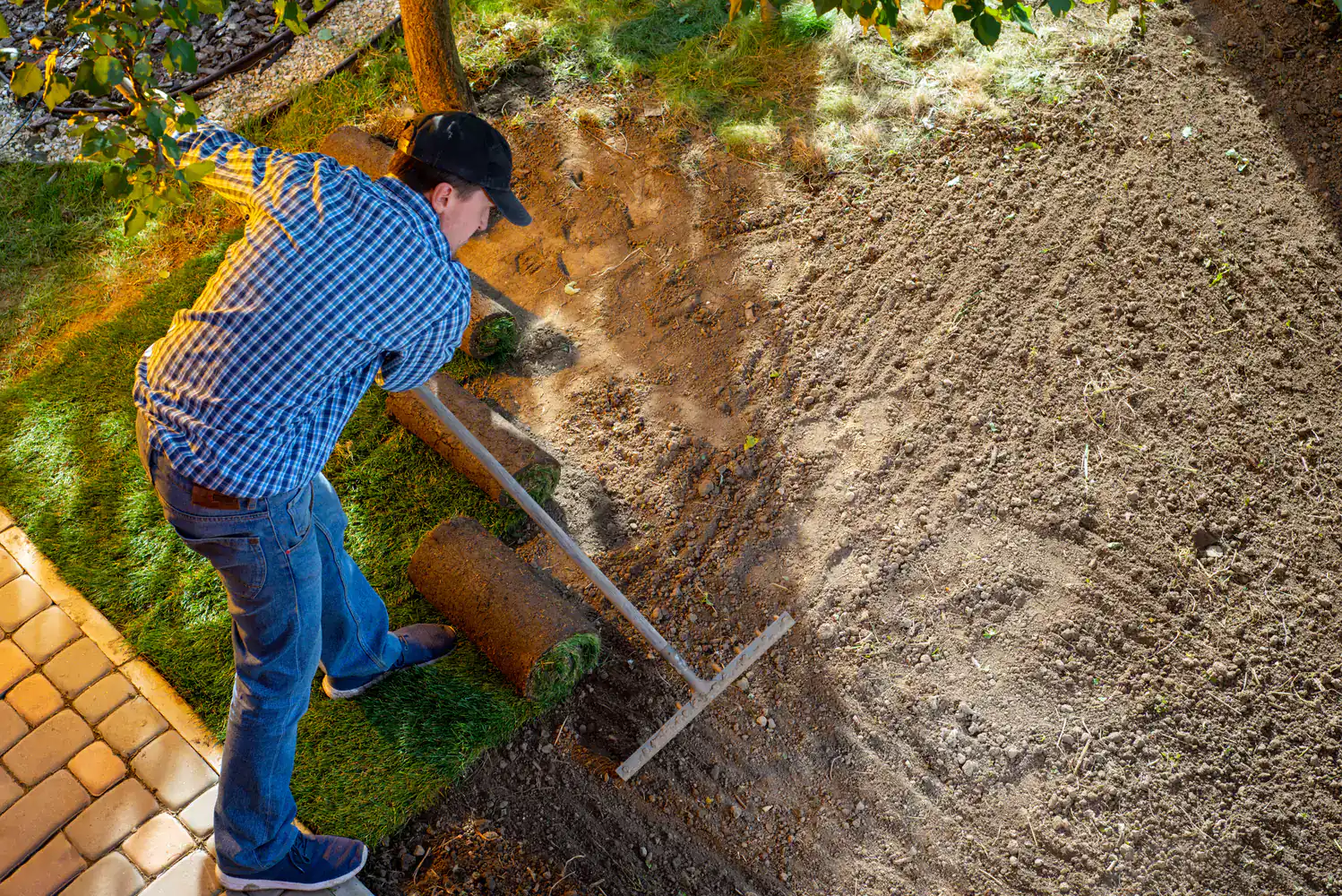
When a new lawn installation is done right, you stop thinking about it. No bare patches showing up six weeks after seeding. No drainage issues pooling near the foundation. No second round of calls to fix what should have been done correctly the first time. The lawn just grows evenly, consistently, and in a way that holds up through Long Island’s full range of seasons.
For Smithtown properties specifically, that matters more than it might somewhere else. The soils here sit on glacial moraine sandy loam that drains fast and runs nutrient-poor. Without proper soil preparation before a single seed goes down, you’re setting yourself up for a lawn that struggles from the start. Add the salt air influence from Long Island Sound and the Nissequogue River corridor, and variety selection becomes just as important as the installation itself. Tall fescue and fine fescue blends are what perform here not whatever’s cheapest at the supply house.
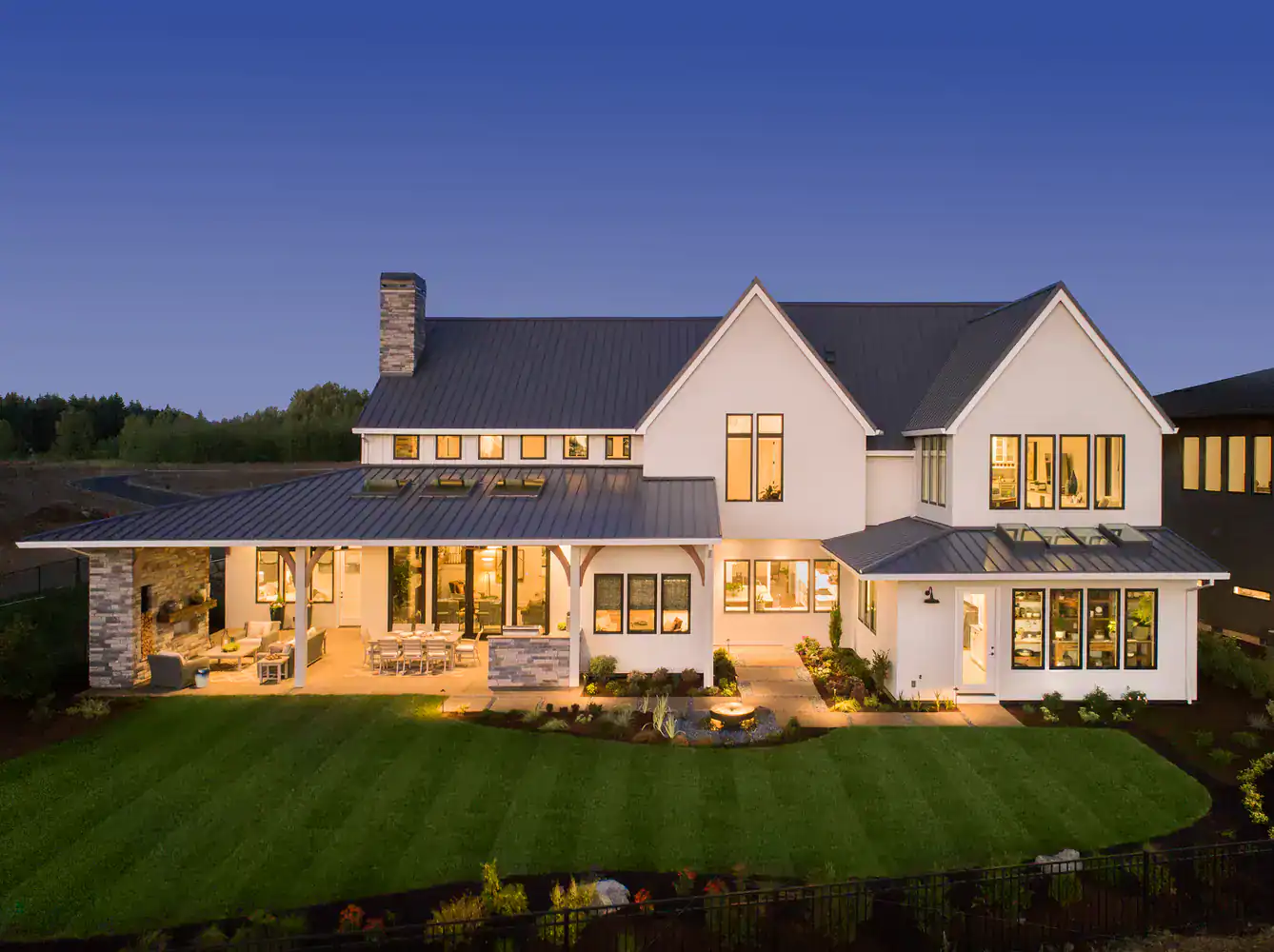
The result of getting this right is straightforward: a finished property that looks the way an $800,000 home should look. Especially if you’re coming off a new build, a pool installation, or a major renovation the lawn is the last thing the eye lands on. Make it count.
We’ve been installing lawns on Long Island’s North Shore since the mid-1980s. That’s not a number thrown into a headline it’s 38 years of working in the same sandy loam, the same coastal climate, and the same post-construction conditions that Smithtown properties deal with. No franchise. No call center. A specialist who has done this specific job, in this specific environment, hundreds of times.
Based out of Port Jefferson Station right on Route 347, the same road that runs directly into Smithtown we’re not a distant company routing jobs from across the county. When you call, you’re talking to someone who knows what the soils near the Nissequogue River do in a wet spring, and why North Shore seeding windows run later than the South Shore. We understand Smithtown’s specific drainage challenges, the salt air patterns that affect grass selection, and the timing that actually works for properties in your area. That kind of local knowledge isn’t something you can fake, and it’s what separates a lawn that thrives from one that has to be redone.
Every new lawn installation starts with the ground itself not the seed. Before anything else, we assess the site for compaction, drainage, and existing soil quality. On new construction sites in Smithtown, this step is critical. Heavy equipment strips and compacts the subsoil during the build. Buried construction debris and displaced topsoil are common. If you skip the assessment and go straight to seeding, you’re planting into a problem.
Once we’ve properly evaluated the site, we address grading where needed, and bring in quality topsoil to the correct depth. For Smithtown’s sandy loam base, this isn’t optional it’s the foundation the lawn lives on for the next 20 years. Seed selection follows, matched to your property’s specific exposure, drainage pattern, and the salt air conditions that affect North Shore properties differently than inland towns. Tall fescue blends dominate here for a reason: they handle the heat, the cold, and the coastal conditions without breaking down.
Timing is the last piece most people underestimate. On Smithtown’s North Shore, cool-season soils warm 7 to 14 days later than the South Shore in spring which is exactly why late August through October is the optimal installation window. We schedule around that window deliberately. After the seed is down, you’ll get clear establishment guidance: watering schedule, first mow timing, and what to expect through the first winter. The job doesn’t end at installation.
Ready to get started?
New lawn installation in Smithtown isn’t one-size-fits-all and we don’t treat it that way. Whether you’re working with a bare lot in a new development like Sycamore Estates off Route 347, a post-renovation backyard where the existing lawn was torn out completely, or a larger estate property along the Nissequogue River corridor, we build the scope of work around what’s actually in front of us.
The process typically includes site assessment and grading evaluation, topsoil preparation to the correct depth for Long Island’s sandy loam base, seed selection matched to your property’s specific conditions, and full installation with establishment guidance built in. For properties where coverage speed matters or where the terrain makes hand seeding less practical we offer seeding as an alternative that delivers strong germination rates at a significantly lower cost than sod. Sod is also an option where an immediate finish is the priority, though the root establishment timeline is the same regardless of method.
It’s also worth knowing that New York State law restricts high-phosphorus fertilizer on established lawns but permits its use on new installations where soil tests confirm the need. We follow that protocol. The Town of Smithtown publishes its own responsible lawn care guidance to protect the Nissequogue River and the town’s recharge basin network, and every installation we perform here is carried out with that environmental context in mind. You’re not getting a crew that ignores what’s downstream.
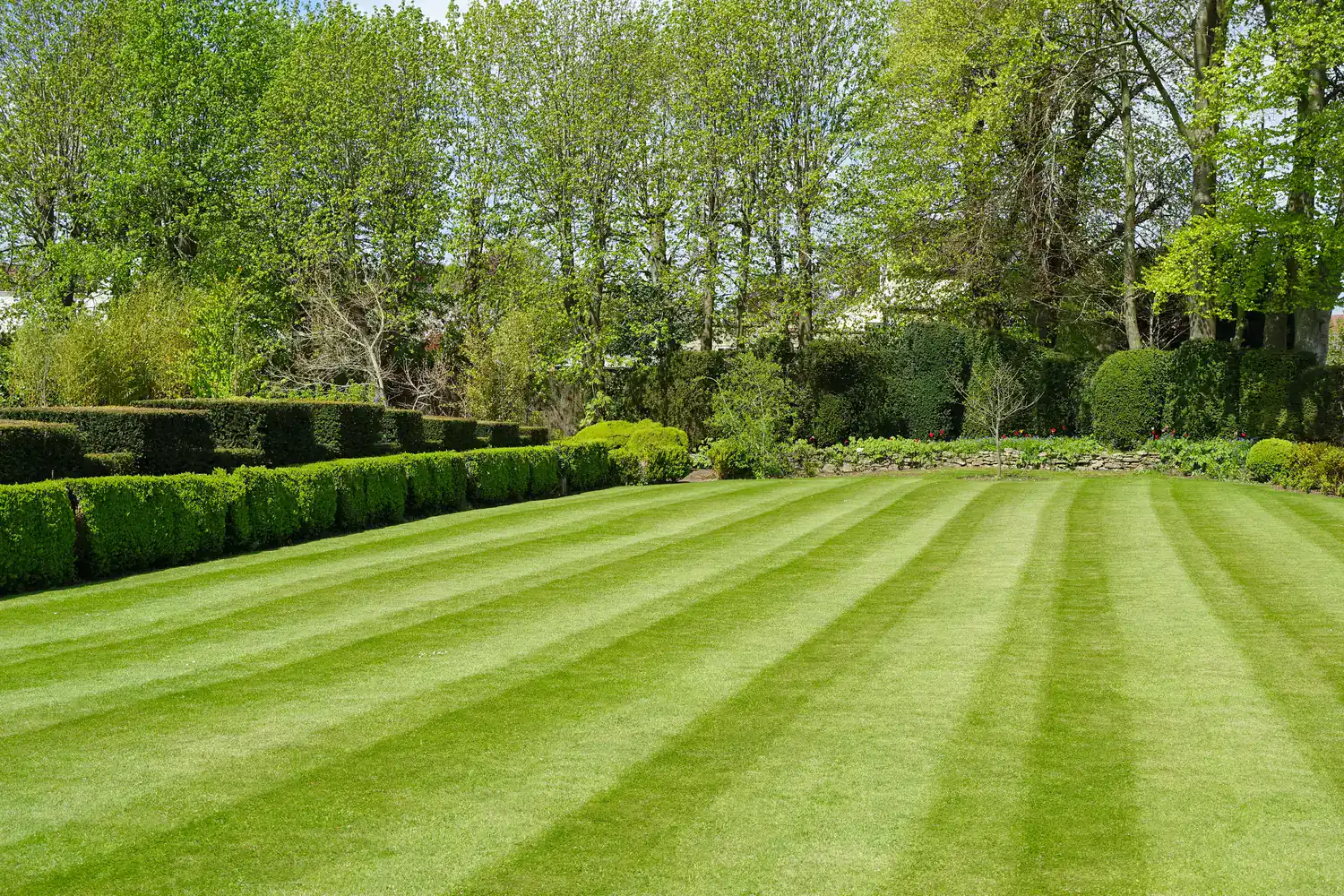
For Smithtown and the surrounding North Shore communities, late August through October is the optimal window for new lawn installation. Cool-season grasses which are the standard for Long Island establish best when soil temperatures are between 50°F and 65°F. That range lines up with early fall here, which gives newly seeded lawns enough time to develop strong root systems before the ground goes dormant in November.
Spring installation is possible, but it comes with real trade-offs on the North Shore. Smithtown’s glacial moraine soils warm 7 to 14 days later than the South Shore’s deep sand, which shortens the usable spring window considerably. You’re also competing with weed germination in spring, and a newly seeded lawn heading into its first July and August on Smithtown’s fast-draining sandy loam is under drought stress before it’s had time to fully establish. Fall just gives the grass a better start cooler temperatures, more consistent moisture, and less competition.
The cost of a new lawn installation in Suffolk County depends on the method, the size of the area, and what the site actually needs before seed goes down. As a general range, seed-based installation runs roughly $1 to $2 per square foot for materials and labor. seeding typically comes in between $0.50 and $1.00 per square foot. Sod installation runs higher usually $1 to $3 per square foot installed and is the most expensive option upfront, though many homeowners choose it when they need an immediate finished appearance.
For a typical Smithtown property with 5,000 to 8,000 square feet of lawn area, a full new installation including grading, topsoil, and seeding generally falls somewhere between $3,000 and $15,000 depending on scope and site conditions. Properties that need significant grading work, heavy topsoil additions, or drainage correction will be on the higher end of that range. The most important thing to understand is that skipping soil preparation to save money upfront almost always leads to a failed installation which costs more to redo than doing it right the first time.
Both work but they serve different goals, and the right answer depends on your timeline and budget. Sod gives you an instant finished look, which is appealing if you’re moving into a new home or finishing a renovation and want the property to look complete right away. The trade-off is cost: sod typically runs three to five times more than a seed-based installation, and the root system still takes four to six weeks to fully knit into the soil regardless of how it looks on the surface.
Seed-based installation and seeding are more cost-effective for larger properties, and when timed correctly late August through October for Smithtown’s North Shore they produce lawns that establish just as well as sod over a full growing season. seeding in particular performs well on Smithtown’s sandy loam soils because the hydroseed slurry helps retain moisture during germination, which matters on a soil type that drains quickly. For most Smithtown homeowners who aren’t under a hard deadline, a properly executed seed or seeding installation delivers excellent results at a significantly lower cost.
New construction is one of the most damaging things a property can go through from a soil standpoint. Heavy equipment excavators, concrete trucks, delivery vehicles compacts the subsoil to a degree that makes healthy root development nearly impossible without intervention. On top of that, the topsoil that was originally on the site is often stripped and hauled away during the build, leaving behind compacted subsoil, fill material, and sometimes buried construction debris.
In Smithtown, where the natural soil is already sandy loam with limited nutrient content, building on top of a damaged post-construction profile without addressing it first is a recipe for a lawn that patches, drains poorly, and never fully fills in. Active new developments like Sycamore Estates in the 11787 ZIP code are exactly the kind of sites where this matters most. The fix isn’t complicated it requires proper grading, compaction remediation where needed, and bringing in quality topsoil to the correct depth before any seed or sod goes down. Skipping those steps to save time is the single most common reason new lawn installations fail.
For Smithtown and the broader North Shore, cool-season grass blends are the standard specifically tall fescue and fine fescue mixes. These varieties are the best performers in Smithtown’s specific conditions for several reasons. They handle the temperature swings between Long Island’s cold winters and hot, dry summers. They’re drought-tolerant enough to survive on sandy loam that drains quickly. And they hold up under the salt air influence that comes with being close to Long Island Sound and the Nissequogue River estuary a factor that affects grass health differently here than it does in inland Suffolk County towns.
Kentucky bluegrass is sometimes used on Long Island, but it requires more water and more consistent soil conditions than Smithtown’s fast-draining soils reliably provide. Perennial ryegrass blends well into mixes for quick germination and wear tolerance but shouldn’t be the dominant species. A well-blended tall fescue mix selected for the specific sun exposure, drainage pattern, and salt exposure of your property is consistently what performs best on the North Shore over the long term.
The first summer after a new lawn installation is the most vulnerable period especially in Smithtown, where sandy loam soils drain fast and July heat can stress a lawn that hasn’t had a full season to develop deep roots. The most important thing you can do is water deeply and consistently during the establishment period. Shallow, frequent watering encourages shallow roots. Deep, less frequent watering enough to reach 4 to 6 inches into the soil trains the root system to grow downward, which is what makes the lawn drought-resilient by midsummer.
For fall installations, which are the recommended timing for Smithtown properties, the lawn goes into its first winter with a solid root system already in place. That means by the time the following July arrives, you’re working with an established lawn rather than a fragile new one. Mowing height matters too keeping the first cuts at 3 to 3.5 inches reduces heat stress significantly. We provide specific establishment guidance with every installation, including watering schedules and first-year care instructions calibrated to Smithtown’s soil type and seasonal conditions. You won’t be left guessing.
Useful Links
Other Services we provide in Smithtown