
Hear from Our Customers
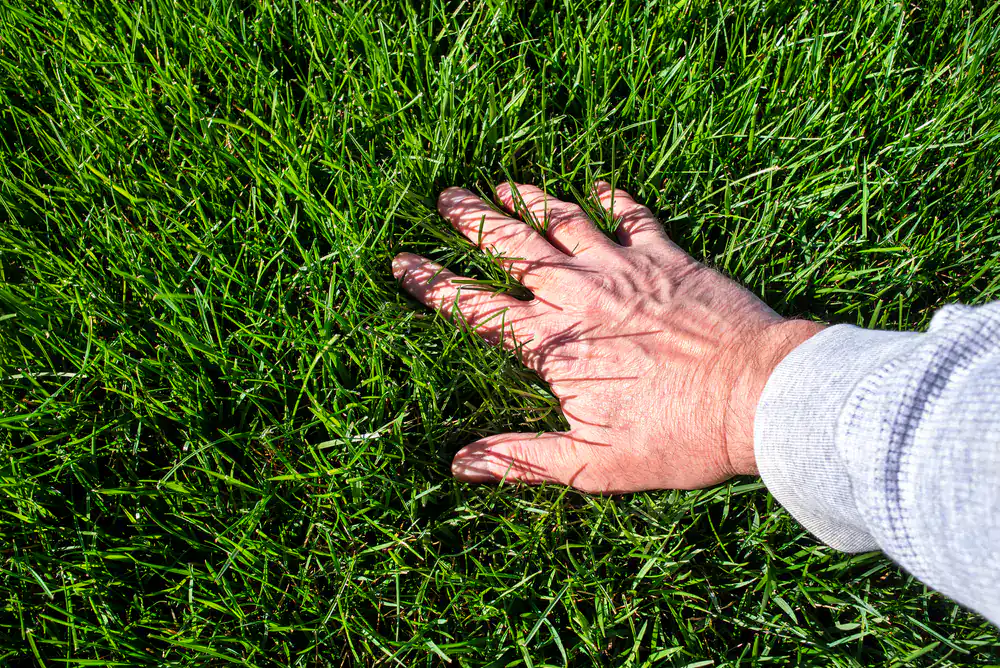
When your soil pH is off, grass can’t absorb the nutrients already in the ground. Nitrogen, phosphorus, potassium they’re all there, but chemically locked out. You keep fertilizing, nothing changes, and the lawn keeps losing to weeds and thin spots. Correcting pH is what finally breaks that cycle.
For Smithtown homeowners, this isn’t a generic lawn problem it’s a North Shore one. Research conducted at Caleb Smith State Park, right here in Smithtown, recorded average surface soil pH of just 3.3. The mature oaks lining streets throughout Smithtown, Kings Park, Nissequogue, and Head of the Harbor have been dropping acidic leaves for decades, and that decomposition compounds the problem year after year. No fertilizer program fixes that. Lime does.
If your property sits along Route 25, Jericho Turnpike, or the Route 111 corridor through Smithtown, road salt from winter treatments adds another layer to the problem. Salt accumulation alters soil chemistry and can linger well into spring, showing up as brown edges and stunted growth even after the cold is gone. A properly timed pH correction addresses both the baseline acidity and the seasonal salt load giving your lawn a real foundation instead of a chemical guessing game.
We’re based in Port Jefferson Station about eight miles from the Smithtown hamlet center and we’ve been working in North Shore Suffolk County soils long enough to know that what works in Nassau County or the South Shore doesn’t automatically translate here. The soil profile is different. The tree canopy is different. The seasonal conditions are different.
When you call, you reach a real person. Carol handles scheduling and accounts directly, so you’re not navigating a national call center or waiting on a callback from someone who doesn’t know your street. That kind of accessibility matters when you have a question about your lawn or need to adjust a service.
Smithtown sits within the Nissequogue River watershed a designated scenic river that runs through Caleb Smith State Park and drains into Long Island Sound. That means over-applying fertilizer to an acidic lawn isn’t just wasteful, it’s an environmental concern for this community specifically. Our soil-test-first approach keeps applications precise, which protects both your lawn and the watershed your neighborhood borders.
It starts with a soil pH test. Before anything is applied to your lawn, we test the soil to find out exactly where your pH stands. Cornell Cooperative Extension of Suffolk County identifies the target range for Long Island turf at 6.3 to 6.5 and most untreated North Shore lawns fall well below that. The test tells us how far off your lawn is and what it actually needs, so nothing is over-applied or wasted.
From there, we determine the right lime type and rate based on your specific results. There’s a meaningful difference between calcitic and dolomitic lime, and the correct choice depends on what your soil test shows not a one-size-fits-all default. For Smithtown properties with heavy oak canopy or road-adjacent salt exposure, that distinction matters more than most homeowners realize.
Timing is part of the process too. Fall application is the professional standard on Long Island because the freeze-thaw cycles and winter precipitation physically work the lime into the soil profile, raising pH in time for spring growth. Homeowners who apply lime in spring are already a full season behind. Our program-based model handles the scheduling, sends seasonal reminders, and tracks what was applied and when so you don’t have to keep notes or wonder if it’s time to retest.
Ready to get started?
Every pH treatment starts with a professional soil test not an assumption. That test determines your current pH level, the type of lime your soil needs, and the precise application rate. For Smithtown lawns, where sandy loam soils drain quickly and leach both nutrients and lime faster than denser soil types, getting the rate right the first time matters. Under-applying doesn’t move the needle. Over-applying pushes pH into alkaline territory, which creates its own set of nutrient lockout problems.
Once the test is complete, we apply lime at the calibrated rate across your lawn. We’re registered with the New York State Department of Environmental Conservation and fully compliant with New York’s commercial applicator requirements including neighbor notification obligations. For homeowners near the Nissequogue River watershed, that regulatory compliance isn’t just a checkbox; it’s the assurance that applications are handled responsibly and within legal limits.
After treatment, your account is tracked through our member portal with seasonal reminders for follow-up testing and reapplication. Soil pH doesn’t stay corrected permanently particularly in Smithtown’s porous, oak-shaded soils so retesting every two to three years is the standard. Our program model keeps that on our radar, not yours, so your lawn stays in range without you having to manage the timeline yourself.
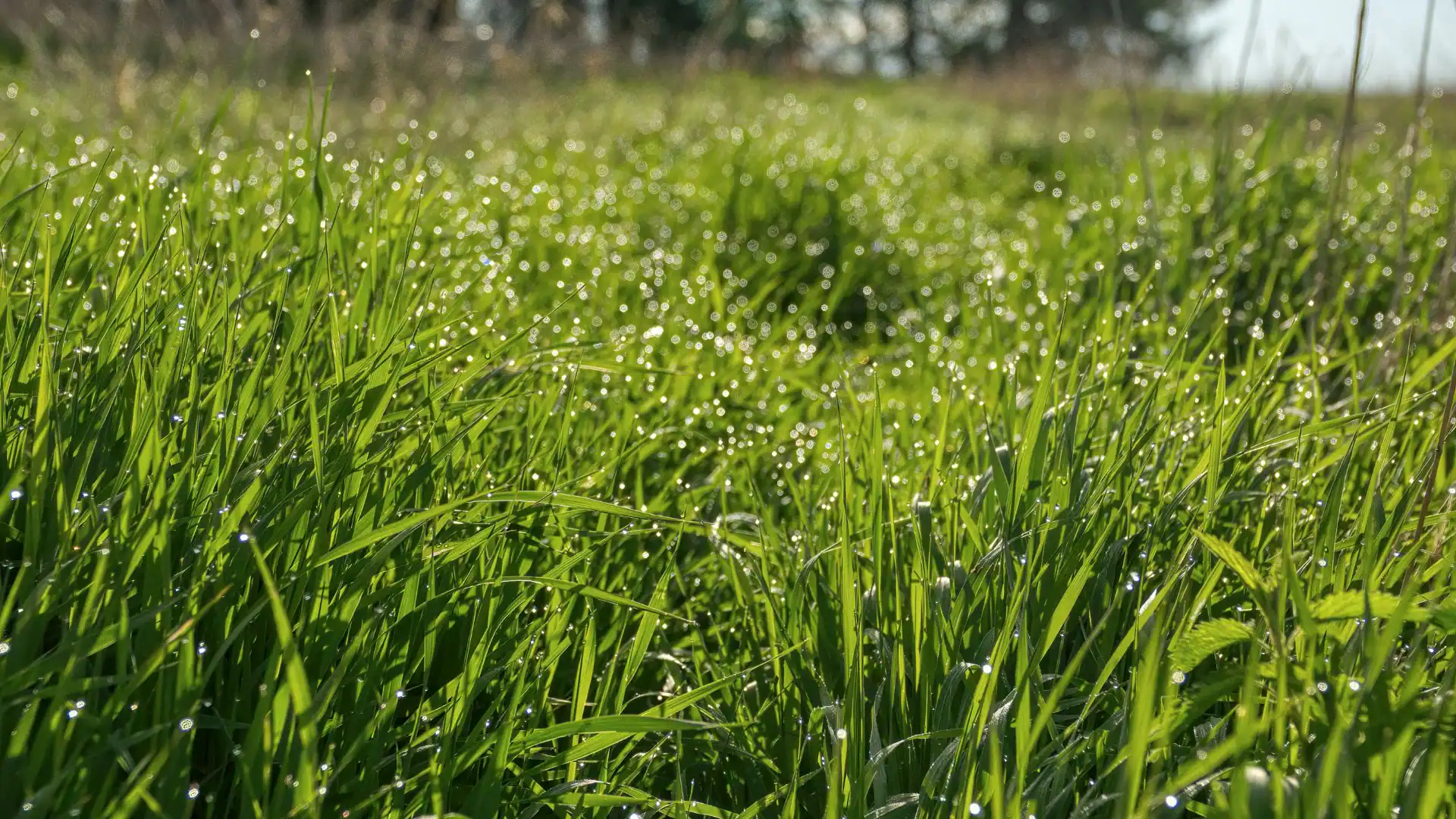
This is one of the most common frustrations for homeowners on Long Island’s North Shore, and pH imbalance is the most overlooked reason it happens. When soil pH falls below 6.0, the nutrients in your fertilizer nitrogen, phosphorus, potassium become chemically unavailable to grass roots. The nutrients are physically present in the soil, but your lawn can’t access them. So you keep applying fertilizer, spending money, and seeing little to no improvement.
In Smithtown specifically, the combination of naturally sandy, acidic soils and decades of oak leaf decomposition in established neighborhoods like Kings Park and Nissequogue creates a persistent downward pull on pH. A soil test is the only way to know for certain whether pH is the issue. If it is, correcting it before your next fertilizer application is what finally makes the investment pay off.
The honest answer is that you won’t know for certain without a soil test. Visual symptoms thin turf, yellowing, poor response to fertilizer, moss or weed encroachment can all point to pH imbalance, but they can also point to other issues. A soil test removes the guesswork and gives you an actual number to work with.
What makes Smithtown a particularly strong candidate for lime treatment is the documented soil profile here. The sandy loam soils common to the North Shore drain quickly, which means lime and nutrients leach out faster than in heavier soil types. Add in the oak canopy throughout the older hamlets and the road salt accumulation along Route 25 and Route 111, and the conditions that drive soil acidity are present in a lot of Smithtown yards. Testing first is the right move but the odds that your pH needs attention are genuinely high in this area.
Fall is the right window, and there’s a practical reason for it that goes beyond preference. When lime is applied in late fall, Long Island’s winter rain, snow, and freeze-thaw cycles do the work of incorporating it into the soil profile over several months. By the time your grass starts actively growing in spring, the pH correction has already taken effect and nutrients are available from the start of the season.
Spring application isn’t useless, but it puts you a full growing season behind. You’re applying lime while the lawn is already under stress from the transition out of winter, and the correction doesn’t take hold quickly enough to benefit the spring growth cycle. For Smithtown homeowners who want results they can actually see during the growing season, fall is when to act not after you’ve already watched another spring come and go with a struggling lawn.
Yes, and it’s a more significant issue than most homeowners realize. Sodium chloride the primary component of road salt accumulates in roadside soils over the winter and alters the soil’s chemical balance. It can displace calcium and magnesium, interfere with nutrient uptake, and contribute to the kind of pH disruption that shows up as brown strips along lawn edges and stunted growth in spring, even after the cold weather is gone.
For properties along Route 25, Jericho Turnpike, Main Street, and the Route 111 corridor through Smithtown, this is a recurring annual issue. The salt load varies depending on how close your lawn is to the road and how heavily the road is treated each winter. Spring soil conditioning including pH testing and lime application after the salt has been flushed by winter precipitation is the professional response to this cycle. It addresses both the residual salt effect and the baseline acidity that Smithtown’s North Shore soils already carry.
The general professional standard is to retest every two to three years. Lime doesn’t lock pH in place permanently it raises it, but soil acidity returns over time as organic matter breaks down, rainfall leaches lime through the soil profile, and environmental factors continue their influence. In Smithtown’s sandy, well-draining soils, that leaching process happens faster than in heavier clay-based soils, which can push the retest timeline toward the shorter end of that range.
For properties with significant oak canopy which describes a lot of the older, established neighborhoods in Smithtown, Kings Park, Head of the Harbor, and St. James the ongoing acid load from leaf decomposition means pH can drift back down more quickly than it would in a more open yard. Our program model tracks your treatment history and sends reminders when it’s time to retest, so the schedule stays consistent without you having to manage it manually.
Lime itself is a naturally occurring soil amendment it’s not a pesticide, and it’s not regulated as a chemical treatment under New York State DEC guidelines. When applied at the correct rate based on a soil test, it raises pH toward the target range and actually reduces the environmental risk associated with over-fertilization. When soil pH is too low, grass can’t absorb fertilizer efficiently, and excess nutrients leach through sandy soils into groundwater and waterways. Correcting pH first means fertilizer gets absorbed by the grass instead of running off.
For Smithtown homeowners near the Nissequogue River which runs through Caleb Smith State Park and Nissequogue River State Park before reaching Smithtown Bay that distinction matters. We’re fully registered with the NYSDEC and follow New York’s neighbor notification requirements for any regulated applications. Our soil-test-first approach keeps every application precise and within the range your lawn actually needs, which is the responsible way to manage lawn care in a community that borders one of Long Island’s most ecologically significant waterways.
Useful Links
Other Services we provide in Smithtown