
Hear from Our Customers
Compacted soil is a quiet problem. You can’t see it from the surface, but it’s actively blocking water, air, and nutrients from reaching the root zone which means everything you put into your lawn stays on top instead of going where it counts. Core aeration breaks that cycle by pulling plugs of soil out of the ground and opening channels that let your lawn actually absorb what it needs.
For Smithtown properties specifically, this matters more than most people realize. The glacial outwash soil across the North Shore sandy loam near Kings Park and St. James, heavier composition moving inland toward Nesconset compacts under normal mowing and foot traffic faster than richer soils do. Add the mature oak canopy that shades large portions of the town, and you’ve got a combination of root competition, acidic leaf litter, and compaction that quietly suffocates turf year after year.
After aeration, the difference shows up within a few weeks. Grass thickens. Color improves. Fertilizer that used to sit on the surface and wash away actually gets to the roots. If you’ve been putting money into your lawn without seeing results, the soil is almost always why and aeration is the fix that makes everything else work.
We’ve been operating in Smithtown and across Suffolk County since 1987 which means we were treating lawns in Kings Park and St. James before most of the companies currently advertising in this market existed. That kind of tenure isn’t just a number. It means we know Smithtown’s soil, its seasonal patterns, and what actually works on Long Island’s North Shore.
Every job is handled by a licensed pesticide professional not seasonal labor, not an uncertified crew. New York State’s DEC requires real exams, active certification, and ongoing education to stay licensed. We meet that standard on every visit, not just when it’s convenient.
We also use hydraulic aerators instead of the light-duty equipment you’d rent from a hardware store, and our fertilizer is custom-blended specifically for our programs not pulled off a shelf. If you’re in Smithtown and you’ve been burned by companies that overpromised and underdelivered, that’s exactly the kind of thing we built our reputation against. Ask about flea and tick treatment in Smithtown to keep the yard usable.
It starts with an assessment of your specific property. Smithtown lawns vary more than people expect a sandy loam lot near the Sound in Kings Park drains completely differently than a compacted builder-grade yard in a newer development near the Hauppauge border. We look at your soil type, grass variety, compaction level, and thatch depth before we run a single pass.
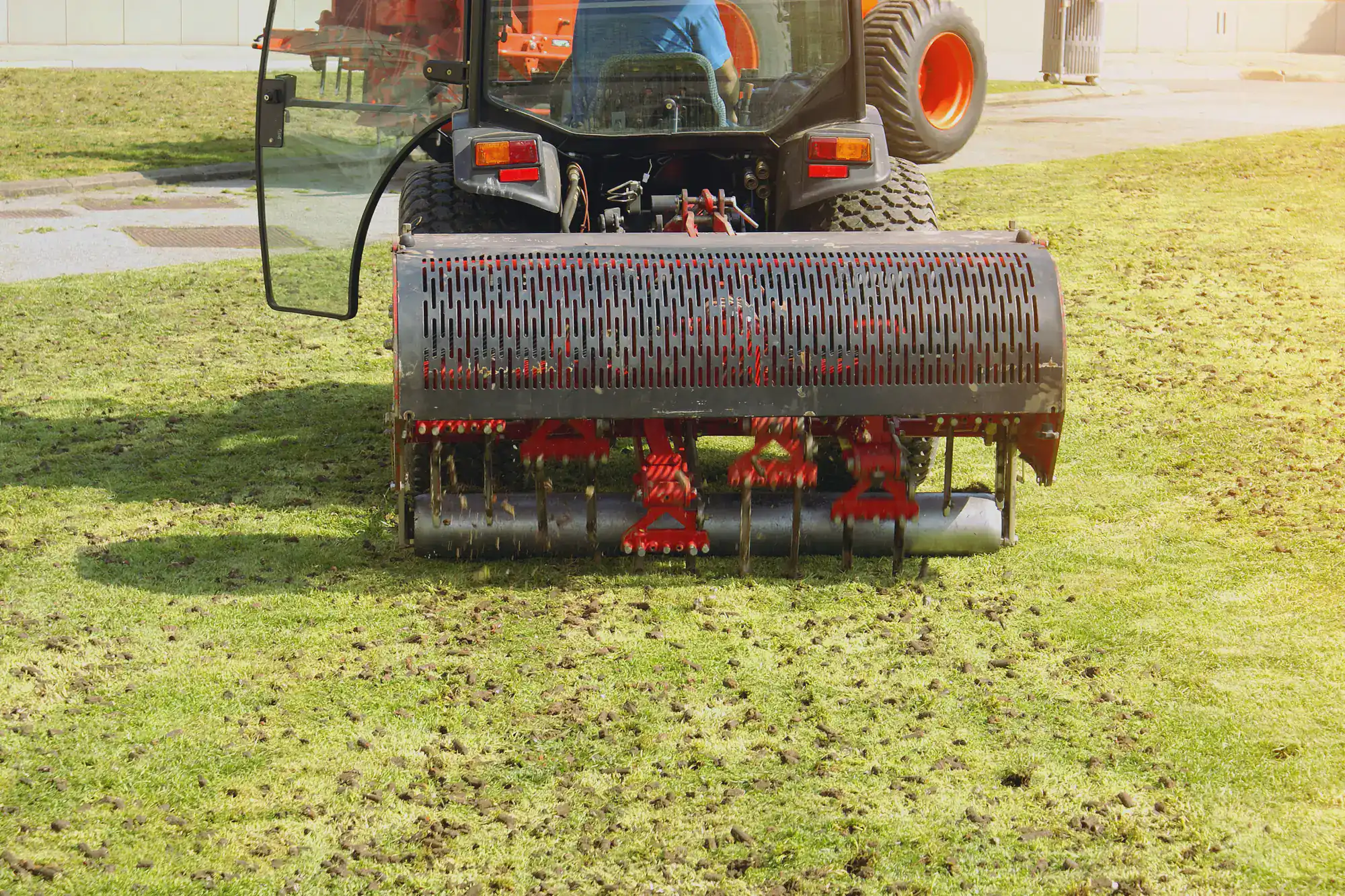
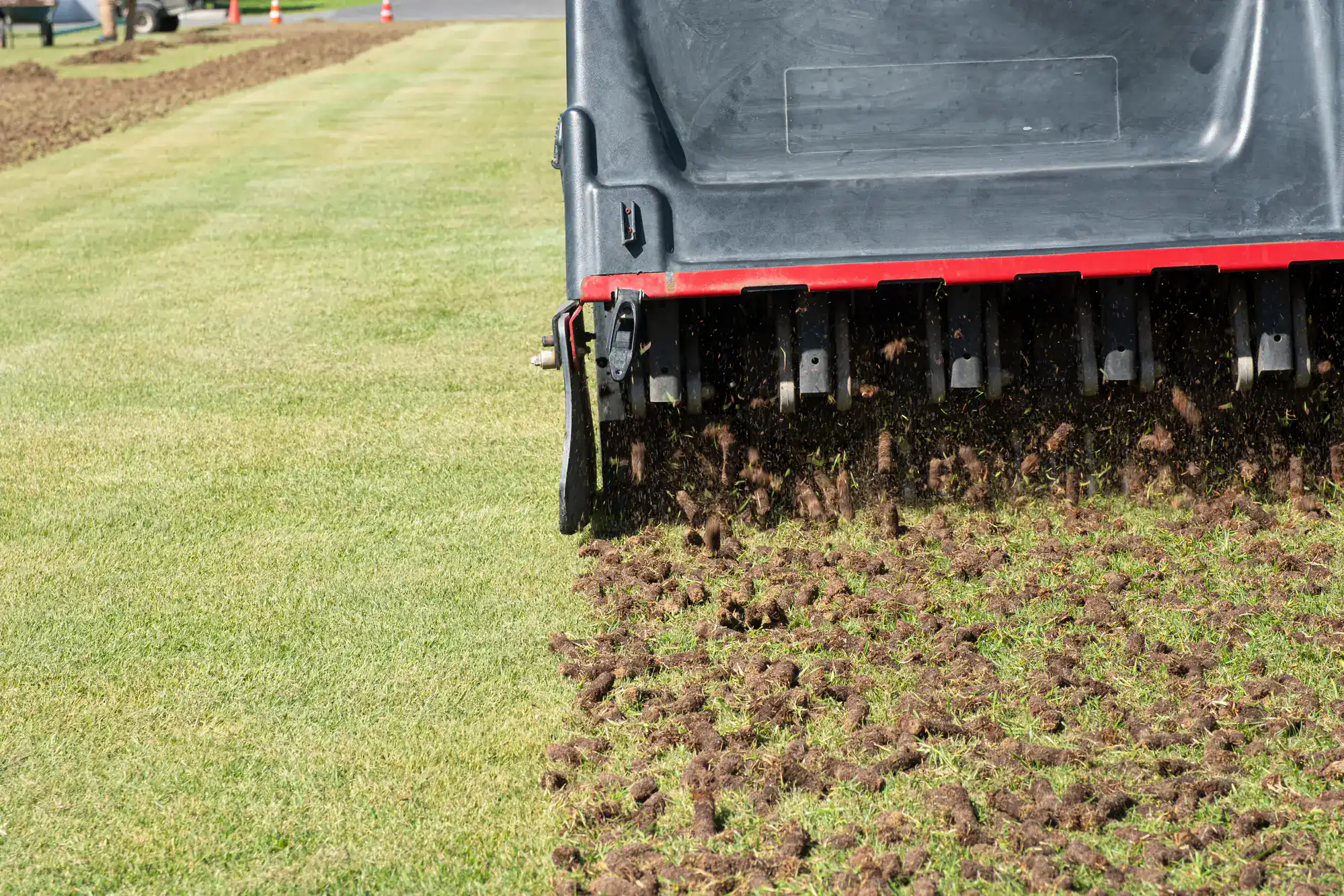
From there, we bring in our hydraulic core aerator a professional-grade machine that pulls clean plugs from the ground at the depth needed to actually break compaction. This isn’t the same machine you can rent. It penetrates further, extracts cleaner cores, and handles the denser soil profiles found across Smithtown without skipping or bouncing off the surface. The cores get left on the lawn and break down naturally over a few weeks, returning organic matter back into the soil.
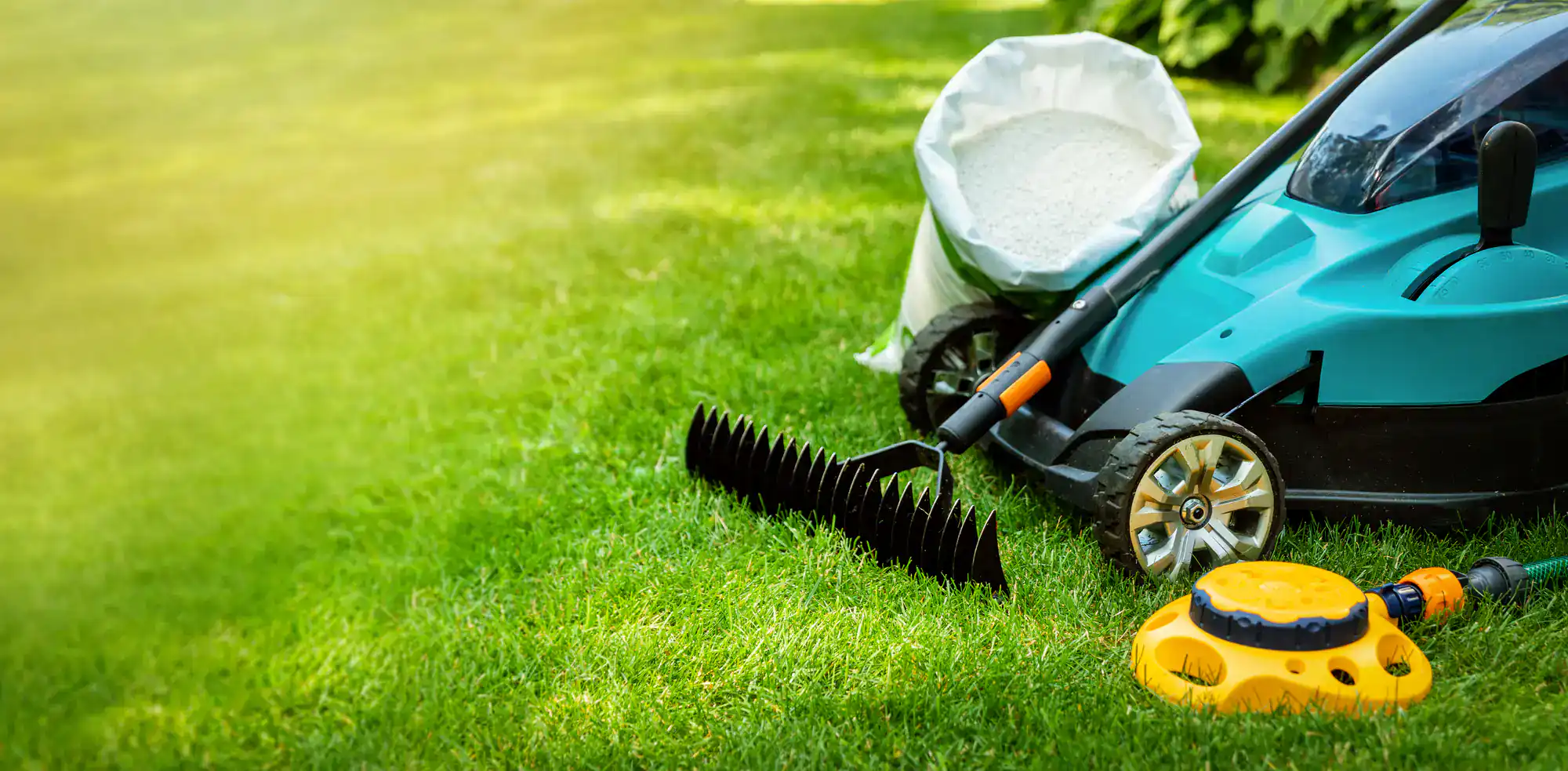
After aeration, we’ll walk you through what comes next whether that’s overseeding to fill in thin areas, a custom fertilizer application timed before Suffolk County’s November 1 fertilizer ban, or a full program tailored to your lawn’s specific needs. The timing matters here. Fall is the window for cool-season grasses like fescue and Kentucky bluegrass, and that window closes faster than most people plan for.
Ready to get started?
Every program we build is specific to your property not a package pulled from a menu. That means your lawn’s soil composition, shade exposure, grass type, and compaction history all factor into what we recommend and how we approach the job. For Smithtown homeowners in the incorporated villages of Nissequogue or Head of the Harbor with large estate lots, that looks very different from a standard residential yard in Nesconset or Commack.
Aeration is frequently paired with overseeding and a custom fertilizer application to get the most out of the treatment window. Because Suffolk County law prohibits fertilizer applications after November 1, the fall schedule matters everything needs to be sequenced correctly to give your lawn time to respond before the ground goes dormant. We know this county’s regulations and we plan around them, so you don’t have to.
If your lawn has never been aerated, or if it’s been years since the last time, there’s a good chance compaction is the reason it hasn’t responded to fertilizer or seed the way it should. The screwdriver test is a simple way to check: push a standard screwdriver three inches into your lawn after watering. If it resists, your soil is compacted. That’s where we start.
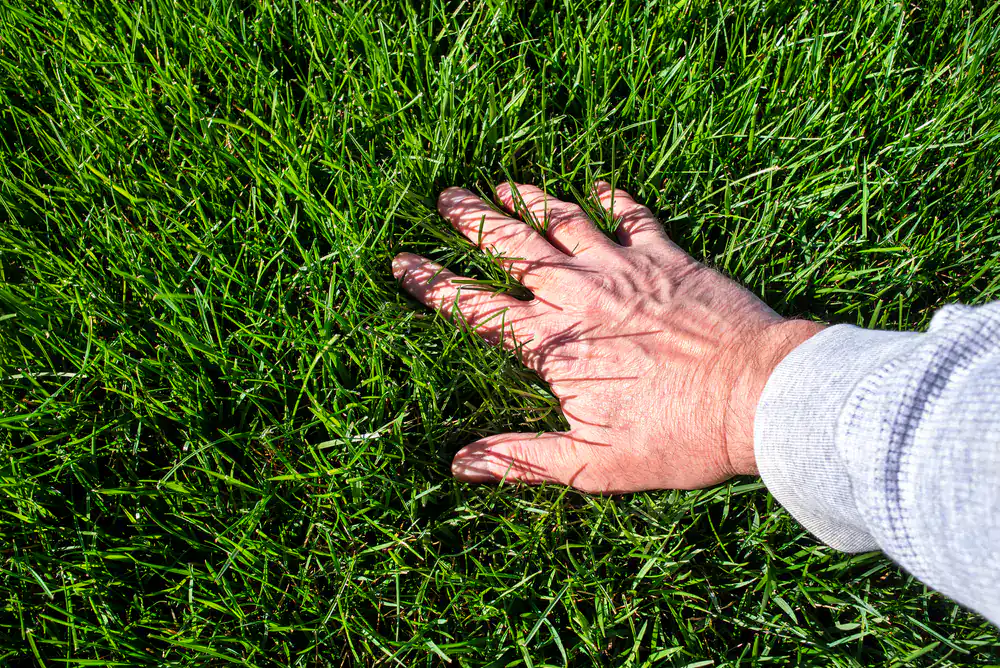
For Smithtown lawns, fall is the right window specifically late August through October, with September being the sweet spot. The cool-season grasses that dominate properties across the town, including tall fescue, Kentucky bluegrass, and perennial ryegrass, grow most aggressively in fall. That’s when they have the energy to fill in aeration channels and respond to overseeding.
There’s also a hard deadline to keep in mind. Suffolk County law bans fertilizer applications between November 1 and April 1, which means your entire fall treatment sequence aeration, overseeding, and fertilization needs to be completed before that cutoff. If you wait too long, you lose the window entirely and carry the same compaction problem through another winter of freeze-thaw cycling that makes it worse.
Spring aeration is possible, but it conflicts with pre-emergent crabgrass control timing and is generally less productive for the grass types most Smithtown homeowners have. Fall is the priority, and scheduling early is the only way to guarantee you get in before the season closes.
The easiest test doesn’t require any equipment. After watering your lawn, push a standard screwdriver about three inches into the soil. If it goes in easily, your soil structure is in reasonable shape. If it resists or stops short, you’ve got compaction and that compaction is likely the reason your lawn hasn’t responded the way you expected to fertilizer or seed.
Other signs are visible from the surface. Thin or bare patches that don’t fill in despite reseeding, water that puddles or runs off instead of soaking in, and a lawn that feels hard or spongy underfoot are all indicators. If you’ve been maintaining your lawn consistently and still not seeing improvement, compaction is almost always part of the explanation.
Smithtown’s older neighborhoods particularly in the central hamlet and Kings Park have decades of accumulated compaction from regular mowing, foot traffic, and seasonal use. Newer developments near the Hauppauge corridor often have the opposite problem: builder-grade topsoil that was stripped during construction and never properly restored. Both situations respond well to professional core aeration.
Core aeration physically removes plugs of soil from the ground, which is what actually relieves compaction. The hollow tines pull out cylinders of soil and leave channels open for air, water, and nutrients to penetrate the root zone. Those plugs break down on the surface over a few weeks and return organic matter back into the lawn.
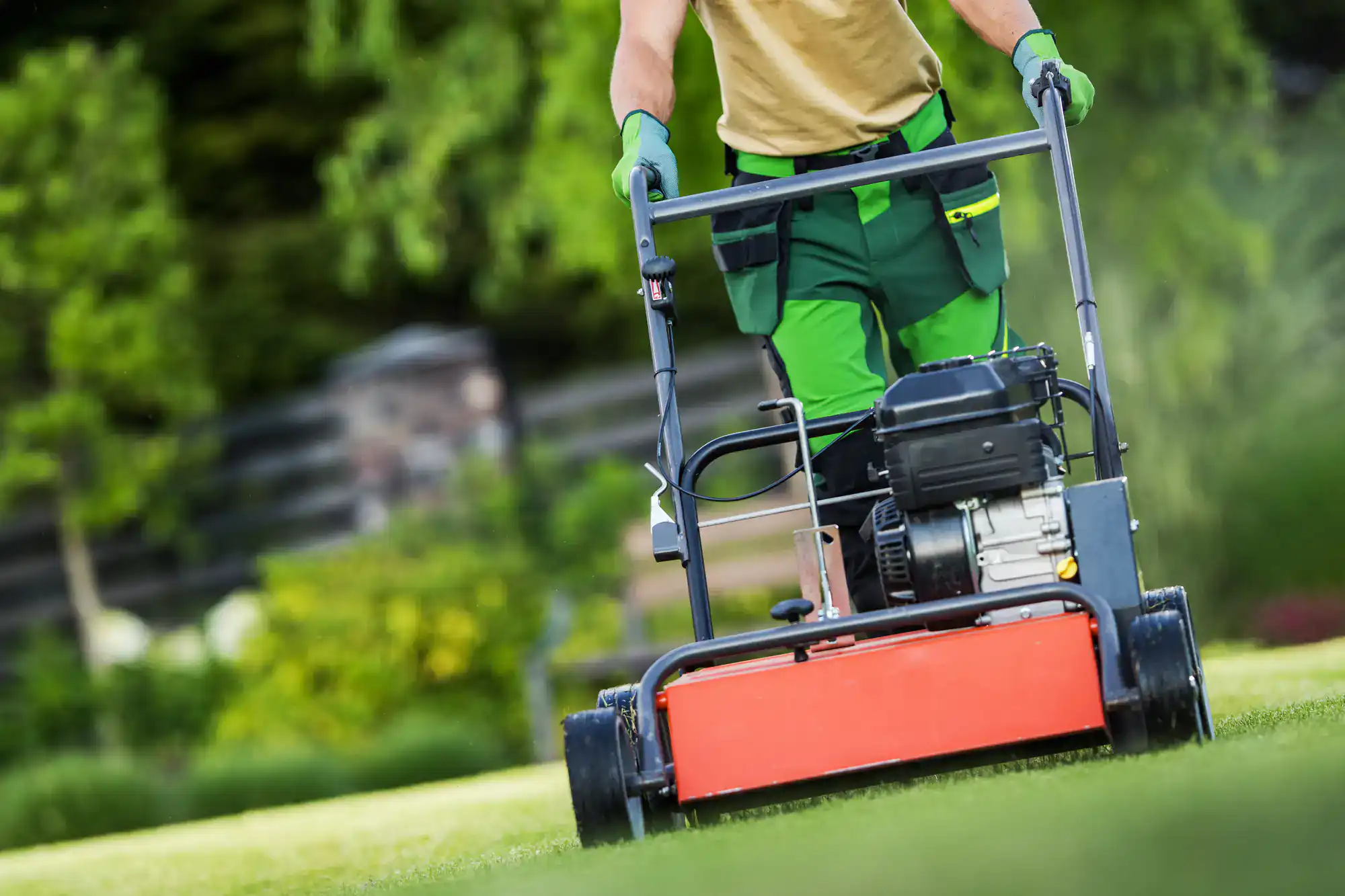
Spike aeration pushes solid tines into the ground without removing anything. It creates holes, but it also compresses the surrounding soil as it goes which can actually worsen compaction in the areas immediately around each hole. It’s the approach used by most consumer-grade equipment and many low-end service providers, and it’s why a lot of homeowners try aeration and don’t see results.
For Smithtown’s soil particularly the sandy loam in the northern parts of town that compacts under normal use core aeration is the only method worth doing. Spike aeration on a Kings Park or St. James lawn isn’t just ineffective, it can set you back. The equipment matters as much as the method, which is why we use hydraulic core aerators built for professional-depth penetration, not walk-behind rental units.
Lawn aeration pricing varies based on the size of your property, its current condition, and what’s being paired with the service. For a standard residential lot in Smithtown, professional core aeration typically falls somewhere in the range of $100 to $300. Larger properties like the estate lots found in Nissequogue, Head of the Harbor, or parts of St. James will run higher based on square footage.
What matters more than the base cost is what you’re getting for it. A low-cost aeration done with light-duty equipment on a compacted Long Island lawn often produces minimal results, which means you’re spending money and still not solving the problem. The equipment, the depth of penetration, and whether the program is built around your specific soil type all affect whether the service actually works.
We don’t publish a flat rate because Smithtown properties vary too much a compact Nesconset lot and a multi-acre property in the Village of the Branch are completely different jobs. Call us for a quote specific to your lawn, and we’ll give you a straight answer.
Yes and it’s a fair question, because sandy soil has a reputation for being loose and well-draining, which makes compaction sound like less of a concern. But sandy loam on the North Shore still compacts under the weight of regular mowing equipment and foot traffic, especially in lawns that have been maintained the same way for years. The compaction layer forms just below the surface and blocks root development even when the soil above it feels soft.
The bigger issue with sandy loam is nutrient retention. Sandy soil leaches nutrients quickly, which means fertilizer applied to a compacted sandy lawn has two problems working against it it can’t get through the compaction layer, and what does make it past the surface drains out before roots can absorb it. Core aeration addresses the first problem directly, and when paired with the right fertilizer program, the combination produces results that neither treatment achieves alone.
Smithtown’s proximity to Long Island Sound also means coastal winds dry the surface faster than inland areas, which compounds the drainage issue. Getting the soil structure right through aeration is the foundation everything else builds on.
You can rent an aerator and do it yourself but the results usually disappoint, and there are a few reasons why. Consumer-grade and rental aerators are built for light residential use on relatively soft soil. Smithtown’s compacted sandy loam and the heavier soil profiles in inland areas like Nesconset require a machine with significantly more weight and hydraulic pressure to pull clean cores at the right depth. A rental unit running over a Kings Park lawn that’s been compacted for 20 years will skip, bounce, and pull shallow cores that don’t actually break the compaction layer.
There’s also the timing and sequencing piece. Aeration on its own is useful, but it’s most effective when it’s paired with overseeding and a properly timed fertilizer application and in Suffolk County, that fertilization has to happen before November 1 by law. Getting the sequence right, with the right products for your specific grass type and soil, is where a professional program earns its value.
If you’ve tried DIY aeration before and didn’t see much change, the equipment is almost certainly the reason. Hydraulic aerators built for professional use produce a completely different result on Long Island soil and the difference is visible within a season.
Useful Links
Other Services we provide in Smithtown