
Hear from Our Customers
Most Coram homeowners have been maintaining their lawn for years fertilizing, watering, maybe even overseeding and still end up with thin patches, puddles after rain, and grass that just won’t thicken up. That’s not a maintenance problem. That’s a compaction problem, and no amount of fertilizer fixes it until the soil is opened up first.
Coram’s dominant soil type Riverhead sandy loam, common throughout the Pine Barrens interface area of central Brookhaven looks like it should drain well, and deeper down, it does. But decades of foot traffic, mowing equipment, and wet-dry cycles create a dense, compacted surface layer that blocks water and nutrients from getting through. Studies show compaction can reduce water infiltration by up to 50%. That means half the rain falling on your lawn and half the fertilizer you’re applying is either sitting on the surface or washing off before it ever reaches the root zone.
Core aeration breaks that cycle. Once the compaction layer is relieved, water moves down the way it should, roots push deeper, and fertilizer actually gets to work. For homes along the older residential streets off Route 25 and Route 112 ranch homes and Cape Cods built on former Pine Barrens land in the 1960s and 70s this isn’t optional maintenance. It’s the intervention that makes everything else you’re already doing finally pay off.
We are a Suffolk County lawn care company not a franchise routing calls through a national center. Our team serves Coram and the surrounding central Brookhaven communities of Selden, Miller Place, Middle Island, and Medford, and we know how soil conditions vary across this part of the island because we work in it every season.
Every applicator on our team holds a valid New York State DEC pesticide applicator license. That’s a legal requirement for commercial operators in New York and one that a significant number of the informal operators and general landscaping crews you’ll find on Yelp simply can’t produce. It matters more in Coram than most places, given the proximity to the Long Island Pine Barrens aquifer recharge zone, where licensed applicators are trained to follow New York’s fertilizer laws near sensitive recharge areas.
Our goal isn’t to sell you a one-time service. It’s to give your lawn a foundation that makes every program you’re running fertilization, overseeding, whatever comes next actually work the way it should. Many homeowners keep results lasting with our lawn treatment service in Coram.
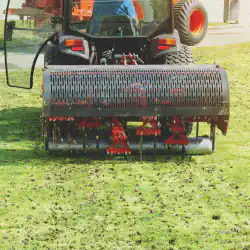
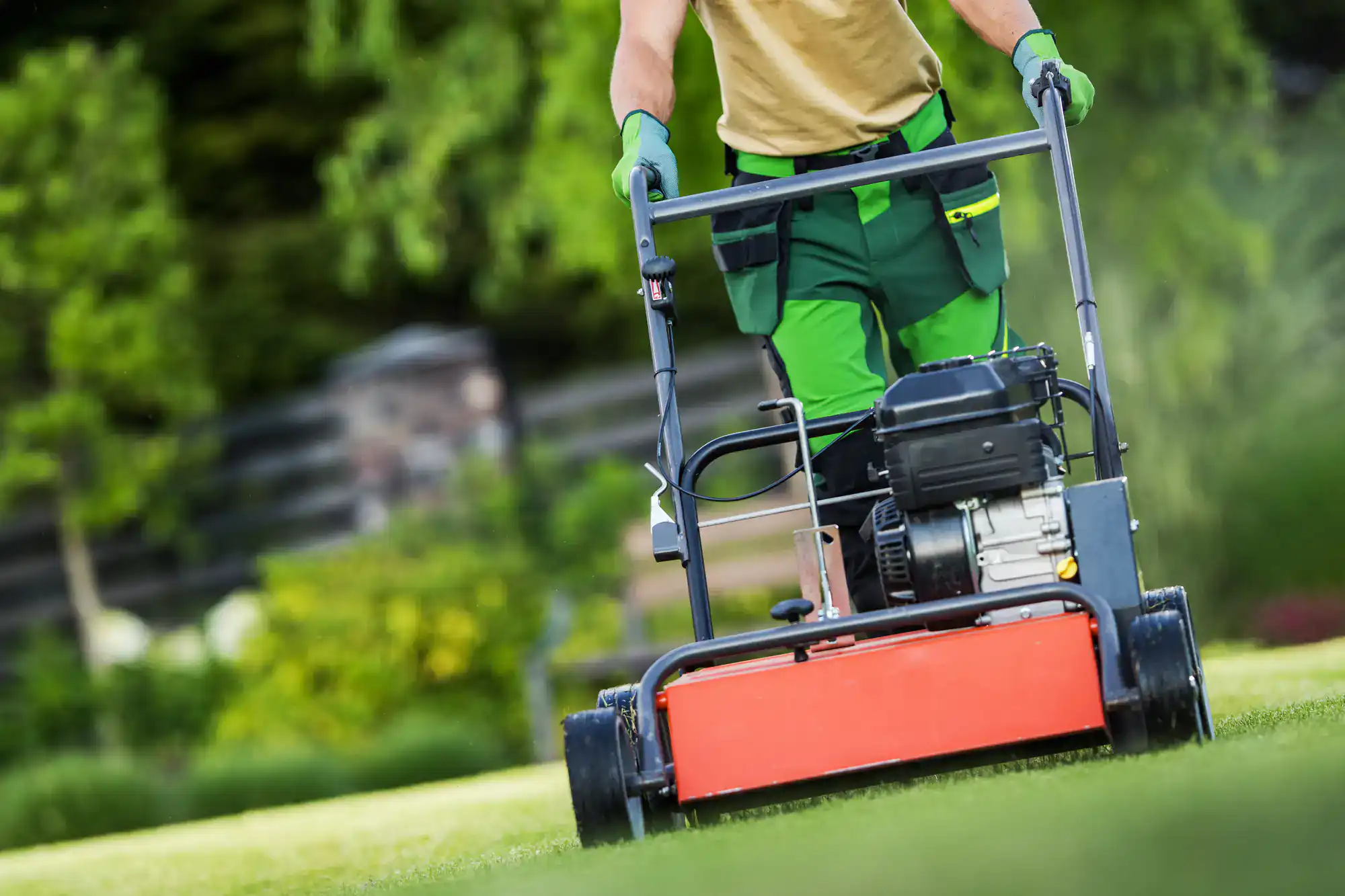
The first thing worth knowing is that not all aeration equipment is equal and on Coram’s compacted sandy loam soils, that difference matters more than most people realize. Rental drum aerators from the Home Depot on Route 112 or standard tow-behind machines used by general landscaping crews typically penetrate 1.5 to 2 inches on a good day. On the compacted surface layer common to Coram’s older residential lots, that means they’re barely scratching the surface. We use a commercial hydraulic aerator that drives tines 3 to 4 inches deep using dynamic pressure reaching the actual compaction zone, not just the top layer above it.
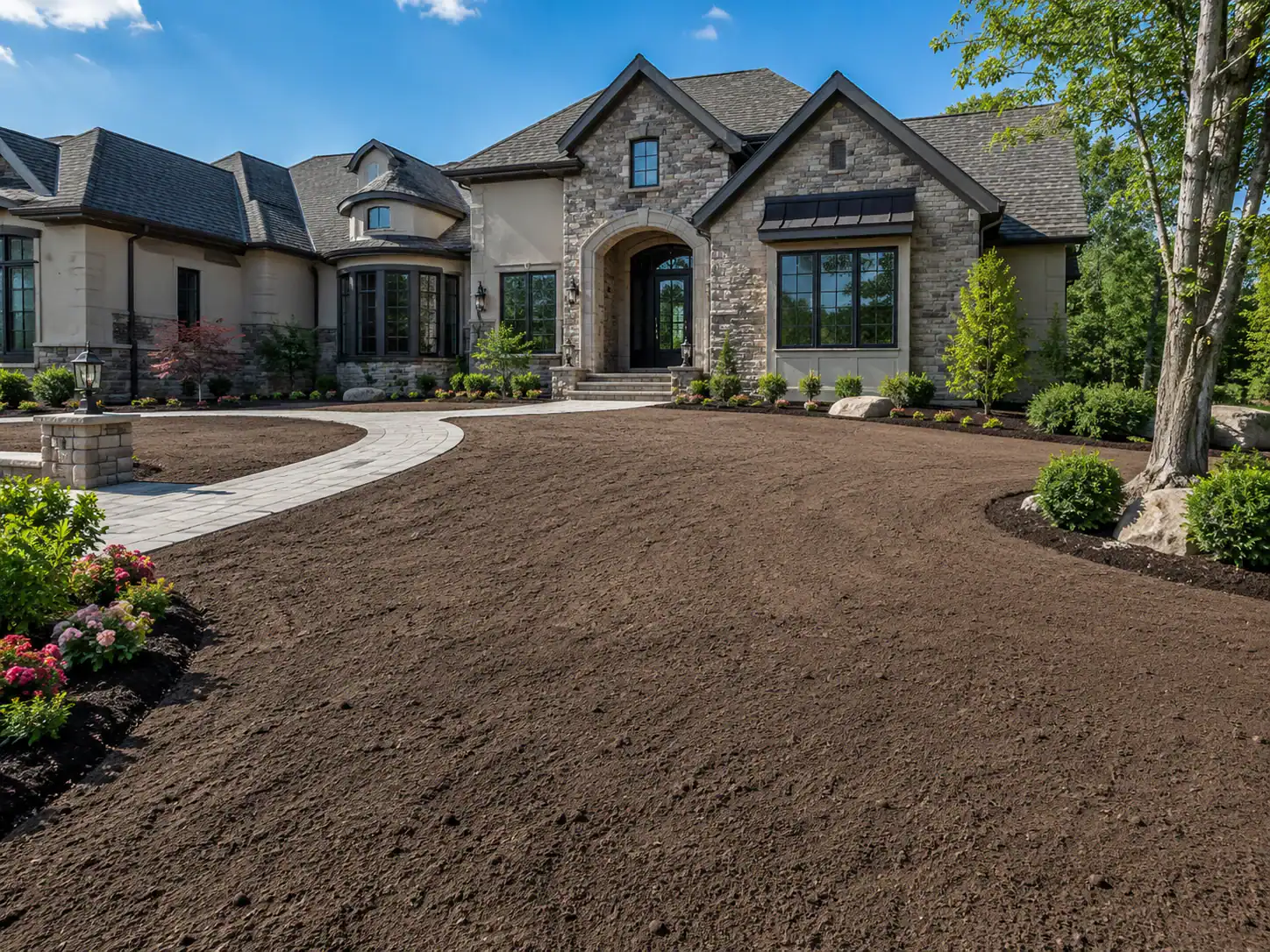
When our crew arrives, we make systematic passes across your lawn, pulling soil cores and depositing them on the surface. Those plugs are supposed to be there they contain soil microbes and organic matter that break down naturally over 2 to 4 weeks, returning nutrients to the surface and helping reduce thatch buildup in the process. You don’t need to rake them up or do anything with them.
If you’re pairing aeration with overseeding which we recommend for any Coram lawn with thin or bare patches the timing is built around the fall window, late August through October. That’s when soil temperatures are still warm enough for cool-season seed germination, and it’s the optimal season for tall fescue, Kentucky bluegrass, and perennial ryegrass, which are the grasses that hold up best in central Brookhaven’s climate. That window fills up fast in a community this size, so early scheduling matters.
Ready to get started?
Core aeration at Lawn Master isn’t a standalone punch-and-leave service. It’s the starting point for a lawn that’s actually set up to respond. When you book aeration, our crew evaluates your lawn’s current condition thatch depth, visible compaction signs, bare patch distribution and walks you through what comes next based on what we see, not a generic package.
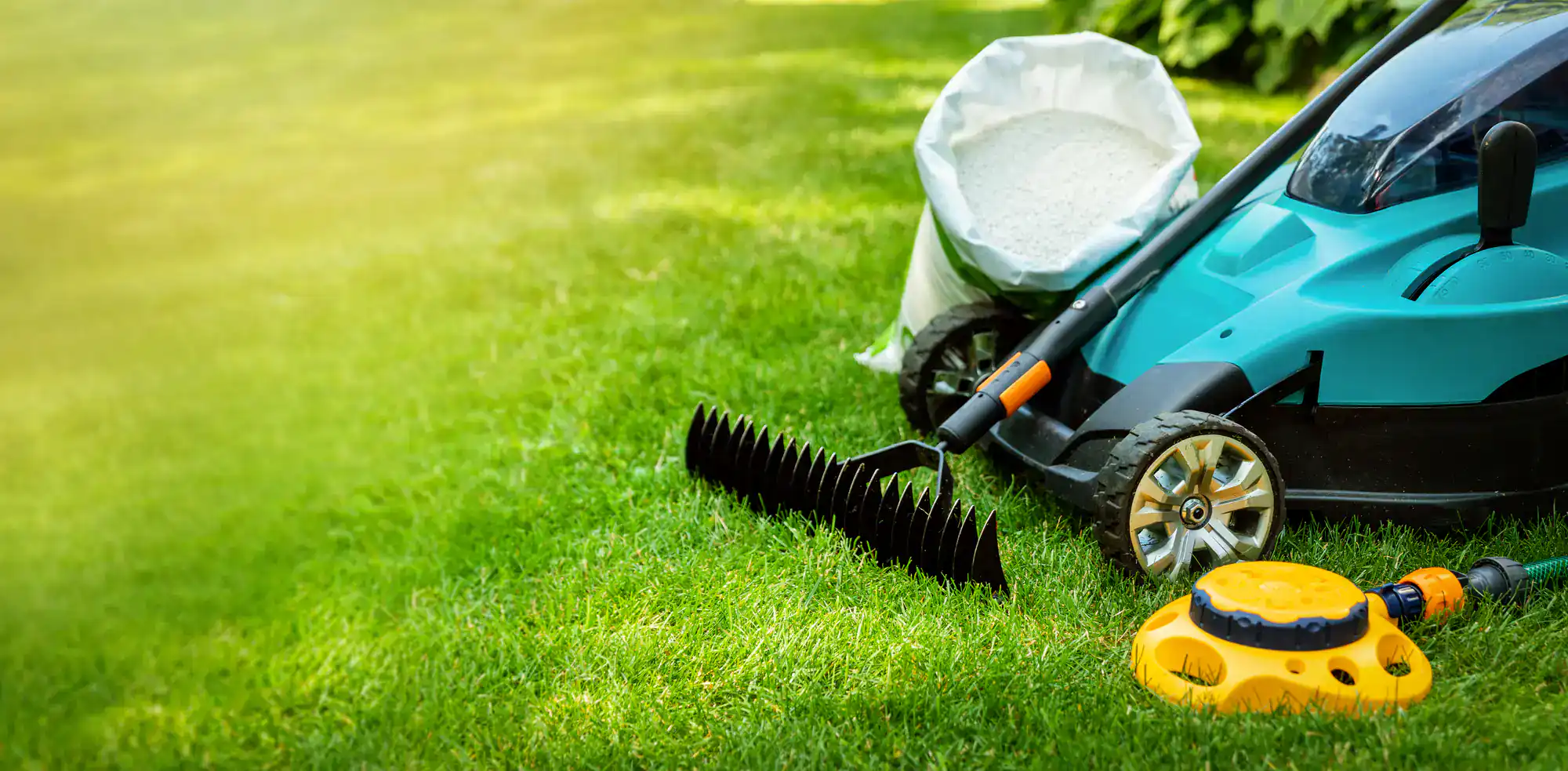
For Coram properties with thin coverage or bare patches which is most of the older postwar housing stock in this area, given that many of these lots were carved out of Pine Barrens land and topped with variable-quality fill during construction aeration is typically paired with overseeding using cool-season varieties suited to Suffolk County’s soil and climate. Germination rates after aeration are 30 to 50% higher than overseeding on un-aerated ground, because the seed has direct access to soil rather than sitting on compacted thatch.
We also integrate aeration into our broader fertilization programs. If you’re already on a fertilization schedule, aeration is what unlocks the full value of it studies show fertilizer uptake efficiency can increase 30 to 40% after proper core aeration. For homeowners in the Longwood Central School District area who’ve been spending money on fertilizer programs without seeing the results they expected, that’s not a small thing. It’s the difference between a lawn that looks okay and one that actually performs.
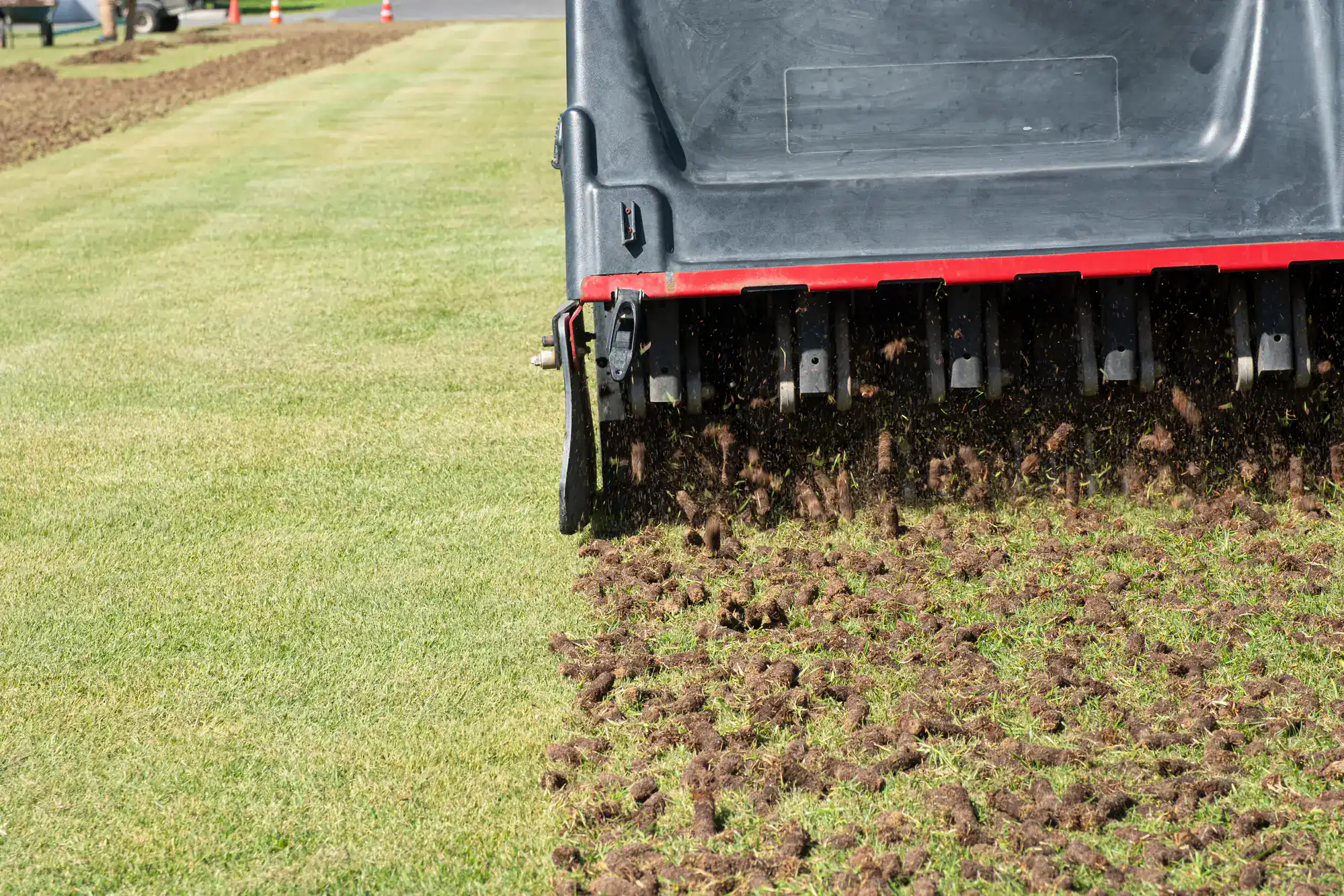
The rental drum aerators available at equipment counters in Coram and the surrounding area are designed for average soil conditions. They typically drive tines 1.5 to 2 inches deep which sounds reasonable until you understand that Coram’s compacted Riverhead sandy loam surface layer often sits well below that depth. The machine is scratching the surface, not reaching the compaction zone. That’s why many homeowners who’ve tried DIY aeration with a rental unit walk away thinking aeration doesn’t work.
Our hydraulic aerator uses dynamic pressure to drive tines 3 to 4 inches deep, which is where the actual compaction is on most central Brookhaven lots. That’s not a marginal improvement it’s the difference between treating the symptom and fixing the cause.
For Coram’s cool-season turf tall fescue, Kentucky bluegrass, and perennial ryegrass the optimal aeration window runs from late August through October. Soil temperatures are still warm enough to support germination if you’re overseeding, and the cooler air temperatures reduce stress on new growth. This timing also gives the lawn a full fall growing season to recover and fill in before winter.
The practical reality in Coram is that this window fills up quickly. We serve Coram alongside neighboring communities in central Brookhaven, and September and early October book out fast every year. If you’re planning to aerate this fall especially if you’re pairing it with overseeding the time to schedule is before the rush, not during it.
This is one of the most common frustrations we hear from homeowners in Coram, and the answer is almost always the same: the fertilizer is fine, but the soil isn’t letting it through. Compacted surface soil acts as a barrier. Nutrients sit on top, wash off with the next rain, or break down before they ever reach the root zone. You can apply the best fertilizer available and get almost nothing from it if the soil is too compacted to absorb it.
Core aeration relieves that compaction by pulling plugs from the soil and creating direct channels for water, air, and nutrients to move downward. Research consistently shows fertilizer uptake efficiency increases 30 to 40% after proper aeration. For Coram homeowners who’ve been on fertilization programs whether through a national chain or a local operator without seeing results, aeration is the missing step that makes the rest of the investment actually pay off.
Yes and it’s more directly connected than most people expect. When water pools on a lawn or runs off toward the driveway instead of soaking in, the instinct is to blame drainage. In most cases on Coram’s residential lots, the real cause is surface compaction. The soil below the compacted layer is actually capable of draining it’s Riverhead sandy loam, which is naturally porous. But the compacted surface acts like a lid, reducing water infiltration by up to 50% before it ever gets to the drainable soil below.
There’s also an environmental angle worth noting for Coram specifically. The Long Island Pine Barrens aquifer recharge zone underlies much of central Brookhaven. That aquifer depends on clean surface water infiltrating through the soil it’s the source of much of Suffolk County’s drinking water. Compacted lawns that cause runoff aren’t just an aesthetic problem here. Core aeration restores the permeability that allows water to move the way it should.
Always aerate before overseeding not after. The entire point of aerating before you seed is to give the seed somewhere to go. When you overseed on a compacted, thatch-covered lawn, the seed sits on the surface with almost no contact with actual soil. Germination rates are low, and what does germinate tends to be shallow-rooted and weak. Core aeration creates hundreds of direct pathways into the soil, and seed dropped into or near those channels has dramatically better contact, moisture retention, and germination conditions.
For Coram lawns with bare patches common on the older postwar housing stock throughout the hamlet, where shallow root zones over construction-era fill have struggled for decades the aeration-then-overseed sequence is the most reliable way to achieve real density. We time this process to the fall window when soil temperatures support germination for the cool-season varieties that perform best in central Brookhaven’s climate.
They’re not the same, and the difference matters especially on Coram’s soil type. Spike aeration uses solid tines to push holes into the ground by displacing soil to the sides. The problem is that on already-compacted soil, this actually increases compaction in the area immediately surrounding each hole. You’re punching into compacted ground and pushing the soil even tighter around the opening. It’s a bit like pressing your finger into clay the hole exists, but the surrounding material is more compressed than before.
Core aeration removes a plug of soil entirely, which is what actually relieves the compaction. The hole is open, the surrounding soil has room to expand slightly, and the removed plug breaks down on the surface over a few weeks. On Coram’s Riverhead sandy loam which compacts readily at the surface under mowing and foot traffic core aeration is the method that produces real, lasting results. Spike aeration is cheaper and faster, but on the soils common throughout central Brookhaven, it’s not solving the problem you’re paying to fix.
Useful Links
Other Services we provide in Coram