
Hear from Our Customers
Most Coram homeowners who call us have already tried something a bag of seed from the hardware store, a one-time overseeding, maybe a fertilizer program that looked good on paper. And for a few weeks, it worked. Then July hit, the sandy soil dried out fast, and the grass thinned right back to where it started. That’s not a maintenance failure. That’s a soil problem that never got addressed.
Coram sits at the western edge of Long Island’s Central Pine Barrens. The soil here drains quickly, runs acidic, and doesn’t hold nutrients the way heavier soils do. When you renovate without accounting for that, you’re spending money on seed that the ground isn’t ready to support. A proper lawn renovation in Coram means correcting pH, amending the soil, and seeding with cool-season grass varieties that can actually survive a Suffolk County summer.
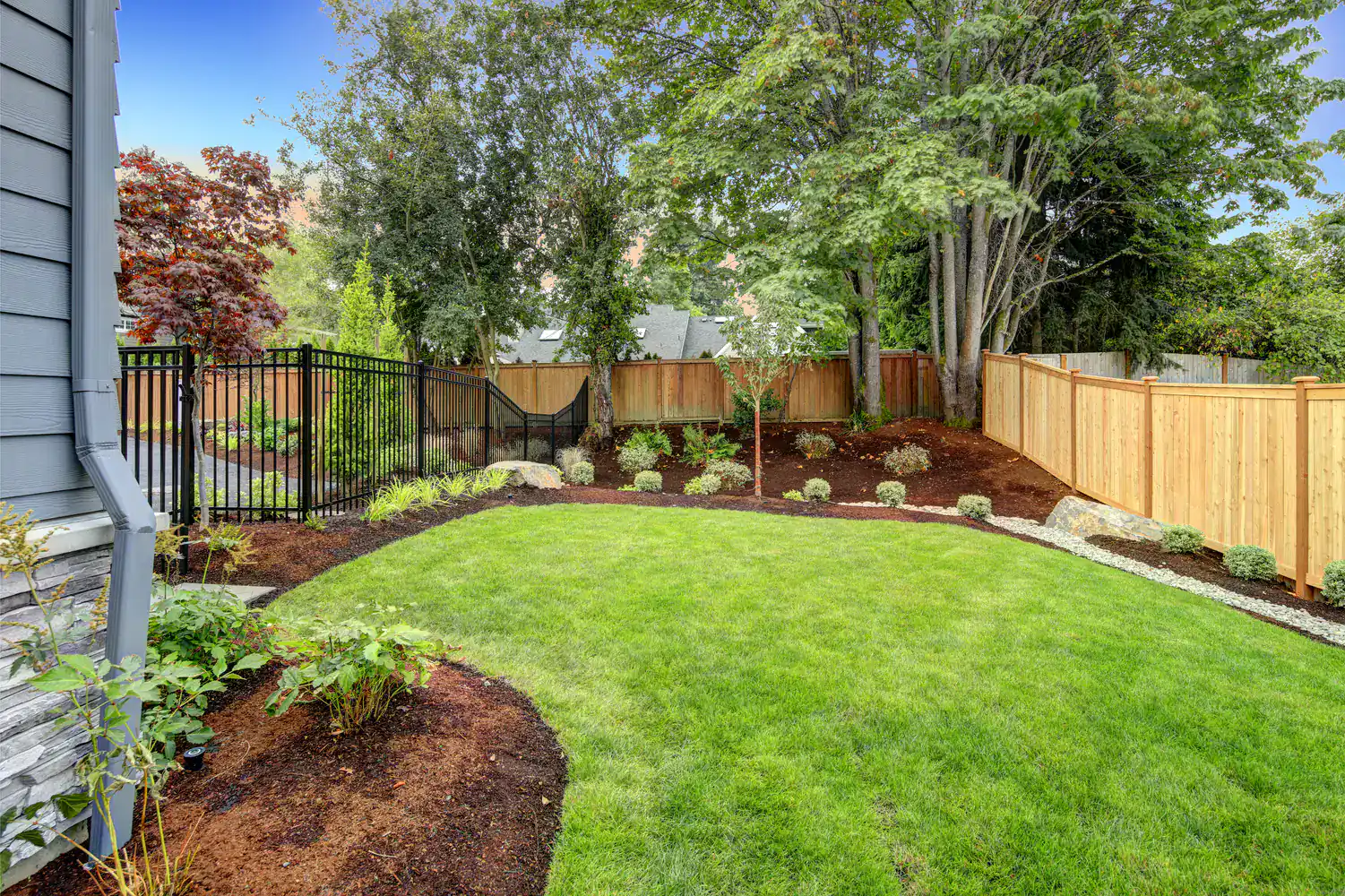
When it’s done right, you get a lawn that fills in dense, holds through August heat, and doesn’t require you to reseed every fall. For a home worth $550,000 or more, that’s not a luxury that’s the baseline your property deserves.
Lawn Master was founded by Matt Shaker in 1994. That’s over 30 years of working in the same Pine Barrens-adjacent conditions that make Coram and central Suffolk County lawns so difficult to maintain the fast-draining soils, the grub pressure, the nutsedge that creeps in along drainage areas, the summer drought stress that exposes every weak spot in a lawn that wasn’t properly built.
We’re based in Port Jefferson Station, about 10 miles up Route 112 from Coram. That’s not a coincidence we service this corridor regularly and know exactly what the ground looks like from Coram north through Mount Sinai. We’re not a franchise, and there’s no national call center routing your job. When you call, you’re reaching a local company that has been doing this work in your backyard literally for three decades.
We’re also NYSDEC licensed, which matters in Coram and throughout Suffolk County. The Pine Barrens region that borders Coram is a critical groundwater recharge area, and every application we make is compliant with Suffolk County’s pesticide buffer regulations. You get results and peace of mind.

The first thing we do is assess what’s actually going on with your lawn not just what it looks like on the surface, but what’s happening underneath. In Coram, that often means identifying grub damage that’s been mistaken for drought stress, or nutsedge that’s taken hold in a low-drainage area, or soil acidity that’s been blocking nutrient absorption for years. Until those issues are diagnosed, putting seed down is just guessing.
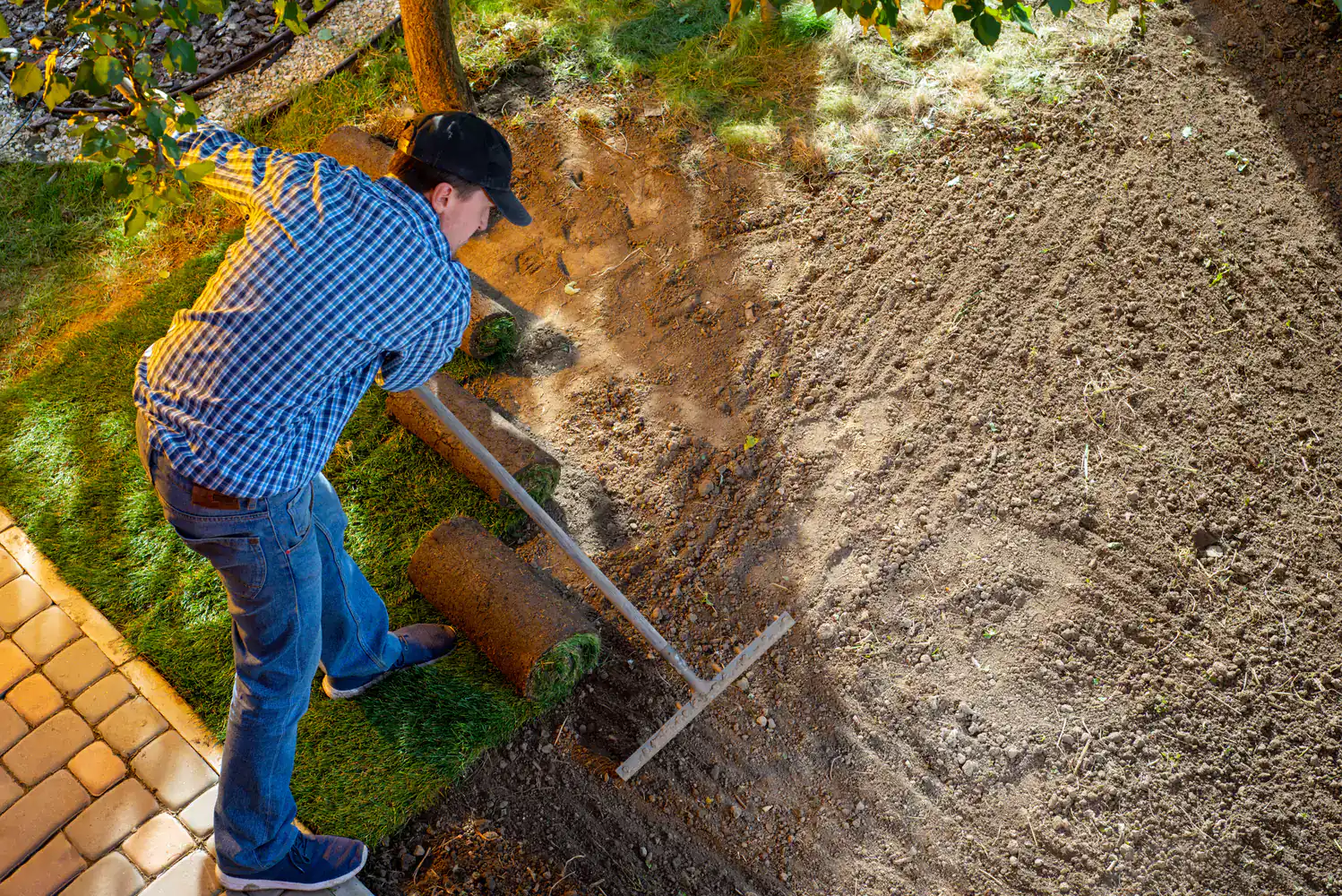
Once we know what we’re working with, we prepare the soil. That can mean lime applications to correct pH, targeted weed and pest elimination, dethatching, or in more severe cases, a full removal of existing turf before we start fresh. This is where a complete lawn renovation separates itself from overseeding we’re not working around the problem, we’re removing it.
Then comes seeding. We use cool-season grass blends suited to Long Island’s climate tall fescue and Kentucky bluegrass mixes that establish well in fall and hold up through the following summer. The ideal renovation window in Coram runs from late August through October, when soil temperatures sit between 60 and 70 degrees and crabgrass competition drops off with the first frost. If you’re reading this during that window, now is the right time to move.

Ready to get started?
We offer the full range of what a Coram lawn might need and that range is wider than most companies can handle. Standard renovation seeding is the starting point, but we also offer new lawn installation from bare ground up for properties where the damage is too deep for seeding alone. If your lawn has been destroyed by grubs, taken over by nutsedge, or neglected to the point where there’s more weed than grass, a full rebuild is sometimes the right call and we have the equipment and experience to do it.
We specifically offer nutgrass and bentgrass control, which tells you something about the level of turf problems we deal with regularly in Coram and the surrounding area. Both are persistent, difficult to eliminate, and common in the sandy, moisture-variable soils found throughout the Coram and Middle Island corridor. Most general landscapers don’t treat them because they don’t have the licensing or the knowledge. We do.
Lime applications, power seeding, soil preparation, and follow-on annual programs for fertilization and weed control are all part of what we bring to a renovation. The goal isn’t just a lawn that looks good in October it’s a lawn that’s still holding in August of the following year, when Coram’s summer heat puts everything to the test.
The most common reason is soil specifically, the sandy, fast-draining, acidic soil that runs through Coram and the surrounding Pine Barrens corridor. This type of ground loses moisture quickly during July and August, which stresses cool-season grasses that haven’t been properly established. When the soil also runs acidic, grass can’t absorb nutrients efficiently even when fertilizer is applied correctly, so the lawn looks underfed and thin regardless of what you put on it.
The other factor we see frequently in Coram is Japanese beetle grub damage. Grubs feed on grass roots just below the surface, and the resulting dead patches are often mistaken for drought stress. Homeowners water more, fertilize more, and reseed but nothing holds because the root system is being eaten from underneath. A proper diagnosis before any renovation work starts is what separates a fix that lasts from another season of disappointment.
Overseeding means spreading new seed over existing turf. It works well when your lawn is mostly healthy but thin in spots maybe 20 to 30 percent bare. Lawn renovation is a different process entirely. It starts with soil preparation, addresses whatever is killing the existing grass, and then seeds into ground that’s been properly conditioned to support new growth. If your lawn is more than half weeds, bare patches, or dead turf, overseeding isn’t going to fix it.
In Coram and throughout Suffolk County, this distinction matters more than in other regions because the underlying soil conditions sandy texture, variable drainage, acidic pH mean that seed placed into unprepared ground has a low chance of establishing well. A renovation that skips soil prep is really just overseeding with extra steps. The lawns we rebuild in Coram hold because we treat the ground first, not as an afterthought.
Late August through October is the window. Soil temperatures during this period typically fall between 60 and 70 degrees Fahrenheit, which is the ideal range for cool-season grass germination. Crabgrass one of the most aggressive competitors for new seedlings dies off with the first frost, so fall-seeded lawns face less competition during establishment. Rainfall patterns in Suffolk County also tend to be more consistent in fall than in summer, which helps new seed stay moist without requiring constant irrigation.
Spring renovation is possible, but it comes with real trade-offs. Crabgrass germinates aggressively in spring and will compete directly with new grass seedlings. Any lawn seeded in spring also has to survive its first summer Long Island’s heat and drought pressure before it’s had a full season to establish. For Coram homeowners, fall renovation produces stronger, more durable results. If you’re in the late August to October window right now, this is the time to act.
Pricing depends on the size of the lawn, the condition it’s in, and what the renovation requires soil preparation, targeted weed or pest treatment, power seeding, lime applications, and whether a full new lawn installation is needed or a renovation seeding program will do the job. For a typical Coram single-family property, renovation work generally runs in the range of several thousand dollars, with larger or more severely damaged lawns running higher.
The more useful way to think about it: a home in Coram is selling for $550,000 or more right now. Property taxes in this area average around $10,000 a year. Curb appeal is a direct factor in buyer perception and resale value, and a lawn that looks neglected works against both. The homeowners who call us aren’t looking for the cheapest option they’ve already tried that. They want a result that holds, and they understand that a properly executed renovation is a one-time investment, not an annual expense.
Yes and this is worth understanding before you hire anyone for renovation work in Coram. Nutsedge, also called nutgrass, thrives in the sandy, moisture-variable soils common throughout Coram and central Suffolk County. It spreads through underground tubers, which means pulling it or mowing over it doesn’t eliminate it. Treating nutsedge requires a licensed applicator using the right chemistry at the right time. If you renovate a lawn without eliminating an active nutsedge problem, it will be back within a season.
Grub damage is similarly specific. Japanese beetle grubs are widespread on Long Island and are one of the leading causes of lawn failure in Coram-area properties. A lawn that has been damaged by grubs needs the grub problem addressed before renovation seeding begins otherwise you’re reseeding into ground that will be destroyed again the following summer. We diagnose both issues as part of our process, and we treat them before a single seed goes down.
In most cases, yes but the approach depends on how far gone it is. A lawn that’s 50 to 60 percent weeds and bare areas is a strong candidate for a complete lawn renovation: soil preparation, weed elimination, power seeding with the right cool-season grass blend for Long Island’s climate. With proper fall timing and follow-up care, those lawns come back dense and healthy within one growing season.
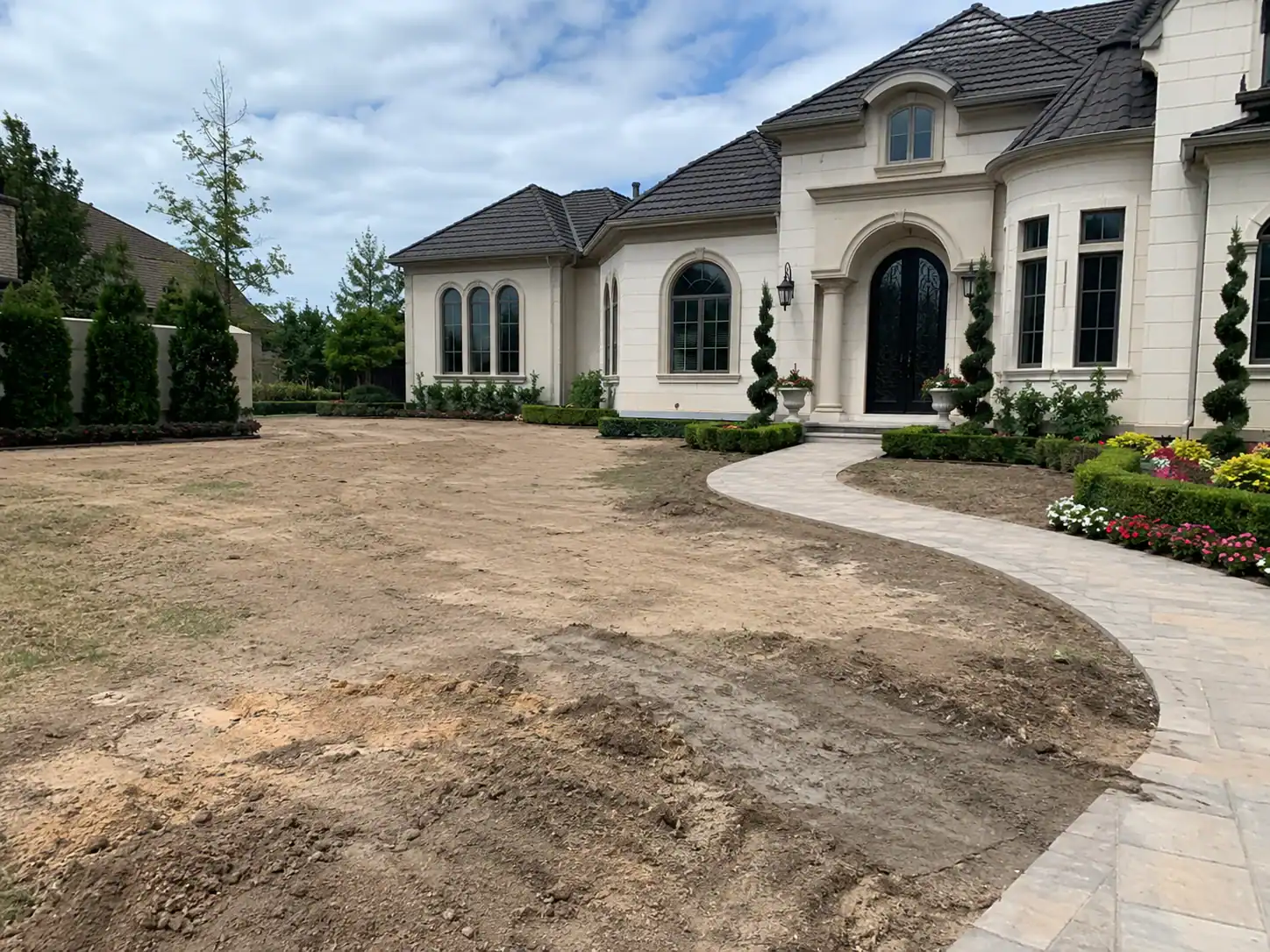
For lawns that are more severely degraded full nutsedge takeover, years of grub damage with compromised soil structure, or ground that’s been so neglected that there’s essentially nothing left to work with a new lawn installation from scratch is sometimes the better path. That means removing everything, regrading where needed, amending the soil, and starting fresh. It sounds more intensive, and it is, but for a Coram property at today’s home values, it’s often the most cost-effective decision long-term. We’ll tell you honestly which situation you’re in after we’ve looked at the property not before.
Useful Links
Other Services we provide in Coram