
Hear from Our Customers
There’s a difference between a lawn that germinates and a lawn that lasts. In Holtsville, the sandy loam soil drains fast, compacts under foot traffic, and dries out hard during July and August. Seed that isn’t matched to those conditions and applied at the right time, in properly prepared soil just doesn’t make it. That’s the real reason most DIY attempts and budget seeding jobs disappoint.
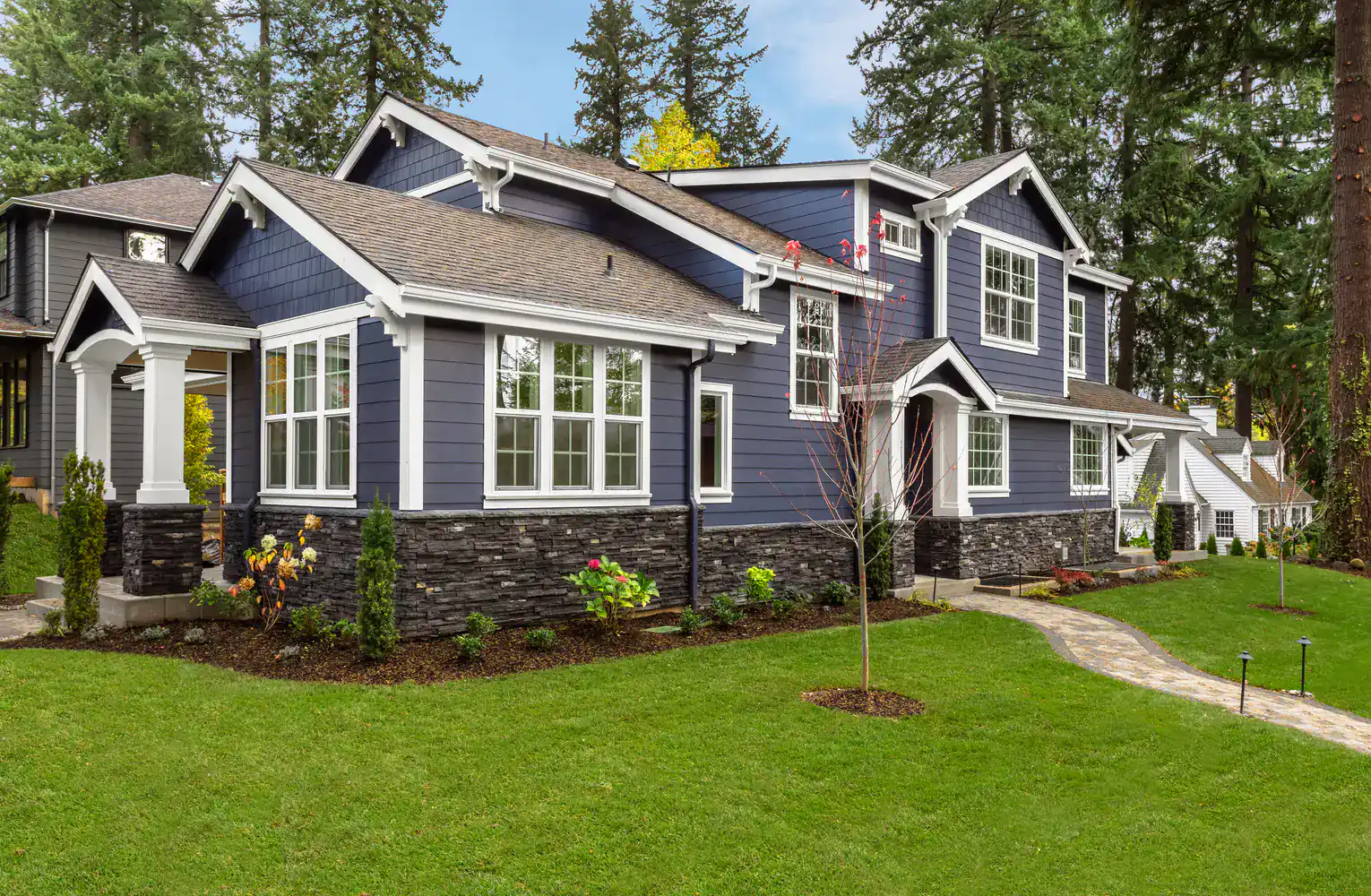
When it’s done right, the difference is visible within a season. You get a lawn dense enough to crowd out weeds on its own, roots deep enough to handle central Suffolk’s summer heat without constant irrigation, and turf that looks like it belongs on a property worth what yours is worth. Homes in Holtsville are selling in the $500,000 to $800,000 range your lawn should reflect that investment, not undercut it.
For homeowners in Summerfield, where individual lawn maintenance is your responsibility and community standards are high, that matters even more. And for anyone who’s moved into a home off Portion Road or near Waverly Avenue and inherited a neglected yard, professional seeding is the fastest path to a lawn you’re actually proud of without the cost or shallow-root problems that come with sod.
We’re a Suffolk County lawn seeding company not a national franchise that assigned your ZIP code to whoever was available. We serve Holtsville alongside the communities that surround it: Holbrook, Farmingville, Medford, Selden, and the broader central Suffolk corridor. That means we already know the soil, the seasonal timing, and the lawn challenges that are specific to this part of Long Island.
We’re fully certified under Suffolk County’s turf management requirements including the professional certification mandated by the county’s fertilizer law. That’s not a formality. It means every seeding and fertilization program we deliver in the 11742 ZIP code is applied by trained professionals who understand the blackout periods, the phosphorus restrictions, and what it actually takes to grow grass responsibly on Long Island.
When you call us, you’re not getting a script. You’re getting a team that’s seeded lawns throughout Holtsville, knows what the soil does in September, and will give you a straight answer about what your lawn needs.
It starts with a real assessment. Before anything goes down, we look at your soil, your existing turf, and what’s actually causing the problem compaction, thin coverage, bare areas, or a combination. Compacted soil is one of the most common issues on Holtsville properties, and it’s the first thing we address. If your lawn needs core aeration before seeding, we’ll tell you because skipping that step is one of the main reasons seeding jobs fail here.
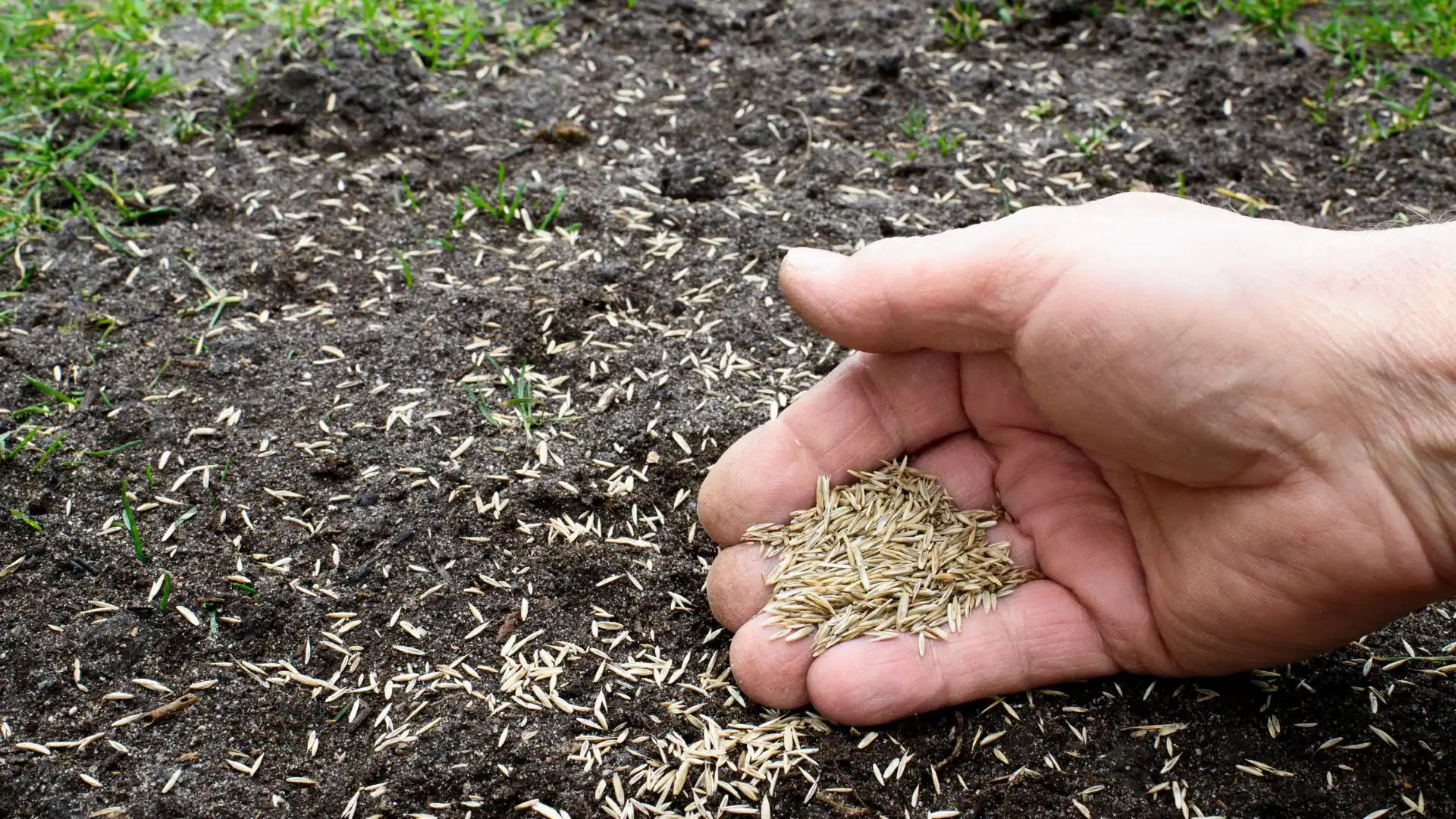
Once the soil is ready, we select the right seed blend for your specific conditions. Tall fescue for drought and heat tolerance through central Suffolk summers. Kentucky bluegrass for density and that premium appearance. Perennial ryegrass where you need fast establishment in bare or thin spots. The blend matters, and so does the rate too light and you get patchy coverage, too heavy and the seedlings compete with each other.
Timing is built around the Suffolk County calendar. The fall window early September through mid-October is when we do the bulk of our seeding work in Holtsville, because soil temperatures are warm, air is cooling, and the grass has the whole fall to establish before winter. Spring seeding is available starting April 1, the day the county’s fertilizer blackout lifts. After the seed goes down, we give you a clear, specific care plan so the work we did actually holds.
Ready to get started?
Our seeding programs cover the full picture not just the seed itself. That includes soil evaluation, surface preparation, certified premium seed application, post-seeding fertilization within the legal Suffolk County window, and a follow-up care guide that tells you exactly what to do in the days and weeks after we leave. You’re not left guessing whether it’s working.
For properties with large bare areas, steep grades, or ground that’s been disturbed by construction or drainage work, we also offer seeding a method that applies seed, fertilizer, and mulch in a single pass for uniform coverage and faster germination. It’s the right tool for the right job, and most Holtsville homeowners dealing with post-renovation or post-construction bare ground will see better results with it than with broadcast seeding alone.
Everything we do here is designed around Suffolk County’s specific regulatory and environmental requirements. The fertilizer blackout runs November 1 through April 1 no exceptions, and violations carry fines up to $1,000. We schedule every program to stay within that window and to protect the groundwater aquifer that Long Island depends on. If you’re in Summerfield or anywhere else in the 11742 area, you can expect a program that’s legal, thorough, and built to produce a lawn that lasts more than one season.
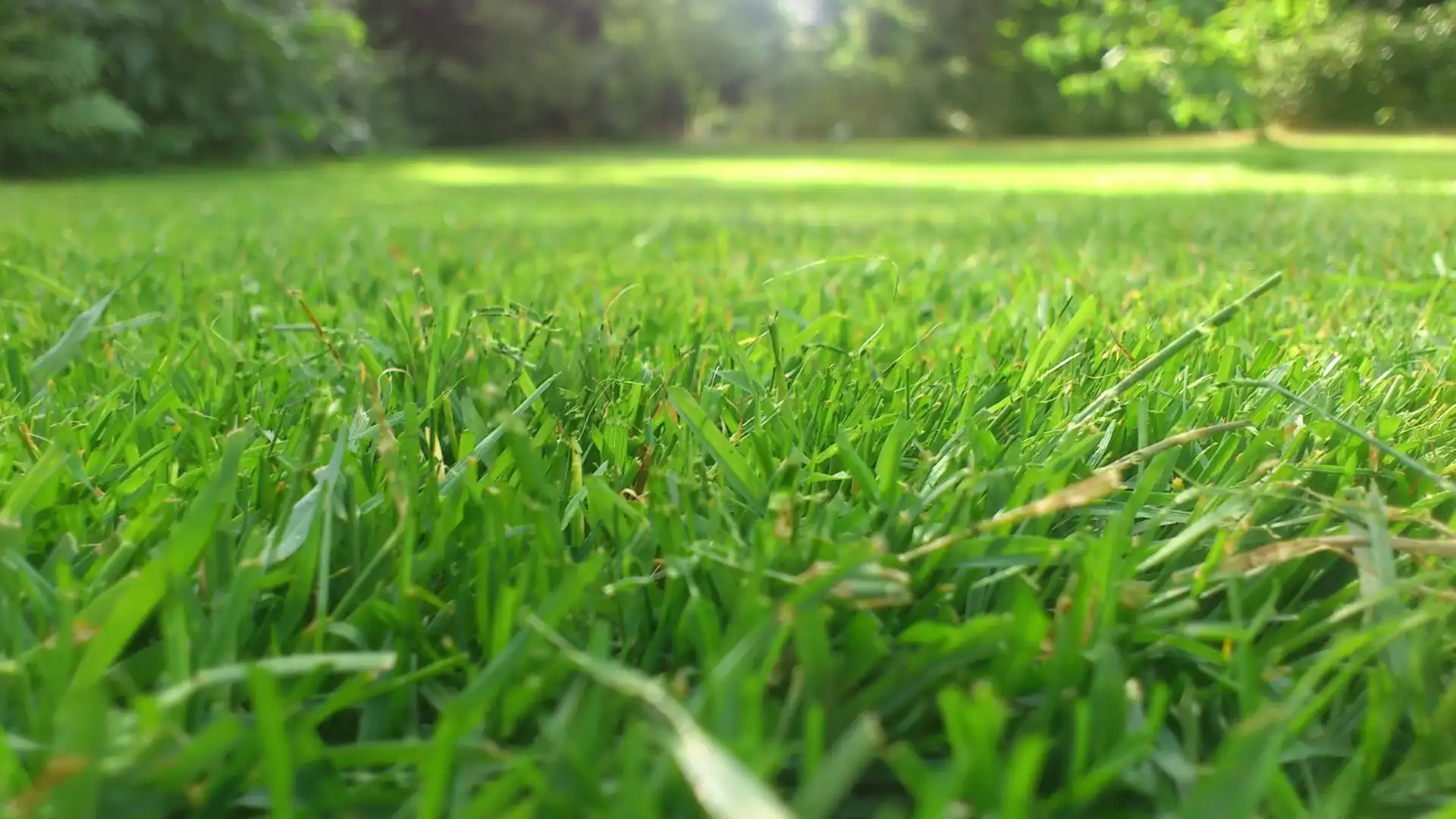
The best time to seed a lawn in Holtsville is early September through mid-October. That’s the fall window, and it’s the most reliable seeding season in central Suffolk County. Soil temperatures are still warm enough to support germination, the air is cooling down, and fall rains typically reduce the irrigation demand on new seed. The grass has the entire fall season to establish a root system before the ground freezes which means it comes back stronger in spring.
Spring seeding is a viable secondary option, starting April 1 when Suffolk County’s fertilizer blackout lifts. The challenge with spring seeding is that you have a shorter establishment window before summer heat arrives, and Holtsville’s sandy loam soils dry out quickly once temperatures climb. It can work, especially for smaller bare spots or thin areas, but fall is consistently the better window for full lawn seeding or major overseeding projects in this area.
For most Holtsville lawns, a blend of tall fescue, Kentucky bluegrass, and perennial ryegrass is the right starting point but the exact mix depends on your specific conditions. Tall fescue is the workhorse for central Suffolk. It handles drought stress, tolerates the heat that hits in July and August, and holds up well in the fast-draining sandy loam that’s common throughout the 11742 area. If your lawn struggles every summer, tall fescue is usually a big part of the answer.
Kentucky bluegrass delivers the dense, dark green appearance that most homeowners are after especially in higher-end communities like Summerfield where curb appeal is a real priority. Perennial ryegrass germinates fast, which makes it useful for bare spots and thin areas that need quick coverage. We match the blend to your specific lawn conditions rather than applying the same mix to every property regardless of exposure, soil depth, or use patterns.
Suffolk County prohibits lawn fertilizer applications between November 1 and April 1 every year. The rule exists to protect Long Island’s groundwater aquifer the sole source of drinking water for the island. When grass is dormant or semi-dormant in winter, it can’t absorb nutrients effectively, and nitrogen applied during that period moves down through the soil and into the aquifer instead of feeding your lawn.
For seeding purposes, this means the fall window closes at the end of October from a fertilization standpoint, and spring programs can’t begin until April 1. Any lawn care company operating in Holtsville legally needs to be certified under the county’s turf management requirements and schedule their programs accordingly. Violations carry fines up to $1,000. When you hire us, every seeding and fertilization program is timed within the legal window not because it’s required, but because it’s also what actually produces the best results for your lawn.
For most Holtsville properties, yes and it’s one of the most important steps in the process. Suffolk County’s sandy loam soils compact easily under foot traffic, mowing, and general wear. When the soil is compacted, seed can’t make proper contact with the soil below the surface, roots can’t develop depth, and water can’t reach the root zone effectively. The result is seed that sprouts but never really establishes which is exactly what most homeowners describe when they say a previous seeding job “didn’t take.”
Core aeration pulls small plugs of soil out of the ground, opening channels that dramatically improve seed-to-soil contact, water infiltration, and root development. When seeding follows aeration, germination rates improve and the grass that comes in has a much better foundation to work from. It’s not necessary on every property if your soil is loose and well-draining, you may not need it but for the majority of established Holtsville yards, aeration before seeding is the step that makes the difference between a lawn that lasts and one that thins out again by the following summer.
The honest answer is: it depends on what you’ve already tried. If you’ve broadcast a bag of store-shelf seed on a thin lawn and it didn’t hold, the issue usually isn’t effort it’s the seed quality, the soil preparation, the timing, or all three. Big-box store seed mixes are often lower-grade varieties that aren’t optimized for Long Island’s climate, and they’re applied without any of the soil prep work that determines whether seed actually establishes.
Professional lawn seeding in Holtsville costs more upfront, but it’s designed to produce a result that lasts. Certified seed blends matched to central Suffolk conditions, proper soil preparation, aeration where needed, and a fertilization program timed within Suffolk County’s legal window that’s a different product than a bag of seed and a broadcast spreader. For homeowners in a market where properties are valued at $500,000 and up, the return on a lawn that actually looks the part is real. And for anyone who’s already spent money on a DIY approach that didn’t hold, one professional job done right is almost always the better investment.
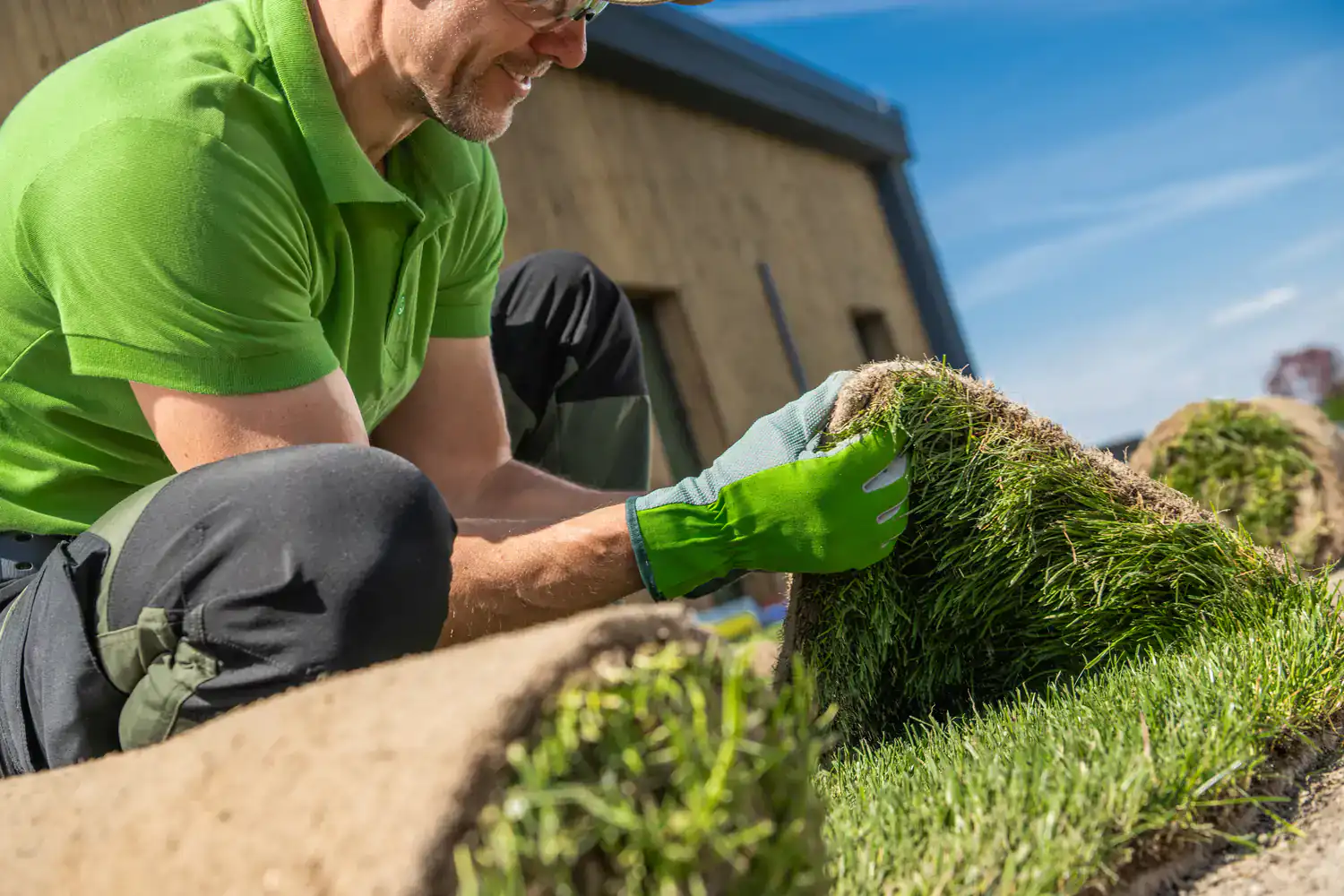
Sod gives you an instant lawn it looks finished the day it goes down. But on Long Island’s sandy loam soils, sod has a real limitation: the root system doesn’t go deep. Sod is grown in a different soil profile than what’s in your yard, and when it’s laid down, those roots have to transition into your existing soil. In Holtsville’s fast-draining, summer-dry conditions, sod that hasn’t rooted deeply can struggle badly once July hits and irrigation can’t keep up.
Seeding takes longer you’re typically looking at a full season before the lawn reaches its final density but the grass that comes in from seed develops its root system directly in your soil from the start. That means better drought tolerance, better long-term density, and a lawn that’s genuinely adapted to your yard rather than transplanted into it. Seeding is also significantly less expensive than sod installation, which matters when you’re covering a full yard. For most Holtsville homeowners who aren’t under a hard deadline, professional seeding is the smarter long-term investment and it produces a result that outlasts sod in central Suffolk’s conditions.
Useful Links
Other Services we provide in Holtsville