Hear from Our Customers
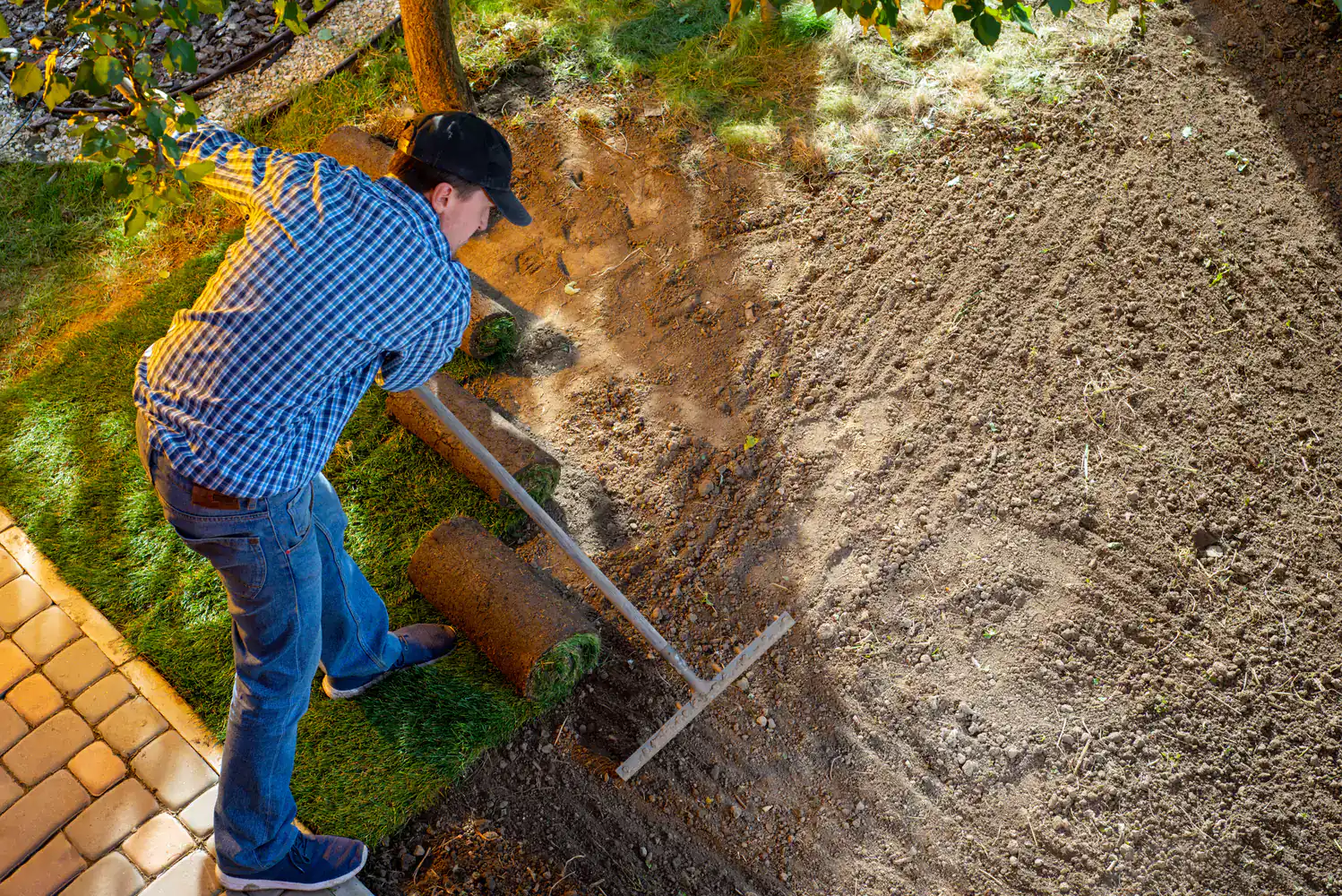
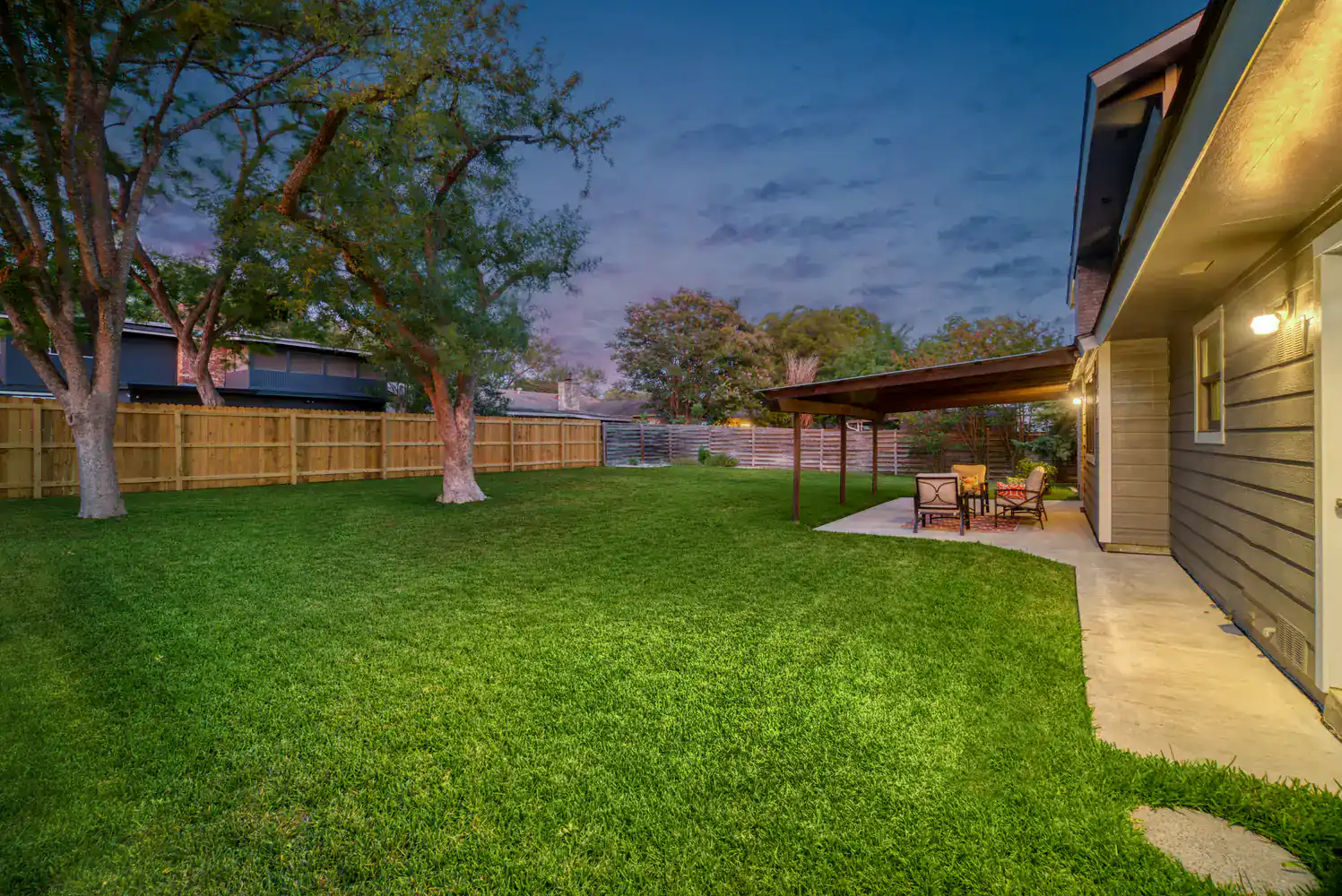
When you’re standing in front of bare, compacted ground after a renovation or a new build, the finish line feels far away. But when the job is done right, you don’t just get grass you get a property that finally looks complete. The deck, the fence, the new addition all of it looks better when the ground around it isn’t raw dirt.
For Holtsville homeowners, that outcome takes a little more work to get right. The soils in this part of central Suffolk County sit on glacial outwash sandy, fast-draining, and nutrient-poor. Seed thrown on unprepared Holtsville ground without addressing what’s underneath will germinate weakly, thin out by midsummer, and leave you starting over. The right installation accounts for that from the beginning.
Most homes here were built in the 1970s and 1980s, and the ground reflects it decades of compaction, drainage quirks, and soil that’s been disturbed more than once. A professional new lawn installation in Holtsville isn’t just about putting seed down. It’s about building a foundation the grass can actually grow from, so the investment you’ve made in your property holds up.
We’re based in Port Jefferson Station and have been doing new lawn installations across Suffolk County since the mid-1980s. That means we’ve worked in the same sandy central Suffolk soils that define Holtsville, through the same hot Long Island summers, on the same aging housing stock that characterizes this area. We know this landscape because we’ve been working in it for nearly four decades.
We’re not a general landscaping company. We don’t mow routes or run fertilization programs. New lawn installation and renovation is what we do it’s the whole business. That focus matters when your job involves bare ground, grading corrections, soil prep, and getting the establishment right the first time.
Holtsville homeowners finishing a renovation or rebuilding a backyard aren’t calling us for a quote on weekly cuts. They’re calling because they want the lawn done correctly, by someone who’s done it hundreds of times in this exact environment.
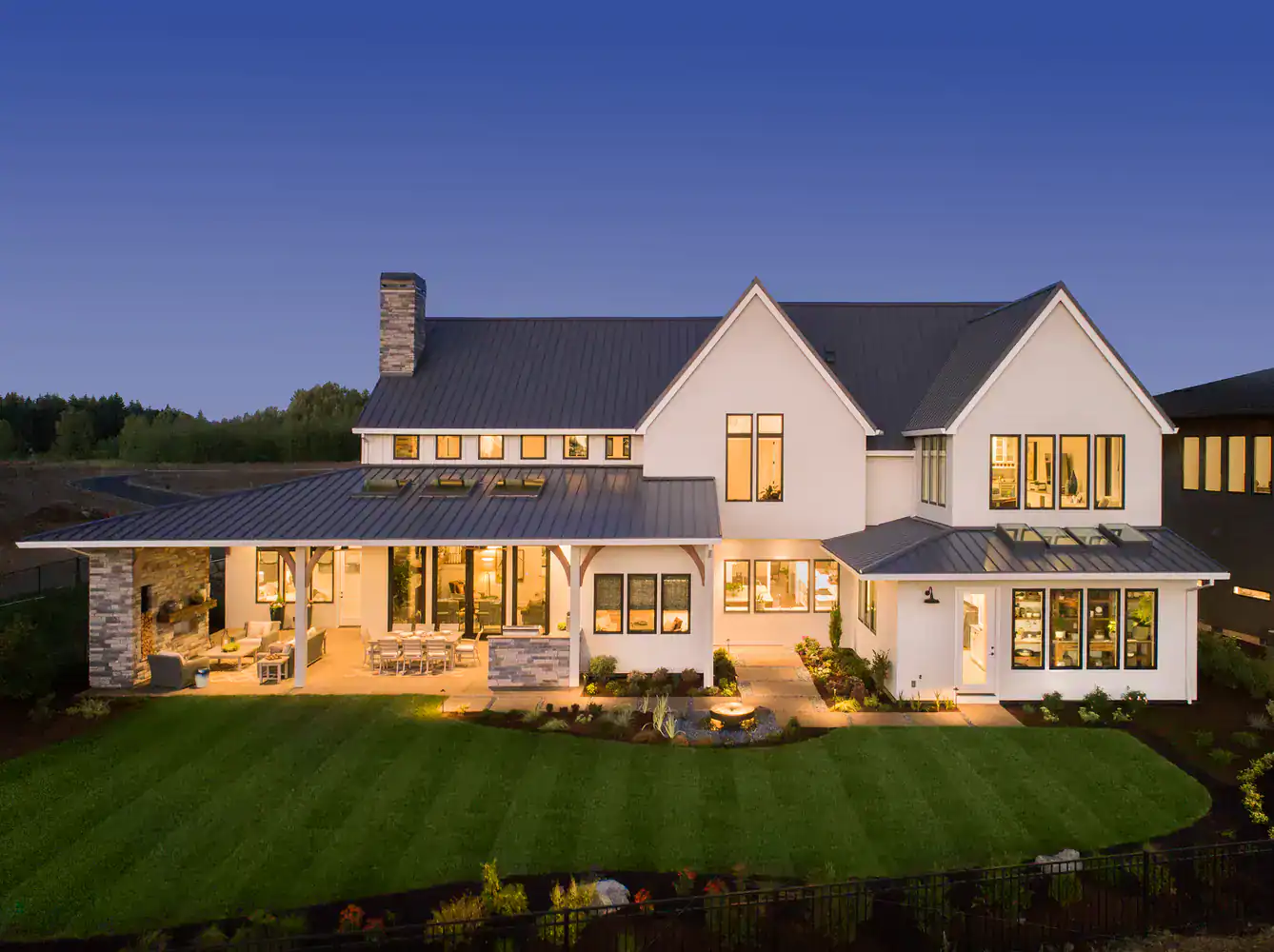
It starts with a site assessment. Before anything goes into the ground, we look at what’s already there soil condition, drainage patterns, grade, and what the previous project left behind. Heavy equipment from a renovation compacts soil in ways that seed can’t push through. Construction debris gets buried. Drainage gets redirected. We identify those problems before they become your problem after installation.
From there, we address soil preparation. In Holtsville, that typically means amending the sandy outwash base with quality topsoil and organic material to build a root zone that actually holds moisture and nutrients. If your property falls within the Town of Brookhaven’s jurisdiction which most of Holtsville does we work within the grading standards that apply, including the 5% grade requirement within 25 feet of a structure. That’s not paperwork for its own sake; proper grading is what keeps water moving away from your foundation and your lawn draining correctly.
Once the ground is ready, we select the right cool-season grass blend for your specific site sun exposure, foot traffic, and soil conditions all factor in. Timing matters too. The best window for new lawn installation in Holtsville is late August through October, when soil temperatures support germination and the cooler air reduces stress on new growth. We finish every installation with a complete establishment plan watering schedule, mowing timing, and what to expect in the first 60 days so the work we’ve done actually holds.
Ready to get started?
New lawn installation isn’t one-size-fits-all, and in Holtsville it especially isn’t. The approach depends on what you’re starting with post-construction subsoil stripped of its topsoil, a backyard torn up by renovation equipment, or a property that’s simply been neglected long enough that there’s nothing worth saving. Each of those scenarios requires a different level of ground preparation, and we assess yours specifically before recommending a method.
For most Holtsville properties, seed-based installation either conventional or seeding delivers the best long-term result. Seeding distributes seed, fertilizer, and a protective mulch layer in a single application, which works particularly well on larger bare areas or slopes where erosion is a concern. Sod is also available when your timeline requires faster visible results, though it comes at a higher cost and still requires proper soil preparation underneath to establish correctly. We’ll tell you honestly which method fits your property and your goals not which one’s easiest for us.
Every installation includes soil assessment, topsoil and amendment work where needed, seed or sod installation matched to your site conditions, and a full establishment guide you can actually use. If your property is in the portion of Holtsville that falls under Islip Town jurisdiction rather than Brookhaven, we know the applicable codes for that side of the hamlet too. After 38 years of new lawn installation across Suffolk County, navigating both is routine.
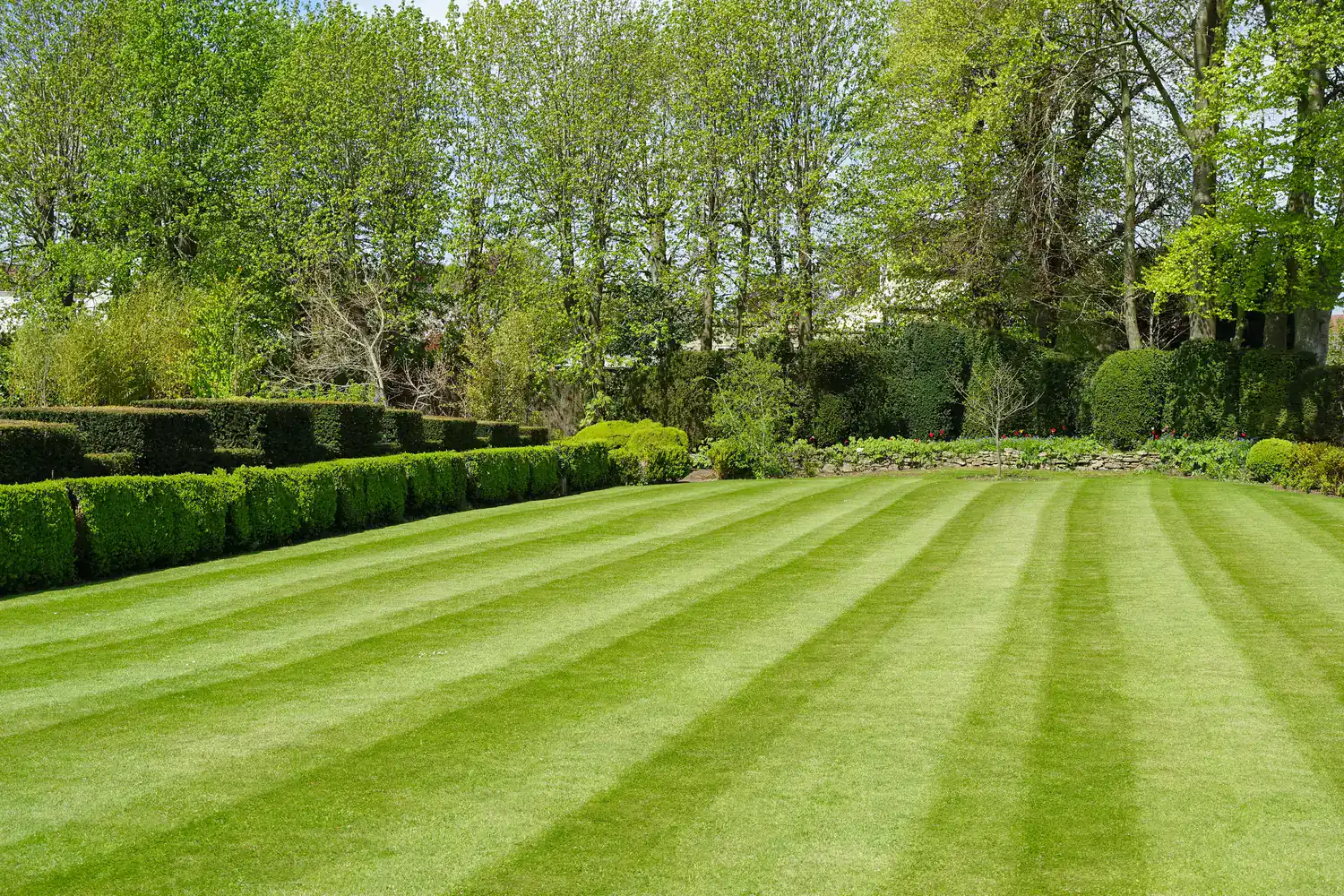
For cool-season grasses which is what performs best in Holtsville and across central Suffolk County late August through October is the optimal window. Soil temperatures are still warm enough to support germination, but the air has cooled enough that new seedlings aren’t fighting summer heat stress before they’ve had a chance to root. That combination gives your lawn the best possible start.
Spring installations are possible, but they come with real trade-offs. Weed competition is higher in spring, and if the lawn isn’t fully established before summer heat arrives, you’re at risk of losing progress you’ve already paid for. If you’re wrapping up a renovation project this summer, the right move is to plan for a fall installation rather than rushing into a spring job that’s harder to get right. Most of the successful new lawn installations we complete in Holtsville are fall projects and that timing is a big part of why they succeed.
Yes and this is one of the most common places homeowners in Holtsville run into trouble. Holtsville sits on central Suffolk County’s glacial outwash soils, which are sandy, fast-draining, and naturally low in organic matter. That means water and nutrients move through the root zone quickly, and grass planted directly into unprepared Holtsville ground often struggles to establish, especially through a dry summer.
Before any seed goes down, we assess the existing soil and determine what amendments are needed. That typically means adding quality topsoil and organic material to build a root zone that holds moisture and supports early root development. If the site has been disturbed by construction or renovation equipment, we also address compaction which is a separate problem from soil quality and one that’s extremely common on older Holtsville properties that have been through multiple renovation cycles. Skipping soil prep to save money upfront almost always costs more in the long run.
It depends on your timeline, your property, and your budget and there’s no single right answer. Sod gives you an immediately visible result, which matters if you’re preparing to list your Holtsville home in a competitive market where houses move quickly. But sod is significantly more expensive than seed-based installation, and it still requires proper soil preparation underneath to root correctly. Sod laid on compacted or nutrient-poor ground will fail just as surely as poorly prepared seed.
Seed-based installation, including seeding, produces a lawn that develops its root system in place rather than being transplanted. That typically means stronger, deeper roots over time and for most Holtsville properties where the timeline isn’t urgent, it’s the better long-term investment. We’ll walk you through both options honestly based on your specific site, your goals, and what the ground is actually starting with. The method we recommend will be the one that makes sense for your property, not the one that’s faster for us to complete.
It depends on the scope of the work and which part of Holtsville your property is in. Most of Holtsville falls under Town of Brookhaven jurisdiction, with the southwestern portion under Islip Town. For routine new lawn installation topsoil, seed, and standard grading a permit is typically not required. But if the project involves significant regrading, drainage modification, or work near a wetlands buffer, Brookhaven’s Chapter 35 grading standards and Chapter 81 wetlands regulations may apply.
Brookhaven Town requires that yards maintain a grade of no more than 5% within 25 feet of a structure, and any grading work that alters drainage patterns significantly can trigger additional review. If your property is near Mott’s Pond or another water feature in the area, wetlands proximity is worth checking before work begins. We’ve been working within both Brookhaven and Islip Town codes for 38 years, so we know what requires a permit and what doesn’t and we make sure the installation is compliant from the start.
The cost of a new lawn installation in Holtsville varies depending on the size of the area, the condition of the existing ground, and the method used seed, seeding, or sod. For a typical single-family property in Holtsville, a seed-based or seeding installation with proper soil preparation generally runs in the range of $3,000 to $7,000. Sod installation costs more, often landing between $5,000 and $12,000 or higher depending on square footage and site conditions.
What drives cost more than anything else is what the ground needs before installation begins. A post-construction site with stripped topsoil and compacted subsoil requires more prep work than a property that just needs a fresh start after years of neglect. That’s why we assess your specific site before quoting so the number you get reflects what your job actually requires, not a generic estimate that changes once work starts.
For a fall installation in Holtsville which is the recommended timing for cool-season grasses you’ll typically see germination within 10 to 21 days depending on soil temperature and moisture. By the time the lawn goes dormant for winter, you’ll have visible coverage. The following spring, the lawn breaks dormancy with an established root system already in place, and by early summer of the first year, most Holtsville properties have a lawn that looks and performs like it’s been there for years.
The first 60 days after installation are the most critical. Watering consistency, avoiding foot traffic, and holding off on the first mow until the grass reaches the right height all make a real difference in how the lawn establishes. We give every Holtsville installation a complete establishment guide that covers exactly what to do and when during that window. The goal isn’t just to get grass to grow. It’s to get it to root deeply enough that it handles Holtsville’s hot summers and stays thick through the following seasons without needing to be redone.
Useful Links
Other Services we provide in Holtsville