Hear from Our Customers
Most people who call us have already tried something else. Maybe it was a national franchise that sent a different person every visit. Maybe it was a local crew that looked fine on paper but never really moved the needle. Either way, you’re here because the lawn still isn’t where you want it and you’re done wasting a season finding that out the hard way.
Here’s what changes when the program is actually built for your lawn: the thin patches fill in, the weeds stop winning, and the color holds through the summer heat instead of fading out by July. For Blue Point properties near the Great South Bay, that matters more than most people realize. Sandy, fast-draining soil along the South Shore leaches nutrients quickly meaning a generic fertilizer schedule leaves your lawn underfed for weeks at a time without you ever knowing it.
There’s also the bay to think about. What goes on your lawn eventually moves through the ground and into the water. A licensed professional who understands Suffolk County’s fertilizer regulations the blackout periods, the buffer zone requirements, the phosphorus restrictions isn’t just protecting your lawn. We’re protecting the water your neighborhood is built around. That’s not a small thing in a community like Blue Point.
We’ve been treating lawns in Suffolk County since 1987. Not 1987-ish. 1987. That’s four decades of learning exactly how Long Island’s soil behaves, what grub pressure looks like in a hot summer, and what it takes to keep a South Shore lawn healthy when the humidity climbs and the heat lingers. We serve Blue Point and the surrounding Bayport-Blue Point area regularly, and we know this neighborhood’s specific challenges.
Every technician who steps onto your property holds a valid NYS DEC Commercial Pesticide Applicator Certificate. That’s not a formality it’s a credential that requires real training, a state exam, and supervised field experience. You won’t find unlicensed laborers on our crew. You’ll find people who actually know what they’re looking at when they walk your lawn.
We serve the Bayport-Blue Point community and surrounding areas throughout Suffolk County. If you’ve seen our trucks in the neighborhood five fully wrapped rigs that are hard to miss you already know what kind of operation we run. That same standard shows up in every yard we touch.
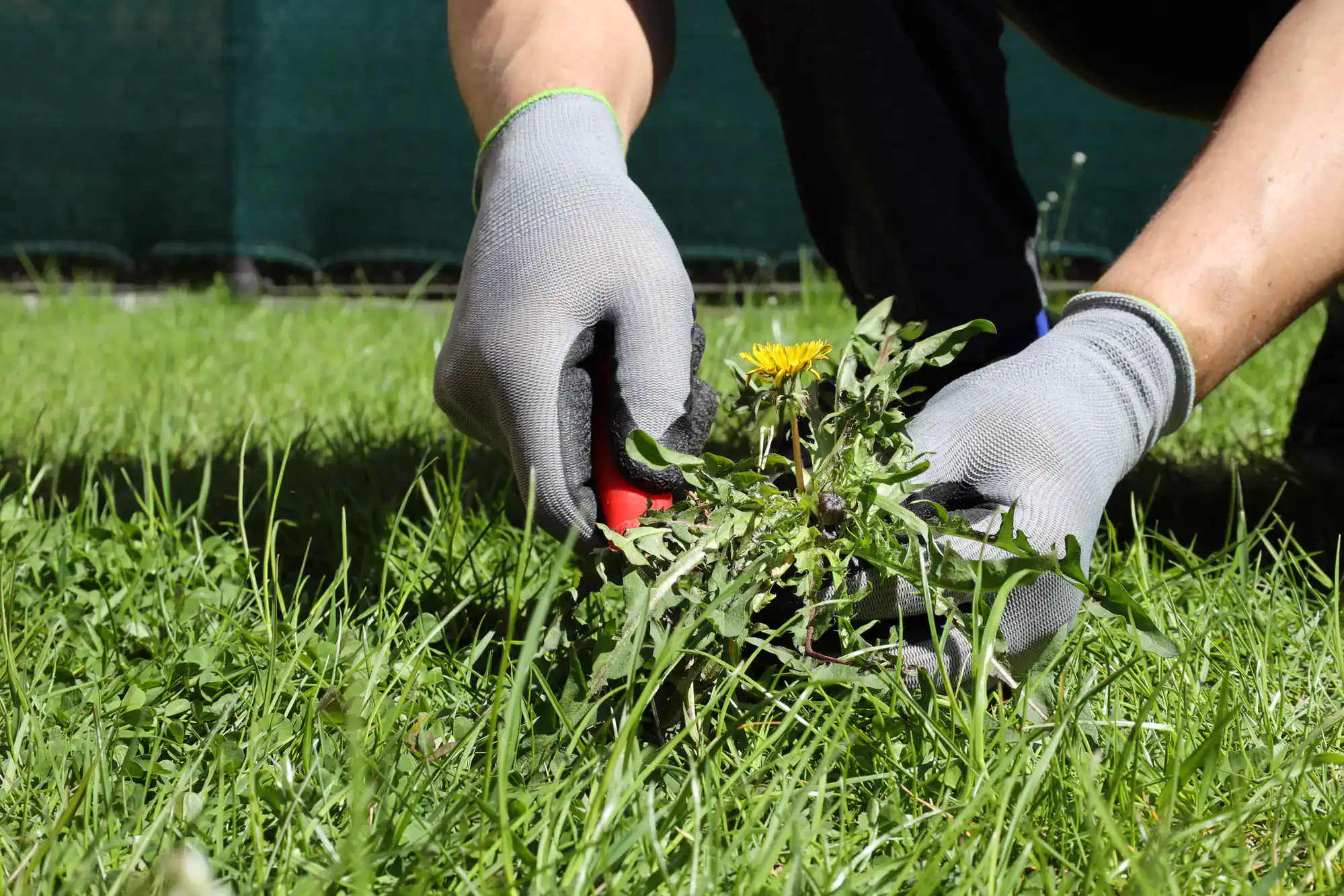
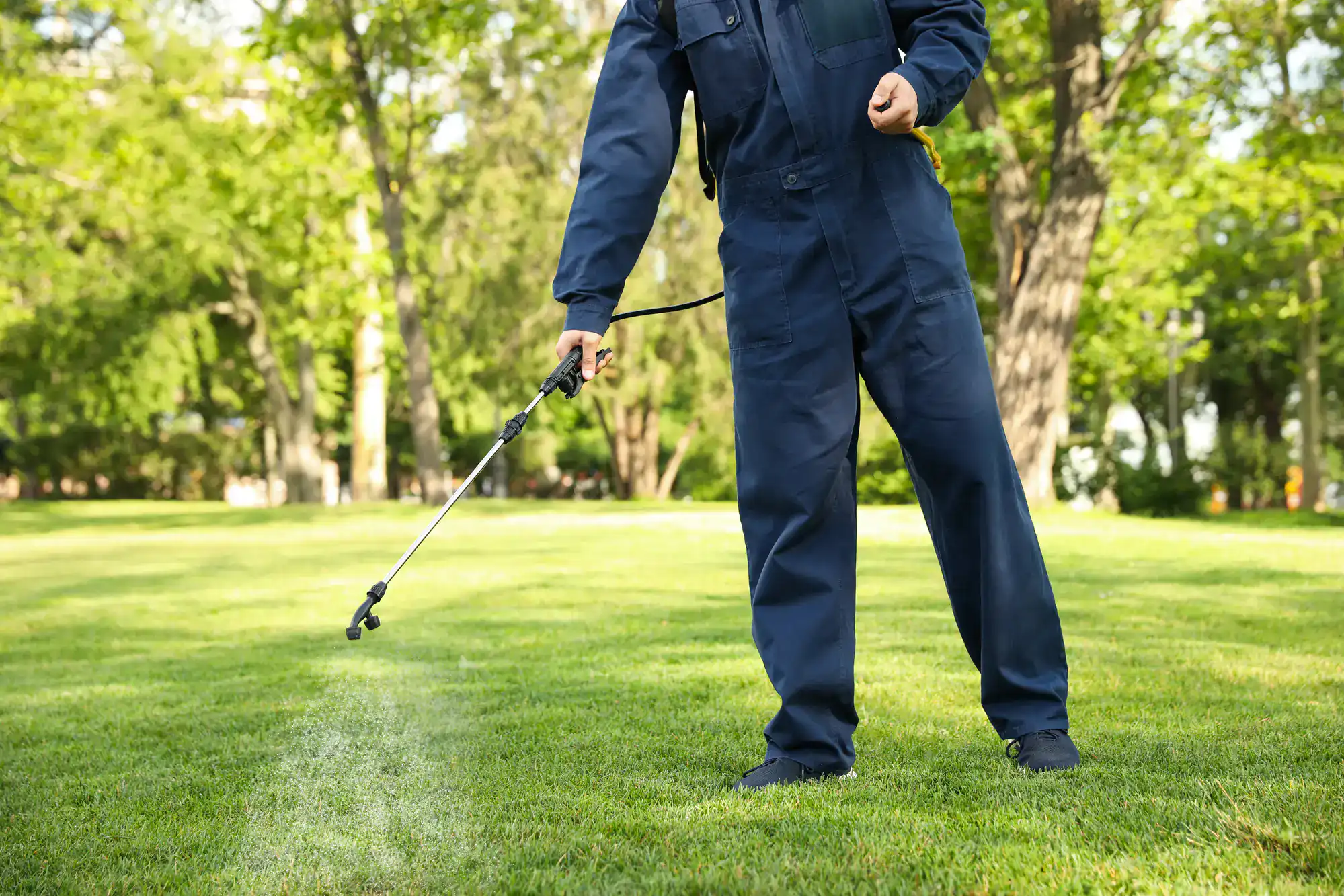
It starts with a real look at your lawn not a glance from the truck window. We assess your turf type, sun exposure, soil conditions, and any existing issues like thin coverage, weed pressure, or signs of past grub damage. Blue Point lawns near the water tend to have sandier soil with lower organic matter, and that changes how we approach fertilization and timing. That assessment shapes everything that follows.
From there, we build a program specific to your property. The fertilizer we use isn’t pulled off a shelf at a wholesale distributor it’s custom-blended for our programs and calibrated for Long Island’s soil. Applications are scheduled around Suffolk County’s fertilizer blackout period, which runs November 1 through April 1, so you’re never at risk of a violation or an out-of-season application that does more harm than good.
If your lawn needs more than maintenance if there’s real damage to address or bare areas to restore we have the equipment to handle it. Our hydraulic aerators penetrate compacted ground at depths that rental-grade machines can’t reach, and our professional seeders give new grass the seed-to-soil contact it needs to actually take. You’ll know what was done after every visit, and you’ll see the difference by the end of the season.
Ready to get started?
The lawn care program your neighbor in Holbrook or Centereach is running isn’t necessarily right for your property. Blue Point sits on the South Shore, directly adjacent to the Great South Bay, and that geography creates conditions that an inland program simply isn’t designed for. Sandy, low-organic soil. Elevated humidity through July and August. Fungal disease pressure brown patch especially that shows up fast when nighttime temperatures stay high. And Suffolk County fertilizer regulations that carry real consequences when they’re ignored.
Every program we build for Blue Point homeowners accounts for all of it. We handle fertilization, weed control, grub prevention, aeration, overseeding, and full lawn restoration for properties that need a harder reset. Our custom-blended fertilizer is formulated specifically for Long Island soil not a generic product applied at a standard rate regardless of what your lawn actually needs. And because we operate fully within Suffolk County’s regulatory framework, you don’t have to worry about blackout period violations or buffer zone issues near the bay.
If you’ve been running on a program that wasn’t producing results, or if you’ve never had a real lawn care plan in place, this is where that changes. We work with lawns in all conditions from healthy turf that just needs consistent professional care to neglected properties that need to be rebuilt from the ground up.
Yes and it’s worth understanding before you hire anyone. Suffolk County has some of the strictest fertilizer regulations in New York State, and Blue Point’s proximity to the Great South Bay makes compliance especially important here. There’s a hard blackout period from November 1 through April 1 during which nitrogen and phosphorus fertilizers cannot be applied to turf. Violations carry fines of up to $1,000 per application. Beyond the blackout, there are phosphorus restrictions, slow-release nitrogen requirements, and buffer zone rules that prohibit fertilizer application within 20 feet of water bodies and storm drains.
For properties near the bay or its tidal areas, those buffer zone rules are directly applicable not hypothetical. Any company you hire should be building their program around these regulations automatically, not treating them as an afterthought. Every program we build is designed from the ground up to comply with Suffolk County’s fertilizer law, so you’re never exposed to a fine or unknowingly contributing to runoff that affects the water your community is built around.
The honest answer is that most lawns in Suffolk County need both but the priority depends on what’s going on beneath the surface. If your lawn looks thin, struggles to recover after dry spells, or drains poorly after rain, compaction is likely part of the problem. Compacted soil limits root depth, reduces water infiltration, and makes fertilizer less effective because nutrients can’t move through the soil profile the way they should. Aeration breaks that cycle by pulling cores from the ground and opening up channels for air, water, and nutrients to reach the root zone.
On Long Island’s sandy South Shore soils, compaction might seem less obvious than in clay-heavy areas but decades of foot traffic, mowing, and general use compact even sandy ground over time. Once we assess your lawn, we can tell you whether aeration is the missing piece or whether a corrected fertilizer program alone will move the needle. In many cases, combining aeration with overseeding in the fall produces the most visible improvement of anything we do all season.
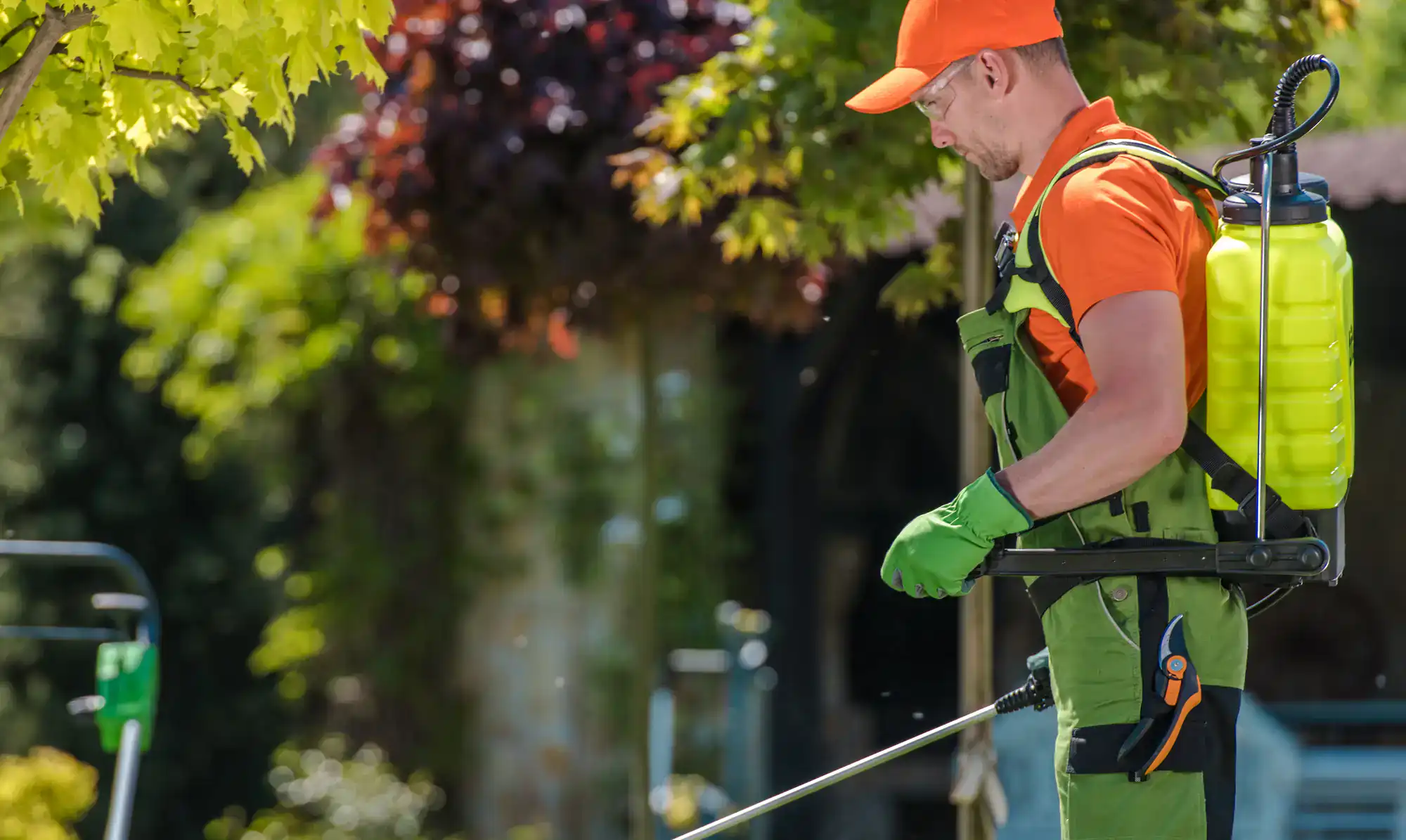
In New York State, any business that commercially applies pesticides including weed control and grub treatments is required by law to hold a valid NYS DEC Commercial Pesticide Applicator Certificate. That credential requires 30 hours of training, a state examination, and two years of supervised experience. It’s not a rubber stamp. The problem is that many lower-cost operators send unlicensed laborers to do the actual work, with a single license holder on paper who may never visit your property.
For you as a homeowner, that gap has real consequences. An unlicensed applicator may not know correct product rates, application timing, or how to identify what your lawn actually needs versus what’s on a standard route schedule. In a community like Blue Point where what goes on your lawn can reach the Great South Bay through groundwater and runoff the difference between a calibrated professional and someone guessing at rates isn’t just a quality issue. Every technician who treats your lawn holds their own valid license. That’s the standard, not the exception.
That depends on where your lawn is starting from. If you have a lawn that’s been on a consistent program and just needs better execution, you’ll notice improvements within the first full treatment cycle usually within a few weeks of the first application. Color improves, weed pressure drops, and the turf starts responding the way it should. If your lawn has been neglected, damaged by grubs, or struggling for multiple seasons, realistic expectations are a full growing season to see meaningful recovery, with the most significant changes coming after fall aeration and overseeding.
On the South Shore, the fall window is the most important treatment period of the year for cool-season turf. September and October are when soil temperatures are ideal for seed germination and root development, and a well-executed fall program aeration, overseeding, and a properly timed winterizer application before the November 1 blackout sets the lawn up for a noticeably stronger spring. If you’re starting in the middle of summer, we’ll stabilize what’s there and build toward a strong fall push. Results compound over time when the program is consistent and actually calibrated to your lawn.
In most cases, yes though it depends on the extent of the damage and what caused it. A lawn that’s been overtaken by weeds is usually a lawn where the turf itself was weakened first by compaction, poor nutrition, grub damage, or disease and weeds moved in because nothing healthy was competing with them. Treating the weeds without addressing the underlying cause just creates a cycle where they keep coming back. A real restoration program identifies the root issue, corrects it, and then rebuilds the turf through aeration, overseeding with the right grass varieties for Long Island’s cool-season climate, and a properly sequenced fertilization plan.
Bare patches from grub damage are common in Suffolk County and show up frequently in Blue Point and the surrounding South Shore communities after a bad summer. Grubs feed on root systems from late summer into fall, and the damage often doesn’t become fully visible until the following spring. If that’s what you’re dealing with, we can assess the extent of the damage, apply corrective treatment, and reseed the affected areas using professional hydraulic seeders that give new grass the best possible start. Full restoration from seed is something we do regularly it’s not a special service, it’s part of what we’re built to handle.
The core difference is accountability and local knowledge two things that national franchise models structurally struggle to deliver. A franchise routing calls through a regional office and managing a high-volume route schedule isn’t set up to notice that your lawn near the bay has sandier soil than the property three streets over, or that your shaded backyard needs a different program than your sun-exposed front lawn. You get a technician on a schedule, not a professional assessing your specific property.
We’ve been operating in Suffolk County since 1987. That’s not a marketing number it means the people treating your lawn have seen how Long Island turf behaves across drought years, grub cycles, and disease outbreaks. We know the South Shore’s seasonal timing, we know the county’s fertilizer regulations inside and out, and we know what a Blue Point lawn actually needs versus what a generic program assumes. The Nextdoor posts asking for alternatives to national chains in this area aren’t a coincidence they reflect what happens when a high-volume national operation meets a community that expects real results. We’re not the largest company serving Blue Point. We’re the most invested in getting it right.
Useful Links
Other Services we provide in Blue Point