
Hear from Our Customers
Most Coram homeowners don’t have a grass problem. They have a soil problem. The land here sits at the edge of the Long Island Pine Barrens, and that geography shows up in your yard sandy, fast-draining, and naturally acidic. When nutrients can’t stay in the soil long enough to feed the grass, no amount of seed or fertilizer from a bag is going to change that. That’s the root of most lawn damage in Coram, and it’s exactly where restoration has to start.
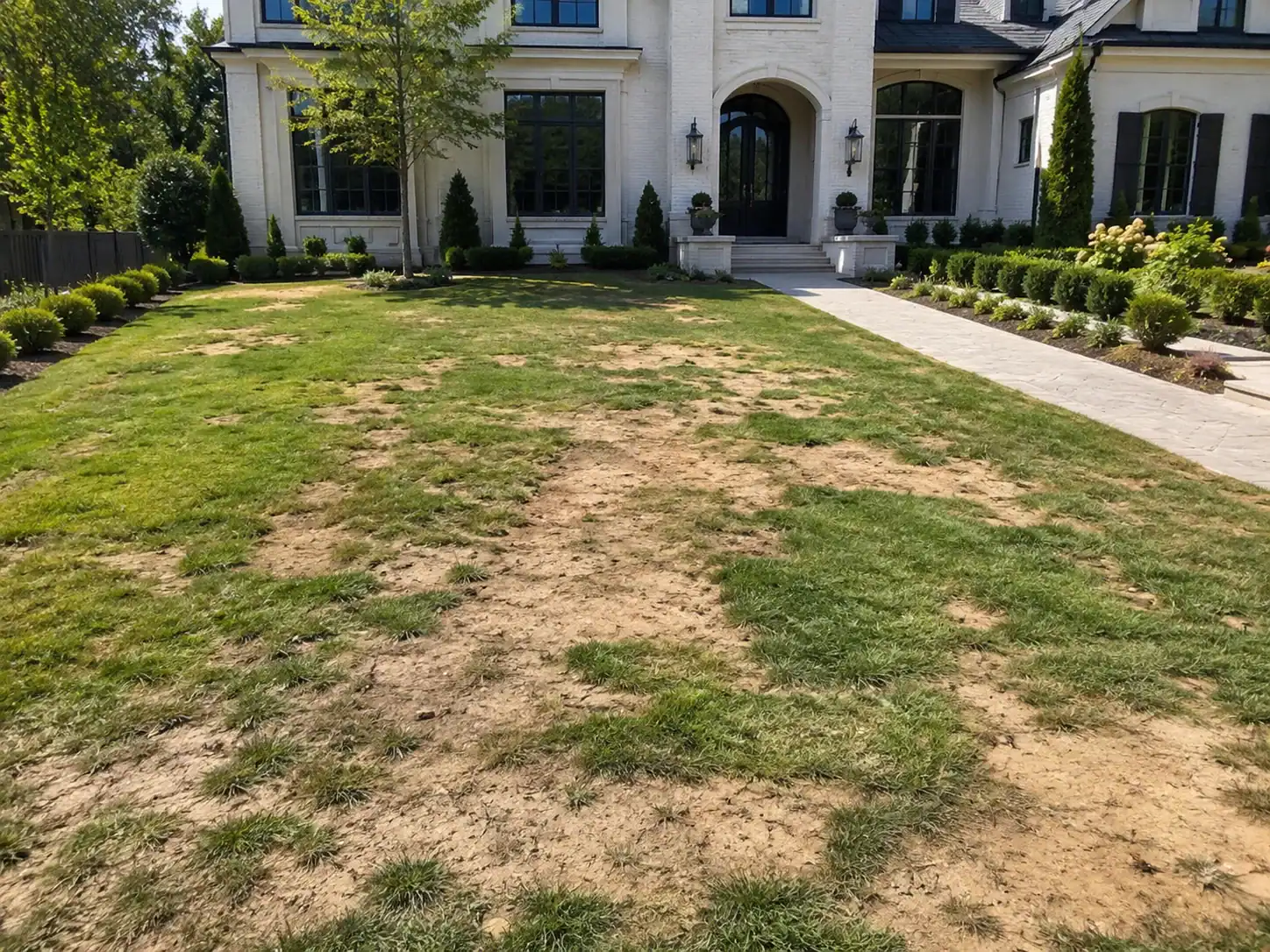
Once the soil is corrected and the grass has what it needs to anchor and grow, the difference is visible fast. Bare patches fill in. Thinning areas thicken. The lawn stops going dormant every July when the heat hits and the sandy ground dries out in days. For families in Coram especially those with kids who actually use the yard that kind of recovery isn’t just cosmetic. It’s the lawn finally working the way it should.
Restoration also protects what you’ve invested in your property. Median home values in Coram have nearly tripled since 2000. A lawn that looks neglected doesn’t do your curb appeal any favors, and it doesn’t reflect the neighborhood you chose to live in.
We’ve been restoring lawns across Suffolk County for 38 years, and we work regularly throughout central Suffolk County, including Coram, Selden, and Centereach. That’s not a marketing number it means we’ve worked through droughts, grub cycles, disease outbreaks, and every kind of turf damage this climate produces. We hold a current NYS license for pesticide and fertilizer application, which matters in Suffolk County, where environmental regulations around the sole-source aquifer are among the strictest in New York State.
We know what Coram’s Pine Barrens-adjacent soils look like, and we know the difference between a lawn that needs restoration and one that needs a full rebuild. That distinction matters and we’ll always give you an honest answer about which one you’re dealing with before any work begins.
It starts with a proper assessment not a sales pitch. We look at what’s actually going on with your lawn: the soil composition, pH levels, thatch buildup, signs of grub damage, compaction from foot traffic, or drought stress patterns common to Coram’s fast-draining soils. If the pH is off, nutrients are locked up underground and your grass can’t access them no matter what’s applied on top. That step alone changes everything about how the restoration is built.
From there, we correct the soil first lime application, organic matter, whatever the test shows your ground needs. Then we use slice seeding, which cuts narrow grooves directly into the soil and places seed at the right depth for germination. Broadcasting seed over the surface of Coram’s sandy ground is largely a waste slice seeding is the professional standard because it actually works here.
Fall is the best window for restoration on Long Island. Soil temperatures are still warm enough for germination, weed competition drops off, and the cooler air gives new grass the conditions it needs to establish before winter. If your lawn took a hit this past summer, late August through October is when you want to move. We’ll walk you through the timeline and set honest expectations before we start anything.
Ready to get started?
Lawn restoration is not the same as lawn renovation. Restoration means bringing your existing lawn back to health repairing what’s there without tearing it out and starting over. For most Coram homeowners dealing with thinning turf, bare patches, drought damage, or grub-related root loss, restoration is the right call. It’s less disruptive, faster to results, and more cost-effective than a full rebuild. If we assess your lawn and find that the damage is too extensive for restoration to hold, we’ll tell you and we can point you toward our renovation page for what that process looks like instead.
Every restoration program through us includes soil testing and correction as a foundational step, not an optional add-on. In Coram, where soils skew acidic and sandy due to the Pine Barrens influence, that step isn’t negotiable it’s the difference between a result that lasts and one that fades by the following summer. Slice seeding, overseeding, and targeted fertility programs are built around what your specific soil test reveals, not a generic package applied to every yard on the block.
We also operate in full compliance with Suffolk County’s fertilizer and pesticide regulations protecting the county’s sole-source aquifer while delivering real results. When you’re ready to get a clear picture of what your lawn needs, the first step is an estimate.
Restoration means bringing your existing lawn back to a healthy, functional state repairing damaged areas, correcting the soil, and filling in thin or bare spots without removing what’s already there. Renovation is a full rebuild: the existing lawn is killed off or stripped down, and the turf is re-established from scratch. For most Coram homeowners, restoration is the right starting point.
The distinction matters because the approach, timeline, and cost are completely different. A lawn that’s thinning due to drought stress on sandy soil, compaction from backyard foot traffic, or a grub problem that’s since been treated that’s a restoration candidate. A lawn where more than 50% of the turf is dead, diseased beyond recovery, or was never properly established in the first place that’s more likely a renovation. We assess your lawn first and give you a straight answer on which one applies before any work starts.
In most cases, yes it can be saved. What looks like a dead lawn is often a stressed or dormant one, especially in Coram where the sandy, fast-draining soils dry out quickly during summer heat. Grass that’s gone brown and thin from drought stress may still have viable root systems underground. The same goes for lawns that thinned out due to soil pH imbalance once the chemistry is corrected, the turf often responds faster than homeowners expect.
The clearest sign that a lawn is past restoration is the carpet test: grab a section of the damaged turf and pull. If it lifts with almost no resistance, the roots have been severed usually grub damage and the extent of that damage determines whether restoration or renovation is the right path. We do a full assessment before recommending anything, and we’re not going to sell you a restoration program if what your lawn actually needs is a rebuild.
For most lawns restored in the fall which is the optimal window for Suffolk County you’ll start seeing germination and visible fill-in within two to three weeks of seeding, assuming soil temperatures are still in the right range and moisture is consistent. By the following spring, a properly restored lawn should look significantly different from where it started: denser, greener, and more uniform.
The timeline does depend on what the restoration involved. If the soil required significant pH correction, that process takes a full growing season to fully stabilize. Lawns with heavy grub damage may need a second round of overseeding in the following fall to fully recover in the most affected areas. We set realistic expectations upfront not because we’re hedging, but because Coram’s sandy soil has its own pace and working with it honestly gets better long-term results than promising a quick fix.
Lawn restoration pricing in Suffolk County varies based on the size of your lawn, the extent of the damage, and what the soil test reveals. A smaller yard with localized bare patches and moderate thinning will cost considerably less than a large property with widespread grub damage, severe compaction, and years of soil neglect. Most homeowners in Coram are looking at a program that includes soil testing, soil correction, and slice seeding and the cost reflects all three, not just the seeding.
What drives cost up most often is the soil correction component. If your lawn’s pH is significantly off which is common in Pine Barrens-adjacent areas like Coram lime application and organic matter supplementation add to the program. The honest answer is that we can’t give you a meaningful number without seeing your lawn first. That’s what the estimate is for a real look at your property so the quote reflects what your lawn actually needs, not a ballpark that changes once we show up.
The most common reason DIY reseeding fails in Coram is that the underlying soil problem was never addressed. Broadcasting seed over sandy, acidic, nutrient-depleted soil doesn’t give that seed a real chance to establish. The soil drains too fast to hold moisture for germination, the pH locks up available nutrients, and without proper seed-to-soil contact, a significant portion of what you put down simply doesn’t take.
Coram’s proximity to the Long Island Pine Barrens is a real factor here. The native soils in this area tend toward acidic and low in organic matter conditions that need to be corrected before seeding, not after. Slice seeding dramatically improves germination rates compared to surface broadcasting because it places seed directly into the soil at the right depth. Pair that with a soil test and targeted pH correction, and you’re giving the grass an actual foundation to grow from. That’s the difference between a restoration that holds and one that fades by the following summer.
Late August through October is the best window for lawn restoration on Long Island and that’s especially true in Coram. Soil temperatures are still warm enough to support germination, the brutal summer heat has backed off, and natural fall rainfall helps new seed establish without relying entirely on irrigation. Weed competition also drops significantly in the fall, which means new grass isn’t fighting crabgrass and other warm-season weeds for space and nutrients.
Spring is a secondary option for bare patch repair and overseeding, but it comes with tradeoffs. Weed pressure is higher, temperatures can swing unpredictably, and summer heat arrives before new turf has fully matured. For Coram homeowners whose lawns took a hit during the dry summer months when sandy soil loses moisture faster than almost anywhere else in Suffolk County fall restoration is the move. If your lawn looks rough right now, that’s not a reason to wait until spring. It’s a reason to get an estimate before the optimal window closes.
Useful Links
Other Services we provide in Coram