
Hear from Our Customers
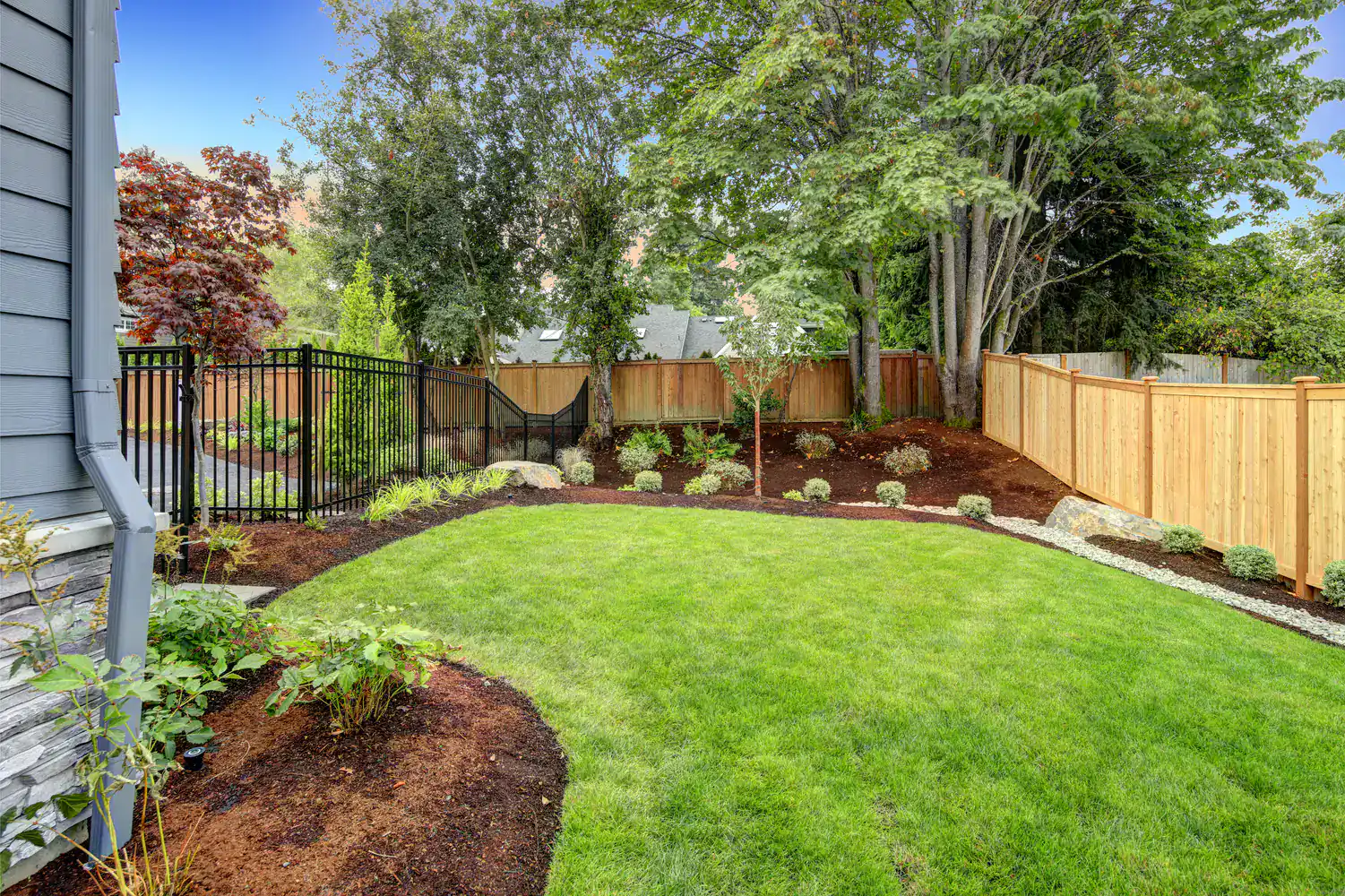
A renovated lawn isn’t just greener it’s structurally different from what you had before. The soil is prepared correctly, the right grass varieties are established from the ground up, and the turf that comes in is dense enough to crowd out the weeds that took over in the first place. That’s the difference between a renovation and another round of seed that fades by July.
In Smithtown, that outcome matters more than most places. The sandy, fast-draining soil that runs through much of the North Shore leaches nutrients quickly, which is why lawns here can look okay in May and be bare by August. When the soil is properly prepped before seeding pH adjusted, seedbed worked, the right starter nutrition in place the grass that establishes actually holds through the summer heat and drought cycles this area sees every year.
And for homeowners in neighborhoods like Kings Park, St. James, or the incorporated villages along the North Shore, a lawn that holds its quality through the season isn’t just satisfying it’s a visible reflection of a property that’s worth well over $700,000 in today’s market. The lawn is the first thing anyone sees. Getting it right, once, is worth far more than cycling through fixes that don’t last.
We founded Lawn Master in 1994, and the work has been focused on Suffolk County lawns ever since. That’s three decades of working in the same sandy North Shore soil that Smithtown properties sit on, dealing with the same grub cycles, the same oak shade challenges, and the same summer drought pressure that homeowners here face every year. The knowledge isn’t generic it’s built from doing this work in Smithtown and the surrounding North Shore communities repeatedly, over a long time.
What that means for you is a company that doesn’t show up with a one-size program. The lawns near the Nissequogue River corridor have different drainage characteristics than the properties further inland toward Nesconset or Hauppauge. The shaded lots under mature oak canopy in St. James need a different seeding approach than an open, sun-exposed yard in Kings Park. We are NYSDEC-licensed and Suffolk County compliant and we treat every Smithtown property based on what it actually needs, not what’s easiest to apply.
The first step is an honest assessment of what’s going on. Before any seed goes down, we look at what’s killing the lawn whether that’s compacted soil, a nutsedge invasion, grub damage from last August, creeping bentgrass taking over, or just a soil pH that’s been off for years. Treating the wrong problem is the reason most renovation attempts fail, and it’s the most important thing we get right before anything else happens.
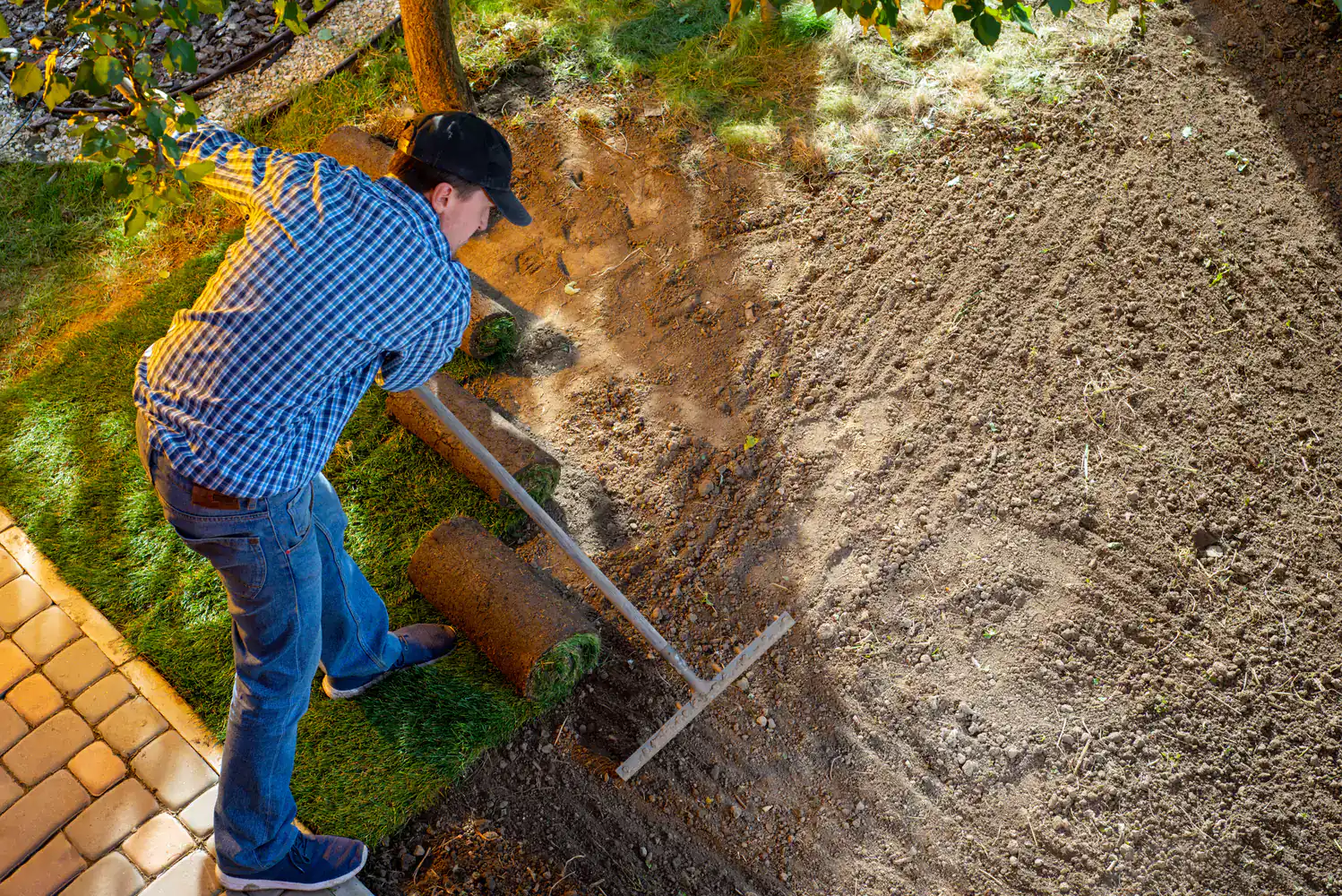
Once we know what we’re dealing with, the process moves into soil preparation the step that most companies skip or rush. In Smithtown’s sandy loam, this means correcting pH, addressing drainage or compaction issues where they exist, and getting the seedbed ready to actually support new growth. If existing weeds or invasive grasses need to be eliminated first, that happens before seeding, not after. Timing matters here too: fall is the primary renovation window on Long Island, with soil temperatures between 50 and 65 degrees giving cool-season grasses the best possible start. Late August through mid-October is the window we work around, and it books up.
From there, we use power seeding not broadcast spreading to get seed-to-soil contact at the depth that produces real germination rates. The grass varieties we select are matched to your specific conditions: shade tolerance for oak-heavy lots, drought resistance for properties with fast-draining soil, or a blend suited to open, sun-exposed areas. After seeding, we walk you through what to expect and what your lawn needs during establishment so the investment actually holds.

Ready to get started?
Our renovation work covers the full range of what a failing Smithtown lawn might need not a packaged menu of services, but a diagnosis-first approach that determines what’s actually required before we recommend anything. That might mean a complete ground-up rebuild with soil prep, weed elimination, and power seeding. It might mean targeted nutsedge or bentgrass control followed by renovation seeding in the affected areas. For lawns that are too far gone to renovate, we also install new lawns from scratch which means we have the equipment and experience to handle whatever we find.
For Smithtown properties specifically, a few issues come up consistently. Grub damage from Japanese beetle larvae is a major driver of fall renovation calls a lawn that looked fine in June can have large dead patches by late summer, and those areas need real renovation to come back, not just overseeding. Nutsedge thrives in the moisture-variable conditions of the North Shore and is one of the most stubborn invasions we deal with. Shade from mature oak trees common throughout St. James, Kings Park, and the North Shore hamlets requires shade-tolerant grass varieties and a seeding approach calibrated for low-light establishment.
Suffolk County’s Local Law 41-2007 also requires licensed applicators to observe pesticide buffer zones around public drinking water wells. We operate in full compliance with those requirements, which matters if your Smithtown property is near the Nissequogue River or any of its tributaries. You won’t have to wonder whether the company you hired is doing this legally we are.
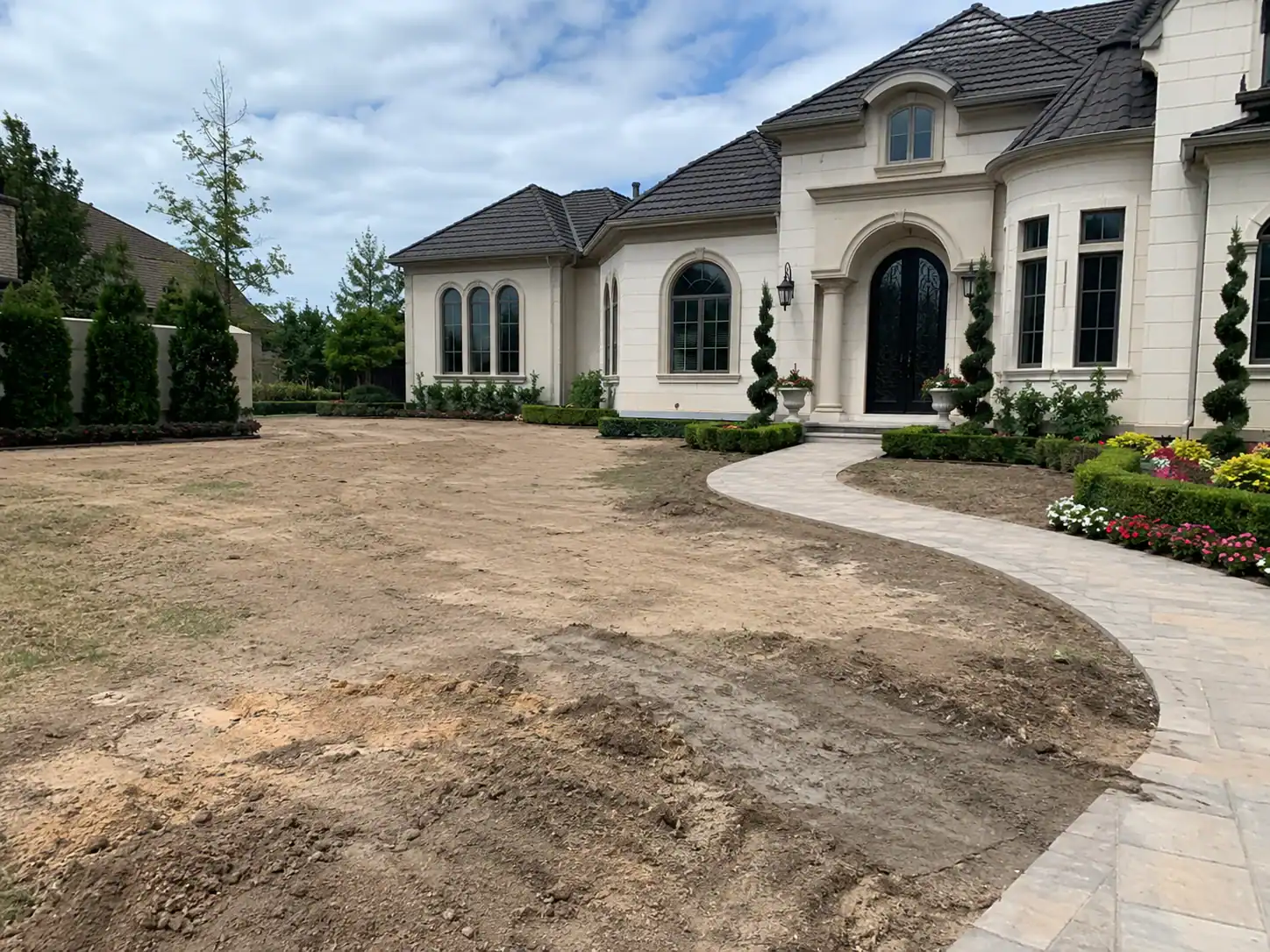
Overseeding is spreading grass seed over an existing lawn without changing what’s underneath. It can work on a lawn that’s thinning but otherwise healthy decent soil, no serious weed pressure, reasonable grass-to-bare ratio. But if your Smithtown lawn has significant bare patches, a heavy weed or nutsedge presence, grub damage, or soil that’s been depleted or compacted over time, overseeding on top of that foundation is going to produce disappointing results. The seed germinates into the same conditions that caused the problem in the first place.
Lawn renovation starts differently. We begin with understanding why the lawn failed, correcting the underlying soil and weed issues, and then establishing new turf under conditions that actually support it. In Smithtown specifically, the sandy loam soil that drains fast and leaches nutrients is one of the most common reasons overseeding doesn’t hold the seedbed simply isn’t prepared to support establishment. Renovation addresses that before anything goes down. It’s a higher investment than overseeding, but it’s the approach that produces a lawn that actually lasts.
Fall is the optimal window for lawn renovation on Long Island, and that applies directly to Smithtown. Soil temperatures between 50 and 65 degrees Fahrenheit which naturally occur here from late August through mid-October are ideal for cool-season grass germination. Weed competition drops significantly in fall as summer annuals like crabgrass finish their cycle. Natural rainfall patterns support seed establishment without relying on heavy irrigation. And new roots have time to anchor before winter dormancy, which sets the lawn up for a strong emergence in spring.
Spring renovation is possible, but it comes with real trade-offs. Pre-emergent crabgrass treatments which many Smithtown homeowners apply in March or April are chemically incompatible with seeding. Spring-seeded lawns also have to survive their first summer before they’re fully established, which is a significant stress test for a new lawn on Smithtown’s fast-draining soil. We handle spring work for specific situations like grub damage repair or targeted bare areas, but if you have a choice, fall is the right time. The window fills up, so reaching out in late summer is the move.
This is one of the most common conversations we have, and the answer almost always comes back to the same thing: the underlying problem wasn’t addressed before the seed went down. Reseeding a lawn without fixing what killed the grass in the first place is like painting over a water stain without fixing the leak. It looks okay for a while and then fails again in the same spots.
In Smithtown, the most frequent culprits are soil pH that’s too low for proper nutrient uptake, grub damage that destroyed the root system below the surface, nutsedge or bentgrass invasions that outcompete new seedlings, and sandy soil that dries out too quickly during summer heat for young grass to survive. Oak shade is another major factor for properties in St. James, Kings Park, and the North Shore hamlets standard grass seed doesn’t establish well under heavy canopy, and the wrong variety selection leads to the same thin, patchy result every time. A real renovation starts by identifying which of these factors is at play before recommending anything.
Lawn renovation in Suffolk County typically runs between $0.75 and $4.00 per square foot depending on the scope of work what the lawn needs, how much preparation is required, and whether targeted treatments like nutsedge control or bentgrass elimination are part of the process. For a 5,000 to 10,000 square foot lawn, that puts most complete renovations somewhere in the range of $7,500 to $22,500. Larger properties which are common in the North Shore hamlets and incorporated villages of the Town of Smithtown will be priced accordingly.
That range sounds wide because the work genuinely varies. A lawn that needs soil prep, weed elimination, and full power seeding is a different scope than one that needs targeted repair in specific damaged areas. The best way to get an accurate number is a site visit, where we can assess the actual condition of the soil, identify what’s driving the failure, and tell you exactly what the renovation will involve. What we can say is that the investment consistently outperforms the cumulative cost of repeated overseeding attempts that don’t hold especially on a Smithtown property where home values are approaching or exceeding $900,000.
Yes and this is one area where having a specialist matters. Nutsedge and bentgrass are two of the most persistent turf invasions on Long Island’s North Shore, and neither one responds to standard lawn care. Nutsedge isn’t a grass it’s a sedge that spreads through underground tubers, and it thrives in the moisture-variable conditions common in Smithtown. Pulling it or mowing over it makes the problem worse. Bentgrass is a fine-textured, low-growing grass that spreads laterally and creates an uneven, patchy appearance that most homeowners mistake for a disease problem.
Both require targeted chemical control using the right products at the right timing not the generic herbicide programs that most maintenance companies apply. After the invasive species is suppressed, the affected areas need renovation seeding with appropriate cool-season varieties to restore turf density. Doing the chemical control without following up with renovation leaves bare soil that weeds will recolonize quickly. We handle both steps as part of a complete renovation process, which is why we specifically list these as named services because they require a different level of expertise than standard overseeding or fertilization.
For a fall renovation which is the primary window we work in on Long Island you can expect to see germination begin within 10 to 21 days depending on soil temperature and moisture. Cool-season grasses like tall fescue and fine fescue, which are the varieties best suited to Smithtown’s sandy North Shore soil, germinate relatively quickly under fall conditions. By the time the lawn goes into winter dormancy, you should have visible turf coverage across the renovated areas. The lawn won’t look fully mature until the following spring and into its first full growing season, but the establishment is underway.
What affects that timeline most in Smithtown is soil temperature and irrigation during the first few weeks. The sandy, fast-draining soil here dries out faster than heavier soils, so consistent moisture in the establishment period is critical especially if the renovation happens in late August or early September before temperatures fully cool. We walk every customer through what the lawn needs during this window because the establishment phase is where most renovations either succeed or fail. The seed going down is only part of it. What happens in the first four to six weeks determines whether the investment holds.
Useful Links
Other Services we provide in Smithtown