
Hear from Our Customers
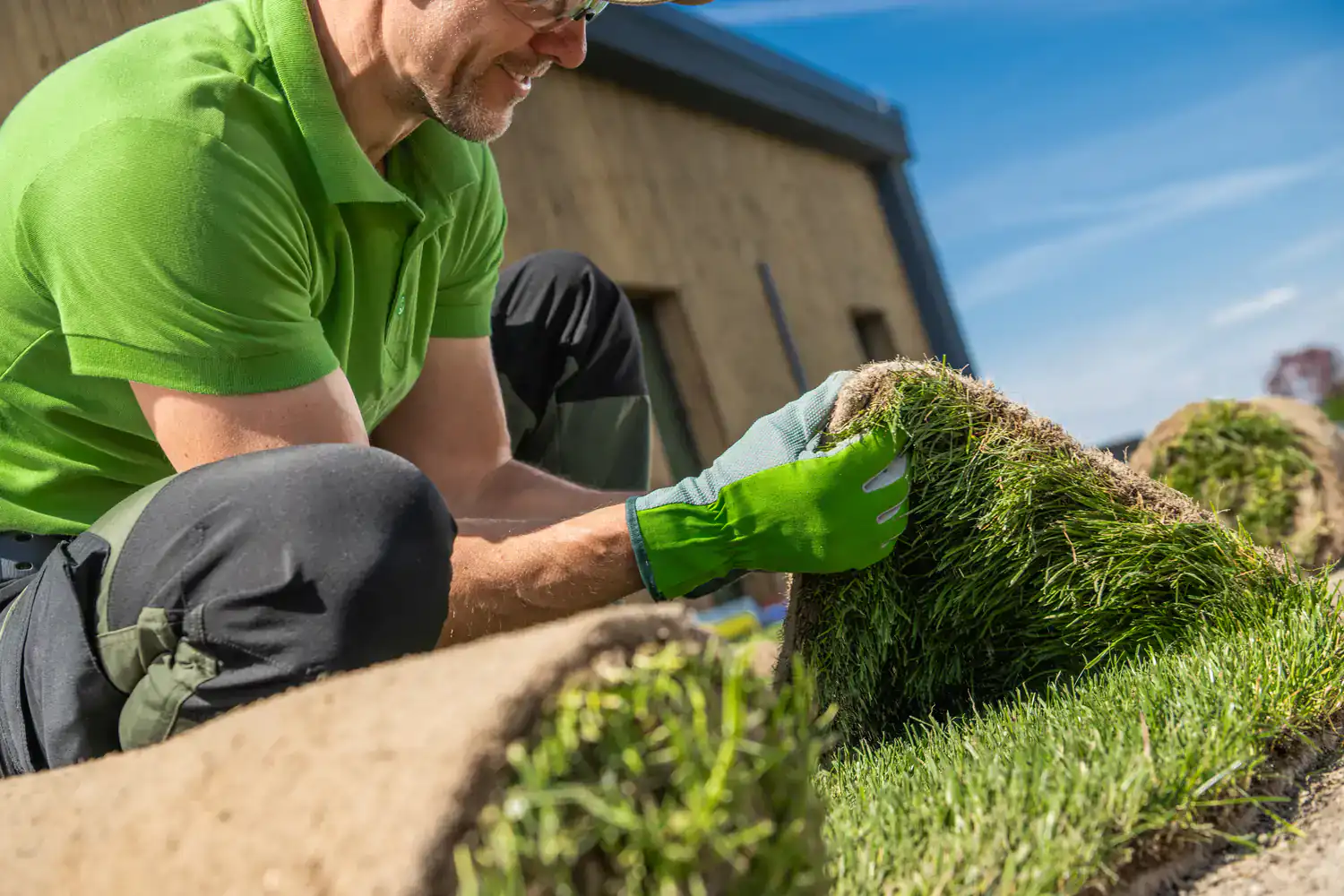
If your grass thins out every July and August, you’re not imagining it. Coram sits right at the edge of the Long Island Pine Barrens, and that means a lot of residential lots here are sitting on sandy, fast-draining soil that dries out fast and holds almost no nutrients on its own. Seed applied to that ground without proper preparation doesn’t fail slowly it just doesn’t establish. You get a few weeks of green and then it’s gone by the time the heat arrives.
What changes when seeding is done right is that the lawn stops being a seasonal problem. You get grass with actual root depth roots that can reach moisture even when the surface dries out, which is exactly what Coram lawns need to survive a Long Island summer. The difference between a lawn that looks good in October and one that still looks good in August comes down to what happened before the seed ever hit the ground.
That’s the outcome worth paying for. Not just germination establishment. A thick, dense lawn that fills in, holds its color, and doesn’t require you to reseed the same bare patches every fall.
Lawn Master is a Suffolk County lawn seeding specialist focused specifically on Coram, Middle Island, and the surrounding areas of central Brookhaven. We’re not a mowing company that throws seed in the fall. Not a national chain routing crews from two counties away. Our work is focused specifically on seeding and turf establishment which means the knowledge behind it is deeper than what you get from a generalist.
The lawns around Coram come with a specific set of challenges that don’t show up in a textbook. Sandy soil, low organic matter, fast drainage, and the kind of summer heat that exposes every weakness in a shallow root system. That combination has a way of making cheap seeding jobs look fine in the fall and terrible by June. Our programs are built around that reality not around what works in a heavier-soil community further west.
When you’re investing in a home worth over half a million dollars in one of the most active real estate markets in central Suffolk County, the lawn is part of that investment. It deserves to be treated that way.
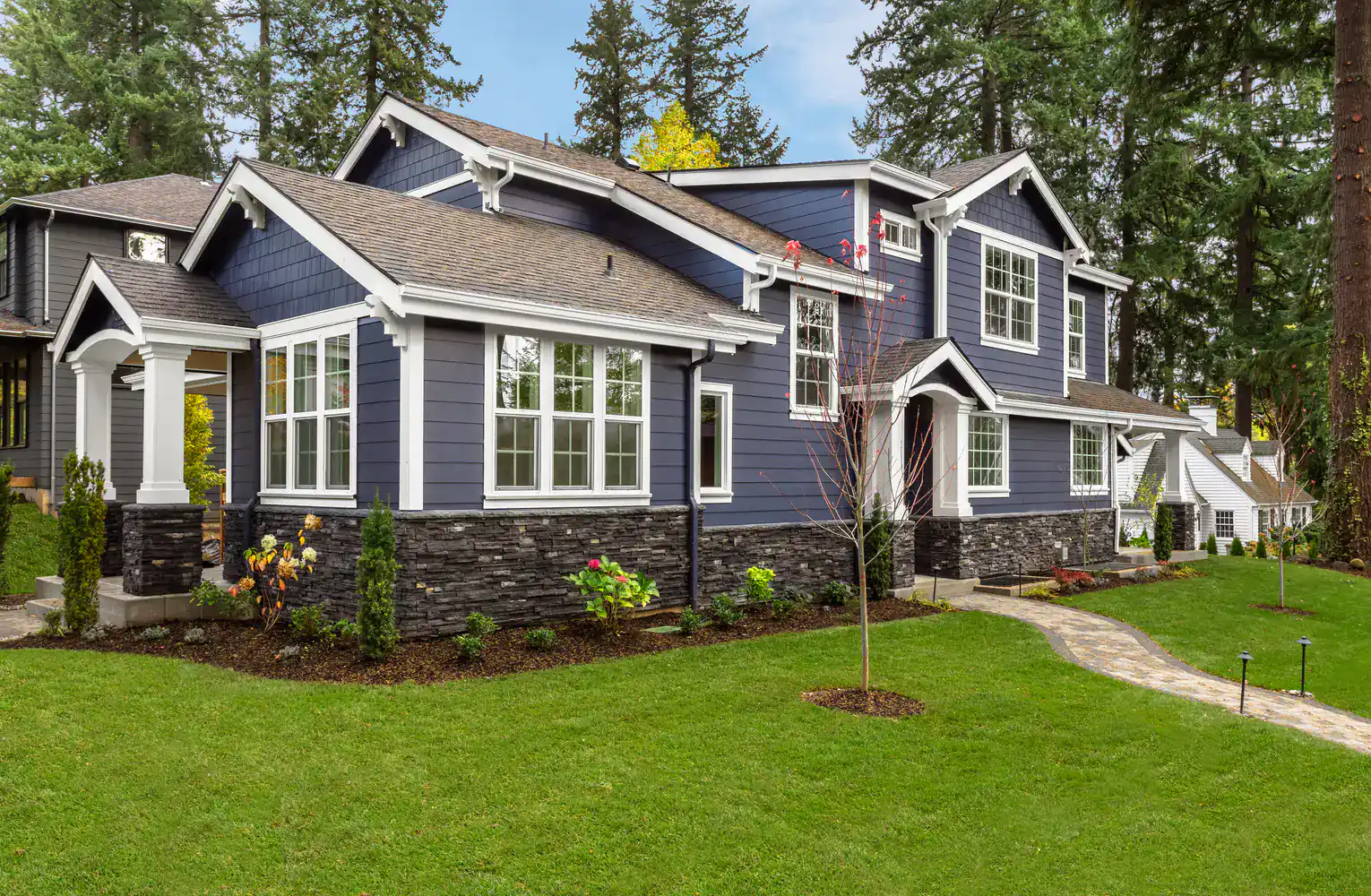
The first thing that happens isn’t seeding it’s assessment. Every Coram property is different. Some lots have decent topsoil. Many, especially near the Pine Barrens border or on newer construction sites where topsoil was stripped during building, are sitting on near-pure sand with almost no nutrient base. Before any seed gets applied, we evaluate the ground so the program matches what’s actually there.
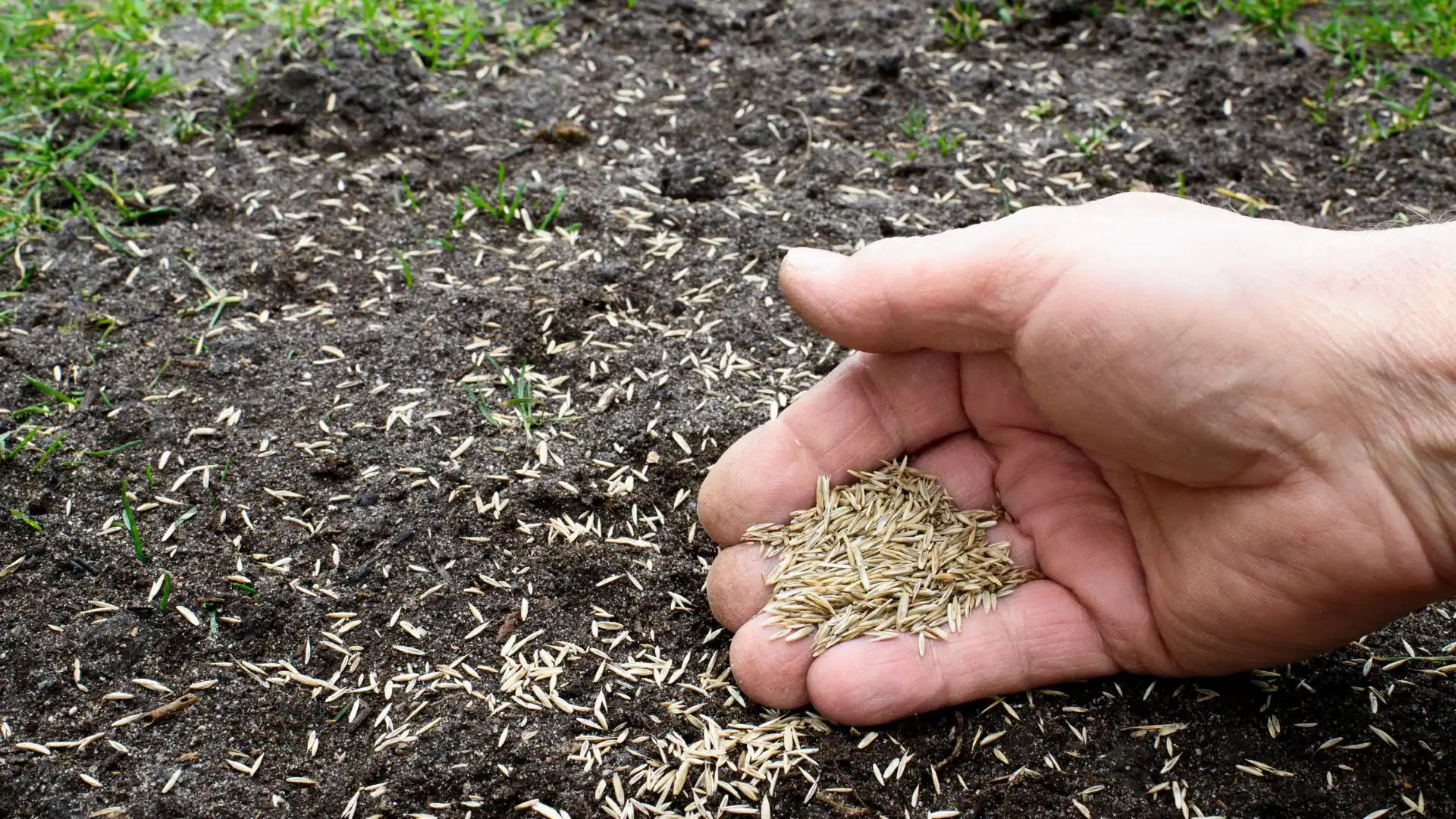
From there, soil preparation is the priority. On most Coram lawns, that means core aeration to break up compaction and create the seed-to-soil contact that sandy ground makes difficult on its own. Starter fertilizer goes down to compensate for the low nutrient availability that’s typical in this area. For larger bare areas, slopes, or properties where surface moisture evaporation is a serious problem, seeding is the better approach it delivers seed, fertilizer, and a moisture-retaining mulch in one application that bonds to the surface and keeps seed from drying out before it germinates.
Timing matters more than most homeowners realize. The fall window late August through mid-October is when lawn seeding in Coram works best. Soil temperatures are still warm enough for germination, but the cooling air slows weed competition and reduces the heat stress that kills seedlings on sandy ground before they’ve developed enough root depth to survive. After the seed is down, you’ll get clear guidance on watering, first mow timing, and what to expect week by week so nothing gets undone by a mistake in the first few weeks of establishment.
Ready to get started?
Lawn seeding in Coram isn’t a one-product service. The seed blend matters. Tall fescue is the backbone of most Coram lawn seeding programs it’s a cool-season grass with deeper roots than most alternatives, better heat tolerance for Long Island summers, and better performance in the sandy, low-organic-matter soils that define central Suffolk County. Perennial ryegrass gets blended in for fast germination and quick cover while the slower varieties establish. Kentucky bluegrass is available for homeowners who want that rich, dense, dark-green look and are willing to maintain it it performs beautifully on Long Island when the soil prep is right.
Every seeding program we offer includes soil assessment, aeration where the ground calls for it, premium seed selection matched to your specific lawn conditions, starter fertilization, and post-seeding guidance. For new construction properties and there are over 140 new homes currently coming to market in Coram the program starts from the ground up, including topsoil evaluation and grading before any seed is applied. These lots are often the most challenging: compacted subsoil, stripped topsoil, and sandy base material that gives grass almost nothing to work with unless the foundation is addressed first.
If you’re restoring a thinning lawn rather than starting from scratch, overseeding paired with aeration is the professional standard. Seed dropped on top of thatch or hard ground without aeration will germinate weakly and disappear by the following summer which is exactly what most homeowners in Coram have already experienced before they call us. The program is designed to break that cycle, not repeat it.
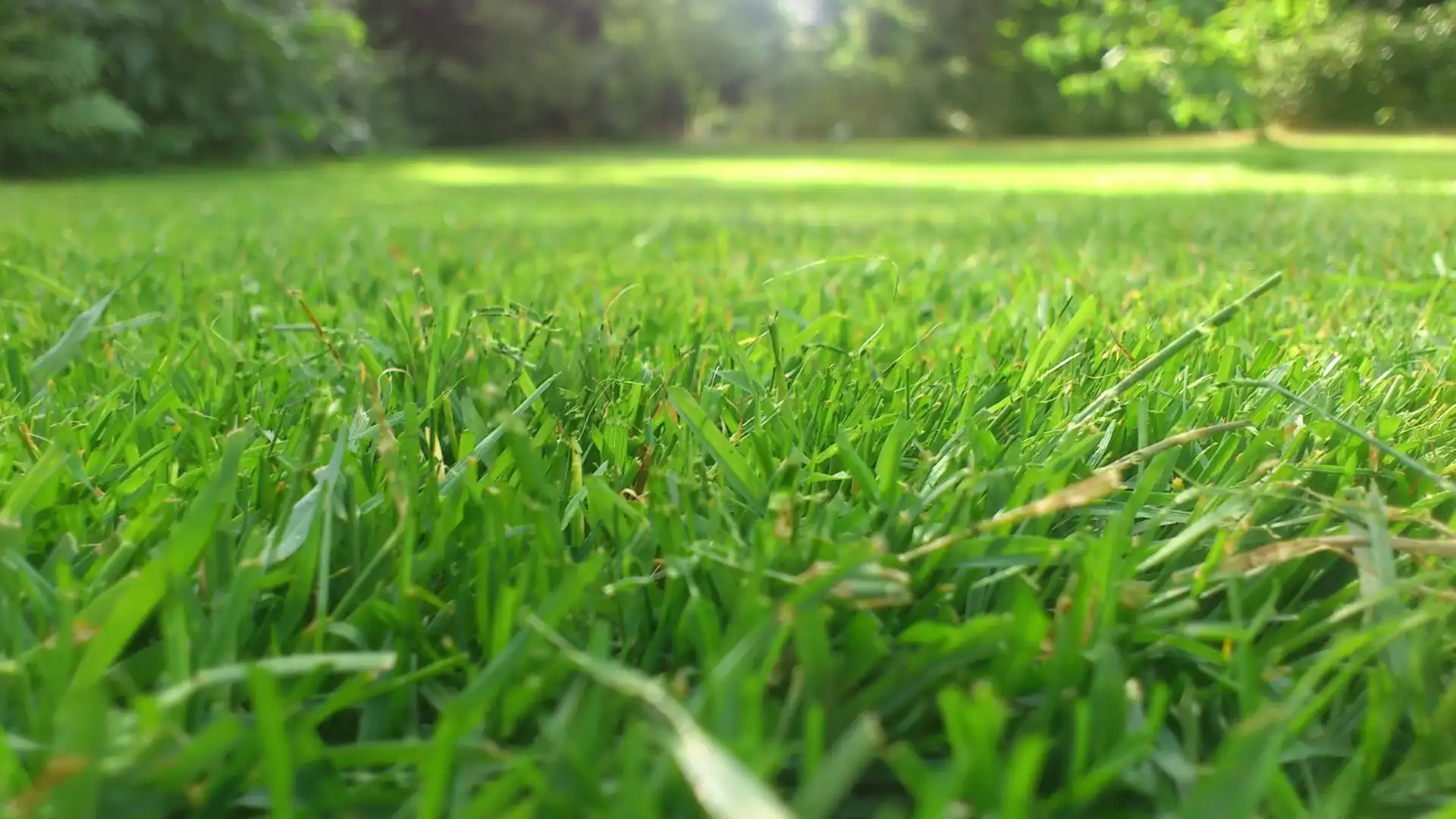
The best time to seed a lawn in Coram is late August through mid-October. During this window, soil temperatures are still warm enough generally above 50°F to support germination, while the cooling air temperatures reduce the heat stress that kills new seedlings before they can establish. Cool-season grasses like tall fescue and Kentucky bluegrass, which are the standard for all of Long Island, need that combination to get off to a strong start.
Spring seeding is possible, but it carries real risk in Coram specifically. New seedlings established in March or April need to survive their first Long Island summer before their root systems are deep enough to handle the heat and drought pressure that hits central Suffolk County every July and August. On Coram’s sandy soils, which drain quickly and dry out fast, that’s a difficult ask. Fall seeding gives the grass an entire cool season to develop root depth before it faces that first summer which is why it’s the professional recommendation, not just a preference.
For most Coram properties, a tall fescue blend is the most reliable foundation. Tall fescue has a deeper root system than many other cool-season grasses, which means it can reach moisture further down in the soil profile a critical advantage on Coram’s fast-draining, sandy ground where the surface dries out quickly between waterings. It also handles Long Island’s summer heat better than fine fescues or bentgrass, which tend to struggle once temperatures climb.
Perennial ryegrass is commonly blended in because it germinates fast usually within 7 to 10 days and provides quick cover while the tall fescue establishes over a longer period. Kentucky bluegrass is the premium option for homeowners who want that deep, dense, dark-green lawn aesthetic. It performs well on Long Island when the soil preparation is done correctly, but it requires more consistent moisture and maintenance than a straight tall fescue blend. The right mix depends on your specific lot conditions, sun exposure, and how much maintenance you’re willing to do which is part of what we evaluate before any seed goes down.
Lawn seeding typically refers to establishing grass on bare or near-bare ground a new construction lot, a property where the lawn was stripped or severely damaged, or a yard that’s been neglected to the point where there’s more dirt than grass. Overseeding refers to applying seed into an existing lawn that has thinned out, developed bare patches, or lost its density over time. Both are legitimate and common needs in Coram, and both require proper soil preparation to work.
The most important thing to understand about overseeding is that seed dropped on top of thatch or compacted ground without aeration rarely establishes well. The seed needs to make contact with actual soil to germinate and develop roots. Core aeration which pulls small plugs of soil out of the ground creates that contact and also improves drainage and air circulation in the root zone. For Coram lawns that have been thinning out year after year despite repeated seeding attempts, aeration paired with overseeding is almost always what was missing from previous efforts.
Lawn seeding costs in Suffolk County vary based on the size of the area being seeded, the condition of the soil, whether aeration is included, and the application method used. A standard overseeding program with aeration on a typical Coram residential lot generally runs in the range of a few hundred dollars for smaller properties, with larger lots or more intensive programs including seeding for new construction or heavily bare areas running higher. Getting an accurate number requires knowing what you’re actually working with on your specific property.
What’s worth keeping in mind is the cost comparison to sod. Sod delivers instant results, but it costs significantly more than professional seeding, requires the same soil preparation, and doesn’t always produce a lawn with deeper root systems than well-executed seeding. For most Coram homeowners dealing with a thinning lawn or a new construction lot, professional seeding in the fall window is the more cost-effective path to a durable, long-term result. The investment also makes practical sense against the backdrop of Coram’s current median home sale price of $550,000 a healthy lawn adds visible value to a property that size.
This is one of the most common frustrations for Coram homeowners, and the answer almost always comes back to the soil. Coram sits at the edge of the Long Island Pine Barrens, which means a significant number of residential lots here are sitting on sandy, nutrient-poor, fast-draining soil. That soil dries out quickly during summer heat, holds very few nutrients in the root zone, and gives grass almost nothing to work with when conditions get stressful. Lawns with shallow root systems which is what you get when seeding is done without proper soil preparation simply can’t survive those conditions.
The other common cause is seeding timing. Lawns that were seeded in the spring often look fine through May and June, then collapse during July and August before the root system has developed enough depth to handle the heat and drought. Fall seeding, paired with proper aeration and starter fertilization, gives the grass a full cool season to develop before it faces its first summer. If your lawn has been cycling through the same thin-out-and-reseed pattern for a few years, the issue isn’t the seed it’s what’s happening before the seed goes down.
Yes and new construction lots in Coram are actually one of the situations where professional seeding makes the most difference. During home construction, topsoil is typically stripped and either removed or buried, leaving compacted subsoil or near-pure sand as the surface layer. Builder-applied seed, when it happens at all, rarely gets the soil preparation it needs to establish properly on that kind of ground. The result is a lawn that germinates weakly, struggles through its first summer, and leaves the new homeowner reseeding the same bare areas within a year.
A professional new lawn seeding program for a Coram construction lot starts with evaluating what’s actually there assessing the soil composition, checking for compaction, and determining whether topsoil amendment is needed before any seed is applied. From there, the ground gets properly prepared, the right seed blend gets selected for the specific conditions of the lot, and seeding is often the best application method for large bare areas where surface moisture retention is a challenge. With over 140 new construction homes currently on the market in Coram and a median sale price of $550,000, getting the lawn right from the start is a straightforward investment in the property you just bought.
Useful Links
Other Services we provide in Coram