
Hear from Our Customers
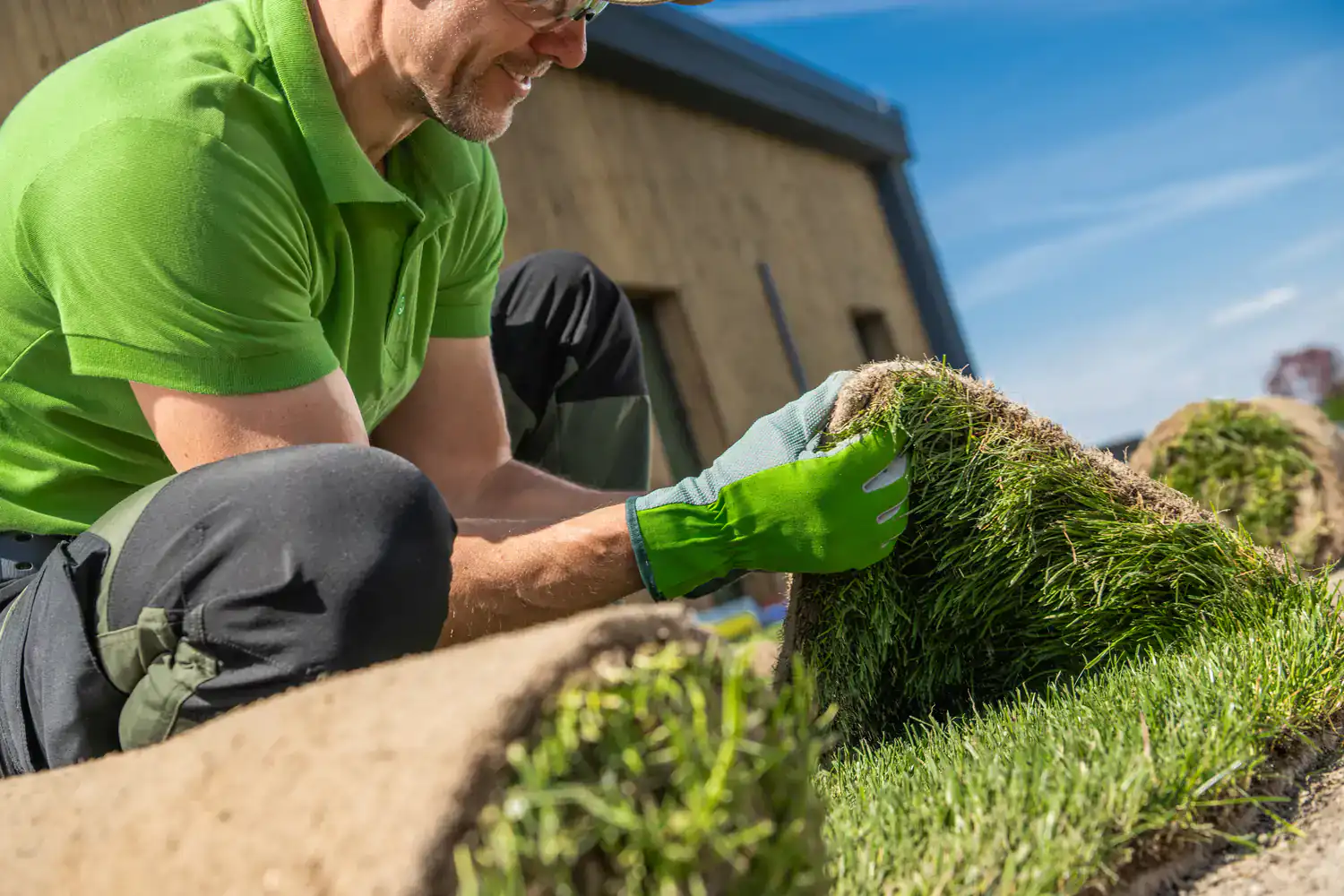
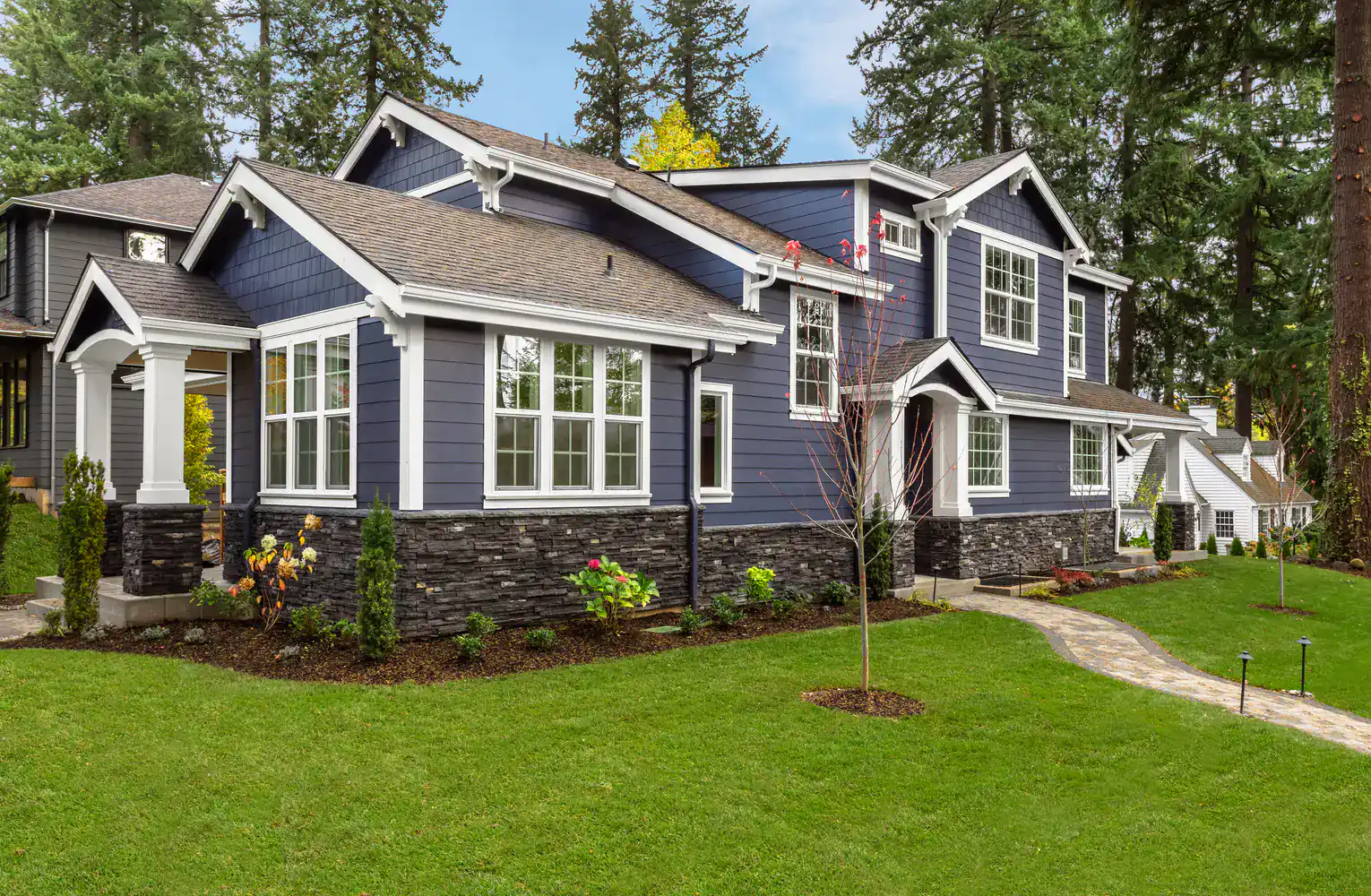
A thick lawn in Smithtown isn’t just about how it looks from the curb though on a street where homes are selling close to $940,000, that matters too. It’s about a lawn that holds through the summer, comes back strong in the fall, and doesn’t leave you staring at bare patches every season wondering what went wrong.
The challenge here is that Smithtown’s North Shore soils are heavier and more clay-influenced than what you’d find on the South Shore. That kind of soil compacts over time, and compacted soil is one of the main reasons lawns thin out even when homeowners are doing everything else right. Seed dropped onto compacted ground simply doesn’t establish. The root zone never opens up. You get a season of thin green and then nothing.
Smithtown also has mature neighborhoods with real tree canopy shade that generic retail seed blends aren’t built for. The right seed varieties, applied at the right time with proper soil preparation, change the outcome completely. You end up with a lawn that fills in dense, handles the shade from established trees, and doesn’t need to be re-done every few years because it was done right the first time.
We’re a Suffolk County lawn care company not a national franchise running the same program in every zip code. Our team knows Smithtown: the glacial moraine soils that define the North Shore, the salt air that drifts in from Long Island Sound and affects soil chemistry in communities like Kings Park and Nissequogue, and the fertilizer regulations that govern what can legally be applied and when across the Town of Smithtown.
Suffolk County’s fertilizer blackout runs from November 1st through April 1st a hard legal restriction, not just a guideline. Every seeding and fertilization program we build is timed and formulated within those rules, protecting both your lawn and the Nissequogue River watershed that runs right through this community.
Whether your property sits near Route 25A, in one of the established neighborhoods closer to St. James, or in the western hamlets near Sunken Meadow State Park, our approach is the same: assess what you’re actually working with, use the right products, and execute at the right time.
It starts with a real look at your lawn not a quick glance from the truck, but an actual assessment of what’s going on with the soil, the shade, the drainage patterns, and what’s causing the thin or bare areas in the first place. That context changes everything about how the job gets done.
From there, core aeration almost always comes before seeding on Smithtown properties. The heavier, clay-influenced soils on the North Shore compact over time, and without opening them up first, even the best seed won’t make meaningful contact with the root zone. Aeration pulls plugs from the soil, creates channels for seed, water, and nutrients to reach the right depth, and dramatically improves germination rates compared to broadcast seeding alone.
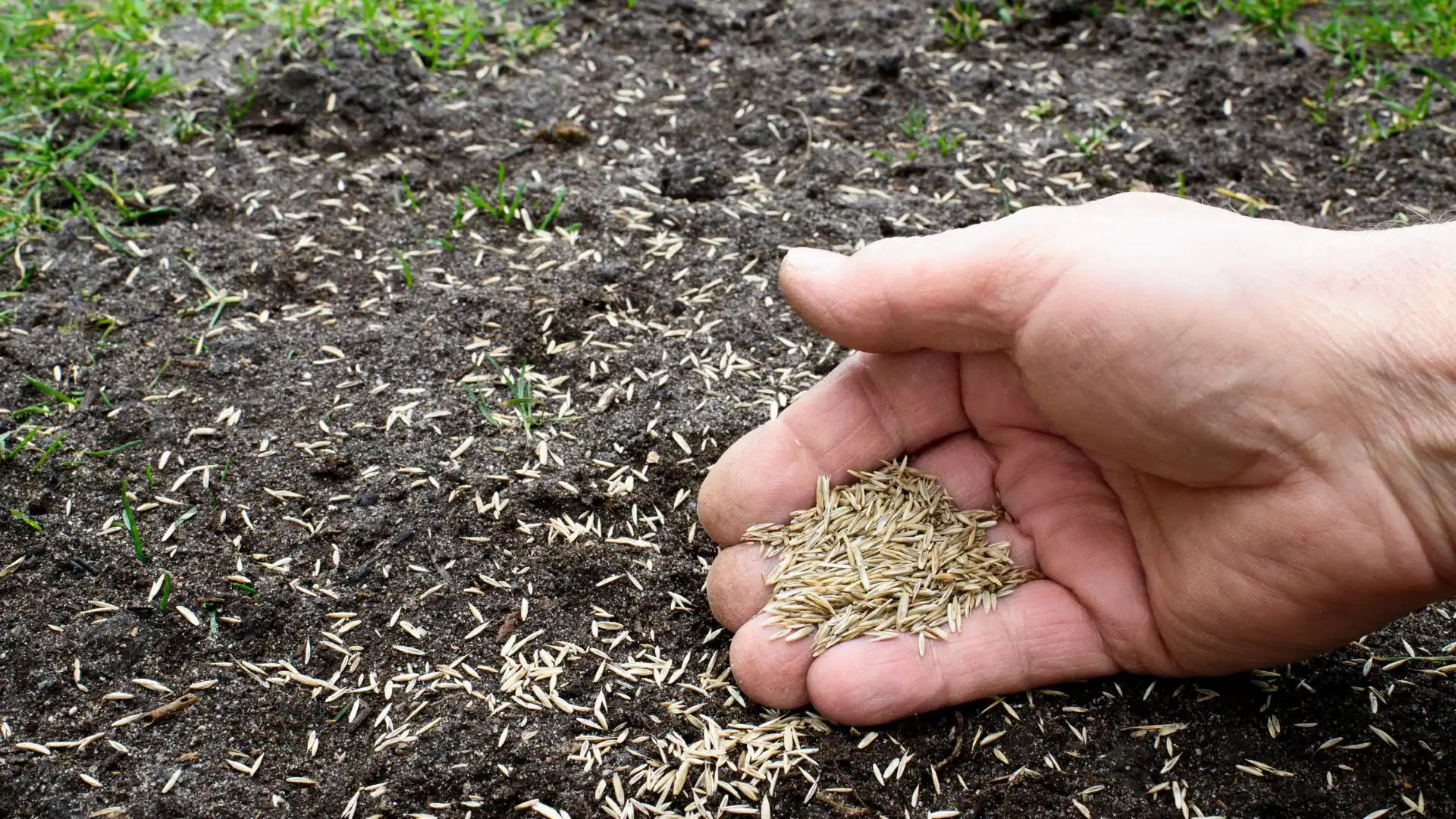
Once the soil is ready, we apply professional-grade seed blends selected for Long Island’s North Shore climate tall fescue, Kentucky bluegrass, and perennial ryegrass varieties that are calibrated for this region’s cool springs, warm summers, and the specific shade conditions in established Smithtown neighborhoods. Starter fertilizer goes down within Suffolk County’s legal application window, and from there, the focus shifts to establishment: making sure the new growth gets what it needs to root deeply before the season changes. Fall is the optimal window for all of this late August through October when soil temperatures in Smithtown are still warm enough for germination but the air is cooling down in a way that favors cool-season grass.
Ready to get started?
The seed we use is not what you find bagged at a big-box store. Professional-grade seed has tighter variety control, higher germination rates, and is selected for regional performance meaning it’s calibrated for Long Island’s actual climate, not just packaged to move off a shelf. For Smithtown properties specifically, that means blends weighted toward turf-type tall fescue and fine fescue for shaded areas, with Kentucky bluegrass and perennial ryegrass added for density and color in sunnier zones.
For homeowners starting from bare ground whether it’s from a pool installation, a construction project, or a lawn that simply gave up we build a full establishment program: soil prep, aeration where needed, premium seed application, and starter fertilization timed within Suffolk County’s legal window. For existing lawns that have gone thin or patchy, our overseeding program targets those weak areas with the same quality seed and prep work, thickening what’s already there rather than starting over.
Every program accounts for the zero-phosphorus fertilizer requirement that applies across Suffolk County unless a soil test shows a deficiency. We handle the testing, the product selection, and the timing so you’re never applying something that puts your property out of compliance or contributes to runoff into the Nissequogue River. What you get at the end is a lawn that looks like it belongs on a Smithtown property dense, green, and built to last more than one season.
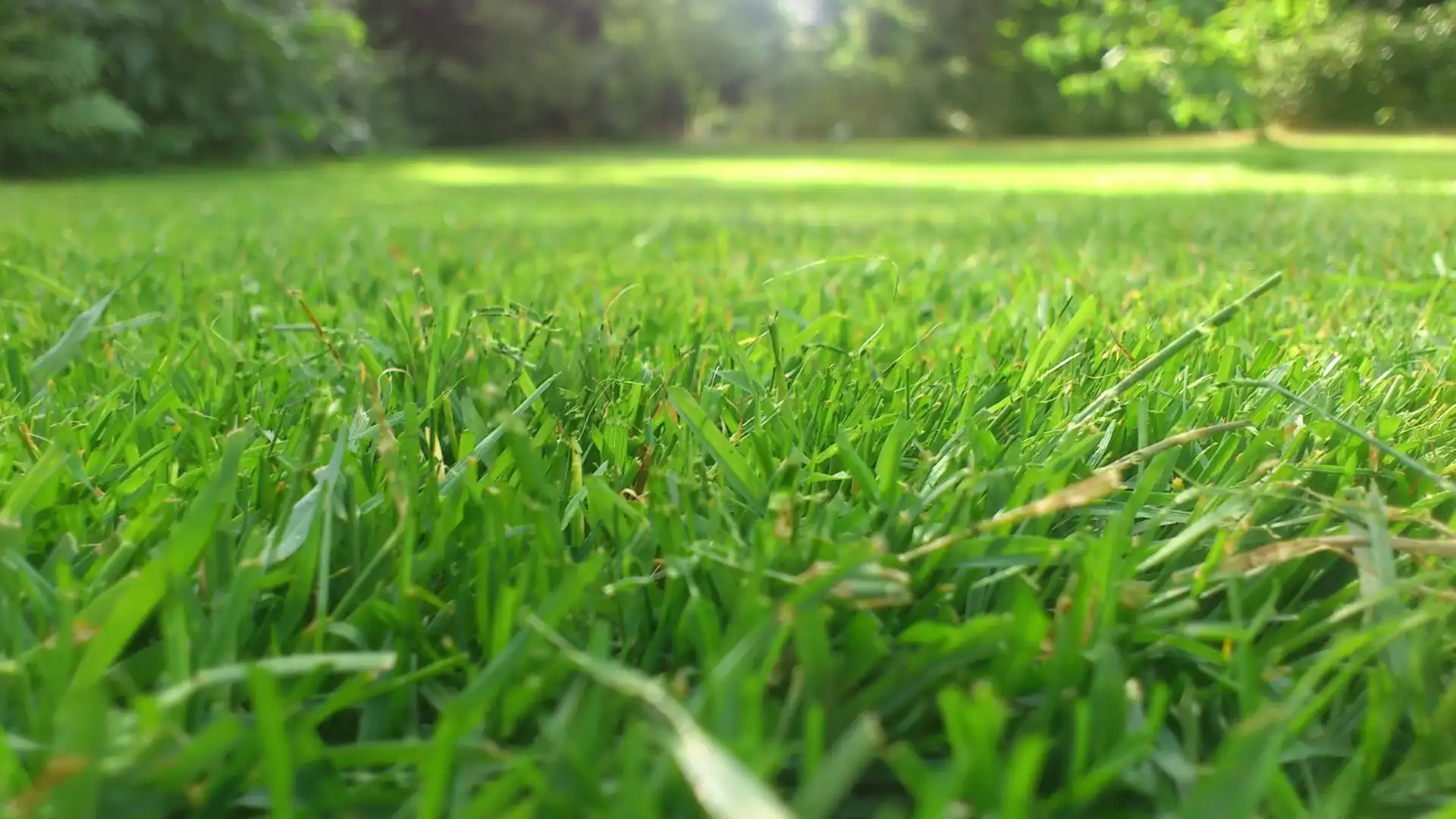
Fall is the right window specifically late August through October. That’s when soil temperatures in Smithtown are still warm enough to support germination, but air temperatures are cooling down in a way that reduces heat stress on new seedlings. Cool-season grasses like tall fescue and Kentucky bluegrass establish much more successfully in fall than in spring, when they’re competing with crabgrass and other weeds that germinate aggressively in warming soil.
One thing worth knowing about Smithtown specifically: the North Shore’s heavier glacial soils warm and cool on a slightly different schedule than the sandy soils on the South Shore. That means the optimal seeding window here can shift by a week or two compared to communities further south or inland. Watching soil temperature not just the calendar is what separates a seeding job that takes hold from one that doesn’t. Spring seeding is possible, but it carries more risk and typically requires a pre-emergent herbicide tradeoff that limits your options.
For most Smithtown properties, a blend of turf-type tall fescue, Kentucky bluegrass, and perennial ryegrass performs best. Tall fescue is the workhorse it handles drought stress, tolerates the heavier North Shore soils, and holds up through Smithtown’s warm summers without going dormant the way some finer grasses do. Perennial ryegrass germinates quickly and adds density early, while Kentucky bluegrass fills in over time and gives the lawn a richer, darker color.
For areas with significant shade and Smithtown has plenty of it, given the mature tree canopy in established neighborhoods throughout the town fine fescue varieties become more important. They’re the grass that actually performs under a canopy where other varieties struggle. The mix matters as much as the individual variety, and getting that balance right for your specific yard conditions is one of the things a professional assessment handles that a bag of generic seed at a hardware store simply can’t.
Suffolk County law prohibits fertilizer application between November 1st and April 1st. That’s a hard legal cutoff not a recommendation and it applies to all lawn fertilization, including the starter fertilizer that goes down with a seeding program. The Town of Smithtown has published its own guidance on this regulation, and it’s taken seriously here given the community’s proximity to the Nissequogue River and Long Island Sound.
Beyond the blackout period, Suffolk County also requires zero-phosphorus fertilizers unless a soil test demonstrates a documented deficiency. That middle number on any fertilizer bag the phosphorus content needs to be zero for standard lawn applications in this county. These rules exist to protect groundwater and waterways like the Nissequogue, and any professional lawn care company working in Smithtown should be building their programs around full compliance. When we put together a seeding and fertilization program for your property, the timing and product selection are already within those legal parameters you don’t have to figure that out yourself.
Sod gives you an instant lawn, but it comes at a significant cost premium typically three to five times more expensive than seeding the same area and it still requires proper soil preparation to establish successfully. If the ground isn’t prepped correctly, sod fails just as readily as seed does. For most Smithtown homeowners dealing with bare areas from a construction project, pool installation, or a lawn that’s declined over time, professional seeding is the more cost-effective path when it’s done right.
The key word there is “done right.” Seeding on compacted, unprepared soil produces poor results regardless of seed quality. But seeding after proper aeration, on a prepared seedbed, with the right variety mix for your specific conditions and the correct timing for Suffolk County’s fall window that produces a lawn that establishes deeply and holds. The root system that develops from seed is also generally stronger and better adapted to your specific soil than sod that was grown elsewhere and transplanted. For most situations in Smithtown, seeding wins on both value and long-term performance.
Initial germination typically happens within 7 to 21 days depending on the seed variety, soil temperature, and moisture. Perennial ryegrass is the fastest you’ll often see it sprouting within a week. Tall fescue and Kentucky bluegrass take longer, sometimes two to three weeks before you see consistent coverage. But germination is just the beginning. Full establishment meaning a root system deep enough to handle normal foot traffic and summer drought stress takes one full growing season.
For fall seedings in Smithtown, that means the lawn will look significantly better by the following spring and genuinely strong by the following summer. It’s important not to rush that timeline by mowing too early or cutting too short in the first season. The first mowing should happen once the grass reaches about three to four inches, and keeping the blade high during establishment protects the young root system. Watering consistently in the weeks after seeding is critical especially during dry stretches in early fall, which Smithtown does see periodically.
The most common reason DIY reseeding doesn’t hold in Smithtown is skipping soil preparation. Dropping seed on compacted ground even good seed produces minimal results because the seed never makes real contact with the root zone. Smithtown’s North Shore soils are heavier and more clay-influenced than the sandy soils further south, which means they compact more readily under regular foot traffic and mowing. Without aeration to open the soil first, you’re essentially scattering seed on a surface that won’t accept it.
The second most common issue is timing and seed selection. Retail mixes aren’t calibrated for Long Island’s specific climate, and seeding in late spring or summer when many homeowners try it puts cool-season grasses in direct competition with heat, crabgrass, and drought stress. Fall is the window that works here, and using variety blends matched to your specific conditions sun exposure, shade from mature trees, soil type makes a measurable difference in whether the lawn fills in and stays that way. If you’ve reseeded more than once without lasting results, the problem almost certainly isn’t effort. It’s prep, timing, and product.
Useful Links
Other Services we provide in Smithtown