
Hear from Our Customers
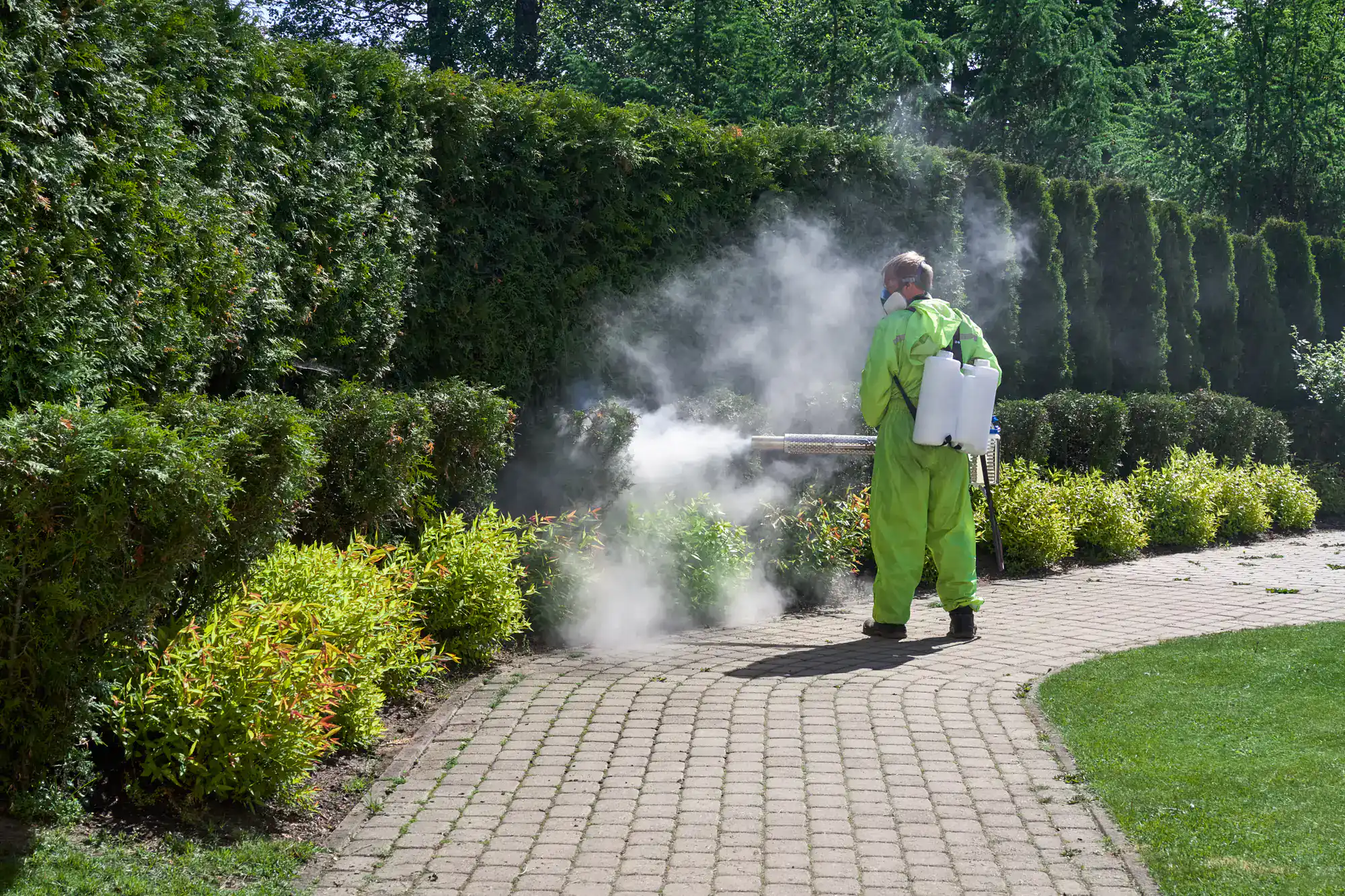
Ticks don’t wait for summer. On Long Island’s North Shore, deer ticks become active the moment temperatures climb above freezing sometimes as early as February. If you’re waiting until June to treat, you’ve already missed the most dangerous window. Nymphal ticks, which are roughly the size of a poppy seed, peak in May and are responsible for the majority of Lyme disease transmissions in Suffolk County. You won’t feel them. You won’t see them. That’s the problem.
St. James sits in one of the highest-risk tick zones on Long Island. More than half of ticks on Long Island carry Lyme disease, and the North Shore where St. James sits consistently shows some of the highest infection rates in the county. Your property’s wooded borders, leaf litter, and proximity to Head of the Harbor’s estate-scale acreage create exactly the kind of shaded, humid ground cover that ticks thrive in. Spraying your lawn perimeter once a year doesn’t cut it here.
What actually works is a properly timed, professionally applied seasonal program that targets the right areas at the right times wooded transition zones, shrub beds, lawn margins not just a light spray across the grass. When it’s done right, you stop finding ticks on your kids after they play outside. Your dog stops being the vehicle that brings them into your house. And you stop spending your summer doing tick checks instead of enjoying your yard.
We’ve been treating Suffolk County properties since 1987, working the same North Shore streets through every tick season, every product change, and every shift in what Long Island’s pest pressure actually looks like year to year. We’re based out of Port Jefferson Station, about five miles east of St. James on Route 25A. We’re not dispatching from a regional hub or sending a different crew every visit.
Every technician on our team holds NYSDEC-licensed certification meaning they’ve passed the state exam, completed the required training, and are legally certified to apply pesticides commercially in New York. That’s not standard across the industry. Many companies operating in the Smithtown and St. James area send unlicensed workers to do this work. We don’t. You also get a custom-blended program formulated specifically for our seasonal approach, hydraulic equipment, and the kind of consistency that comes from a company that’s been building its reputation in one place for nearly four decades.
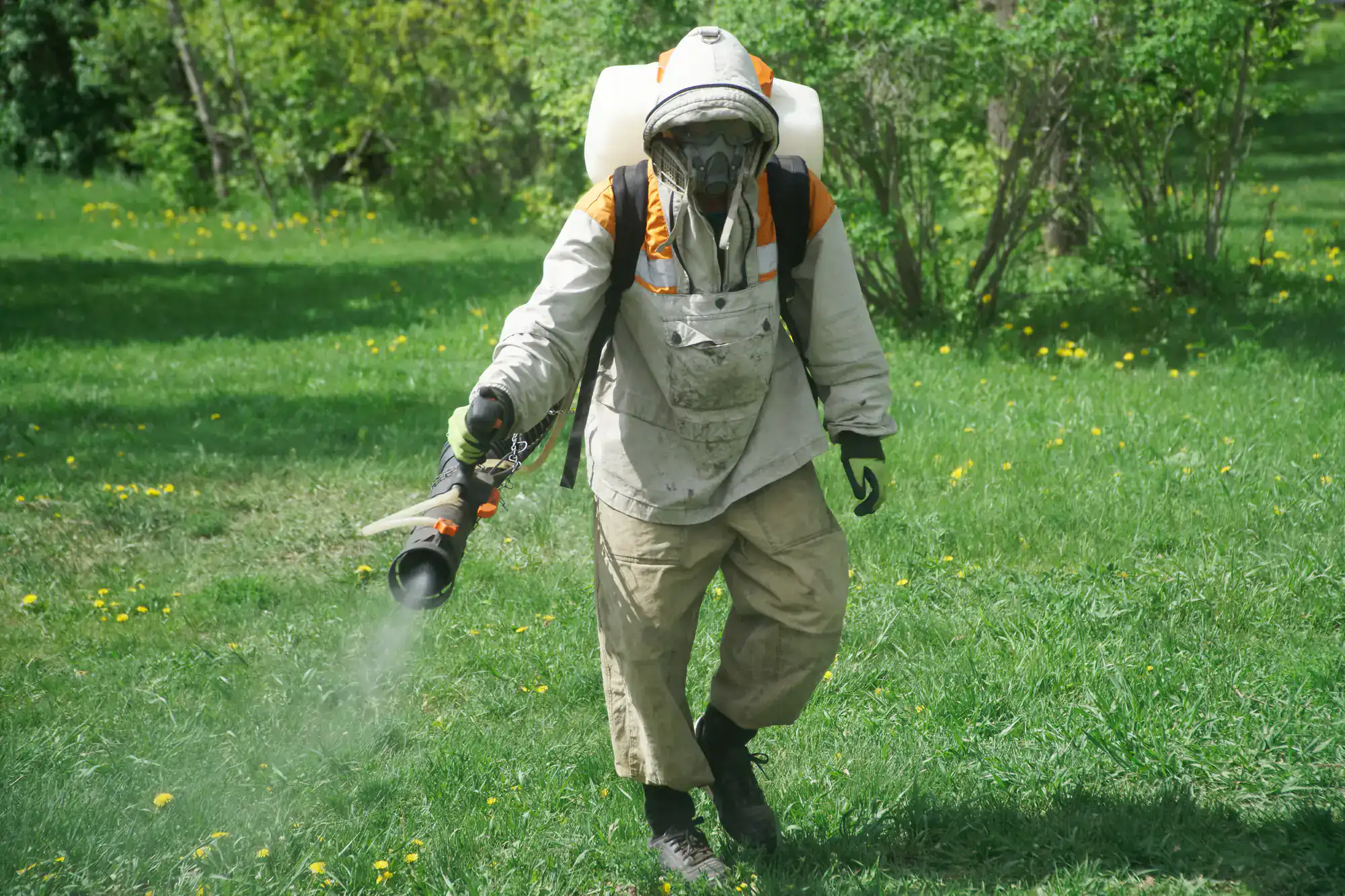
It starts with understanding your specific property. A wooded lot near Head of the Harbor doesn’t get treated the same way as a cleared quarter-acre near the St. James LIRR station. The size of your yard, the presence of wooded borders, how much deer traffic you see, where your kids and pets spend time all of that shapes the program before a single product is applied.
Our first treatment goes down in early spring, before nymphal ticks emerge in May. On Long Island’s North Shore, that timing matters more than almost anywhere else in New York because the tick season here starts earlier and runs later than most homeowners expect. Applications target the areas where ticks actually live the wooded transition zone along your property line, shrub beds, shaded lawn margins, and leaf litter zones not just the open grass. For properties with wooded borders, that means treating 20 to 30 yards into the wooded area and working back toward the lawn to create a real barrier.
From there, treatments continue on a scheduled basis through the season, with a fall application to address the second adult tick surge that hits in September and October. Each application provides roughly four to six weeks of residual protection. You’ll get seasonal reminders so nothing slips through the cracks, and billing is handled online no checks, no phone tag. The process is straightforward because it’s supposed to be.
Ready to get started?
Flea and tick control in St. James isn’t a one-size program. The properties here older homes, mature landscaping, wooded acreage, deer pressure from the corridors running through Head of the Harbor and along Stony Brook University’s undeveloped campus land require a more deliberate approach than what a standard franchise offers. Our seasonal programs are structured around Long Island’s actual tick calendar: early spring before nymph emergence, maintenance treatments through summer, and a fall application that most companies skip entirely.
Flea control is built into the same program. Fleas breed in the damp, organic debris that accumulates under mature tree canopy and in unmaintained shrub beds exactly the conditions common on North Shore properties. Treatment targets those breeding zones directly, not just the open lawn. Products are applied by NYSDEC-licensed professionals at the correct rates and to the correct areas, which is what separates a treatment that actually works from one that gives you a false sense of security.
Because we handle both pest control and lawn care, there’s an added layer of defense that no standalone exterminator can offer. A properly aerated, fertilized lawn with healthy turf density is inherently less hospitable to fleas and ticks than a neglected one. That’s not a bonus it’s a real part of what makes the program effective over time. If you’re already investing in your St. James property, this is how you protect that investment from the ground up.
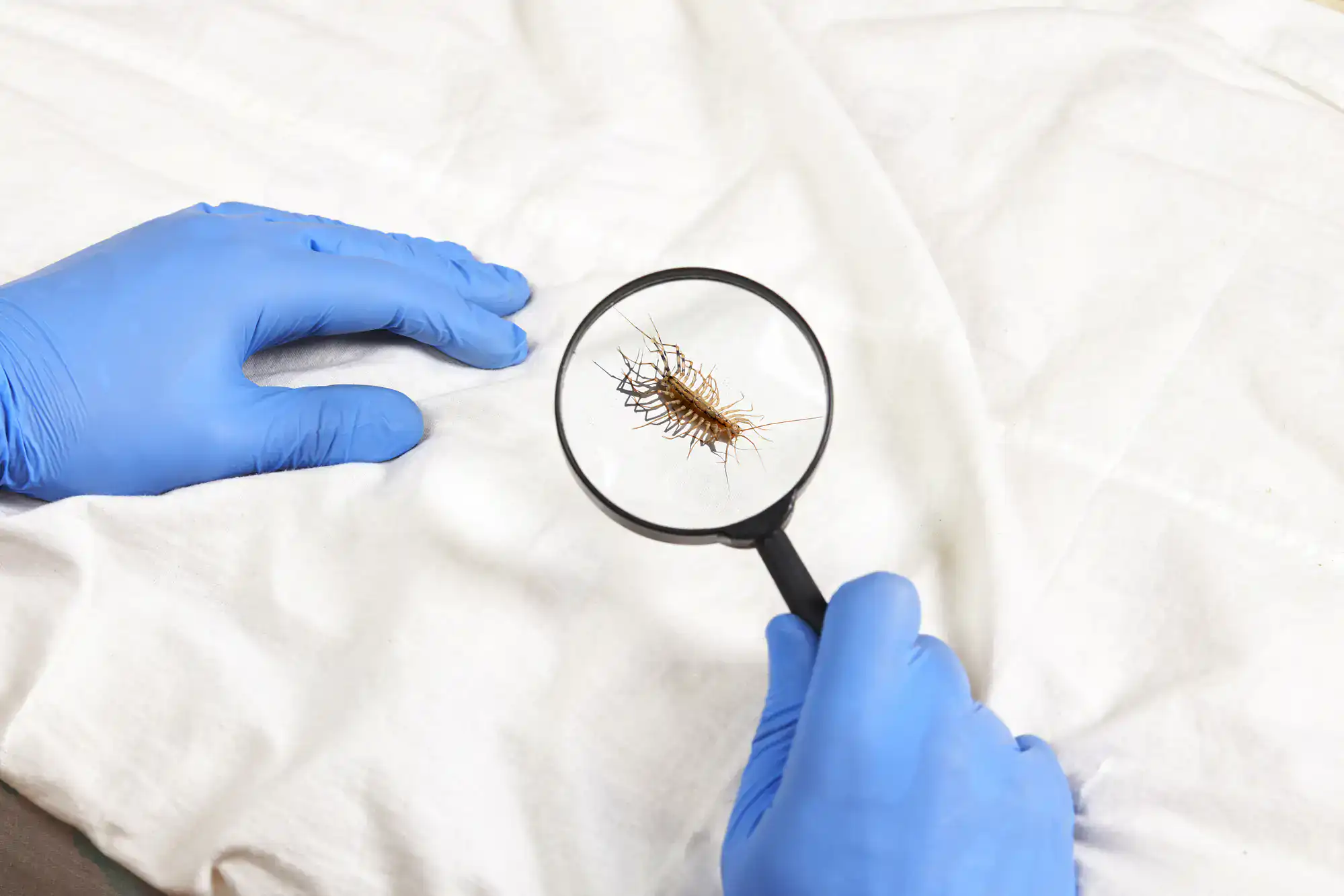
Earlier than most people think. On Long Island’s North Shore, deer ticks don’t follow a simple summer schedule. Adult black-legged ticks become active on any day temperatures climb above 35 to 40 degrees, which on the North Shore can mean late February during a warm stretch. The most critical window is April through June, when nymphal ticks the stage responsible for the majority of Lyme disease transmissions emerge and are nearly impossible to spot with the naked eye.
A program that starts in late spring has already missed the highest-risk period. Our seasonal programs are designed to have your first application down before nymph emergence, so you’re protected during the window that actually matters most. If your St. James property has wooded borders or backs up to undeveloped land common in this area, especially near the Stony Brook University corridor earlier treatment is even more important because deer and wildlife are actively moving through those areas year-round.
Yes when applied correctly by a licensed professional. That last part matters. NYSDEC-licensed applicators are trained in proper application rates, targeted treatment zones, and safe handling. Products are applied to the areas where ticks and fleas actually live wooded borders, shrub beds, shaded margins not broadcast-sprayed across every square foot of your yard. Re-entry is typically safe within 30 to 60 minutes after the product has dried, depending on conditions.
The more relevant comparison is risk versus risk. An untreated yard in St. James where more than half of Long Island ticks carry Lyme disease and nearly 17% of nymphal ticks in Suffolk County carry Babesia microti is a documented health hazard for children and pets who spend time outside. A professionally managed, correctly applied flea and tick program is a fraction of the risk of a single tick-borne illness, which can mean weeks of antibiotics at minimum and long-term health consequences at worst. The goal is to make your yard safer, not to introduce a new concern.
A minimum of three applications covers the major exposure windows early spring before nymph emergence, a midsummer treatment, and a fall application before the second adult tick surge in September and October. Most homeowners who are serious about protection opt for a program with treatments every 30 days from April through October, which provides consistent residual coverage across the full active season.
The fall treatment is the one most commonly skipped, and it’s a real gap. Adult deer ticks are highly active in September through November on Long Island, seeking a final blood meal before winter. If your program ends in August, you’re exposed during one of the two highest-risk periods of the year. For properties in St. James with wooded borders or significant deer traffic, skipping the fall treatment essentially undoes a good portion of what the spring and summer applications accomplished.
A few reasons. Store-bought concentrates are formulated at lower active ingredient levels than professional-grade products, and they typically don’t include Insect Growth Regulators that interrupt the flea reproductive cycle. More importantly, most homeowners apply product to the open lawn which is not where ticks primarily live. Ticks concentrate in shaded, humid environments: the wooded border along your property line, the leaf litter under your shrubs, the unmaintained grass margin where your lawn meets a fence or wooded area.
If your St. James property has a wooded backyard or borders undeveloped land and many do, given the proximity to Stony Brook University’s campus and the wooded corridors running through the area effective treatment means going into those zones, not stopping at the lawn edge. Professional application targets the actual harborage areas with correctly concentrated products, applied at the right intervals to maintain residual protection between treatments. That’s the difference between treating the symptom and actually addressing the source.
A well-designed seasonal program covers both. Fleas and ticks share overlapping harborage zones shaded ground cover, organic debris, leaf litter, unmaintained shrub beds so a program that targets tick habitats is also addressing the areas where fleas breed and live. The key is that flea control requires attention to the reproductive cycle, not just the adult population. Fleas can lay hundreds of eggs in a matter of days, and those eggs survive in the environment long after adult fleas are gone.
On North Shore Long Island properties like those in St. James, flea pressure tends to peak in late summer when conditions are warm and humid exactly the environment that mature tree canopy and shaded yards create. If you have a dog that spends time in the yard, treating the pet alone without treating the yard is a losing battle. The yard is the source. Our program addresses both pest types in the same seasonal treatment cycle, so you’re not paying for two separate services or managing two separate schedules.
The most straightforward difference is licensing. Every Lawn Master technician holds NYSDEC Commercial Pesticide Applicator certification a state-required credential that involves a 30-hour training course and a formal exam. Not every company operating in the Smithtown and St. James area can say that. When someone without that certification applies pesticides to your property, they’re not just cutting corners on quality they’re operating outside New York State law.
The other difference is that we’re not only a pest control company. Because the same team handles your lawn care aeration, fertilization, turf health your yard becomes actively less hospitable to fleas and ticks over time, not just temporarily treated. A dense, properly maintained lawn with reduced thatch and moisture accumulation is a harder environment for pests to establish in. No standalone exterminator offers that. We’ve been working in Suffolk County since 1987, based out of Port Jefferson Station a few miles east on Route 25A and that kind of long-term local presence means the program you’re getting is built around how tick season actually behaves on Long Island’s North Shore, not how it looks in a franchise training manual.
Useful Links
Other Services we provide in St. James