
Hear from Our Customers
There’s a reason overseeding keeps failing on North Shore properties throughout St. James and the surrounding Smithtown area. The glacial moraine soils that run through this region compact more readily than the sandy soils further south on Long Island. When the ground is compacted, roots can’t penetrate, water can’t drain, and seed can’t establish no matter how much product gets applied.
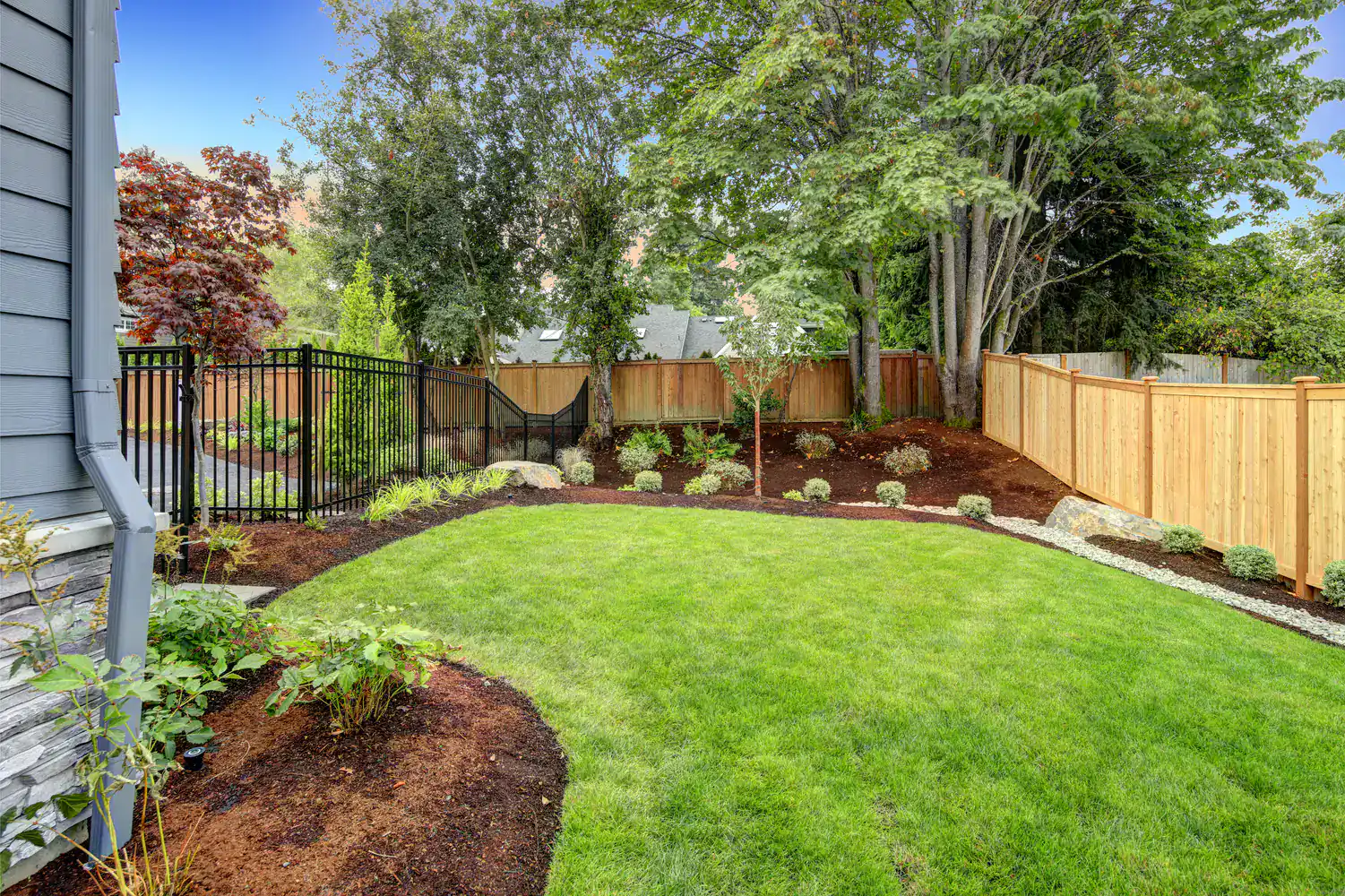
A real lawn renovation fixes that at the source, not on the surface. Once the soil is properly prepared aerated, pH-corrected, and ready to actually support new growth the difference shows fast. You get thick, deep-rooted turf that holds through summer heat, resists the kind of grub damage that’s common across Suffolk County in late summer, and doesn’t thin out the moment stress hits. That’s not a temporary fix. That’s a lawn that lasts.
St. James is a community that takes visible pride in how properties look. The tree-lined streets, the historic homes, the well-kept properties near Deepwells Farm the standard here is high, and your lawn should match it. A complete lawn rebuild doesn’t just improve curb appeal. On a property valued near $690,000 in today’s St. James market, it protects a real financial investment.
We’ve been doing this work since 1994 not in some other state, not on the South Shore, but right here in St. James and the surrounding North Shore, in the same soil conditions that affect every lawn in this area. Our founder Matt Shaker built this company from the ground up as a renovation-first operation, which means our entire process the equipment, the approach, the timing is designed around rebuilding lawns, not just maintaining them.
Operating out of Port Jefferson Station, just a few minutes east of St. James along Route 25A, we’re not a national brand routing calls through a call center. When you reach out, you’re talking to people who know what lawns in St. James deal with the shade from mature canopy, the compaction in heavier glacial soils, the grub pressure that hits every August. That’s thirty-plus years of local pattern recognition working in this specific area, and it shows in the results.
Every renovation starts with an honest look at what’s actually going on. Before anything gets applied or seeded, we assess the condition of your soil compaction levels, pH, drainage, and what’s already growing (or dying) in the lawn. In St. James, that often means identifying grub damage from the previous summer, shade stress from mature tree canopy, or invasive species like nutgrass or bentgrass that standard weed programs can’t touch. Knowing what we’re dealing with changes everything about how the job gets done.
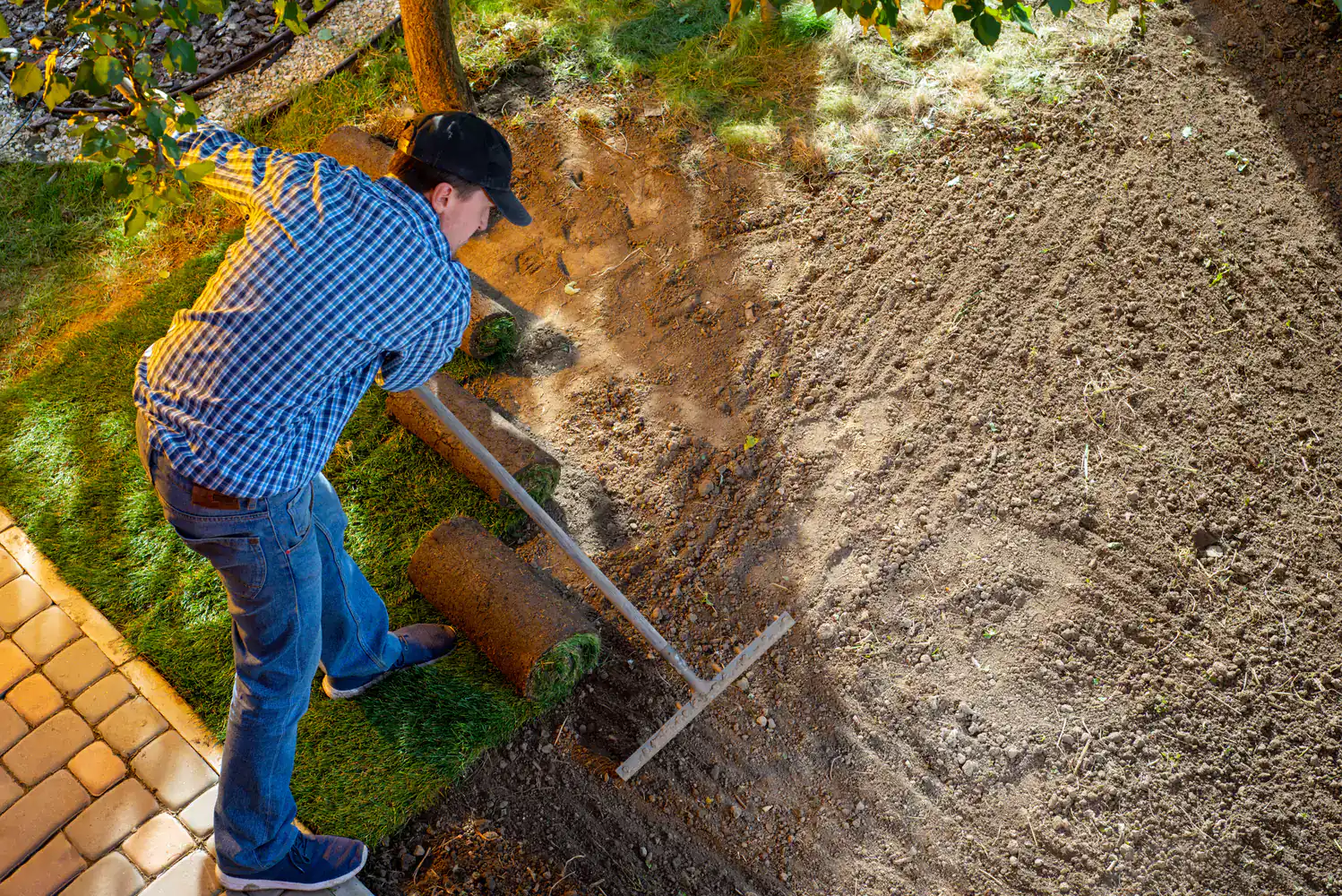
From there, the ground gets prepared properly. That means core aeration to break up compacted soil, pH correction with lime where needed, and targeted weed elimination before a single seed goes down. This is the step most companies skip and it’s exactly why their results don’t hold. We use power seeding equipment that drives seed directly into the soil at the right depth, giving it the best possible contact and germination environment.
Timing matters too. In St. James, fall is the right window late August through October, when soil temperatures drop into the range cool-season grasses need to establish well. North Shore soils warm more slowly in spring than South Shore soils, which compresses that spring window considerably. We work within the right seasonal timing for this specific area, not a generic schedule that ignores how Long Island’s North Shore actually behaves.

Ready to get started?
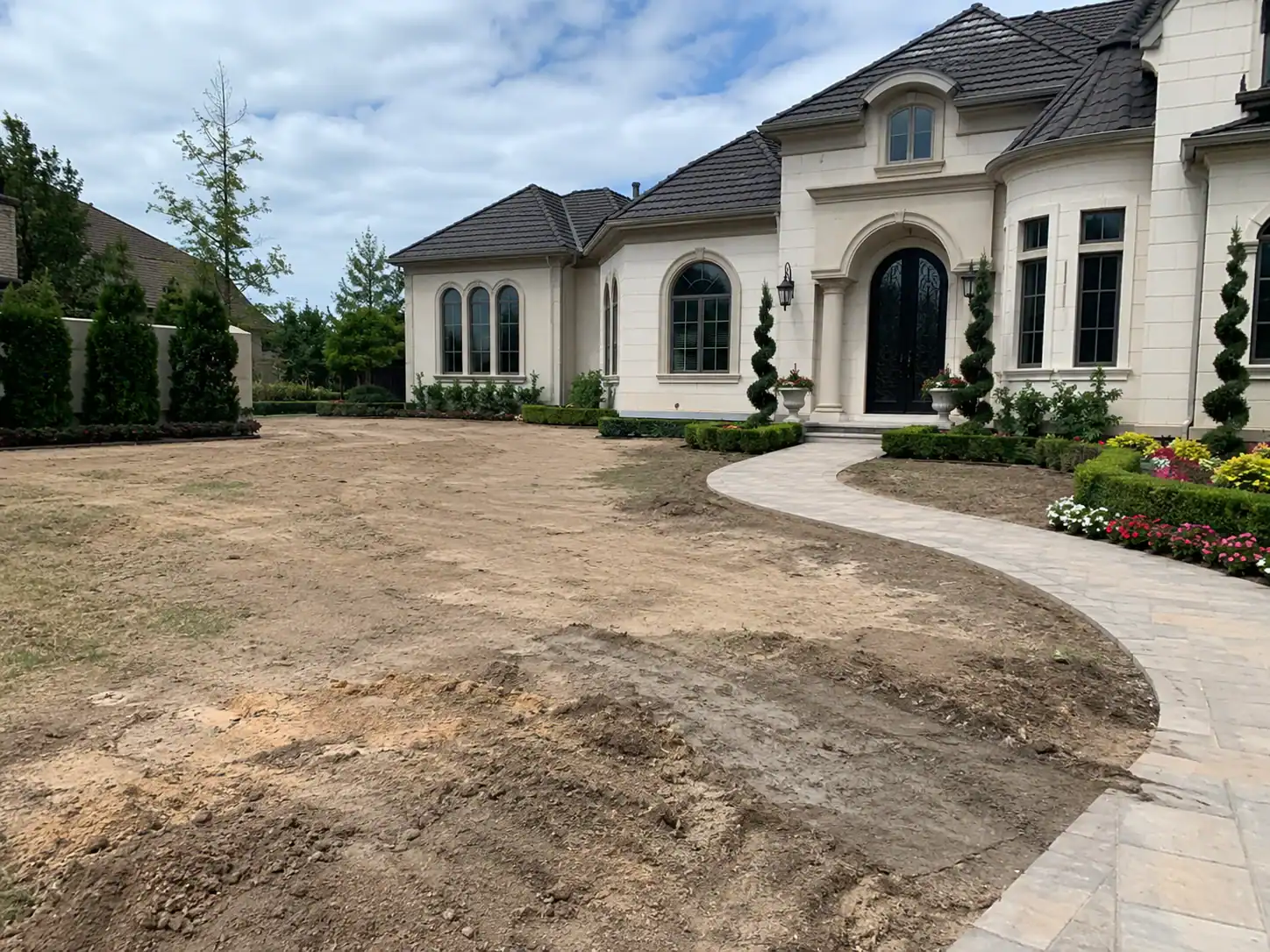
Our renovation services cover the full range from partial renovation seeding programs for lawns with isolated damage to complete new lawn installation for properties where the turf is too far gone to save. That full-spectrum capability matters, because a lot of St. James lawns that look like they just need overseeding actually need a complete rebuild. Grub damage that’s gone unaddressed for a season or two, bentgrass invasion that’s taken over large sections, years of compaction from heavy clay-influenced soil these aren’t patch-job problems.
Core aeration, lime application, nutgrass control, bentgrass control, and renovation seeding are all part of what we offer, and they’re applied based on what your specific lawn actually needs not a one-size-fits-all program. Suffolk County’s Local Law 41-2007 requires licensed applicators to check for proximity to public drinking-water wells before applying any treatments, and we operate in full compliance with both county and New York State pesticide application requirements. That matters in a community like St. James, where environmental responsibility and property stewardship go hand in hand.
Annual programs, fertilization, and flea and tick treatments are also available once the renovation is complete so the lawn you rebuild stays in good shape going forward. The goal isn’t just to fix what’s broken. It’s to give you a lawn that holds up year after year, in the specific conditions that North Shore Suffolk County properties actually face.
Fall is the clear answer for St. James and the surrounding North Shore specifically late August through October. That’s when soil temperatures drop into the 50 to 65 degree range that cool-season grasses like tall fescue, Kentucky bluegrass, and perennial ryegrass need to germinate and establish properly. Weed competition also drops significantly in fall, because crabgrass dies off with the first frost and stops competing with new seedlings for space and nutrients.
Spring is a secondary option for addressing winter damage or isolated bare patches, but it comes with real limitations on Long Island’s North Shore. The heavier glacial moraine soils in St. James warm more slowly in spring than the sandy soils further south sometimes 7 to 14 days later which compresses the effective seeding window considerably. Add in the crabgrass pressure that kicks in once soil temperatures climb, and spring renovation carries a higher risk of failure than fall. If your St. James lawn needs work, fall is when to do it, and booking early matters because schedules fill up fast.
The most common reason is that the underlying soil was never addressed. Overseeding spreads seed on top of whatever is already there compacted soil, low pH, existing weeds, dead thatch and expects it to take hold. On North Shore Long Island properties in St. James, where the soil has more clay content and compacts more readily than South Shore sandy soils, this approach almost always underperforms. The seed germinates weakly, the roots can’t penetrate deep enough, and the lawn thins out again by the following summer.
A true lawn renovation fixes what’s underneath before anything gets seeded. That means core aeration to relieve compaction, pH testing and lime application to correct soil acidity, and targeted weed control to eliminate competition before new grass establishes. Power seeding drives seed directly into the soil at the right depth rather than leaving it sitting on the surface. When those steps happen in the right order, the results hold not just for one season, but for years.
Yes, and it’s one of the more common renovation scenarios across Suffolk County. Japanese beetle grubs feed on grass roots in late summer, and the damage often shows up as large patches of dead, spongy turf that can be rolled back like a carpet. It looks dramatic, but it’s fixable the key is that you can’t just overseed over it and expect results. The root system is gone, and the soil underneath is often compacted and disturbed from the grub activity itself.
A proper renovation after grub damage involves soil preparation first addressing compaction, correcting pH, and making sure the area is ready to support new growth followed by power seeding with the right grass variety for the specific conditions of that area of your lawn. If there’s heavy shade from tree canopy nearby, that affects the variety selection. If drainage is compromised, that gets addressed too. The renovation is built around what the damaged area actually needs, not a generic fix applied the same way regardless of conditions.
Lawn renovation in the St. James area typically runs between $0.75 and $4.00 per square foot depending on the scope of work what the soil needs, how much of the lawn is being addressed, and whether the job involves partial renovation seeding or a complete new lawn installation. For a typical property in the 5,000 to 10,000 square foot range, that puts the investment somewhere between $3,750 and $22,500 depending on the condition of the lawn and what’s required.
Whether it’s worth it comes down to what you’re protecting. Median home values in St. James are approaching $690,000, and the real estate market here has been appreciating steadily. Curb appeal is one of the first things buyers notice, and a well-established lawn is a visible signal of how a property has been maintained. Beyond resale, there’s the straightforward reality that repeated failed overseeding attempts add up multiple seasons of seed, fertilizer, and wasted time often exceed the cost of doing it right once. A renovation done properly doesn’t need to be repeated every year.
Both can be addressed, and both require specific treatment not standard weed control. Nutgrass (also called nutsedge) is a persistent problem across Suffolk County and is particularly stubborn because it reproduces through underground tubers that standard herbicides don’t reach effectively. Bentgrass is a different issue it’s a fine-bladed, low-growing grass that invades cool-season lawns and creates a patchy, uneven appearance that most homeowners mistake for a disease or soil problem.
We specifically offer nutgrass and bentgrass control as part of our renovation services, which is not something most general lawn care companies in the area are equipped to handle. For lawns in St. James where these species have taken over significant portions of the turf, targeted treatment before renovation seeding is essential you can’t seed over an active nutgrass or bentgrass infestation and expect the new grass to outcompete it. The sequence matters: eliminate the problem first, prepare the soil, then seed into a clean environment.
The most straightforward answer is specialization. Most lawn care companies serving St. James whether it’s a national brand or a local maintenance crew lead with fertilization programs, weed control contracts, and seasonal maintenance. Renovation is either an afterthought or something they offer without the equipment, soil knowledge, or process depth to do it well. We were built around renovation from the start, which means our entire operation the equipment, the seasonal timing, the soil preparation approach is oriented toward rebuilding lawns, not just maintaining them.
There’s also the matter of local experience. Thirty-plus years working in St. James and the North Shore means we understand the specific challenges that properties in this area face: the heavier glacial soils, the shade pressure from mature canopy, the grub cycles, the invasive species that don’t respond to generic treatment. That’s not something you get from a company that applies the same program across every region it serves. It’s the kind of pattern recognition that only comes from doing this work in this specific area for a long time.
Useful Links
Other Services we provide in St. James