
Hear from Our Customers
If you’ve been putting money into fertilization and not seeing the results you expected, the lawn isn’t the problem the soil is. Compacted soil blocks water, nutrients, and oxygen from reaching the root zone. Fertilizer sits on top, washes off with the next rain, and never gets to where the grass actually needs it. Core aeration opens the soil back up and lets everything work the way it’s supposed to.
St. James homes were largely built in the 1950s, 60s, and 70s. That means most lawns here have been mowed, walked on, and frozen and thawed for 50 years or more. The Haven Loam soils common to this part of Suffolk County’s North Shore are naturally good but decades of use create a compacted surface layer that no amount of fertilizer or watering can fix on its own. Once that layer is broken up, you’ll typically see better color, thicker growth, and grass that actually holds up through summer stress.
The mature tree canopy that defines so many St. James streets adds another layer to this. Root competition, shade stress, and years of leaf accumulation all contribute to thatch buildup that acts like a barrier between your lawn and the soil beneath it. Aeration cuts through that barrier. Water gets in. Seed makes contact. Fertilizer reaches the root zone. The lawn starts responding the way it should.
We’re a Suffolk County lawn care company, and St. James is squarely within the territory we work every season. We’re not routing jobs here from a call center or sending out a crew that’s never seen a North Shore lawn. We know what Haven Loam looks like after a dry summer. We know what the fall window actually is on Long Island and how fast it closes once the leaves start dropping along Route 25A.
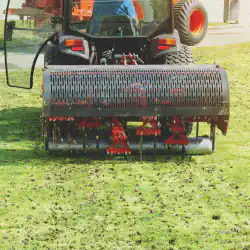
What sets us apart isn’t just experience it’s equipment. Our hydraulic aerator operates at a different level than the drum aerators you’ll find at Home Depot or on the back of a competitor’s trailer. It drives tines 3 to 4 inches into the soil, which is what it takes to actually reach the compaction layer on an established North Shore lawn. Standard rental equipment tops out around 1.5 to 2 inches on a good day and on compacted soil, it often does less than that.
Our applicators are NYS-licensed, which matters here. St. James sits adjacent to Smithtown Bay and the Nissequogue River watershed, and New York’s fertilizer laws restrict phosphorus applications near sensitive waterways. When you hire us, you’re hiring a company that knows those rules and follows them. We also handle full St. James new lawn installation for lawns that need a reset.
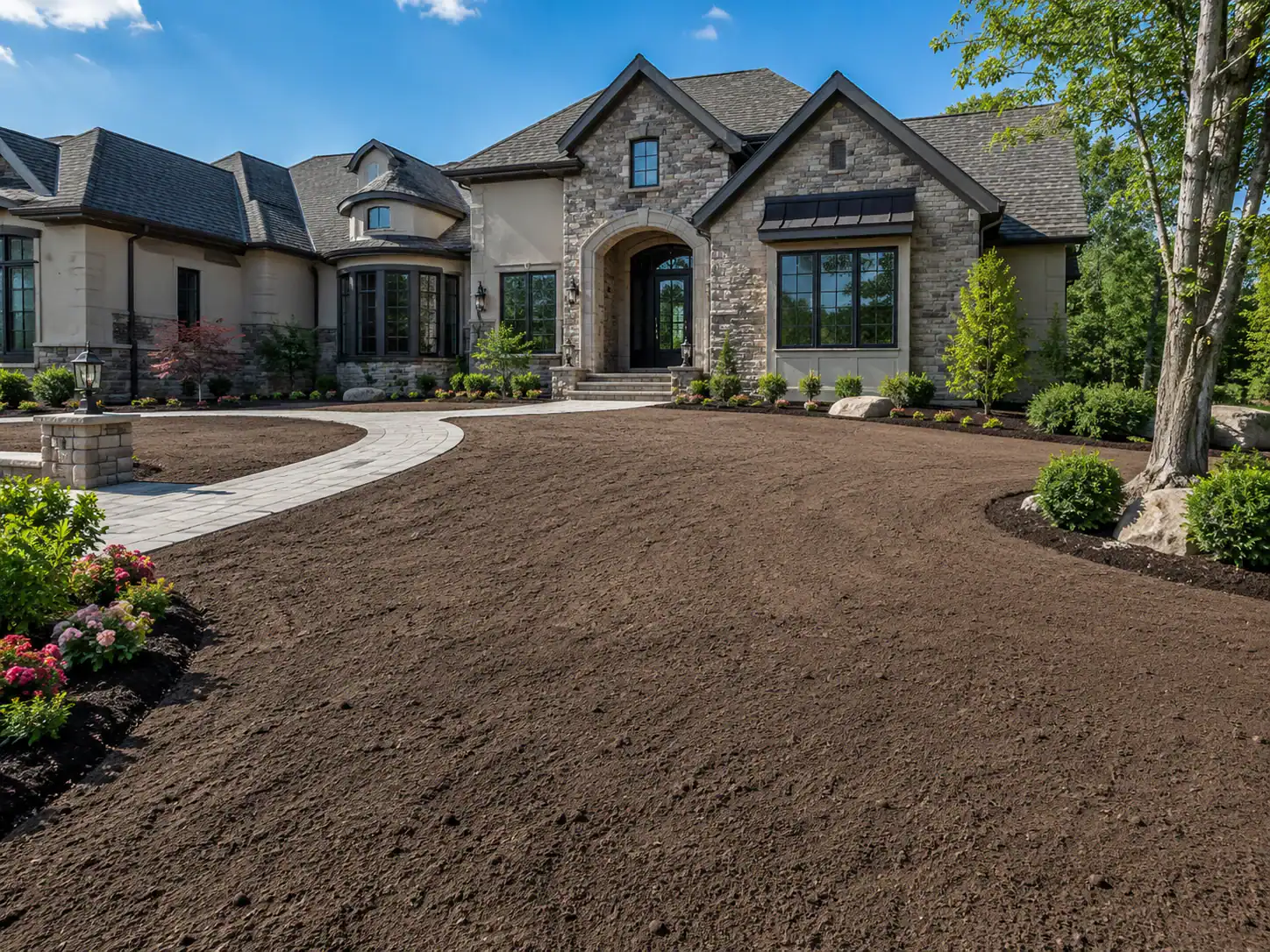
Before we touch your lawn, we assess it. Soil type, thatch depth, current turf density, and any trouble areas all factor into how we approach the job. St. James lawns near the historic district and older neighborhoods off Moriches Road often have heavier thatch accumulation and more root competition from mature trees that affects the depth and pattern of passes we make.
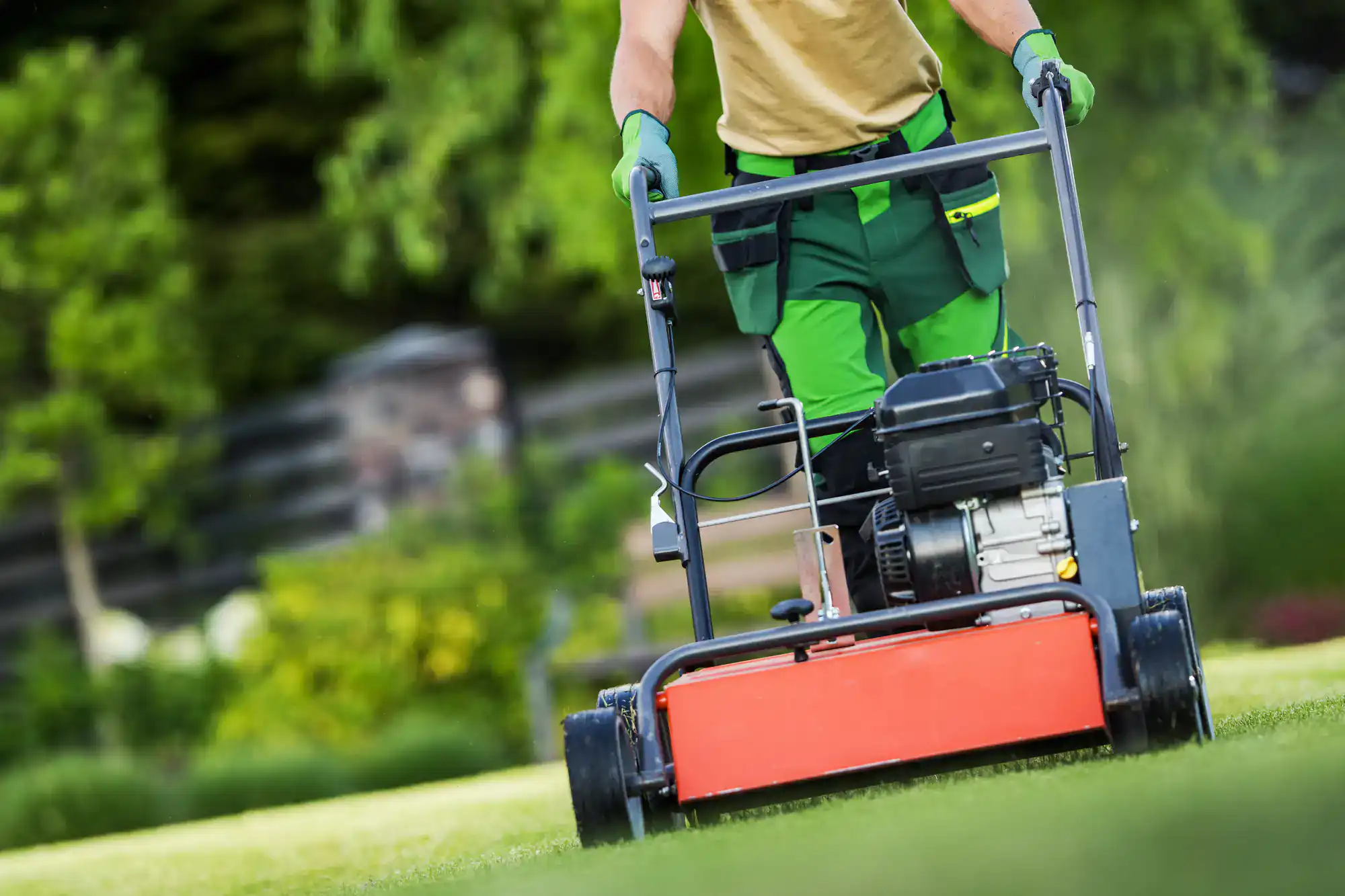
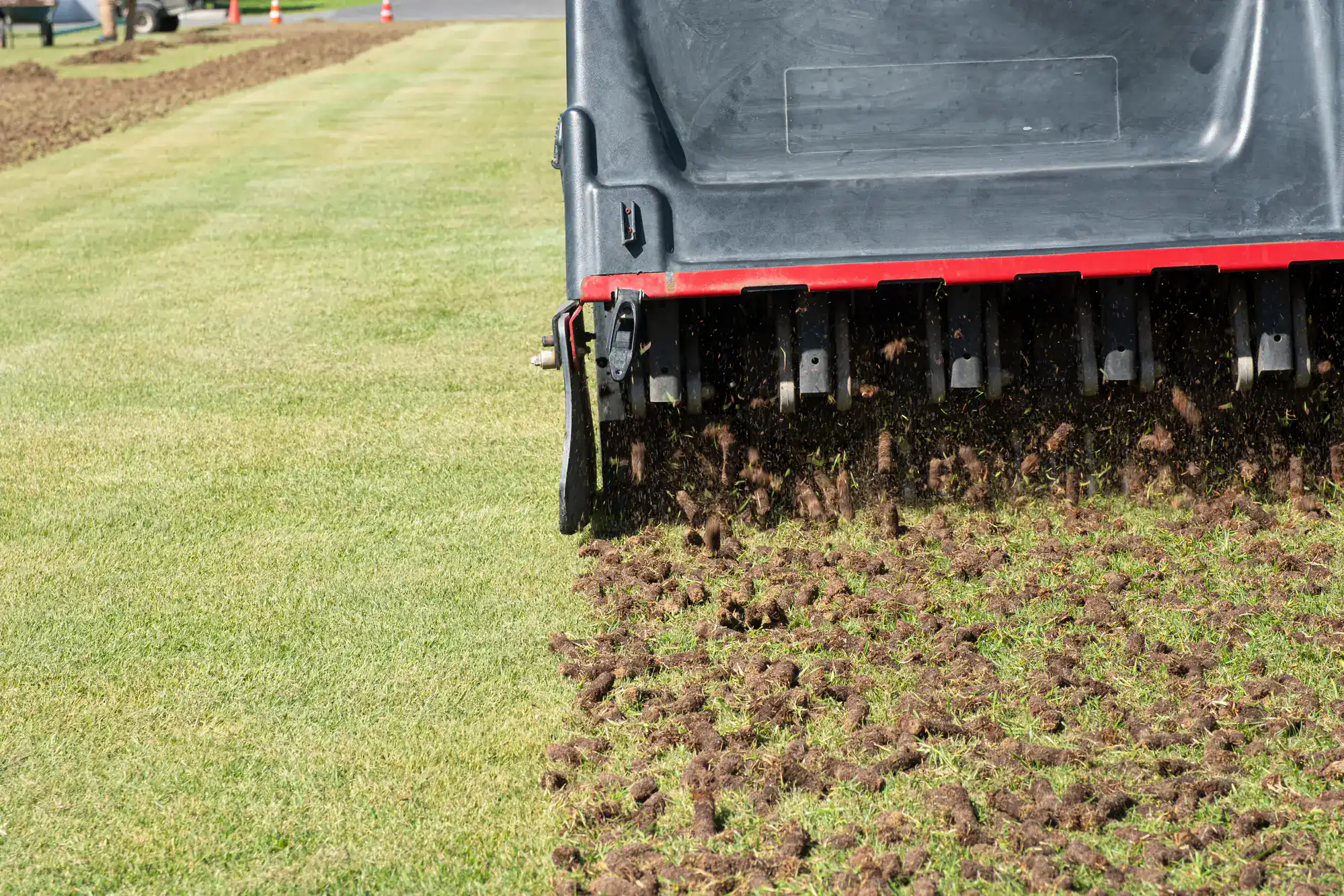
The aeration itself is done with our hydraulic aerator, which pulls consistent 3-to-4-inch cores across the entire lawn. We make multiple passes, not one. The cores small plugs of soil get left on the surface. We know that looks unexpected if you haven’t seen it before, so we explain it upfront: those plugs break down naturally within two to four weeks, and as they do, they return organic matter and soil microbes directly to the surface. Removing them would eliminate one of the real benefits of the service.
If you’re pairing aeration with overseeding, timing matters more in St. James than most homeowners realize. The optimal fall window runs from late August through mid-September before the heavy leaf drop that comes with the hamlet’s mature canopy. Seed that goes down before the leaves fall has a clean path to soil contact and the warm ground temperatures it needs to germinate. We’ll walk you through that timing when you request your estimate so you’re not left trying to seed around a blanket of oak leaves.
Ready to get started?
Core aeration and lawn aeration refer to the same service a mechanical process that removes small plugs of soil to relieve compaction, improve drainage, and restore the soil’s ability to absorb water and nutrients. Spike aeration is different, and worth understanding: instead of removing soil, spike aerators push it aside, which actually increases compaction in the surrounding area. On the Haven Loam soils of St. James, spike aeration doesn’t help it can make things worse. Core aeration is the right tool for this soil type.
When aeration is paired with overseeding, the results are significantly better than overseeding alone. The aeration holes give seed direct access to soil which is the single most important factor in germination success. Research from university extension programs consistently shows germination rates 30 to 50 percent higher on aerated ground versus un-aerated turf. For lawns in Head of the Harbor and the larger-lot properties on the north end of St. James, where turf competes with mature root systems and shade, this combination is often the difference between a lawn that fills back in and one that stays thin.
Aeration also pairs naturally with our fertilization programs. If your lawn has been on a fertilizer schedule without visible improvement, aeration is almost always the missing step. The soil needs to be open for the fertilizer to work. We offer aeration as a standalone service or as part of a broader seasonal program and we’ll give you a straight answer on which approach makes sense for your property when you reach out.
The best window for core aeration and overseeding in St. James runs from late August through mid-September. This is when soil temperatures are still warm enough for cool-season grass seed tall fescue, Kentucky bluegrass, and perennial ryegrass are the dominant varieties here to germinate reliably, while air temperatures have dropped below the heat-stress threshold that kills new seedlings.
What makes St. James slightly different from more inland communities is the tree canopy. The mature oaks, maples, and other hardwoods that line the older streets in this hamlet start dropping leaves in early to mid-October. Once leaf cover builds up, it clogs aeration holes and smothers new seed. Homeowners who wait until late October to aerate are usually past the reliable germination window entirely. Booking in August or early September gives your St. James lawn the full fall recovery period it needs and gets you ahead of the rush, since quality providers in Suffolk County tend to fill up fast once September hits.
For most residential lawns in St. James, professional core aeration runs somewhere between $125 and $300, depending on the size of the property. Larger lots and there are plenty of them, especially near Head of the Harbor and the older estates off Taylor Lane can run higher. The best way to get an accurate number is to request an estimate based on your actual lawn size, not a general square footage guess.
What’s worth keeping in mind is the cost framing. If you’ve been running a fertilization program for a season or two and not seeing results, that’s likely $300 to $500 in fertilizer that hasn’t been able to do its job because the soil is too compacted to absorb it. One professional aeration treatment can unlock the value of everything you’ve already spent and make every application going forward more effective. That changes the math considerably.
Core aeration removes a physical plug of soil from the ground, creating an open channel for water, air, and nutrients to reach the root zone. Spike aeration pushes a solid tine into the soil without removing anything it just displaces the soil to the side, which actually compacts the area immediately surrounding the hole.
On the Haven Loam soils that are common across St. James and the broader North Shore, this distinction matters. These soils have good natural structure, but once they’re compacted from decades of foot traffic and mowing equipment, spike aeration doesn’t provide meaningful relief. It can make the situation worse. Core aeration is the correct approach for established North Shore lawns it’s the only method that physically removes the compacted material and creates genuine decompression in the soil profile. If someone is offering spike aeration as a cheaper alternative, it’s not a comparable service.
This is one of the most common frustrations we hear from homeowners in St. James, and the answer is almost always the same: the fertilizer isn’t reaching the root zone. When soil is compacted which is extremely common on St. James lawns that have been in place since the 1960s and 70s nutrients sit on the surface and wash away before the grass can use them. The lawn looks like it’s been fed, but the roots are essentially starving.
The other factor is thatch. The mature tree canopy in St. James contributes to thatch accumulation over time, and a thick thatch layer acts like a sponge that intercepts water and fertilizer before they reach the soil. Core aeration breaks through both problems at once it relieves the compaction and physically disrupts the thatch layer, giving your lawn a clear path to absorb what you’re putting into it. Most homeowners notice a visible difference within one full growing season after their first professional aeration.
For most St. James lawns, doing both together is the smarter move and the timing works out naturally. Aeration creates holes in the soil that give grass seed direct contact with the ground, which is the single most important factor in whether seed actually germinates. Without aeration first, seed dropped onto a compacted, thatch-covered lawn has poor soil contact and much lower germination rates. University turf research consistently puts the difference at 30 to 50 percent better germination on aerated ground.
If your lawn has thin spots, bare patches, or areas where the grass has never fully recovered from drought or disease, combining aeration and overseeding in the same visit is the most efficient way to address it. You’re already mobilizing equipment and opening the soil adding seed at that point costs less than a separate overseeding visit and produces far better results than seeding on un-aerated ground. We’ll assess your lawn and give you a straight recommendation on whether overseeding makes sense for your specific situation.
Yes and this is worth understanding before you hire anyone. New York State requires commercial applicators to hold a DEC pesticide applicator license to legally apply fertilizers and pesticides on residential properties. It’s not optional, and a meaningful number of smaller operators advertising in the St. James and Smithtown area either don’t hold one or can’t produce it when asked.
For homeowners in St. James specifically, this matters beyond just legal compliance. The hamlet sits adjacent to Smithtown Bay and the Nissequogue River watershed both water bodies where New York’s fertilizer law restricts phosphorus applications. A licensed applicator understands those restrictions and follows them. An unlicensed one may not even know they exist. Our applicators are fully NYS-licensed, and that licensing is part of why we operate the way we do not just to check a box, but because it reflects how seriously we take the work and the environment we’re working in.
Useful Links
Other Services we provide in St. James