
Hear from Our Customers
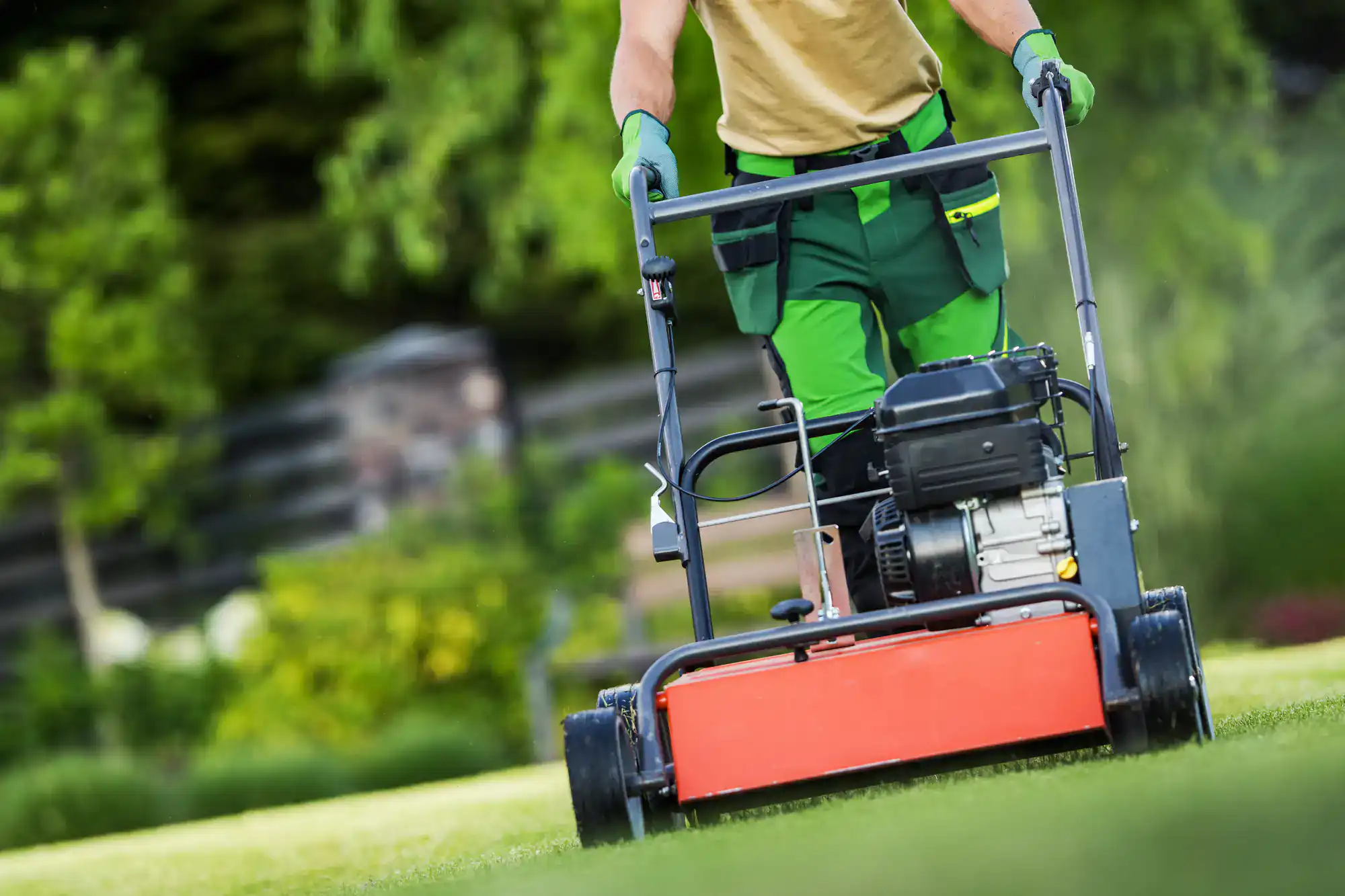
If you’ve been running a fertilization program for a season or two and still staring at thin turf, bare patches, or water pooling near the curb after rain the lawn isn’t failing you. The soil is. Compacted glacial till, which runs through most of Mount Sinai’s residential neighborhoods from Pipe Stave Hollow Road to Crystal Brook, creates a near-impermeable layer that blocks water, air, and nutrients from reaching the root zone. Fertilizer sits on the surface, runs off with the next rain, and never does its job. Aeration breaks that cycle.
Once the compaction layer is opened up, everything else starts working the way it should. Water absorbs instead of pooling. Roots grow deeper. And the fertilizer you’ve already been paying for actually reaches the zone where it matters. Studies show fertilizer uptake efficiency can improve by 30 to 40 percent after proper core aeration which means one treatment can unlock the results you’ve been waiting on for years.
Mount Sinai’s proximity to Long Island Sound also means your lawn deals with salt air and coastal wind stress that inland communities like Coram or Selden simply don’t face. Deeper roots from proper aeration give cool-season grasses the resilience to hold up through that coastal exposure. This isn’t a generic lawn care benefit it’s specific to what your turf is actually dealing with here on the North Shore.
We’re a Suffolk County lawn care company NYS-licensed, locally operated, and built around one straightforward idea: the right equipment and the right process produce results that generic programs don’t. When you’re working in Mount Sinai, where the soil profile is defined by the Harbor Hill Moraine and most homes were built on converted farmland during the 1960s through 1980s, that distinction matters more than most people realize.
Our applicators hold a New York State DEC Pesticide Applicator License a credential required by law that a surprising number of local operators don’t carry. In a coastal community with Mount Sinai Harbor and Long Island Sound in your backyard, that licensing isn’t just a credential. It means the people working on your lawn understand New York’s fertilizer restrictions near waterways and are accountable to them.
This isn’t a franchise routing your call through a national system. It’s a local operation that knows the difference between the sandier soils near the harbor bluffs and the denser, till-influenced terrain further inland and adjusts accordingly.
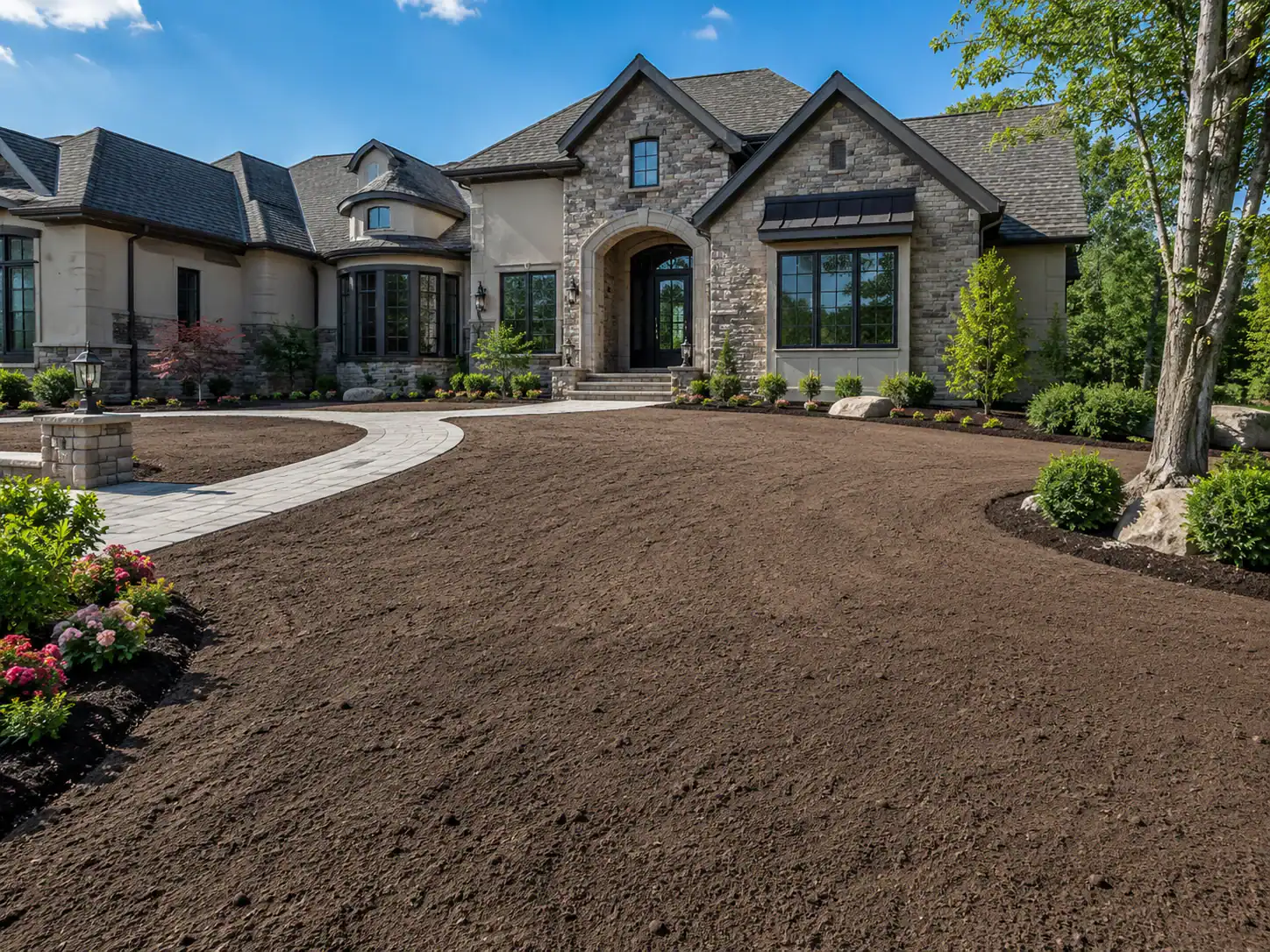
It starts with a walkthrough of your property before anything runs. Soil conditions, thatch depth, visible compaction signs, and any areas with drainage issues all factor into how the job gets done. Mount Sinai properties especially those on hillier terrain off Pipe Stave Hollow Road or in the Crystal Brook area often show compaction patterns that vary across the same lawn, and that assessment shapes our approach.
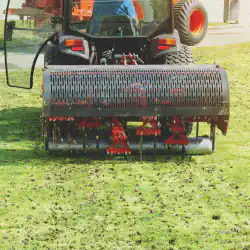
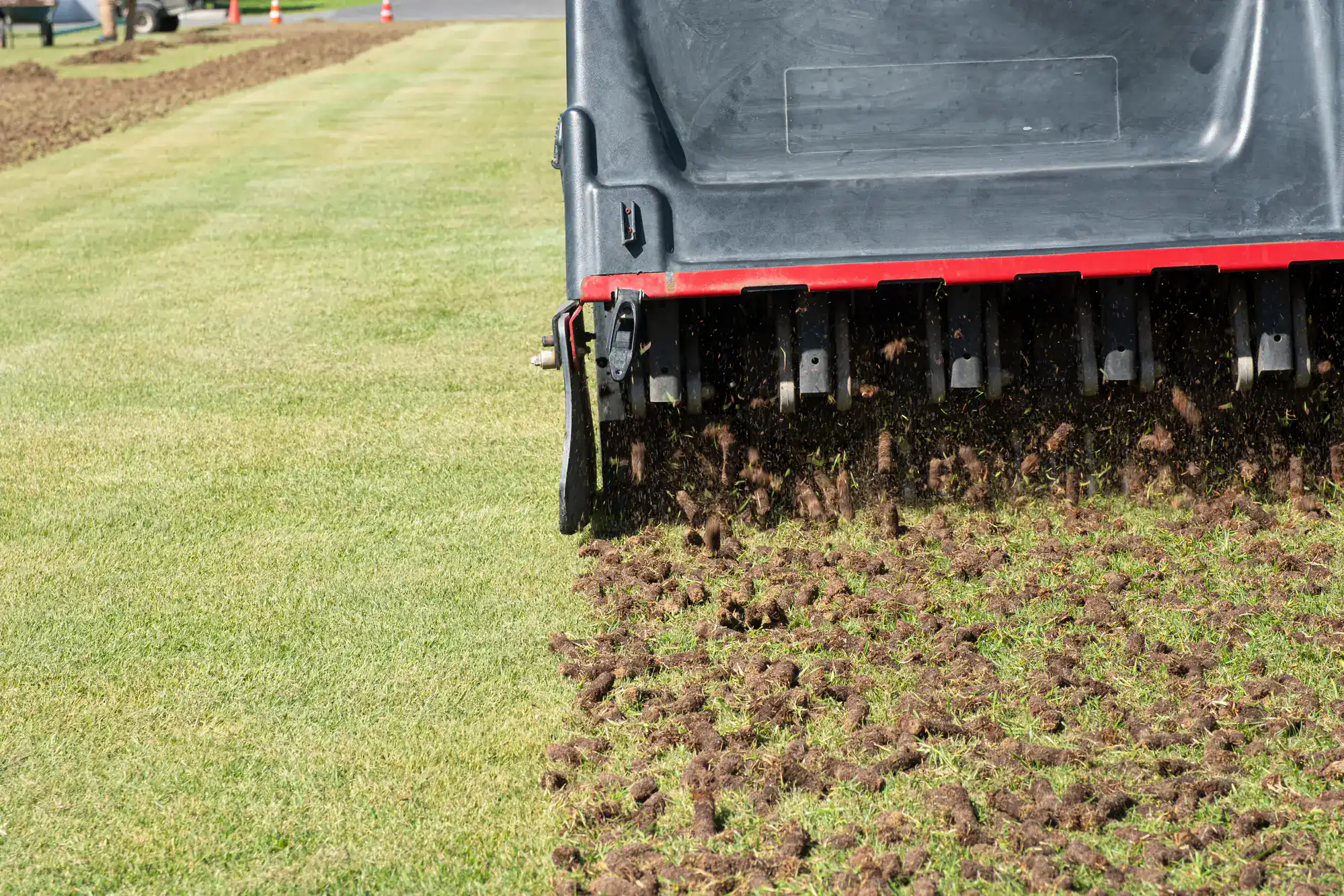
From there, our hydraulic aerator goes to work. This isn’t a rental drum aerator or a tow-behind unit. The hydraulic system drives tines consistently to three to four inches deep, regardless of surface hardness. On the glacial till soils common throughout Mount Sinai’s inland neighborhoods, that depth matters standard equipment often maxes out at one and a half to two inches, which means it’s barely touching the actual compaction layer. The cores pulled from your lawn are left on the surface intentionally. They break down over two to four weeks, returning organic matter and soil microbes back into the turf. If you’re pairing aeration with overseeding which is strongly recommended for bare or thin areas the fall window from late August through mid-October is the right time. Long Island Sound’s thermal influence keeps soil temperatures favorable slightly later into fall here than in inland communities, which gives new seed a better window to establish before winter.
Ready to get started?
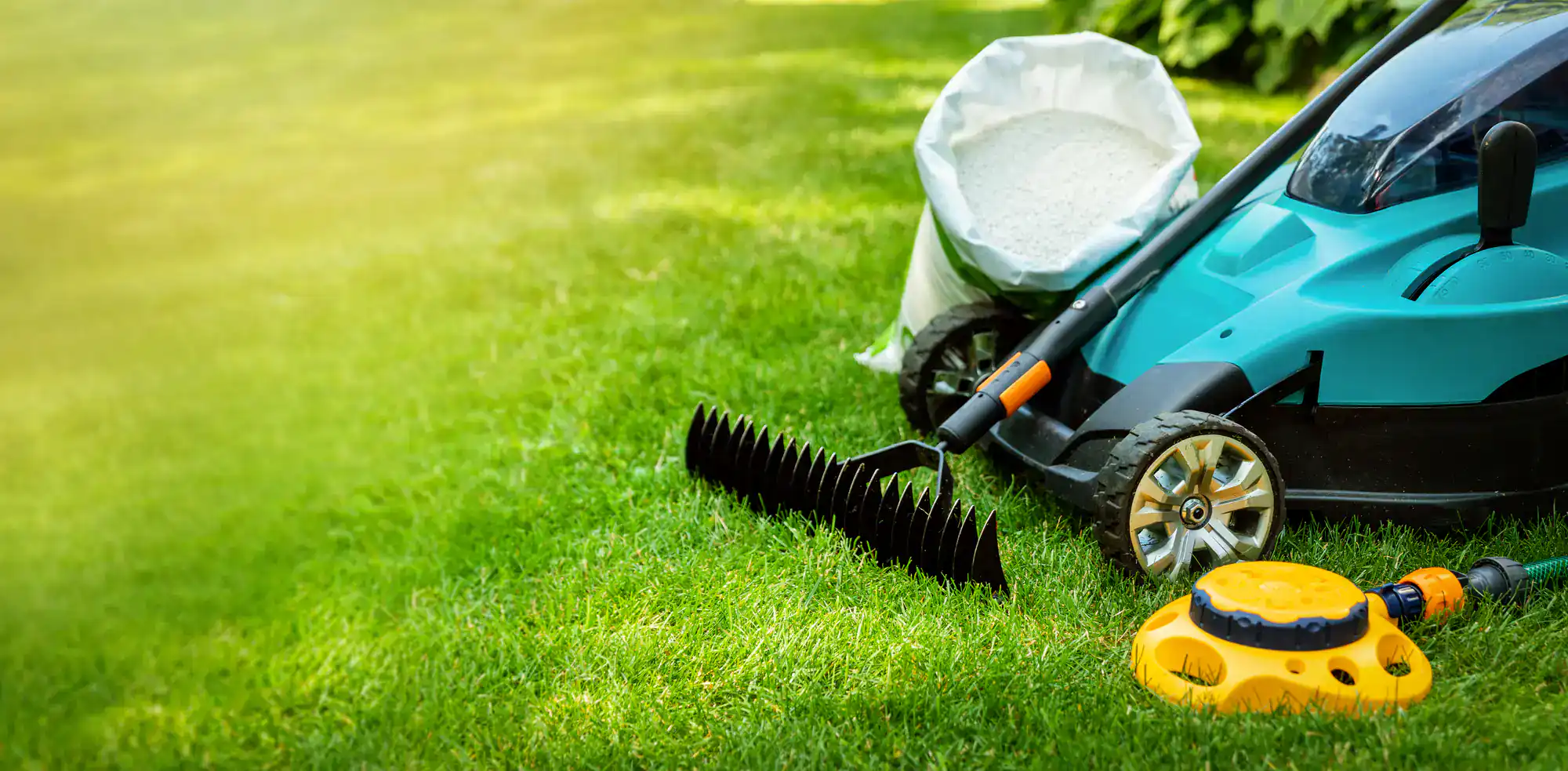
Core aeration and lawn aeration are the same service and at Lawn Master, it’s treated as the foundation of a complete lawn health program, not a standalone visit. The sequence matters: aerate first, then overseed, then fertilize. In that order, each step amplifies the one that follows. Overseeding on un-aerated ground is one of the most common and costly mistakes homeowners make. Seed dropped on compacted, thatch-covered till soil can’t make contact with the ground beneath it, so germination rates stay low and bare patches stay bare. After aeration, seed falls directly into the holes, makes soil contact, and germinates at rates that are measurably higher university extension research consistently puts the improvement at 30 to 50 percent.
For Mount Sinai homeowners, the program also includes full compliance with New York State’s fertilizer law, which restricts phosphorus use near water bodies. Every property in this area whether you’re near the harbor bluffs, along Route 25A, or further south toward County Route 83 falls within the regulatory context that licensed applicators are trained on. Unlicensed operators often skip this entirely.
The fall aeration window on the North Shore typically runs late August through mid-October. Our schedule fills up in September, and homeowners who book in August consistently get the best timing and the most flexibility for pairing aeration with overseeding before the window closes.
This is one of the most common frustrations we hear from homeowners throughout Mount Sinai and across the North Shore and the answer almost always comes back to soil compaction. Mount Sinai sits on the Harbor Hill Moraine, and the glacial till beneath most residential properties here is dense, heterogeneous, and prone to severe compaction over time. When soil compacts, it forms a barrier that fertilizer simply can’t penetrate. Nutrients sit on the surface, run off with rain, and never reach the root zone where they’re actually needed.
Core aeration breaks up that barrier by physically removing plugs of compacted soil and creating open channels through the profile. Once those channels exist, fertilizer, water, and oxygen can move through the soil the way they’re supposed to. Research shows fertilizer uptake can improve by 30 to 40 percent after proper aeration which means the program you’ve already been investing in starts producing the results you expected from the beginning. If your lawn hasn’t responded to fertilization, aeration isn’t an add-on. It’s the missing step.
It comes down to penetration depth, and on Mount Sinai’s soil, that difference is significant. A standard drum-style aerator the kind available at equipment rental shops uses fixed tines on a rotating drum and relies on the machine’s weight to push into the ground. On softer, sandier soils, it can work reasonably well. On the dense, glacial till-influenced soils common in Mount Sinai’s inland neighborhoods, it typically penetrates one and a half to two inches at best. That’s not deep enough to reach the actual compaction layer.
Our hydraulic aerator uses adjustable hydraulic pressure to drive tines consistently to three to four inches, regardless of how hard the surface is. That depth is what allows the equipment to actually decompress the soil rather than just scratch the surface. It also produces more consistent core spacing and cleaner extraction, which translates to better results when overseeding follows. If you’ve tried renting an aerator before and didn’t see much improvement, the equipment was most likely the limiting factor not your lawn.
For the cool-season grasses that make up most Mount Sinai lawns tall fescue, Kentucky bluegrass, and perennial ryegrass the optimal window for core aeration and overseeding runs from late August through mid-October. This timing works because soil is still warm enough to support germination while air temperatures have dropped enough to reduce heat stress on new seedlings. The grass also has a full growing season ahead of it before the following summer.
One thing worth knowing about Mount Sinai specifically: Long Island Sound acts as a thermal buffer for North Shore communities, keeping temperatures slightly more moderate in early fall than you’d see in inland areas like Coram or Medford. That means the favorable germination window here can extend a bit later into October than it does further inland a small but real advantage for homeowners who are pairing aeration with overseeding. Spring aeration in April or May is an option for severely compacted lawns that can’t wait, but fall is the preferred timing for most properties. Our fall schedule fills up quickly in September, so booking in August gives you the most flexibility.
Leave them. The cores pulled from your lawn during aeration are not damage they’re part of the process. Each plug contains soil, organic matter, and naturally occurring microbes that break down over two to four weeks and filter back into the turf. As they decompose, they help break down thatch buildup and return nutrients to the surface. Removing them would actually reduce the benefit of the service.
They’ll look a little rough for a week or two, especially on properties with heavier clay and till soils like many in Mount Sinai’s hillier neighborhoods. Mowing over them once they’ve dried out slightly helps accelerate the breakdown. If you’re also overseeding after aeration which is the recommended approach for thin or bare areas the plugs won’t interfere with germination. The seed is going into the holes, not sitting on top of the cores. Most homeowners find the lawn looks noticeably better within three to four weeks as the plugs break down and the overseeded areas start filling in.
In most cases, yes and compaction is almost always the reason the pooling is happening in the first place. When glacial till soil compacts, its ability to absorb water drops significantly. Research has shown compaction can reduce water infiltration by up to 50 percent, and on the dense till soils common throughout Mount Sinai, the reduction can be even more pronounced. Water hits the surface, can’t move through the compacted layer beneath, and pools or runs off toward the street, the harbor, or neighboring properties.
Core aeration restores permeability by opening channels through the compaction layer. Water can move through the soil profile the way it’s supposed to, reaching the root zone instead of running off. This is also why irrigated lawns on compacted soil still look dry the water isn’t getting where it needs to go. One important note for properties near Mount Sinai Harbor or any of the local freshwater bodies: runoff carrying fertilizer or lawn chemicals is regulated under New York State’s fertilizer law. Our licensed applicators are trained on these restrictions and fully compliant. Reducing runoff through proper aeration is both good for your lawn and good for the local waterways.
Pricing for core aeration on Long Island typically runs between $75 and $200 for a standard residential lot in the 5,000 to 10,000 square foot range. Mount Sinai properties tend to run larger than average the hamlet covers 5.27 square miles with roughly 4,100 housing units, which means generous lot sizes are common so many properties here fall in the $150 to $350 range depending on square footage and site conditions.
If you’re adding overseeding after aeration, that’s a separate cost based on the area being seeded and the seed type selected for your specific turf. Cool-season blends suited to North Shore conditions tall fescue, Kentucky bluegrass, perennial ryegrass are the standard recommendation for Mount Sinai lawns. The most straightforward way to get an accurate number for your property is to request an estimate directly. We assess the property before quoting, so the number you get reflects your actual lot size and conditions not a generic price pulled from a rate sheet. There’s no obligation attached to the estimate, and it takes the guesswork out of budgeting before you commit.
Useful Links
Other Services we provide in Mount Sinai