
Hear from Our Customers
Most lawn care programs are built for the average American lawn clay-based soil, moderate rainfall, predictable conditions. Mount Sinai is none of those things. The sandy, glacially deposited soils along the North Shore drain fast, which means nutrients applied at the wrong time or in the wrong formulation are gone before your grass ever sees them. A program that doesn’t account for that isn’t just ineffective it’s money disappearing into the ground.
Then there’s the coastal microclimate. Living this close to Long Island Sound means elevated humidity through the summer months, and that humidity is exactly what dollar spot, brown patch, and red thread thrive in. If your lawn goes thin and patchy every July and August, that’s not bad luck it’s a disease pressure problem that a properly timed program addresses before it starts. The difference between a lawn that holds through summer and one that falls apart is usually in the timing and the formulation, not the effort.
And if you’ve had grub damage the spongy, peeling sections that look like someone pulled back a rug that’s a separate issue entirely, and one that’s extremely common in Mount Sinai given the irrigated lawns and wooded surroundings. The right grub prevention product, applied at the right time by a licensed professional, stops that cycle. A generic maintenance program from a company that doesn’t understand this area won’t.
We’ve been treating Suffolk County lawns since 1987, and that’s a specific founding year that predates most of the competition and a lot of the homes currently standing in Mount Sinai’s 1990s-era developments. The institutional knowledge that comes from nearly four decades of working the same geography the same soils, the same pest cycles, the same coastal disease pressure is not something a franchise or a recently rebranded operation can manufacture.
Every technician we send to a Mount Sinai property holds a valid NYS DEC Commercial Pesticide Applicator Certificate. That matters everywhere, but it matters especially here. Properties near Mount Sinai Harbor and the Long Island Sound fall within regulated buffer zones, and the most effective grub prevention products available can only be legally applied by a certified pesticide applicator on Long Island. That’s not fine print it’s the difference between a company that’s equipped to do this right and one that isn’t.
You’ll recognize our trucks. Five fully wrapped vehicles running routes throughout the North Shore, including Mount Sinai, Port Jefferson, Miller Place, and Sound Beach. In a community this close-knit, that visibility means something.
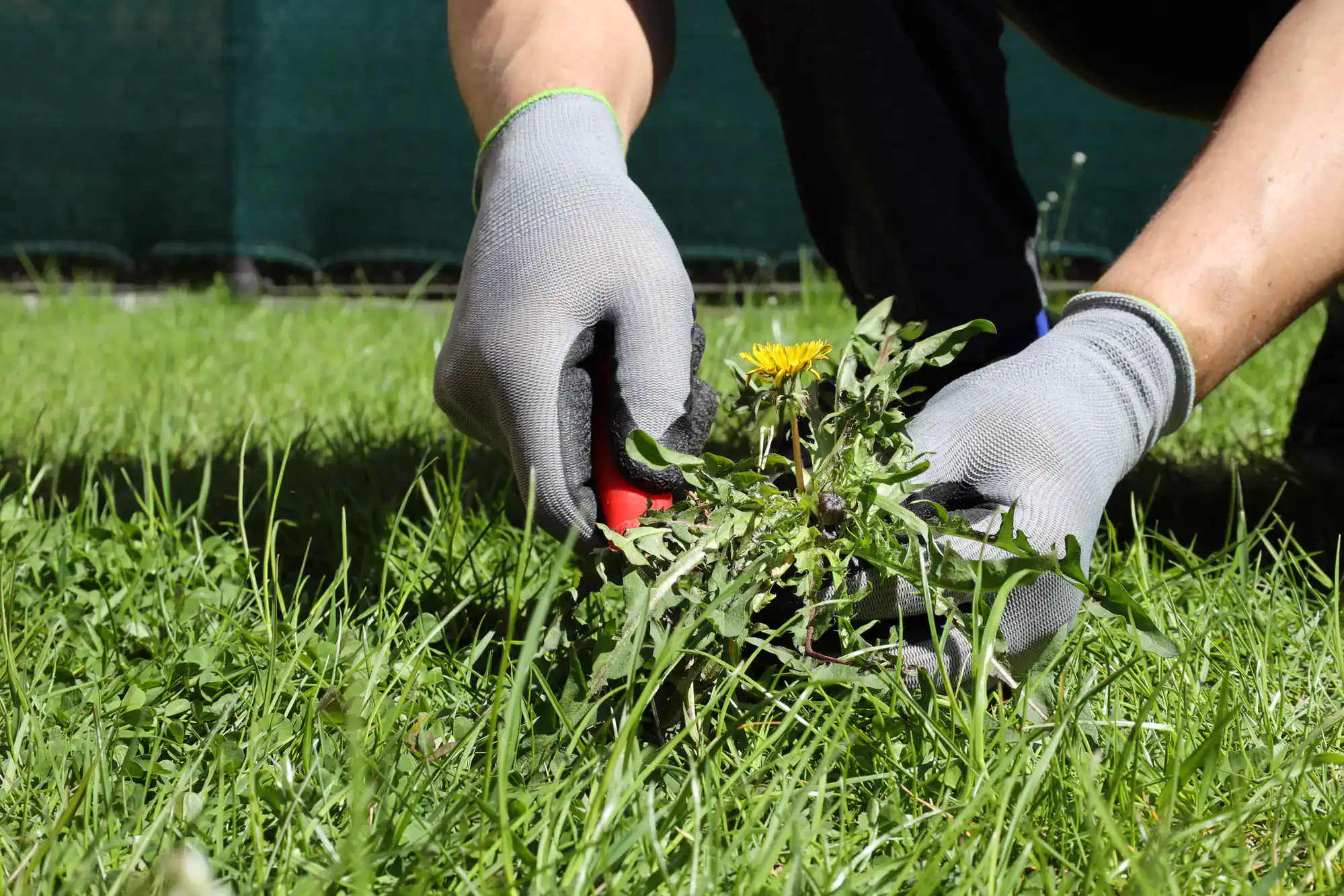
The process starts with your specific lawn not a package that gets assigned before anyone has seen what’s actually going on out there. We assess the property first: the grass species, the soil condition, the sun and shade exposure, the problem areas, and any history of grub damage, disease, or compaction. For a lot of Mount Sinai lawns, especially the 1960s-era properties that have decades of compaction and thatch built up, that assessment changes everything about what the program looks like.
From there, we build a custom-tailored treatment schedule around your lawn’s real needs and the North Shore’s seasonal calendar. Suffolk County’s fertilizer blackout period runs from November 1 through April 1 violations carry fines of up to $1,000 per application so timing isn’t optional, it’s built into the program from day one. Fall is the most important treatment window of the year for cool-season turf, and our schedule is designed to maximize that window before the blackout closes it.
When aeration is part of the program, we use hydraulic aerators not the lightweight drum equipment most companies and rental centers use. Hydraulic aerators penetrate three to four inches into compacted soil, which is the depth that actually makes a difference on the dense, underperforming lawns common in Mount Sinai’s older neighborhoods. The result is better water infiltration, stronger root development, and real seed-to-soil contact if overseeding follows. You’ll see the difference within a single growing season.
Ready to get started?
We use a custom-blended fertilizer formulated specifically for our programs and for Long Island’s soil conditions. This isn’t a generic product pulled from a distributor’s catalog. It was designed for the sandy, low-organic-matter soils that dominate the North Shore soils where standard fertilizer formulations consistently underperform because nutrients leach out before the turf can use them. No other lawn care company serving Mount Sinai offers this. Not the local independents, not the national franchises.
Every program we offer includes fertilization timed to Suffolk County’s regulatory calendar, weed control, and grub prevention applied by licensed professionals who understand the legal and environmental requirements specific to this area. For properties near Mount Sinai Harbor or within proximity of wetland drainage systems, the 20-foot buffer zone requirements are built into the application process not treated as an afterthought. We also offer lawn restoration and new lawn installs from seed for properties that have moved past the point where maintenance alone will turn things around. If another company told you your lawn was beyond saving, it’s worth a second opinion.
Online credit card invoice payment is available, so there’s no paperwork to chase down or checks to mail. For a community where a significant share of residents work from home and manage everything digitally, that’s just how a professional operation should run.
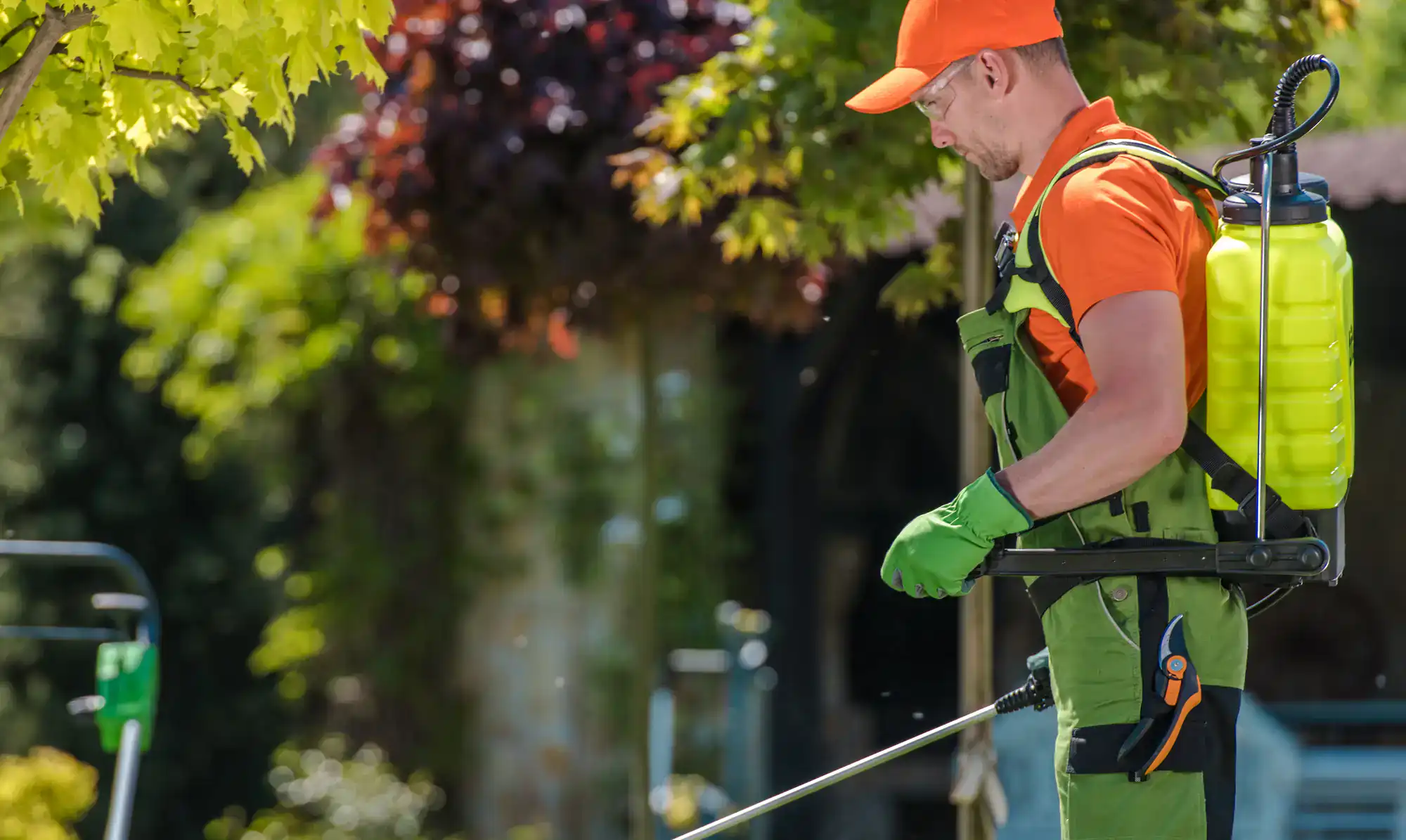
The most common culprit in Mount Sinai is a combination of two things happening at the same time: fungal disease pressure and sandy soil that doesn’t hold moisture or nutrients well through the heat. The coastal humidity that comes with living near Long Island Sound creates ideal conditions for dollar spot and brown patch both of which show up as thinning, discolored patches in mid to late summer. Most homeowners assume it’s drought stress or heat damage and try to water more, which actually makes the fungal problem worse.
The fix isn’t more water it’s a program that accounts for the disease cycle before it starts. That means proper nitrogen timing so you’re not pushing lush, vulnerable growth during the most humid weeks of the year, and in some cases a targeted fungicide application when conditions are right. Pair that with a fertilizer formulated for sandy North Shore soils that actually stays available to the turf instead of leaching out, and summer performance improves significantly. If your lawn has been doing this for multiple years, it’s not a coincidence it’s a pattern that a properly designed program can break.
Suffolk County Local Law 41-2007 prohibits fertilizer applications between November 1 and April 1 each year. Violations carry fines of up to $1,000 per application, and the restrictions also include a ban on phosphorus-containing fertilizer unless a soil test confirms a deficiency, plus a mandatory 20-foot buffer zone from all water bodies, wetlands, and storm drains. For Mount Sinai homeowners with properties near the harbor or drainage systems that flow toward the Sound, that buffer requirement is especially relevant.
What this means practically is that the fall treatment window roughly September through the end of October is the most important and most time-sensitive part of the lawn care year. The winterizer fertilizer application, which drives root development and determines how strong your lawn comes out of dormancy in spring, has to be completed before November 1. A company that doesn’t manage this calendar carefully will miss the window, and you’ll see the result in a slower, weaker spring green-up. Our programs are built around this schedule from the start the blackout dates aren’t a surprise to work around, they’re a fixed part of the plan.
Grub damage typically shows up as irregular brown patches that feel spongy underfoot if you can grab the turf and peel it back like a loose carpet, exposing white C-shaped larvae underneath, that’s a confirmed grub problem. Japanese beetle and European chafer grubs are endemic throughout Long Island’s suburban landscape, and Mount Sinai’s combination of irrigated lawns, ornamental plantings, and wooded surroundings makes it a consistent pressure zone. The damage usually becomes visible in late summer or early fall, but by the time you see it, the grubs have already been feeding on root systems for weeks.
The most effective prevention products specifically imidacloprid-based treatments may only be legally applied by a certified pesticide applicator on Long Island. That’s not a recommendation, it’s a regulatory requirement. Applying these products at the right time (typically June through July, before eggs hatch) is what makes them work. Reactive treatment after the damage is visible is significantly less effective than prevention. If you’ve had grub damage in the past, a properly timed preventive application from a licensed professional is the right move not waiting to see if it happens again.
For a property in Mount Sinai where median home values are approaching $700,000 to $785,000 and the community is tight-knit enough that neighbors notice each other’s lawns the math is pretty straightforward. A well-maintained lawn is a direct contributor to curb appeal and property value. A lawn that’s thin, weedy, or visibly damaged from grub pressure or disease is a liability that’s hard to ignore, especially in a neighborhood where the bar is high.
The more practical question is whether you’re getting what you’re paying for. Many homeowners in this area have already spent money on lawn care programs that produced little or no visible improvement usually because the program wasn’t designed for the actual soil and climate conditions here, or because the company was applying generic products on a generic schedule. A program built for Mount Sinai’s sandy soils, coastal disease pressure, and regulatory calendar costs more than a one-size-fits-all service. It also actually works, which changes the calculation entirely. If you’ve been burned before, that’s the distinction worth paying attention to.
A single fertilizer application is one input. A lawn care program is a sequence of treatments fertilization, weed control, grub prevention, aeration, overseeding timed and formulated to work together across the full growing season. The difference in outcome is significant, and it’s especially pronounced on North Shore properties where the soil conditions and seasonal pressures create a more demanding environment than most lawn care products are designed for.
On a Mount Sinai lawn with sandy, fast-draining soil, a single fertilizer application in spring might produce a flush of growth that burns out by July because the nutrients leached out and nothing was in place to support the turf through summer. A program accounts for that using slow-release formulations, timing applications to the Suffolk County regulatory calendar, and layering in weed and grub control at the right points in the season. The end result isn’t just a green lawn in May. It’s a lawn that holds through summer, recovers well in fall, and comes out of dormancy stronger the following spring. That’s the difference between a treatment and a program.
Most lawns that look beyond saving are not actually beyond saving they just need more than a maintenance program. If your lawn has significant bare patches, persistent weed domination where desirable grass has essentially been crowded out, or visible structural damage from years of grub pressure that was never properly addressed, a fertilization schedule isn’t going to fix it. What it needs is restoration: core aeration to break up compacted soil, overseeding with the right grass varieties for your specific sun and shade conditions, and a soil preparation process that gives new seed a real chance to establish.
We offer full lawn restoration and new lawn installs from seed not just maintenance for lawns that are already in reasonable shape. For the 1960s-era properties in Mount Sinai that have decades of compaction, thatch, and neglect working against them, or the 1990s-era homes built on builder-grade fill that was never properly amended, restoration is often the right starting point. The process takes a full growing season to show its full results, but the improvement is real and measurable. If another company told you your lawn couldn’t be saved, it’s worth getting a second opinion before you assume they were right.
Useful Links
Other Services we provide in Mount Sinai