
Hear from Our Customers
If you’ve been running a fertilizer program for a couple of seasons and your lawn still looks thin, yellow, or weedy the problem probably isn’t what you’re putting on it. It’s what’s happening underneath. When soil pH drops too low, nitrogen, phosphorus, and potassium get chemically locked in the ground. Your grass roots are sitting right next to those nutrients and can’t touch them. Every bag of fertilizer you’ve applied on an untreated acidic lawn has been working at a fraction of what it should.
In Mount Sinai, this isn’t a rare edge case. The North Shore’s glacial moraine soils are heavier and slower to warm than the sandy outwash soils further south, and they naturally trend acidic without active management. Add the coastal microclimate from the Long Island Sound higher humidity, more moisture movement through the soil and pH drift happens faster than most homeowners expect. Cornell Cooperative Extension puts the target pH range for Long Island turf at 6.3 to 6.5. Most untreated North Shore soils test somewhere between 4.8 and 5.5. That gap is the reason your lawn isn’t responding.
There’s also a water quality angle that matters specifically here. Mount Sinai Harbor opens onto the Sound the same water residents fish, clam, and swim in. When fertilizer can’t be absorbed because pH is wrong, it doesn’t just sit there. It leaches through the sandy soil and can reach the groundwater or run off toward the harbor. Correcting soil pH isn’t just good lawn care. It’s the responsible way to fertilize when you live this close to the water.
We’re based in Port Jefferson Station right next door to Mount Sinai on Route 25A. That location matters because we understand the specific difference between North Shore and South Shore soil conditions in this area. We know why a generic April lime schedule underperforms for Mount Sinai properties, and we’re not driving in from a regional hub two counties away.
This is a program-based lawn care company, not a one-and-done service. When you call, you reach a real person Carol handles accounts and scheduling directly. There’s no call center, no automated queue, no technician you’ve never heard of showing up without warning. For Mount Sinai, where neighbor recommendations carry real weight, that kind of accessibility is the baseline.
We’re fully NYSDEC-registered, which matters more than it sounds especially in a coastal community with New York’s nutrient runoff regulations in play near the harbor.
It starts with a soil test always. There’s no responsible way to prescribe a lime application without knowing where your soil pH actually sits. A lab test tells us the exact pH level of your lawn and calculates the precise amount of lime needed to bring it into the 6.3 to 6.5 target range. This matters because over-applying lime is just as problematic as under-applying. Push the soil too far alkaline and you create a new set of nutrient lockout problems particularly with iron and manganese that are just as damaging to turf as acidic conditions. In Mount Sinai’s sandy, fast-draining soils, where lime can leach if over-applied, precision isn’t optional.
Once the test results are in, we select the right lime product and apply it at the calculated rate. For most Mount Sinai lawns, fall is the optimal application window September through November. The reason is specific to the North Shore: the freeze-thaw cycle through winter, combined with the increased precipitation this coastal area receives, helps integrate lime into the soil gradually over the colder months. By the time spring arrives and the ground starts warming which happens 7 to 14 days later here than on the South Shore your soil is already moving toward the right range.
After application, lime takes several months to fully work. You won’t see results overnight. What you will see, over the following growing season, is fertilizer actually doing its job color improving, density filling in, and weeds losing the competitive edge they had when your soil chemistry was working against your grass.
Ready to get started?
Lawn pH treatment through us starts with a professional soil test not a hardware store kit. Consumer test strips give you a rough number but can’t calculate the lime rate your specific lawn needs to reach the target range. The lab analysis does. It accounts for your soil type, current pH, and the buffering capacity of the ground you’re working with, which varies across Mount Sinai properties depending on how close you are to the harbor, how much organic matter is in the soil, and how your lawn has been managed in previous seasons.
From there, pelletized lime is applied at the precise rate the test calls for. Pelletized lime is non-toxic and safe for children and pets once it’s been watered in an important detail for families in Mount Sinai neighborhoods where yards get daily use. The application is documented, and because soil pH drifts over time in sandy coastal soils, our program-based model includes seasonal reminders and follow-up testing on the schedule that Cornell Cooperative Extension recommends typically every two to three years.
New York State’s neighbor notification requirement applies to commercial lawn care applications, and we handle that process properly. If you’re in one of Mount Sinai’s HOA communities, we’re familiar with the documentation those communities expect.
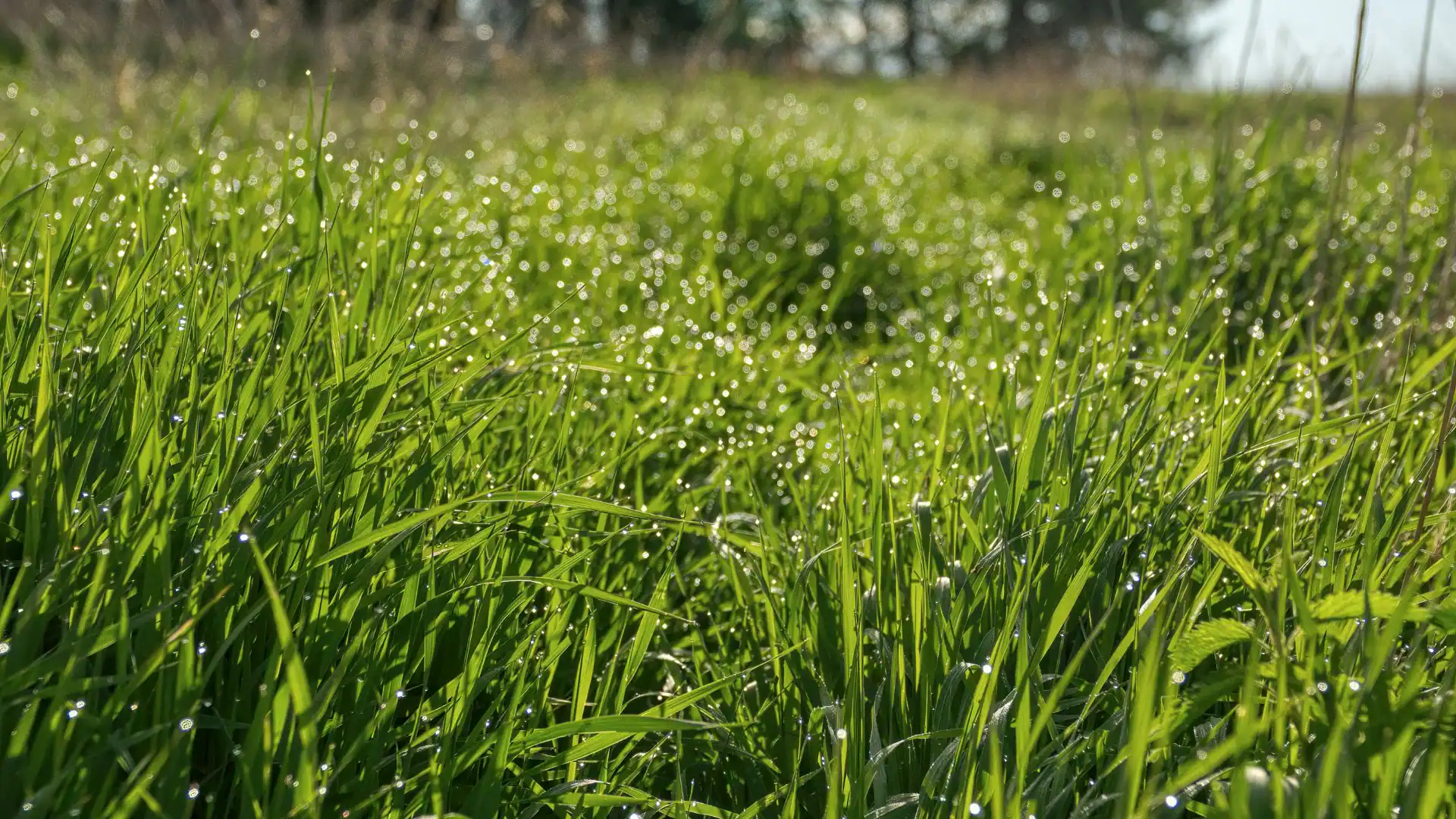
The only way to know for certain is a soil test. Visual symptoms yellowing, persistent thin spots, moss creeping in along shaded areas, weed pressure that keeps coming back despite treatment are strong indicators that pH may be off, but they’re not a diagnosis on their own. Those same symptoms can show up for other reasons, and applying lime to a lawn that doesn’t need it can create new problems.
What a soil test tells you is the actual pH number and, critically, how far off you are from the 6.3 to 6.5 target range that Cornell Cooperative Extension recommends for Long Island turf. In Mount Sinai specifically, the combination of sandy coastal soils, North Shore humidity, and the natural leaching that happens in fast-draining glacial moraine terrain means acidic conditions are common but the severity varies property to property. A test removes the guesswork entirely and gives you a number to work from.
This is one of the most common frustrations homeowners bring up, and soil pH is the explanation in the majority of cases. When pH drops below 6.0, nitrogen, phosphorus, and potassium become chemically unavailable to grass roots they’re physically present in the soil but locked in a form your lawn can’t use. You’re applying fertilizer, the label says it should work, and the lawn looks the same or worse. The fertilizer isn’t defective. The soil chemistry is blocking it.
On Long Island’s North Shore, this happens faster than most homeowners expect because sandy, fast-draining soils don’t hold onto calcium and magnesium the minerals that buffer pH the way heavier soils do. Every rain event moves those buffering minerals further down through the soil profile and away from the root zone. Without periodic lime application to replenish them, pH naturally drifts downward over time. Once you correct the pH, fertilizer starts delivering what it’s supposed to and you’ll usually see the difference within a single growing season.
Yes and it’s actually the more environmentally responsible choice compared to continuing to fertilize acidic soil. When soil pH is too low, fertilizer nutrients that can’t be absorbed by grass roots don’t just disappear. They leach through Mount Sinai’s sandy soils and can reach the groundwater or run off into coastal waterways, including the harbor. Excess nitrogen in coastal water contributes to algal blooms that deplete oxygen and harm the marine ecosystem.
Lime itself is ground limestone a natural mineral that’s been used in agriculture for centuries. It’s not a synthetic chemical, not a pesticide, and not a herbicide. Correcting soil pH through lime application makes your fertilizer more efficient, which means less of it ends up going anywhere other than your grass. New York’s nutrient runoff regulations specifically address phosphorus-containing fertilizers near waterways, and our soil-test-first approach ensures applications stay within those guidelines. For homeowners near Cedar Beach or along Harbor Beach Road, that matters.
Fall is the right window for most Mount Sinai lawns typically September through November. The reasoning is specific to the North Shore’s soil conditions. The freeze-thaw cycle that runs through winter, combined with the increased precipitation this coastal area receives from Long Island Sound weather patterns, helps work lime gradually into the soil over the colder months. By spring, when soil temperatures finally warm up enough for active grass growth which happens 7 to 14 days later on the North Shore than on the South Shore the lime has had time to start shifting pH in the right direction.
Summer application should be avoided because lime applied to heat-stressed grass can cause additional stress. Winter application on frozen or dormant turf is largely ineffective. Spring application is possible but gives you less lead time before the growing season begins. If you missed the fall window, late spring is the next best option but fall is almost always the more effective choice for North Shore properties.
Cornell Cooperative Extension recommends retesting soil pH every two to three years and retreating as needed. In Mount Sinai, that timeline is on the shorter end for most properties. The hamlet’s sandy, fast-draining coastal soils don’t hold lime’s buffering minerals the way heavier inland soils do calcium leaches out over time, and pH naturally drifts back toward acidic. The coastal humidity and precipitation patterns on the North Shore accelerate that process compared to drier, more sheltered locations further inland.
How quickly your lawn needs retreatment also depends on what’s happening above the soil. Heavy rainfall seasons, aggressive fertilization programs, and high-traffic lawns all tend to push pH lower faster. Our program-based model includes periodic soil testing on a schedule, so you’re not guessing when it’s time to reapply the numbers tell you. Properties in Mount Sinai neighborhoods with HOA lawn standards may want to stay on the tighter end of that retest schedule to keep turf consistently performing.
You can, but there are a few real risks worth understanding before you do. The first is dosing. Without a soil test, you’re guessing at how much lime your lawn needs. The pH scale is logarithmic a one-point drop means the soil is ten times more acidic, not just a little worse. Getting the application rate right requires knowing your current pH, your target pH, and your soil’s buffering capacity. Over-apply and you push the soil alkaline, which creates its own nutrient lockout problems, particularly with iron and manganese. That’s a harder problem to correct than the acidic conditions you started with.
The second issue is product selection. Not all lime products are the same. Pelletized lime, pulverized lime, and dolomitic lime behave differently in soil, and the right choice depends on your specific conditions. In Mount Sinai’s sandy coastal soils, where leaching is a real factor, product selection and application rate both affect how long the treatment holds. A professional soil test takes the guesswork out of both decisions and the cost of getting it wrong, especially on a larger North Shore property, tends to exceed the cost of doing it right the first time.
Useful Links
Other Services we provide in Mount Sinai