
Hear from Our Customers
Compacted soil is quiet about the damage it does. Fertilizer sits on the surface instead of reaching the roots. Water pools after rain instead of soaking in. Grass thins out in patches and never quite recovers, no matter what you apply on top. Core aeration breaks that cycle by pulling plugs from the soil and opening up channels for air, water, and nutrients to get where they actually need to go.
For Mount Sinai properties near the harbor and the Sound, this matters more than most people realize. The sandy, fast-draining soils common on the north side of Route 25A lose organic matter quickly and compact differently than heavier inland soils meaning the grass fades faster in dry stretches and struggles to hold color through summer. Aeration done at the right time, with the right equipment, directly addresses that.
On the upland side of Mount Sinai the properties along Crystal Brook Hollow Road and off Pipe Stave Hollow Road you’re dealing with denser glacial till that compresses under foot traffic and mowing year after year. Add in the freeze-thaw cycling Long Island’s coastal winters produce, and that compaction builds up in layers over time. Most of the homes in Mount Sinai were built between the 1970s and early 2000s. That’s decades of accumulated pressure on the soil and it shows.
We’ve been operating in Suffolk County since 1987 out of Port Jefferson Station, right up Route 25A from Mount Sinai. That proximity isn’t just convenient. It means the people treating your lawn have spent decades working in the same coastal climate, on the same glacially-formed soils, through the same brutal dry summers and freeze-thaw winters that Mount Sinai properties deal with every year.
Every job is handled by a licensed pesticide professional not a seasonal crew member following a checklist. For a community as close to Mount Sinai Harbor as this one, that distinction matters. We understand Suffolk County’s fertilizer regulations, know how to read a lawn’s specific conditions, and build a program around what your property actually needs not a generic package pulled from a menu.
Our fleet of five fully wrapped trucks reflects a business that’s been invested in this area for a long time and plans to stay that way.
It starts with a real assessment of your property not a glance from the truck window. Because Mount Sinai lawns vary considerably depending on where you are in the hamlet, the approach gets adjusted accordingly. Sandy soil near the harbor behaves differently under a hydraulic aerator than the denser till on the ridge properties further south. That distinction matters when it comes to tine depth, core spacing, and what comes next.
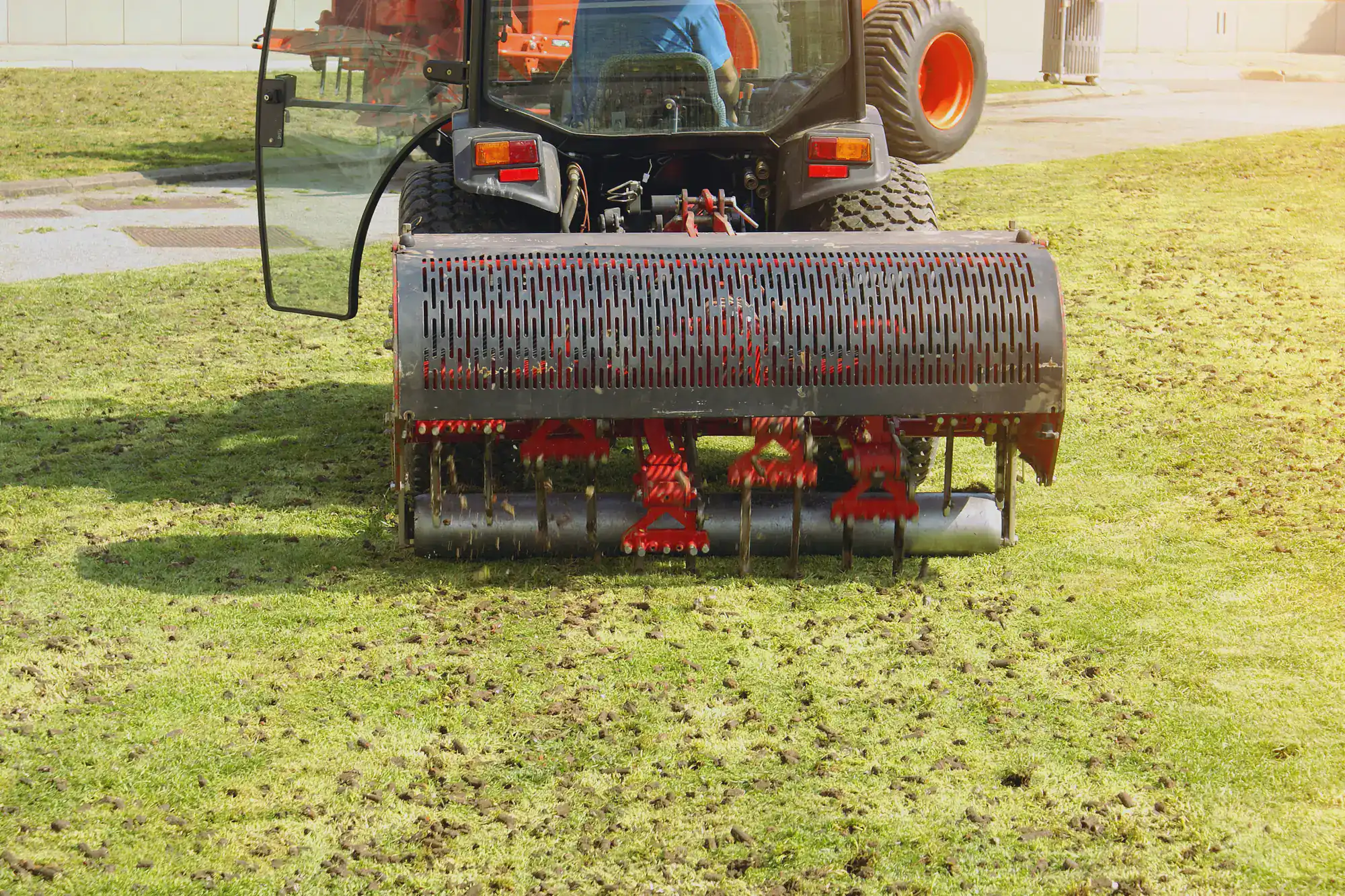
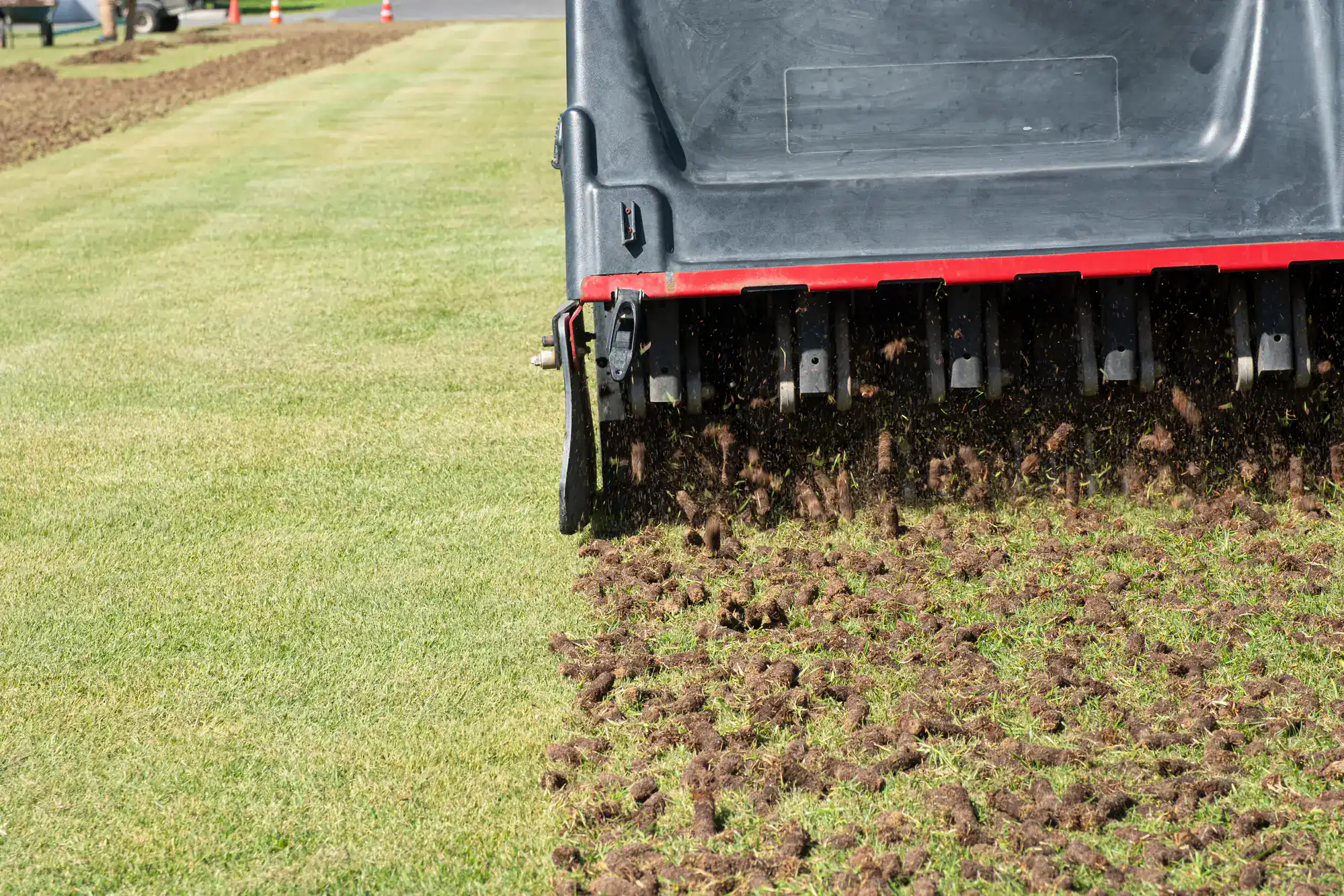
Once the assessment is done, our hydraulic aerators go to work pulling clean cores from the soil. This isn’t the same as what you’d get from a rental machine. Hydraulic aerators deliver consistent depth and cleaner extraction especially important in the heavier glacial soils that resist lighter equipment. The cores are left on the surface to break down naturally, returning organic matter back into the lawn over the following weeks.
From there, the window for overseeding and fertilization opens up. In Mount Sinai, timing matters here Suffolk County’s fertilizer ban takes effect on November 1, which means fall aeration needs to happen in late August through October to allow for a complete program before the cutoff. That’s not a wide window, and it fills up. If you’re thinking about it, earlier in the season is better than waiting.
Ready to get started?
We don’t run a one-size-fits-all operation. Every program is custom-built based on what your specific lawn needs soil type, grass variety, current condition, and what’s been done before. The fertilizer we use isn’t something pulled off a distributor shelf, either. It’s a custom blend formulated specifically for Lawn Master, calibrated for the nutrient demands and soil chemistry found across Suffolk County’s North Shore properties.
For Mount Sinai homeowners, that specificity shows up in how the program accounts for local conditions. Waterfront and near-harbor properties often need a different approach than the upland ridge properties a mile south. The proximity to Mount Sinai Harbor also means every application is handled with the watershed in mind licensed professionals who understand what responsible treatment looks like near sensitive coastal waterways, not just someone running equipment and moving on.
Aeration is most effective when paired with overseeding and a fall fertilizer application, and our programs are built to sequence those steps correctly within Suffolk County’s regulatory calendar. The goal isn’t just a lawn that looks better for a few weeks it’s soil that actually functions the way it should, so everything else you invest in your lawn pays off the way it’s supposed to.
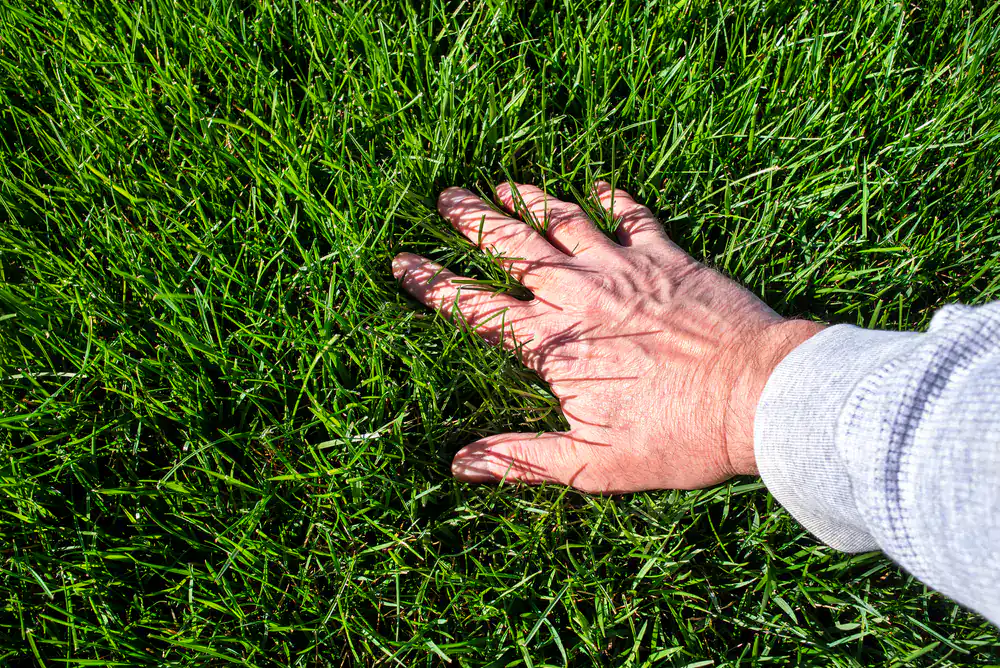
For the cool-season grasses that make up most Mount Sinai lawns Kentucky bluegrass, tall fescue, perennial ryegrass late August through October is the optimal window. This lines up with the grass’s active fall growth phase, which means it can recover from the aeration process and take advantage of any overseeding or fertilization that follows before going dormant for winter.
The timing also matters because of Suffolk County’s fertilizer ban, which prohibits applications between November 1 and April 1. If you want to aerate and fertilize in the same fall program which is the most effective approach you need to be done before that cutoff. That window moves faster than most people expect, especially once you factor in scheduling. Getting on the calendar in late summer gives you the best shot at a complete fall treatment before the ban takes effect.
The most reliable field test is simple: push a screwdriver into your lawn. If it goes in easily, compaction probably isn’t your main problem. If it takes real effort to push it a few inches into the soil, you’ve got compaction and that’s worth addressing before anything else you do on that lawn will work the way it should.
Other signs are visible without any tools. Water pooling on the surface after rain instead of soaking in is a classic indicator. So is grass that thins out in high-traffic areas, or a lawn that fertilizer just doesn’t seem to help. If you’ve been spending money on lawn treatments and not seeing results, compaction is often the reason the inputs can’t reach the root zone. In Mount Sinai especially, where a lot of the housing stock is 20 to 40 years old, accumulated compaction is one of the most common and most overlooked reasons a lawn stops responding.
Yes though it works a little differently than it does on heavier soils. Sandy soil doesn’t compact in the same dense, layered way that glacial till does, but it does degrade over time. Organic matter depletes quickly, the soil structure breaks down under repeated mowing and foot traffic, and the lawn loses its ability to retain water and nutrients. That’s why North Shore properties close to Mount Sinai Harbor and the Sound tend to fade faster in dry spells and develop thin spots that fertilizer alone doesn’t fix.
Core aeration on sandy soil opens channels that allow organic matter to integrate more deeply, improving the soil’s ability to hold moisture and support root development. When it’s followed by overseeding with the right grass varieties for the conditions, the improvement is noticeable within a single growing season. It’s not a dramatic overnight transformation, but it’s the kind of foundational work that makes everything else you do on that lawn actually stick.
Professionally, core aeration for a residential property typically runs somewhere in the range of $75 to $300 depending on lawn size, soil conditions, and what’s included in the service. For Mount Sinai properties which tend to be larger single-family homes on established lots you’re generally looking at the middle to upper end of that range for a thorough treatment with professional-grade equipment.
What’s worth keeping in mind is what you’re comparing against. A rental aerator runs $75 to $100 per day, but consumer-grade machines don’t penetrate consistently in compacted or rocky glacial soil, and the results reflect that. The real cost comparison isn’t professional service versus rental it’s what happens to the fertilizer, seed, and water you spend money on every year when the soil underneath can’t absorb any of it. Aeration done right makes every other investment in your lawn more effective, which changes the math considerably.
Doing them together is actually the most effective approach. Aeration creates the ideal seedbed the cores left on the surface break down and create pockets of loose soil, and the channels opened by the tines give new seed direct contact with the ground. Seed germination rates are significantly better when overseeding follows aeration immediately rather than being done as a standalone treatment on an unprepared surface.
The sequencing matters for timing, too. In Mount Sinai, you want aeration and overseeding done early enough in the fall that the new grass has time to establish before the first hard frost typically by mid-October at the latest. That also keeps you ahead of Suffolk County’s November 1 fertilizer ban, so you can apply a starter fertilizer to support germination without running into the regulatory cutoff. Trying to fit all of that in at the last minute rarely works out well, which is why getting on a schedule early in the season makes a real difference.
The licensing piece matters more in Mount Sinai than in a lot of other places. Any company applying pesticides or fertilizers for hire in New York State is required to have NYSDEC-certified applicators on the job not just on paper, but actually present and responsible for what’s being applied. With Mount Sinai Harbor and Long Island Sound essentially in the backyard of a large portion of the hamlet, that’s not a technicality. It’s the difference between responsible treatment near a sensitive coastal waterway and someone running a machine without real accountability for what ends up in the watershed.
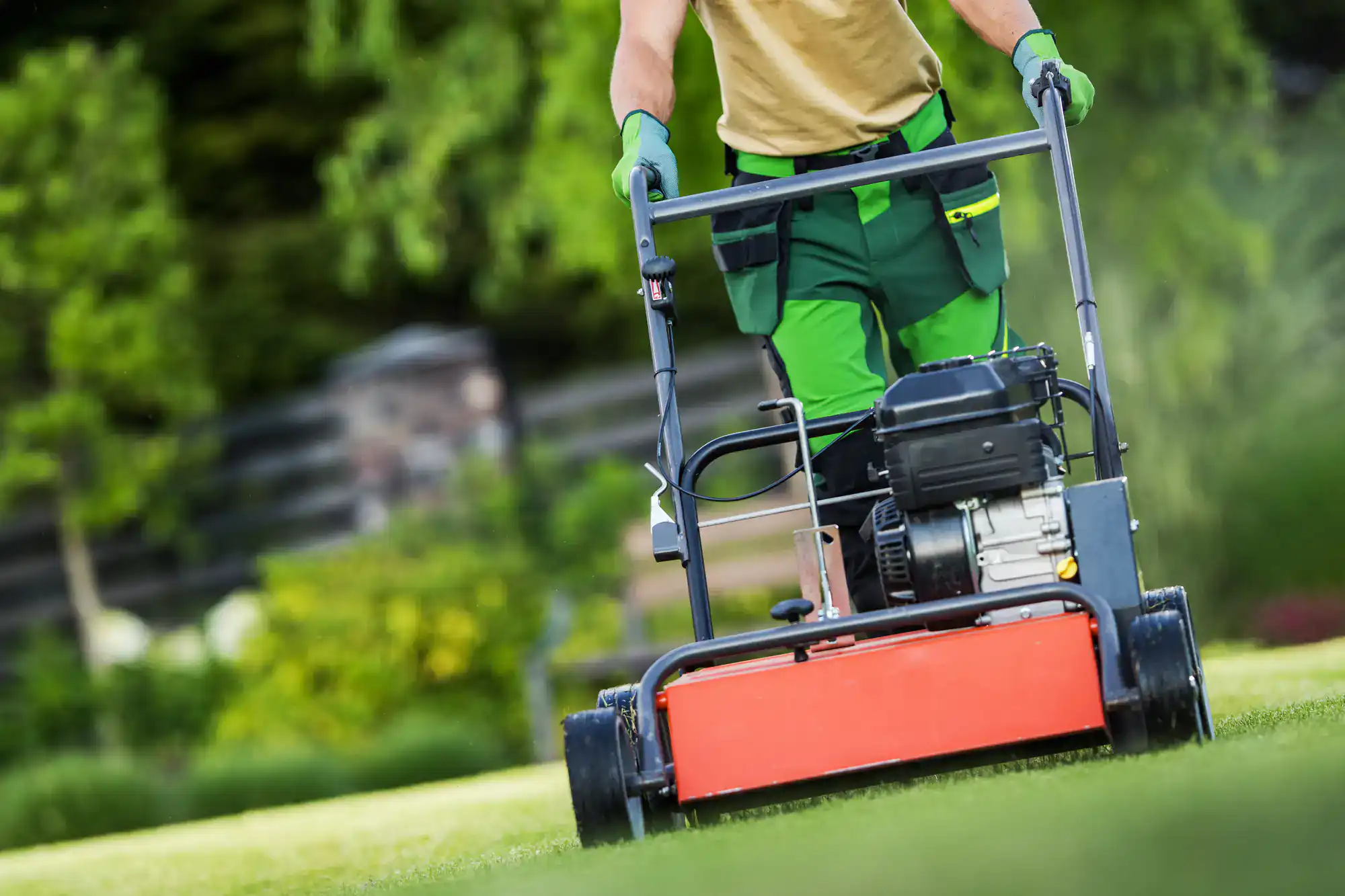
Beyond the regulatory side, equipment quality has a direct impact on results. Consumer rental aerators aren’t built to handle the soil conditions you find across Mount Sinai they struggle with compacted glacial till and often produce inconsistent core depth and spacing. Professional hydraulic aerators do the job the way it’s supposed to be done. Combine that with a licensed professional who can assess your specific lawn conditions and build a program around them, and you’re getting something fundamentally different from a cheaper alternative not just in appearance, but in what actually happens to your soil.
Useful Links
Other Services we provide in Mount Sinai