
Hear from Our Customers
Compacted soil doesn’t announce itself. It just slowly starves your grass of the air, water, and nutrients it needs to stay thick and healthy. You keep watering, maybe fertilizing, and the lawn still looks tired. That’s not a grass problem. That’s a soil problem, and aeration is how you fix it.
St. James sits on the Harbor Hill moraine the glacial ridge that runs along Long Island’s North Shore. Unlike the sandy, loose soils you’ll find further south on the island, the soil here carries more clay and silt. It compacts under normal use: foot traffic, mowing, the freeze-thaw cycles that hit every winter. If your home was built in the 1970s or earlier and most in St. James were your lawn has had decades to accumulate that compaction. The problem doesn’t fix itself.
When core aeration is done right, with the right equipment and the right timing, you’ll notice the difference by next spring. Fertilizer actually reaches the root zone instead of sitting on top of a hardened surface. Grass fills in thicker. It handles drought better through the summer. And the overseeding that follows aeration actually takes hold, instead of sitting on top of compacted ground going nowhere.
We’ve been operating in Suffolk County since 1987 longer than most of the companies currently advertising in the St. James area have been in business. That kind of track record doesn’t happen by cutting corners. It happens because the work is done right, consistently, by people who actually know what they’re doing.
Every job is handled by a licensed pesticide professional not a seasonal laborer supervised remotely by someone with a certificate on the wall. That distinction matters in New York State, where NYSDEC certification requires real testing, real accountability, and annual reporting. When someone from our team shows up at your property near Deepwells Farm or along the North Country Road corridor, they can tell you exactly what we’re applying, why, and what to expect.
The program is custom-tailored to your specific lawn, not pulled from a generic package. And the fertilizer we use is a proprietary blend made specifically for Lawn Master formulated for the soil conditions of Suffolk County, not sourced from a wholesale shelf. For a clean slate, consider our new lawn installation service in St. James.
Before anything gets pulled out of the ground, we assess the lawn. North Shore properties in St. James vary some have mature oaks and maples with surface roots running close to the soil, others have open sun exposure with decades of mower compaction built up underneath. Our approach adjusts based on what’s actually there, not a one-size-fits-all checklist.
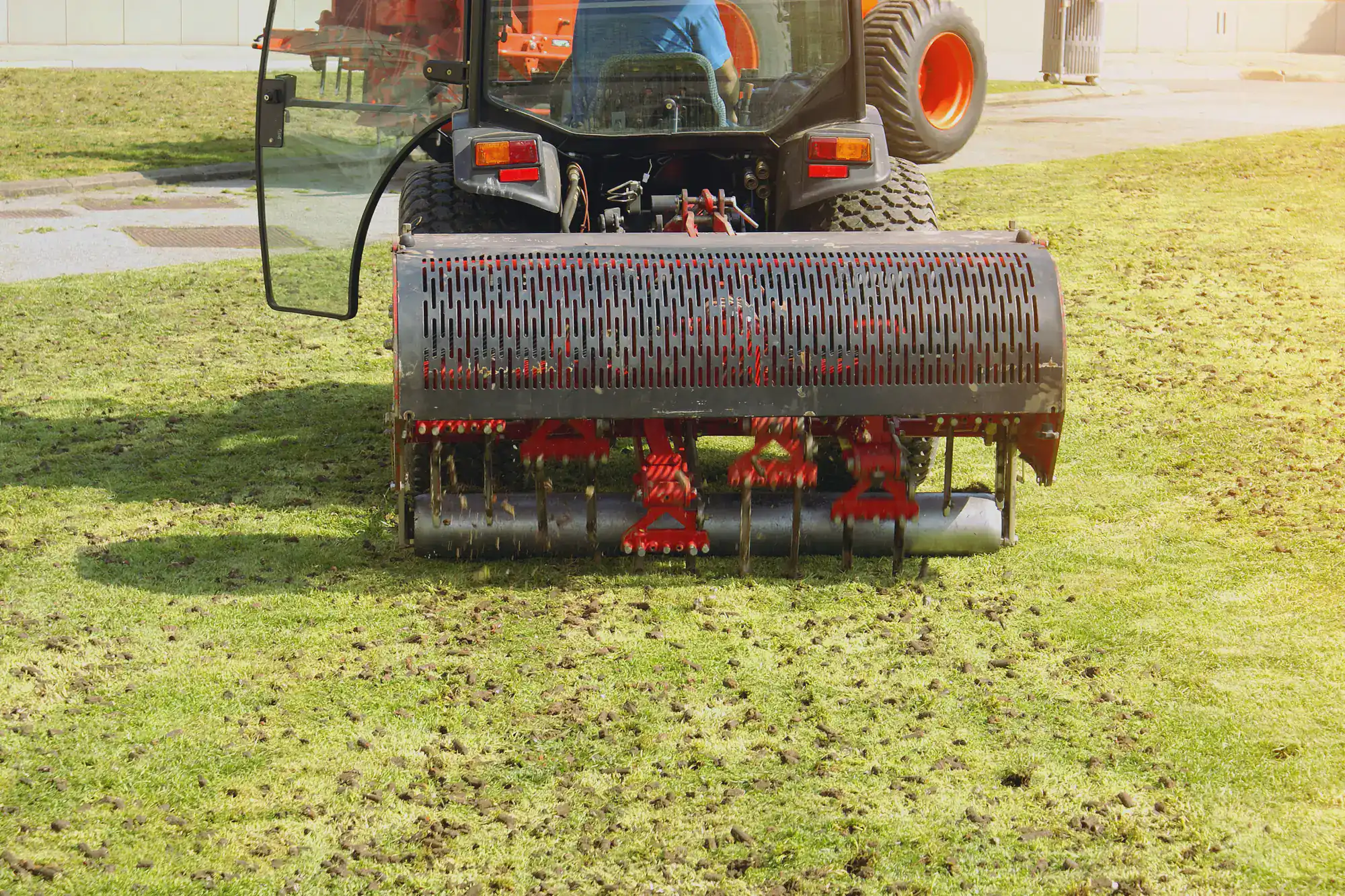
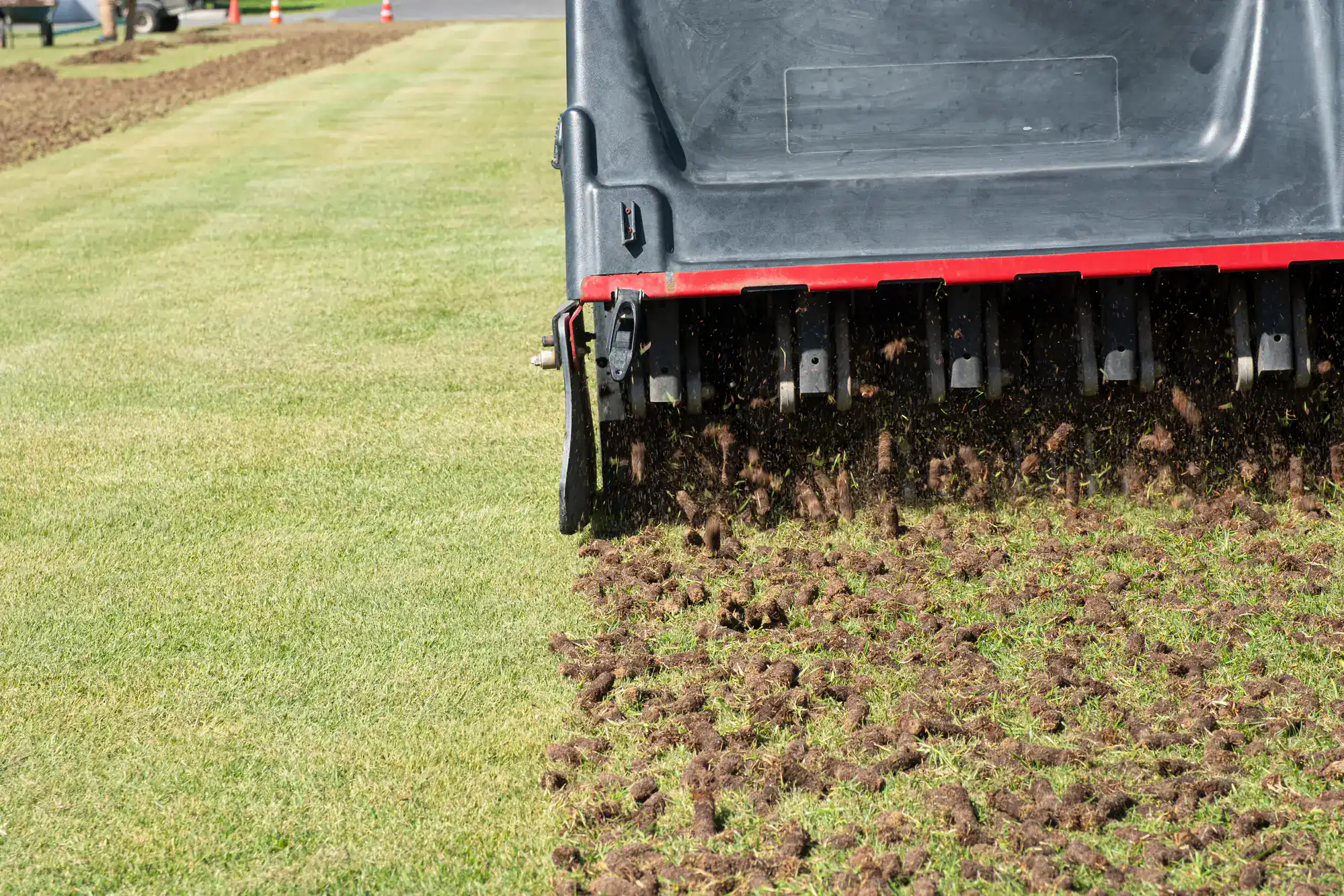
We use hydraulic core aerators professional-grade equipment that penetrates deeper and pulls cleaner cores than the machines available at a local rental counter. On the clay-influenced soils common to St. James, that difference is real. Consumer rental aerators are built for light use on loose soil. They don’t perform the same way on the heavier, more compacted ground that characterizes established North Shore lawns.
After aeration, if overseeding is part of your program, seed goes down while the soil channels are open and receptive. Timing matters here: Suffolk County’s fertilizer application ban kicks in on November 1, which means the fall window roughly late August through October is when this work needs to happen for cool-season grasses like fescue and bluegrass. We plan around that deadline as a matter of course. The goal is to get everything done while the grass is still in active growth and has time to establish before winter sets in.
Ready to get started?
Professional lawn aeration on the North Shore typically runs between $175 and $300 for a standard residential property, with larger or more complex lots running higher. That range reflects the equipment, the expertise, and the licensing involved not just the time on site. For context, a DIY aerator rental runs $75 to $107 per day, but the machine you get at a rental shop isn’t built for the clay-heavy soils of St. James. You’ll spend the day on it and likely get half the penetration depth you need.
What you get with us is a licensed professional assessing and treating your specific property, hydraulic aeration equipment that actually works in North Shore soil conditions, and a fertilizer program using a proprietary blend formulated for Suffolk County lawns not a generic product picked up at a wholesale distributor. If your lawn needs overseeding alongside aeration, that’s part of the conversation too. We handle full lawn restoration and new lawn installs from seed, so if the lawn has gotten to a point where aeration alone won’t turn it around, there’s a clear path forward.
Every program is built around your lawn’s actual condition. The age of your property, the tree canopy, the soil profile, the history of past treatments it all factors in. St. James homeowners with mature, established properties don’t need a cookie-cutter maintenance plan. They need someone who looks at what’s actually happening and builds from there.
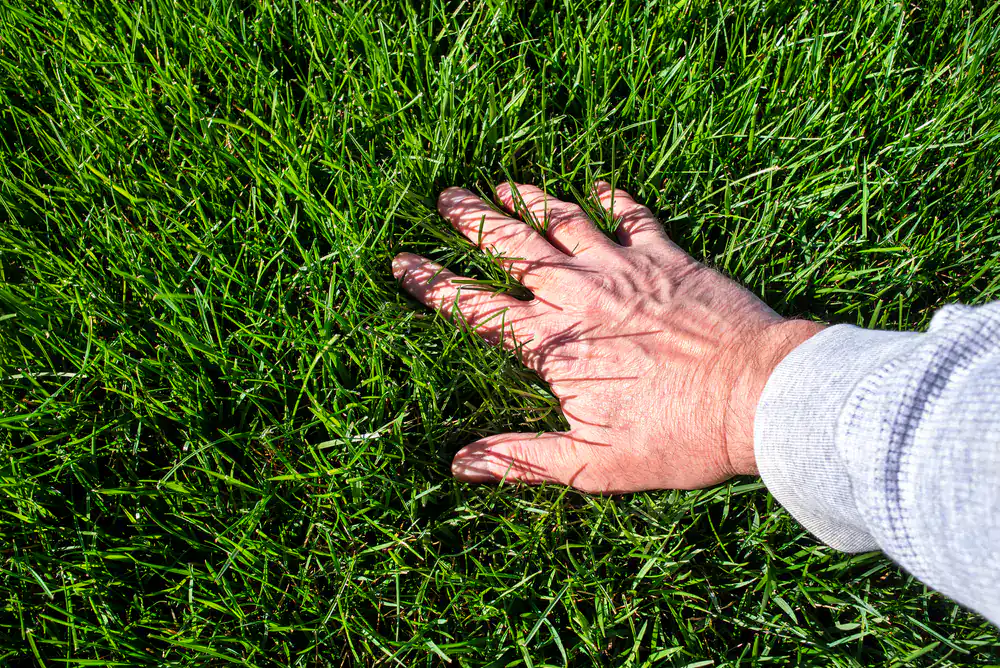
For most St. James lawns, fall is the right window specifically late August through October. The cool-season grasses that dominate established North Shore properties, like tall fescue, Kentucky bluegrass, and perennial ryegrass, are in their active growth phase during that period. Aerating while the grass is actively growing gives it the best chance to recover quickly, fill in the holes, and push deeper roots before going dormant for winter.
There’s also a hard regulatory deadline to keep in mind. Suffolk County prohibits fertilizer applications between November 1 and April 1, with fines up to $1,000 for violations. That means if you want aeration, overseeding, and fertilization done in the same fall program which is the most effective approach everything needs to be completed before that cutoff. Waiting until mid-October to schedule puts you at real risk of missing the window entirely. Planning ahead is the only way to make sure the timing works in your favor.
The simplest test is a screwdriver. After a decent rain, push a standard 6-inch screwdriver into your lawn. If you can’t get it 3 inches deep without real effort, your soil is compacted. That compaction is blocking the pathways your grass roots need to reach water, oxygen, and nutrients and no amount of fertilizer or watering will fully compensate for it.
In St. James specifically, the odds are high that compaction is a factor. The clay-influenced glacial soils of the North Shore compact more readily than sandy soils, and most homes in the area were built in the 1960s and 70s. That means the lawns on those properties have had 50-plus years of foot traffic, mowing, and freeze-thaw cycles working against them. If you’ve noticed the lawn thinning out, struggling through dry summers, or not responding the way it used to when you fertilize, compaction is usually part of the explanation.
The short answer is penetration depth and core quality. Hydraulic aerators use pressurized systems to drive tines deeper into the ground and pull out cleaner, more complete soil cores. Standard rental machines the walk-behind drum aerators you’ll find at most equipment rental shops are designed for light residential use on loose or sandy soil. They work reasonably well in those conditions. They don’t work nearly as well on the heavier, clay-influenced soils that are common across St. James and the broader North Shore.
On compacted North Shore soil, a rental machine often bounces across the surface rather than penetrating effectively, leaving shallow, incomplete holes that don’t do much to relieve the underlying compaction. A professional hydraulic aerator gets down to where the compaction actually lives typically 2 to 3 inches deep and opens real channels for air, water, and root growth. That’s the difference between a service that changes something and one that just looks like it did.
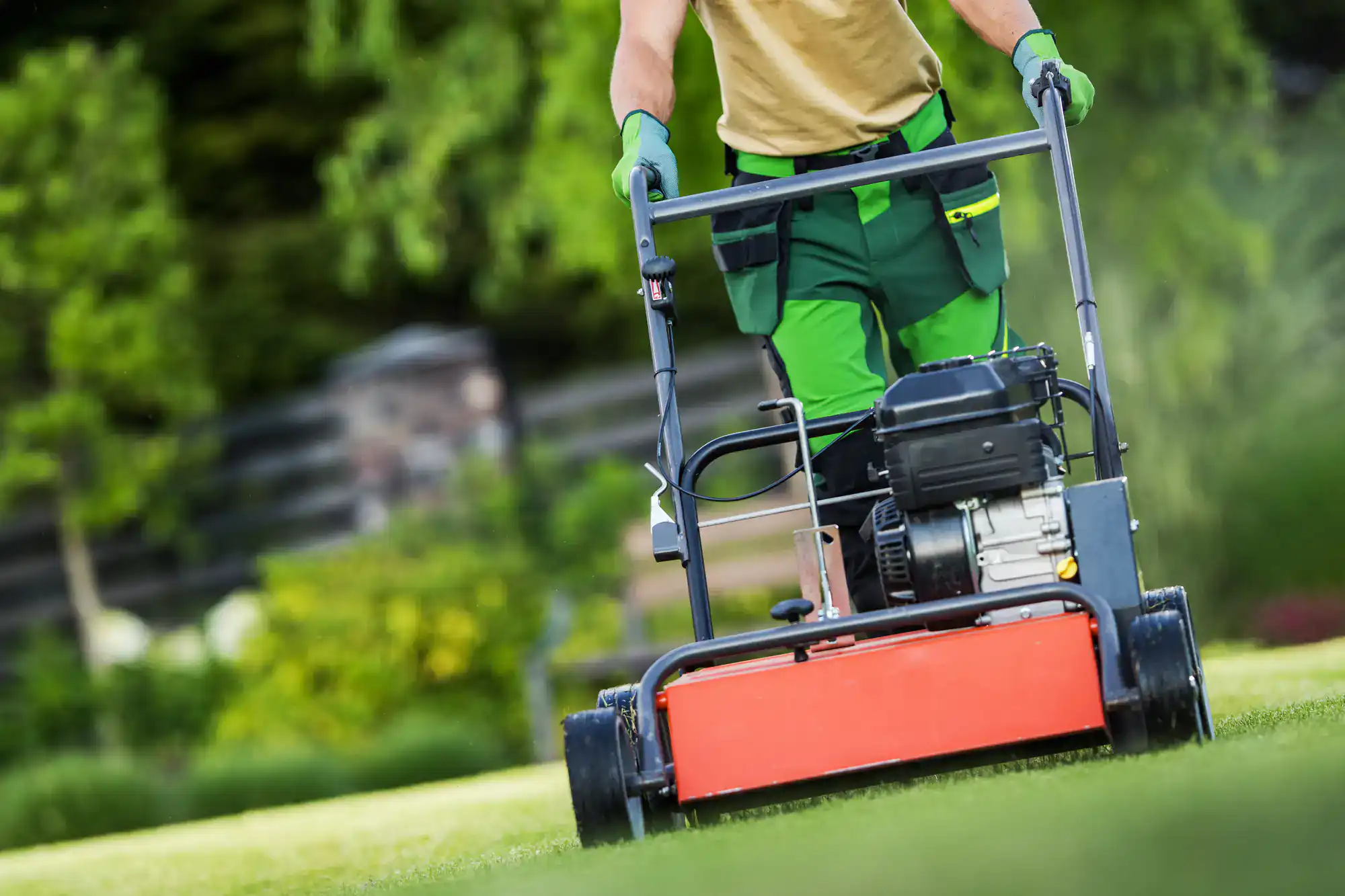
You can rent an aerator and do it yourself that’s a real option. But there are a few things worth thinking through before you go that route. Rental machines, as mentioned, aren’t built for the clay-heavy soils common to St. James. You’ll spend a full day on the job, potentially do multiple passes to get adequate coverage, and still likely end up with shallower penetration than a professional hydraulic unit delivers. The rental itself runs $75 to $107 per day before you factor in your time, fuel, and physical effort.
Beyond the equipment, there’s the timing and program side of it. Knowing when to aerate relative to pre-emergent herbicide applications, how to sequence overseeding, and how to stay within Suffolk County’s November 1 fertilizer window takes experience. A licensed professional who’s been working in this specific county for decades has that dialed in. For a property worth $650,000 or more which describes most homes in St. James the cost of professional aeration is a small number relative to what you’re protecting.
Yes, though it’s worth being realistic about what aeration can and can’t do in heavily shaded or root-dense areas. St. James has significant mature tree canopy oaks, maples, and other hardwoods that have been growing on these properties for decades. Their surface roots compete with grass for water and nutrients, and the shade they cast creates stressed, thin turf that’s more vulnerable to compaction damage in the first place.
Aeration helps by opening channels that allow water and nutrients to reach grass roots more efficiently, even when surface roots are competing for the same resources. It also improves the success rate of overseeding in those areas by giving seed better soil contact. That said, heavily shaded spots under dense canopy may need a shade-tolerant seed mix and realistic expectations about coverage. We assess those areas separately and recommend the right approach rather than treating them the same as your open, sun-exposed turf.
For a standard residential property on the North Shore, professional core aeration typically runs between $175 and $300. Larger properties, lots with significant slope or tree coverage, or lawns that need overseeding added to the program will generally land toward the higher end of that range or above it. The pricing reflects the equipment involved, the licensing of the professionals doing the work, and the time required to do the job correctly on North Shore soil conditions.
It’s also worth thinking about the cost of not aerating. Every dollar you spend on fertilizer is partially wasted if the soil is too compacted to let it reach the root zone. Lawns that go years without aeration often decline to the point where full renovation becomes necessary a significantly larger investment than annual or biannual aeration. For St. James homeowners with established properties and high-value homes, keeping up with aeration is one of the more cost-effective things you can do to protect what you already have.
Useful Links
Other Services we provide in St. James