
Hear from Our Customers
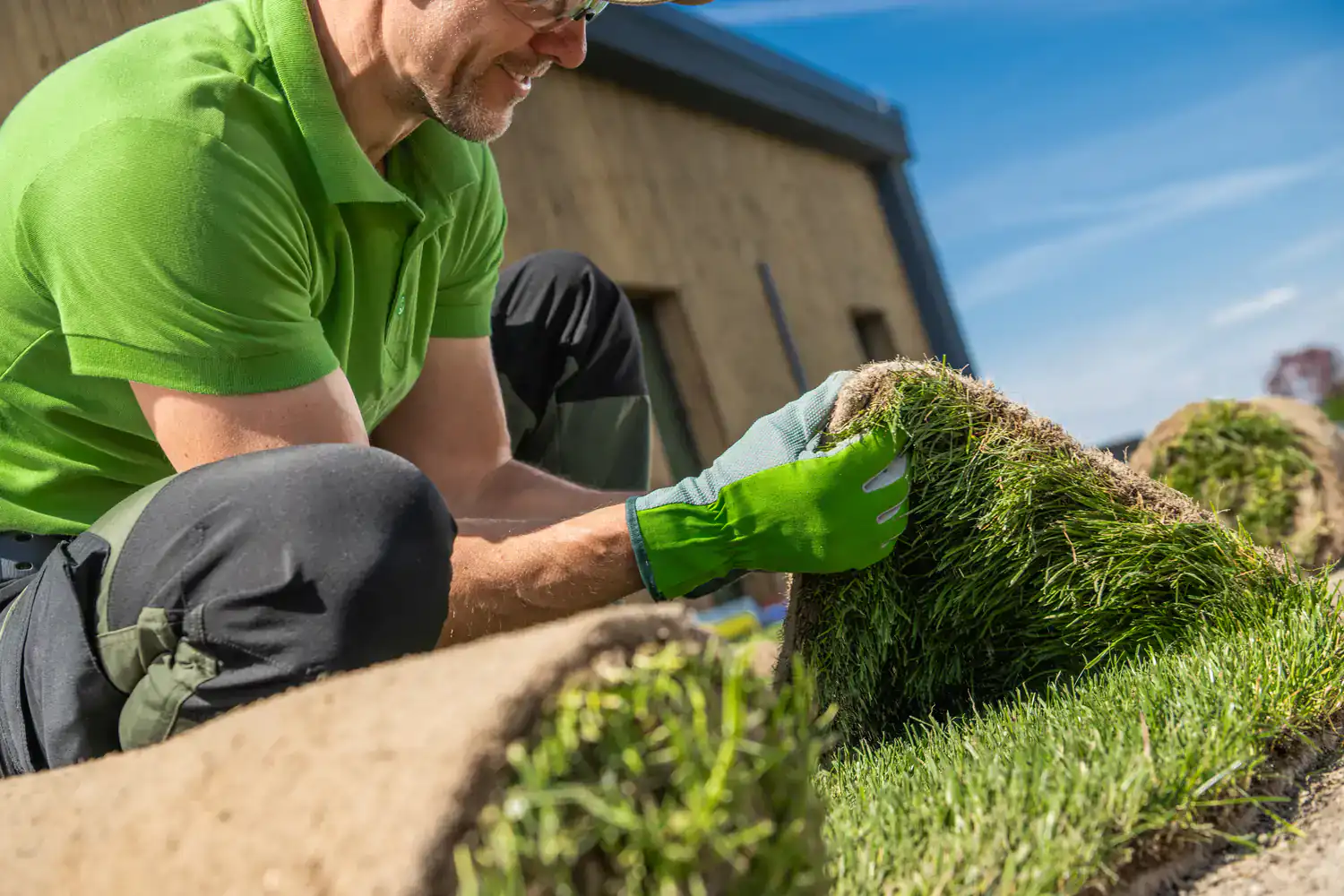
Mount Sinai’s soil is not forgiving. The glacially-deposited, sandy terrain that defines the North Shore drains fast, dries out faster, and holds nutrients poorly. When seed goes down without the right preparation, you get patchy germination, thin coverage, and bare spots that weeds fill in before the grass ever gets a chance. A professionally seeded lawn changes that picture completely dense, uniform turf that holds through summer drought and doesn’t require constant reseeding every fall.
For homeowners near Cedar Beach or along the harbor, there’s an added layer. Salt air and wind off the Long Island Sound put real stress on turf, especially in years with dry stretches. The right cool-season grass varieties selected specifically for your property’s sun exposure, soil drainage, and coastal exposure make a measurable difference in how your lawn performs from season to season. This isn’t about aesthetics alone. A thick, well-established lawn resists weed invasion, holds soil during heavy rain, and requires fewer inputs over time.
If your lawn has been thinning for a few years, or you’re starting from bare ground after a renovation or construction project, the outcome you’re looking for is achievable. It just takes the right process, the right timing, and someone who understands what Mount Sinai’s specific conditions actually demand.
We are a Suffolk County-specific lawn care operation. Not a national franchise. Not a Nassau County company occasionally crossing the county line. Our domain says it plainly lawnmasterofsuffolk.com and so does our work. Every program we run is calibrated to Suffolk County soils, Suffolk County timing, and Suffolk County climate.
In Mount Sinai specifically, we understand the Harbor Hill moraine terrain, the fast-draining soils north of the Long Island Expressway, and the extended fall seeding window that Mount Sinai’s coastal position on the Sound actually provides. We know that the 55-plus communities like Plymouth Estates and Woodbridge have lawns that have been in place for decades and that aging turf on sandy soil needs a different approach than a fresh install.
We’re licensed, insured, and aligned with Suffolk County’s Healthy Lawns, Clean Water guidelines which matters especially for properties near Mount Sinai Harbor where runoff and fertilizer use are real environmental concerns. You get a company that knows this area, not one that’s learning it on your lawn.
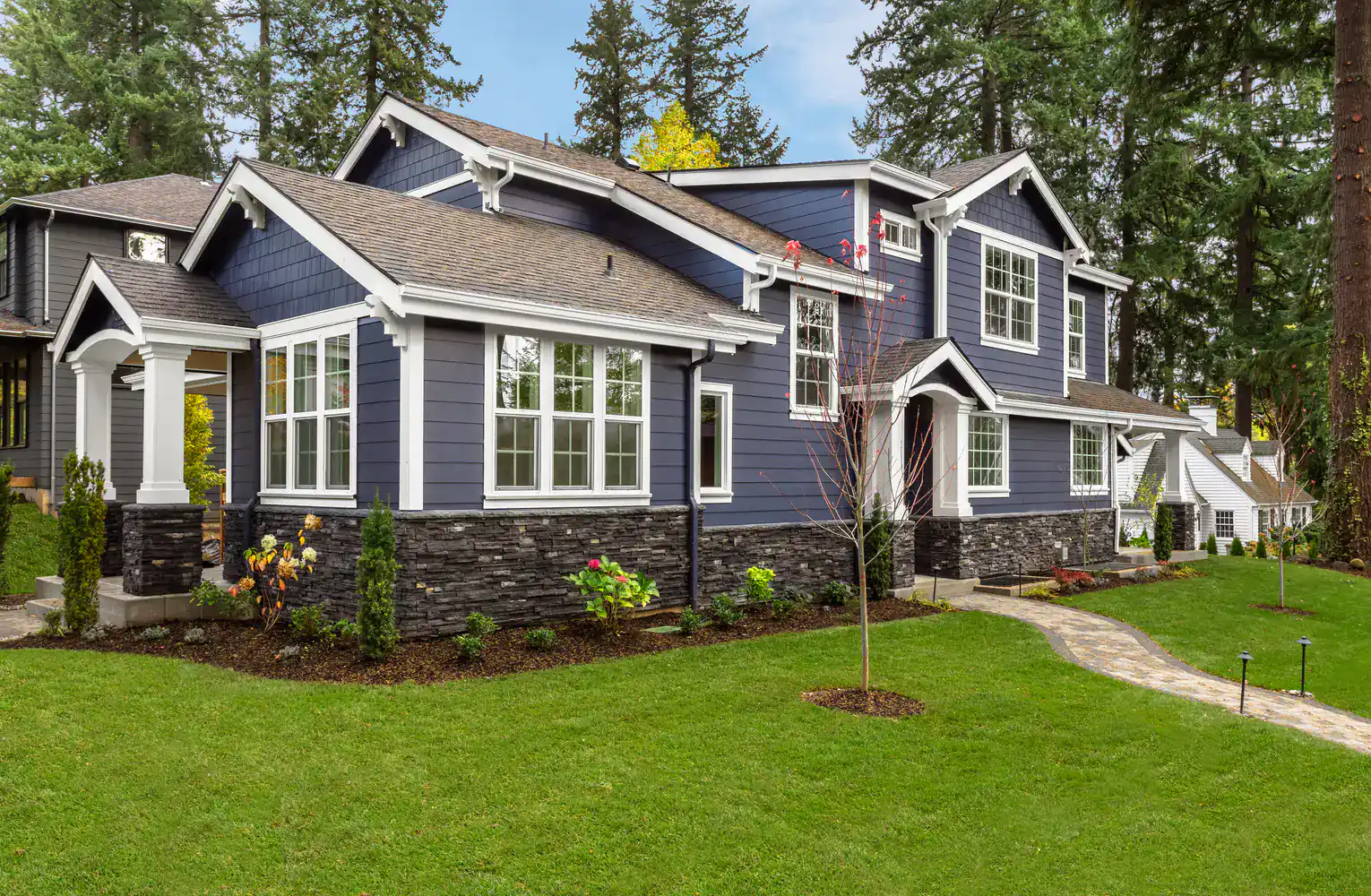
The process starts with an honest assessment of what you’re working with. We look at your soil type, existing turf coverage, sun and shade patterns, drainage behavior, and any damage from grubs, drought, or compaction. In Mount Sinai, grub pressure from Japanese beetle larvae is a documented and recurring issue and a lawn that’s been grub-damaged needs soil rehabilitation, not just surface seeding. We identify that before a single seed goes down.
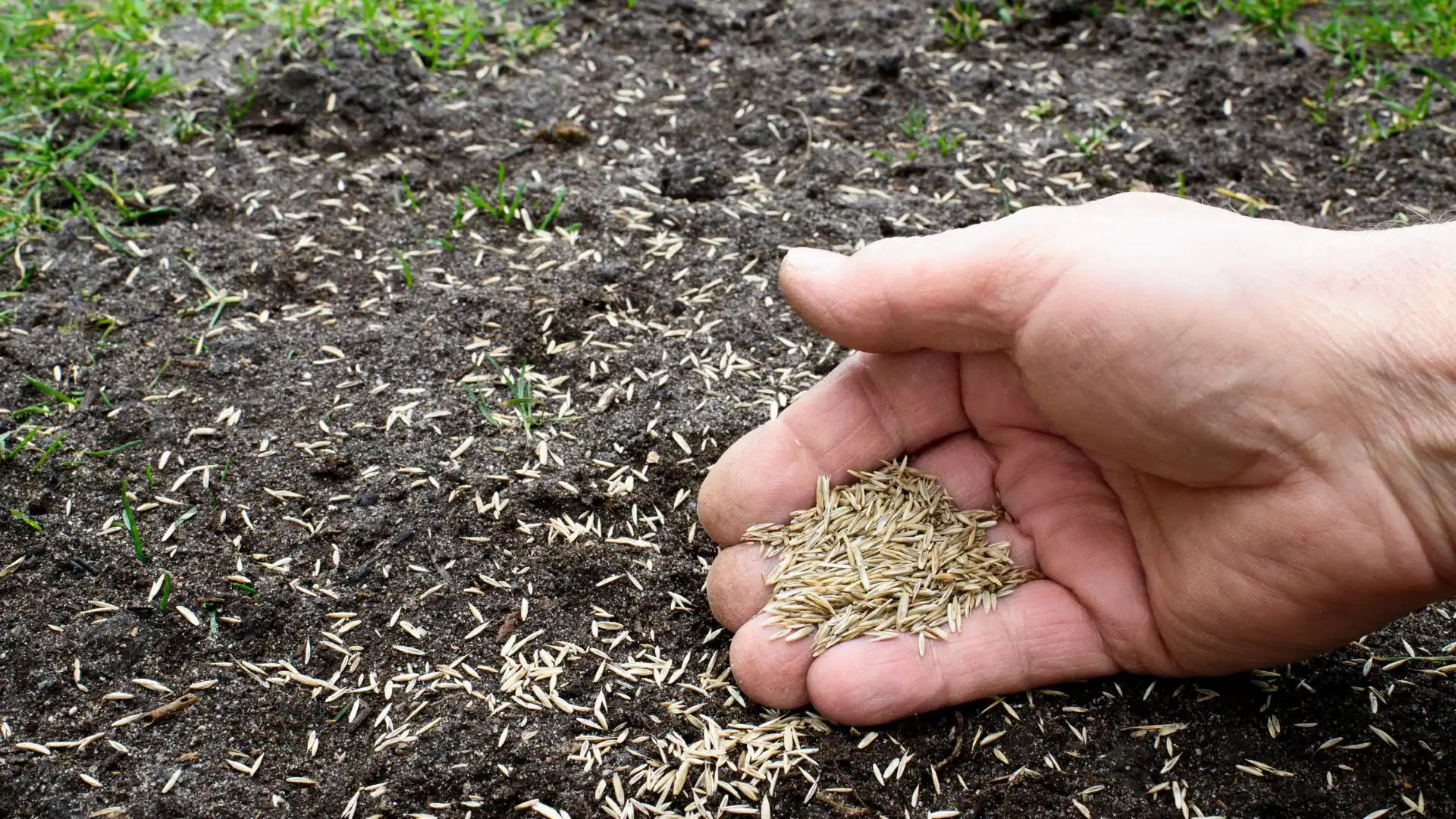
From there, soil preparation is the foundation. For most Mount Sinai properties, that means core aeration pulling small plugs from the soil to break up compaction, improve drainage, and create hundreds of seed-receptacle points per square foot. This is the step most DIY attempts skip entirely, and it’s why store-bought seed rarely performs here. Once the seed bed is ready, we select the appropriate cool-season grass blend typically a tall fescue-dominant mix for its drought tolerance on sandy soils, sometimes blended with perennial ryegrass or Kentucky bluegrass depending on the property. Starter fertilizer goes down at the same time to support early root development.
For larger bare areas post-construction, post-pool installation, or major landscaping projects we offer hydraulic lawn seeding, which combines seed, fertilizer, and a wood-fiber mulch binder in a pressurized slurry. It holds moisture against Mount Sinai’s fast-draining soil and produces more uniform germination across large or challenging areas. After seeding, we walk you through a clear post-seeding care plan: watering schedule, mowing timing, and what to expect over the first 30 days.
Ready to get started?
Fall is the primary seeding season in Mount Sinai the September 1 through October 15 window is when soil temperatures are still warm enough for germination while air temperatures have dropped enough to favor cool-season grass establishment. Weed competition from crabgrass drops sharply in September, giving new seedlings a cleaner runway. This window fills fast, and our fall seeding calendar books up well before peak season. If you’re planning overseeding or a new lawn from seed in Mount Sinai, earlier scheduling gives you more flexibility.
Spring seeding is also available for bare spot repair and new lawn establishment, though timing gets more complicated when pre-emergent herbicides are part of your program seeding and pre-emergent applications can’t overlap without sacrificing one or the other. We’ll walk you through that tradeoff clearly so you can make the right call for your specific situation.
For homeowners in Mount Sinai’s established neighborhoods Crystal Brook, Mount Sinai East, Mount Sinai South and in the 55-plus communities along the hamlet, we offer structured lawn seeding programs that include initial seeding, follow-up assessment, and overseeding of thin spots in subsequent seasons. This isn’t a one-visit fix. Sandy soils, coastal stress, and annual grub cycles mean that a program approach consistently outperforms a single application. Our seeding and fertilization programs are designed to align with Suffolk County’s Healthy Lawns, Clean Water guidelines responsible fertilizer rates, proper setbacks from waterways, and grass variety selection that builds a lawn that holds rather than one that needs constant intervention.
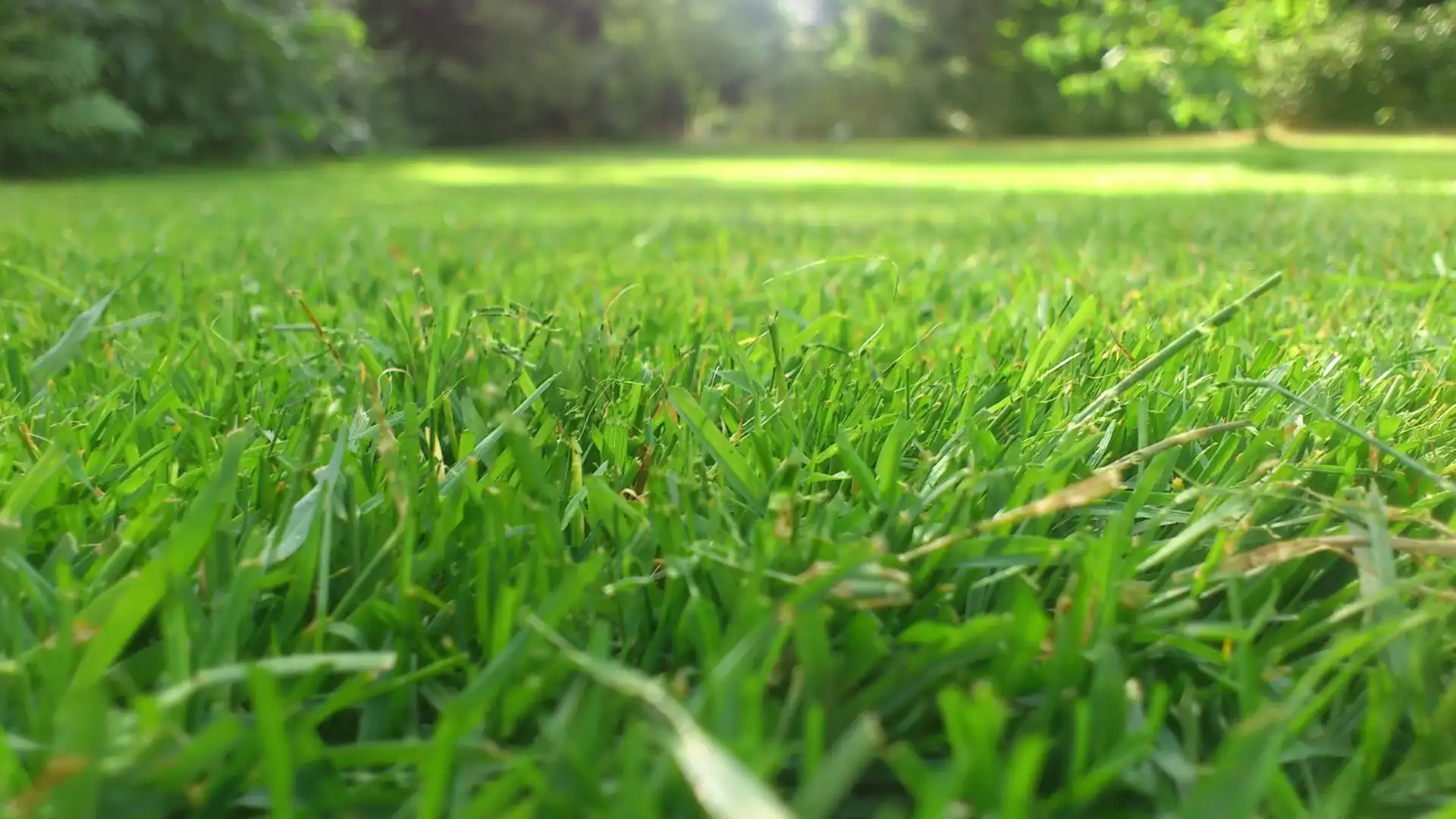
The best window for lawn seeding in Mount Sinai is September 1 through October 15. This is when conditions on the North Shore align most favorably for cool-season grass establishment soil temperatures are still warm enough to drive germination, air temperatures have cooled to reduce heat stress on new seedlings, and annual weeds like crabgrass have largely finished their cycle. That last point matters more than most people realize. Crabgrass and other warm-season weeds are aggressive competitors, and seeding into a lawn still full of active weed pressure is a setup for poor results.
Mount Sinai’s coastal position on the Long Island Sound gives it a slightly extended fall window compared to more inland communities in Suffolk County the Sound moderates temperatures and keeps soil warm a bit longer into the season. That’s a real advantage if you time it right. Spring seeding is possible, typically mid-March through April, but it’s more complicated to manage and generally produces less consistent results than a well-executed fall program.
Tall fescue is the go-to choice for most Mount Sinai properties, and there are good reasons for that. It has stronger drought tolerance than Kentucky bluegrass or perennial ryegrass, which makes a real difference on the North Shore’s sandy, fast-draining soils that dry out quickly during summer stress periods. Tall fescue also has solid disease resistance and performs reasonably well in both sun and partial shade a useful trait given the range of conditions across Mount Sinai’s housing stock.
That said, grass variety selection isn’t one-size-fits-all. Properties with heavy shade, high foot traffic, or specific drainage patterns may benefit from a blend perennial ryegrass for quick establishment and wear tolerance, Kentucky bluegrass for density and color in sunnier areas. The right mix depends on your specific property conditions, and that’s a determination we make during the initial assessment, not from a generic catalog. What we don’t do is use a standard blend regardless of where or how the lawn is used.
The most common reason is that the seed never made proper contact with the soil. In Mount Sinai, lawns that have been in place since the 1980s which is most of the housing stock here have years of thatch buildup and soil compaction working against germination. Seed that sits on top of thatch dries out before it can root, gets eaten by birds, or washes off in the first heavy rain. You can reseed the same bare spots every fall and get the same result if the underlying soil condition doesn’t change.
The second major culprit is grub damage. Japanese beetle grubs feed on grass roots from below, and the damage looks identical to drought stress on the surface. If you’re reseeding patches that keep dying back in the same spots, there’s a reasonable chance grubs are destroying the root system before the grass can establish. Treating the grub problem and rehabilitating the soil before reseeding is the only approach that actually breaks the cycle. We check for both issues during our initial lawn assessment so you’re not throwing seed at a problem that hasn’t been addressed.
For most Mount Sinai homeowners, yes and the math is more straightforward than it looks. DIY seeding typically involves broadcast spreading seed over unprepared ground, without aeration, without soil amendment, and without the variety selection knowledge to match seed to your specific conditions. On Mount Sinai’s sandy, fast-draining soils, that approach produces inconsistent results at best. You spend money on seed, time on watering, and end up with thin or patchy coverage that requires repeating the following year.
Professional seeding includes soil preparation, core aeration, proper seed selection, starter fertilization, and a post-seeding care plan all calibrated to your property. The germination rate from seed that has proper soil contact in a prepared seed bed is dramatically higher than broadcast seed on unprepared ground. Over two or three seasons, the cost difference between repeated DIY attempts and a professional program that actually holds tends to narrow considerably. For a property in Mount Sinai valued above the county median, a thick, established lawn also has real curb appeal value that a thin or patchy lawn simply doesn’t.
Seeding also called seeding is a process where grass seed, starter fertilizer, water, and a wood-fiber mulch binder are combined into a slurry and sprayed onto prepared soil under pressure. The mulch component holds moisture against the soil surface, which is particularly valuable on Mount Sinai’s sandy, fast-draining terrain where standard dry seeding can struggle to maintain the consistent moisture that germination requires.
It’s most practical for large bare areas typically anything over 3,000 to 5,000 square feet or for properties with slopes, irregular terrain, or difficult-to-seed areas. If you’ve had a pool installed, an addition built, or a major landscaping project that left significant bare ground, seeding is usually the more reliable and cost-effective option compared to sod at that scale. It’s also faster to establish than broadcast seeding on large areas, and the wood-fiber mulch helps protect seed from erosion during the early germination phase. For standard overseeding of an existing lawn, conventional aeration and seeding is typically the better fit.
It’s a real consideration, and one that not every lawn care company thinks through carefully. Suffolk County Local Law 16 restricts fertilizer applications near waterways, and properties close to Mount Sinai Harbor, Shore Road, or Harbor Beach Road fall within areas where those restrictions apply. Applying fertilizer too close to the water, or at rates that exceed what the turf can absorb, risks runoff into the harbor which is something the Mount Sinai Harbor Association and the broader community have actively worked to protect.
Our seeding and fertilization programs are designed to align with Suffolk County’s Healthy Lawns, Clean Water guidelines. For harbor-adjacent properties, that means using starter fertilizers at appropriate rates, respecting required setbacks from waterways, and selecting grass varieties that establish quickly and hold soil effectively reducing the need for high-input maintenance over time. If your property is near the harbor or the Sound, we factor that into the program from the start. It doesn’t limit what we can achieve with your lawn it just shapes how we get there responsibly.
Useful Links
Other Services we provide in Mount Sinai